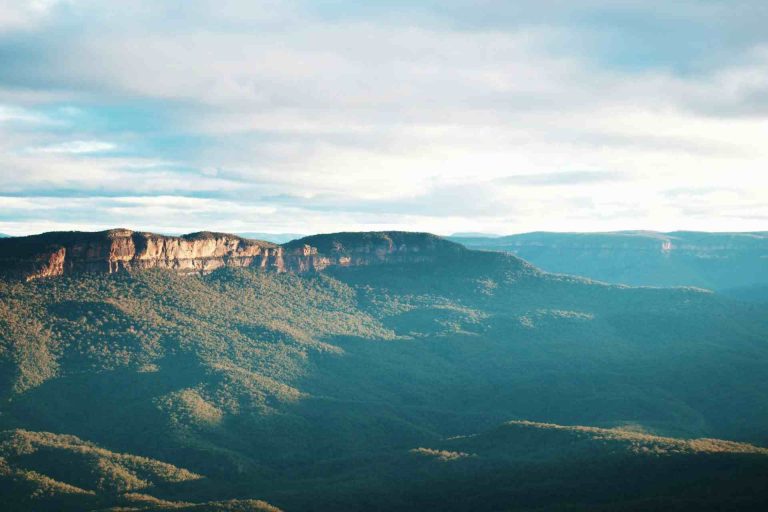
Contrasts of Modern Japan: Roppongi Hills Sophistication and Namba’s Street Art
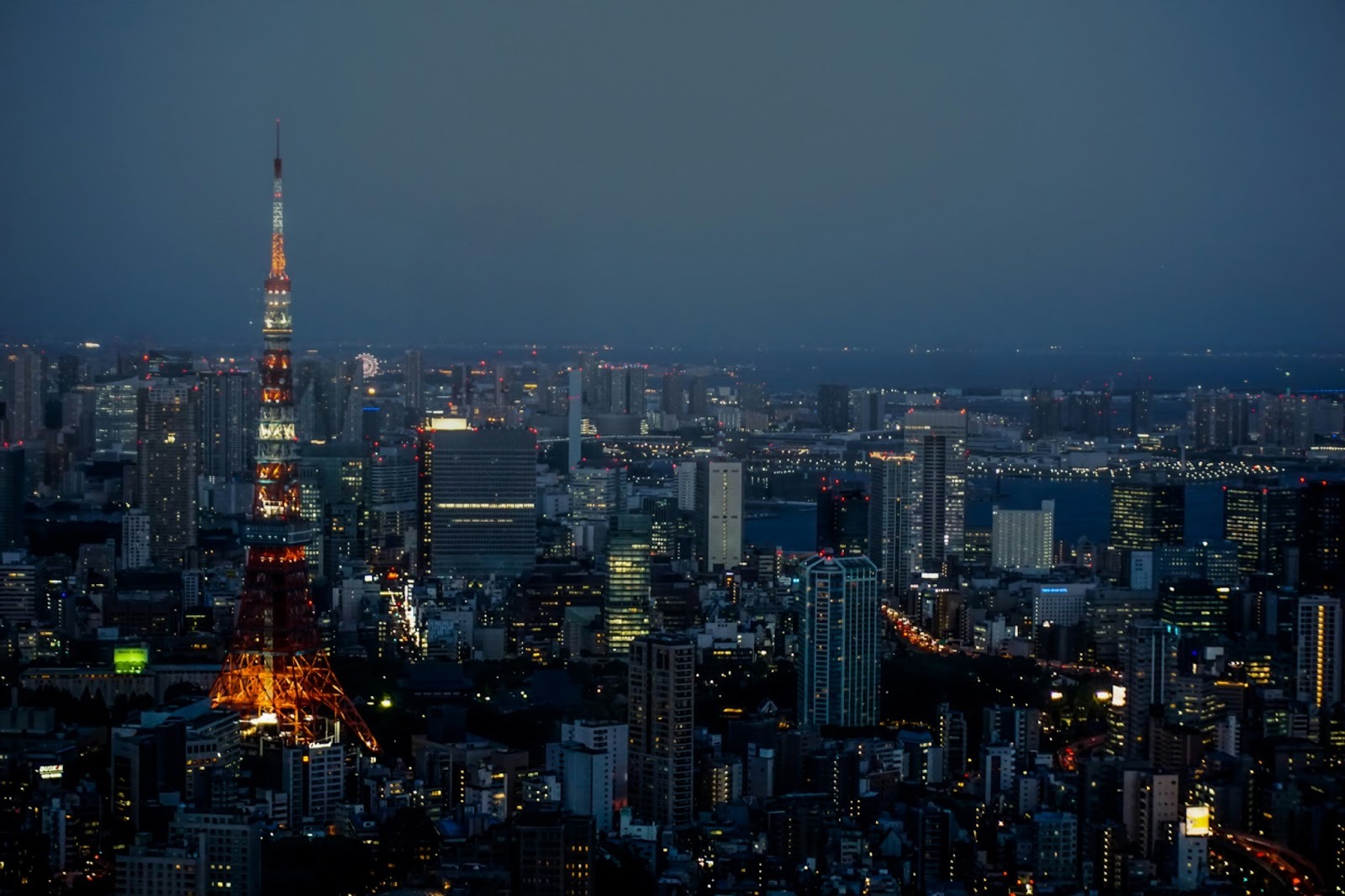
Tokyo rarely feels singular. Even in its more elevated districts, there are interruptions — a narrow lane beneath a tower, a vending machine glowing quietly beside glass. In Roppongi Hills, the surfaces appear smooth, though the city beneath them remains uneven. Escalators lift you into open terraces that feel suspended rather than commanding.
Light behaves carefully here. It does not flare; it glides. Reflections shift across façades in muted bands. The skyline feels present but slightly distant, as if softened by its own repetition.
Nothing calls attention to itself loudly. It simply continues upward.
Where Glass Doubles the View
From certain angles, Roppongi seems more reflective than solid. Windows carry faint outlines of neighbouring towers. Sky drifts across polished panels and then disappears again. The vertical lines feel deliberate but not dramatic.
Later, the motion westward unfolds along routes like the Osaka to Tokyo bullet train, though the shift from tower to valley feels procedural rather than symbolic. Buildings thin. Hills gather briefly. Tunnels interrupt, then release light again.
Inside the carriage, reflections layer passengers over fields. Speed registers only as vibration. The horizon slides quietly from one register to another.

Walls That Accumulate Instead of Align
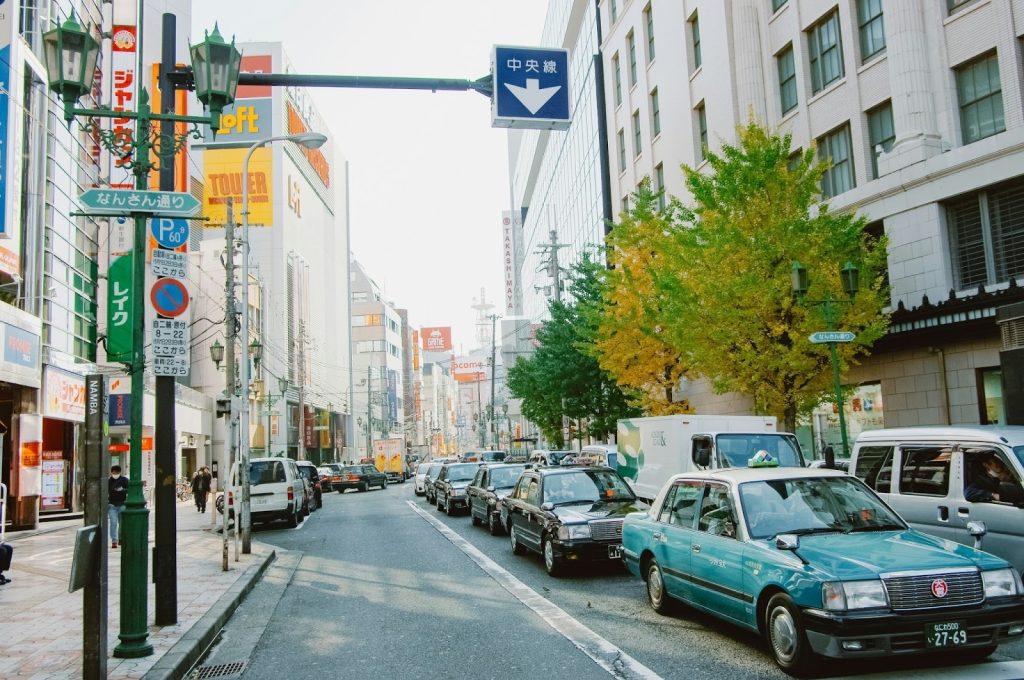
In Namba, nothing feels polished in the same way. Murals overlap older paint. Posters peel slightly at the edges. The street does not arrange itself neatly; it collects colour in fragments.
Journeys across the country on the Japan bullet train compress these differences without emphasising them. Mountains flatten. Industrial edges surface and recede. The transitions do not build toward contrast; they simply occur.
In Namba, sound stays low despite the crowd. Music leaks from somewhere unseen. A shutter lifts halfway and stops. The walls feel layered rather than designed.
Surfaces That Refuse Hierarchy
Roppongi’s glass reflects sky. Namba’s brick absorbs pigment. Yet both rely on repetition — pane after pane, stencil after stencil. The rhythm persists without declaration.
The distinction feels lighter the longer you remain. Terrace and alley become variations of enclosure. Reflection and paint become variations of surface.
Nothing escalates.
The Corridor That Softens the Shift
Later, it becomes difficult to isolate one image from the other. A mirrored façade aligns faintly with a painted shutter. The hum beneath a train floor overlaps with the low murmur of a side street.
The journey between Tokyo and Osaka thins into background motion — hills sliding past, buildings rising and lowering in sequence. The idea of sophistication or improvisation fades.
What remains is texture. Glass catching sky. Paint catching light. Movement continuing without insisting on difference.
And somewhere between terrace edge and narrow lane, the rhythm persists quietly — neither heightened nor resolved — simply carried forward across a landscape that never fully settles into one version of itself.
When Glass and Neon Recalibrate
There are moments when both districts seem to pause at the same time. In Roppongi, the sky shifts tone against glass, cooling slightly as evening approaches. In Namba, neon brightens gradually, though not abruptly enough to feel like an event. The change happens in increments — colour adjusting, reflections deepening, shadows loosening their edges.
Nothing signals the shift clearly. It is noticed only after it has already settled.
The Line That Remains Beneath It All
Between Tokyo and Osaka stretches a corridor of track and field that rarely insists on contrast. Stations appear briefly, then dissolve. Hills gather and flatten. The hum beneath the carriage feels constant, almost neutral.
Later, memory holds fragments rather than categories — a pane of glass catching cloud, a mural fading at the corner of a street, a tunnel giving way to light. The differences grow less distinct. And somewhere along that steady span, the motion continues quietly, unmarked by elevation or alley, simply carried forward across the same shifting ground.