
Traditional Ethiopian Food: 10 Gorgeous Eats That Deserve a Spot on Your Board
If you’ve ever Googled traditional Ethiopian food, chances are you’re curious about why everyone who’s tried it raves about the flavors, the communal style of eating, and the colorful dishes that look almost too pretty to touch. Let me tell you—Ethiopian food is more than just a meal. It’s culture, history, and hospitality wrapped up in one big platter.
My first experience with Ethiopian cuisine was in a tiny restaurant tucked away in a city side street. No forks. No knives. Just warm injera (that spongy bread you’ve probably seen on foodie Instagram feeds) and a rainbow of stews in the middle of the table. It felt like a whole new way of eating, and honestly, I’ve been hooked ever since.
So, let’s dive in together. I’ll walk you through the essentials of traditional Ethiopian food, the must-try dishes, and why this cuisine is unlike anything else. Ready to dig in?
1. Injera
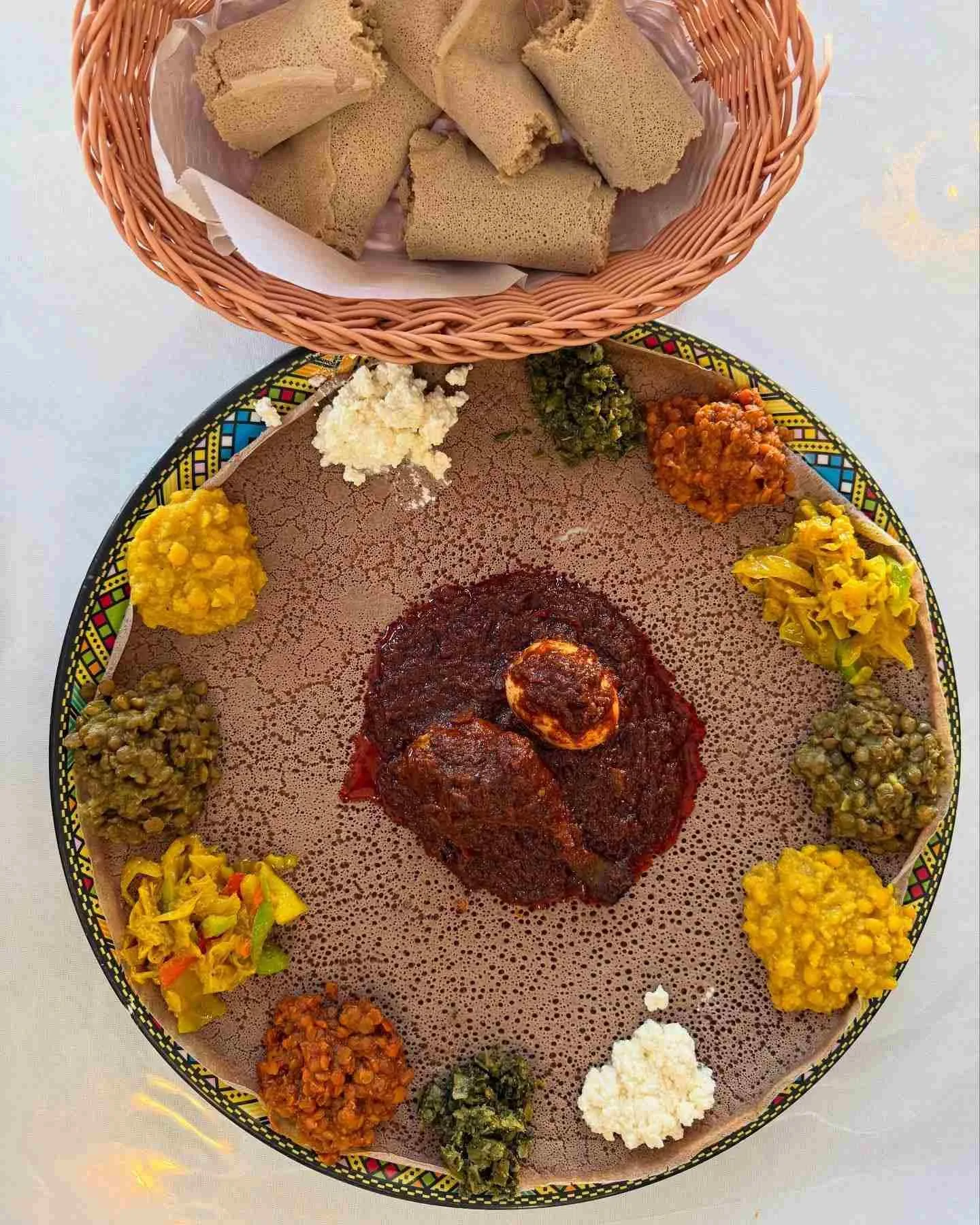
Injera is the foundation of Ethiopian cuisine, a spongy, sourdough flatbread made from fermented teff flour. Its unique, slightly tangy flavor and airy texture make it the perfect base for scooping up stews, vegetables, and meats. Instead of utensils, diners tear off pieces of injera to pick up bites of food, turning meals into a communal experience.
Rich in nutrients and naturally gluten-free, injera is not just bread—it’s a cultural staple and symbol of hospitality at every Ethiopian table.
2. Doro Wat
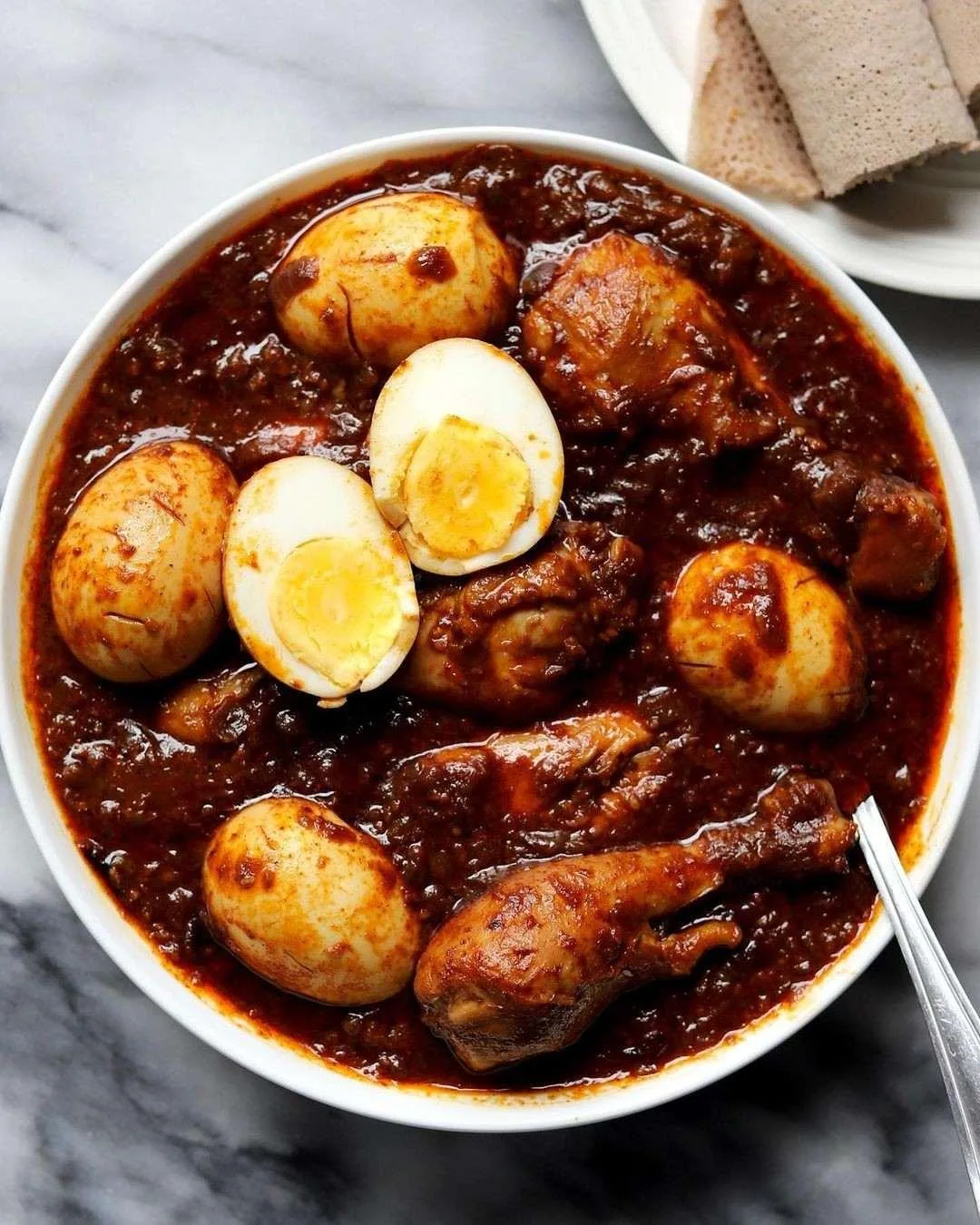
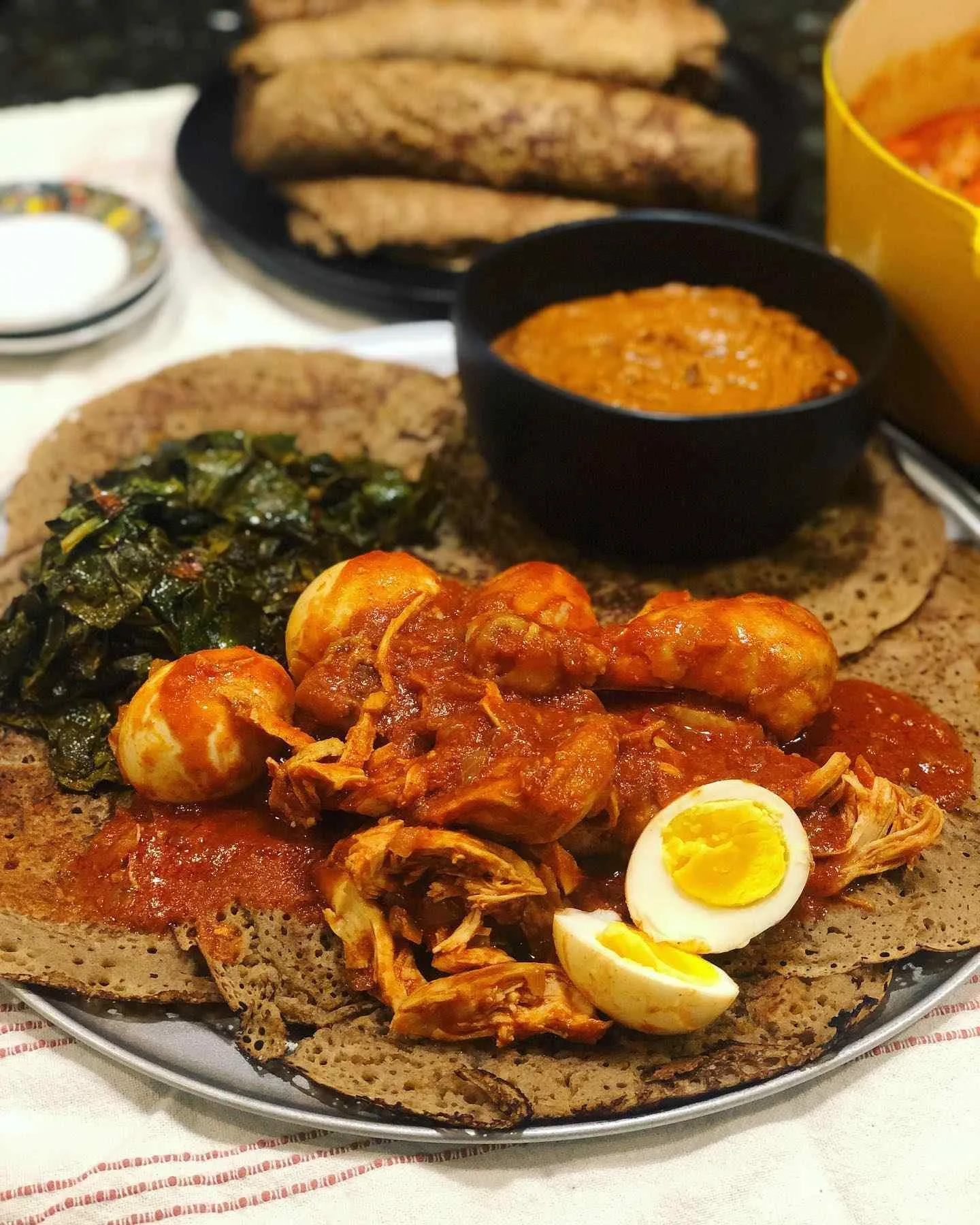
Doro Wat is Ethiopia’s most iconic dish, often served during holidays and special occasions. This rich chicken stew is simmered slowly with onions, garlic, ginger, berbere spice blend, and niter kibbeh, a spiced clarified butter. Hard-boiled eggs are usually added to absorb the bold, fiery flavors. Served with injera, Doro Wat offers a deeply spiced, comforting experience.
Its intense flavors and cultural importance make it a must-try for anyone exploring traditional Ethiopian food, showcasing the heart and soul of Ethiopia’s culinary heritage.
3. Tibs
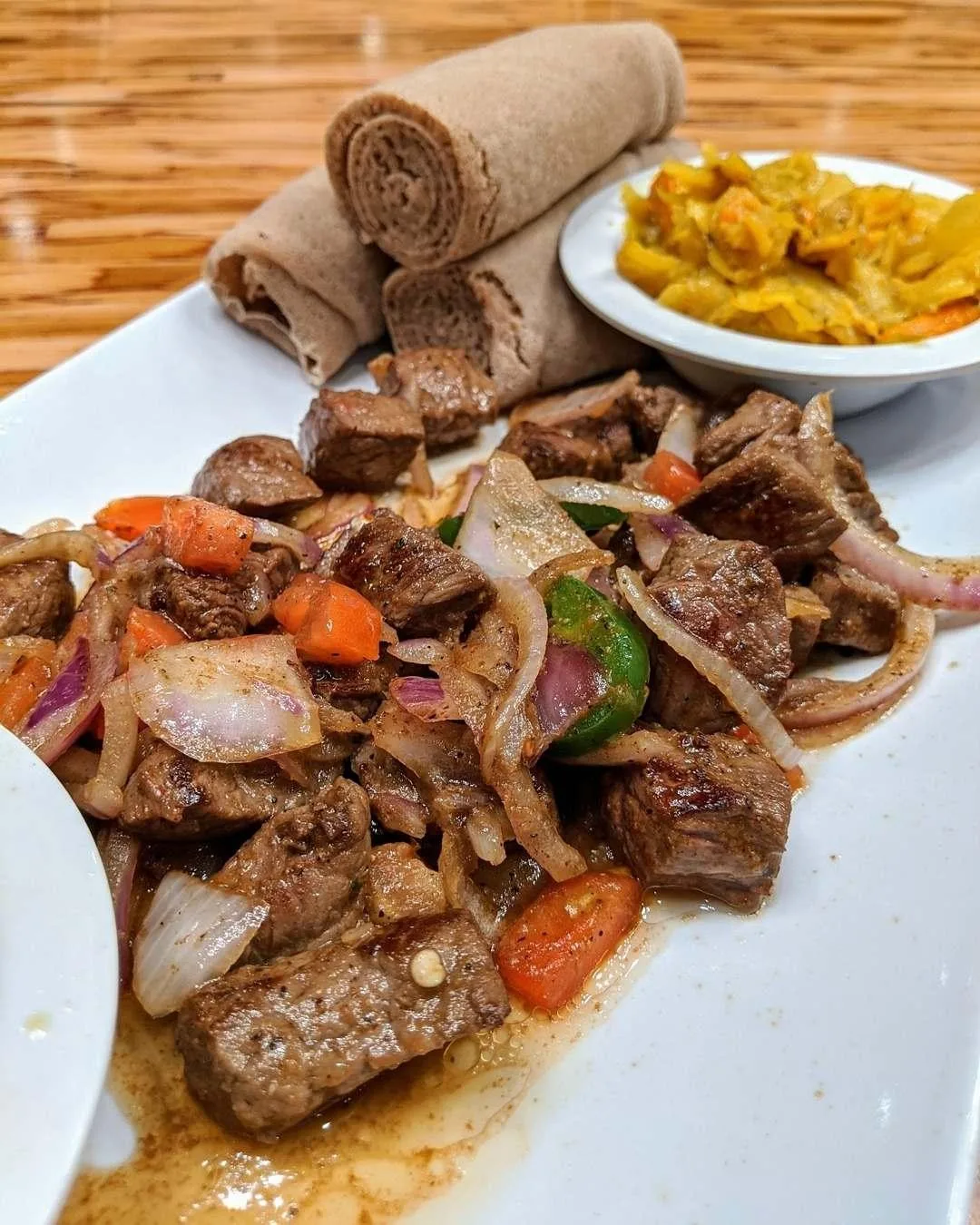
Tibs is a beloved Ethiopian dish made of sautéed meat—usually beef, lamb, or goat—cooked with onions, garlic, peppers, and aromatic spices. Depending on the style, it can be fiery hot or mildly seasoned, but it always bursts with bold flavor. Tibs is often prepared to honor guests or mark special gatherings, symbolizing respect and celebration.
Served atop injera, it blends perfectly with side dishes and sauces. Juicy, flavorful, and versatile, Tibs captures the essence of Ethiopia’s balance between everyday comfort food and festive cuisine.
4. Kitfo
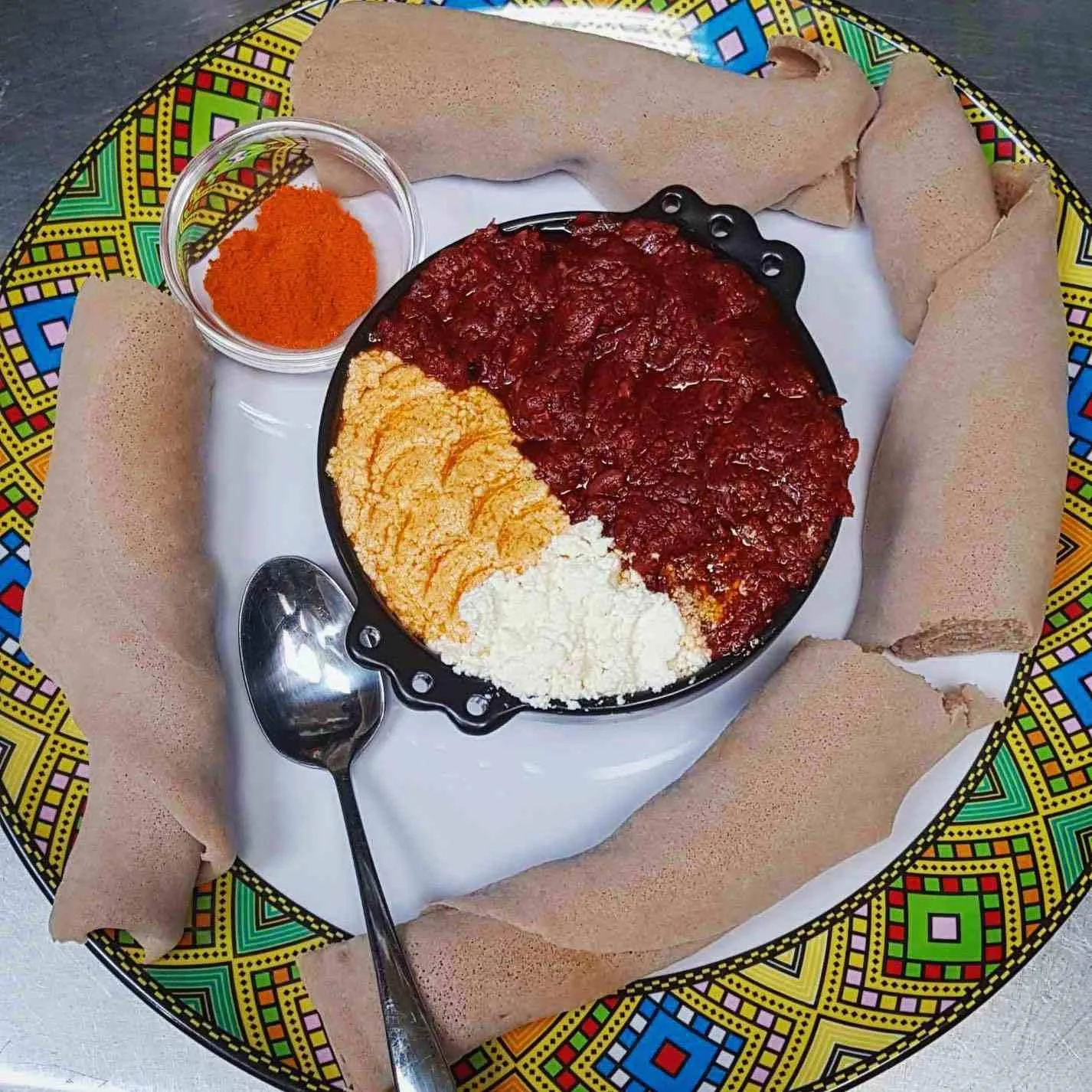
Kitfo is a dish that showcases Ethiopia’s love for bold, unadulterated flavors. Made from freshly minced raw beef, it is seasoned with mitmita, a fiery chili powder, and enriched with niter kibbeh, spiced clarified butter. Sometimes lightly cooked, Kitfo is traditionally served with ayib (a mild cheese) and gomen (collard greens), creating a balanced plate of flavors and textures.
Its silky texture and robust taste make it a delicacy, often enjoyed on festive occasions. Kitfo reflects Ethiopia’s deep respect for freshness and simplicity in cooking.
5. Shiro Wat

Shiro Wat is a hearty, flavorful stew made from powdered chickpeas or broad beans simmered with garlic, onions, tomatoes, and berbere spices. It’s a staple vegetarian dish in Ethiopia, particularly popular during fasting seasons when meat and dairy are avoided. Smooth, creamy, and rich in protein, Shiro Wat is typically served over injera, offering a comforting and satisfying meal.
Loved for both its simplicity and depth of flavor, this dish is a testament to how humble ingredients can create something incredibly nourishing and delicious.
6. Misir Wat
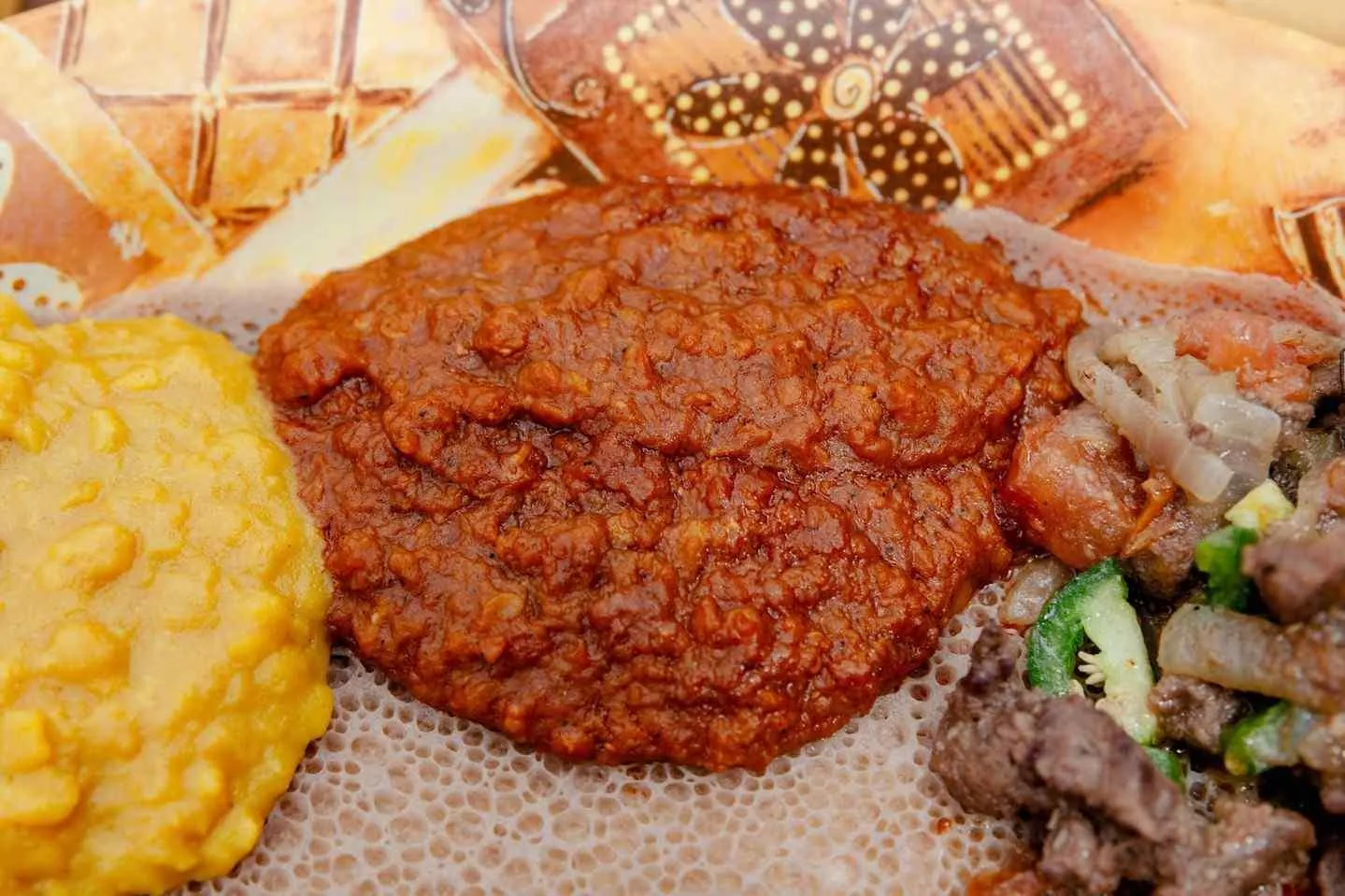
Misir Wat is a deeply spiced red lentil stew that’s a cornerstone of Ethiopia’s vegetarian cuisine. Cooked with onions, garlic, tomatoes, and generous amounts of berbere spice, it develops a rich, savory, and slightly fiery flavor. Its velvety texture makes it a perfect partner for injera, soaking into the bread with each bite.
Misir Wat is particularly common during fasting periods but is enjoyed year-round for its hearty comfort and nutrition. This dish highlights how Ethiopian cooking turns humble legumes into vibrant, soul-warming meals.
7. Genfo
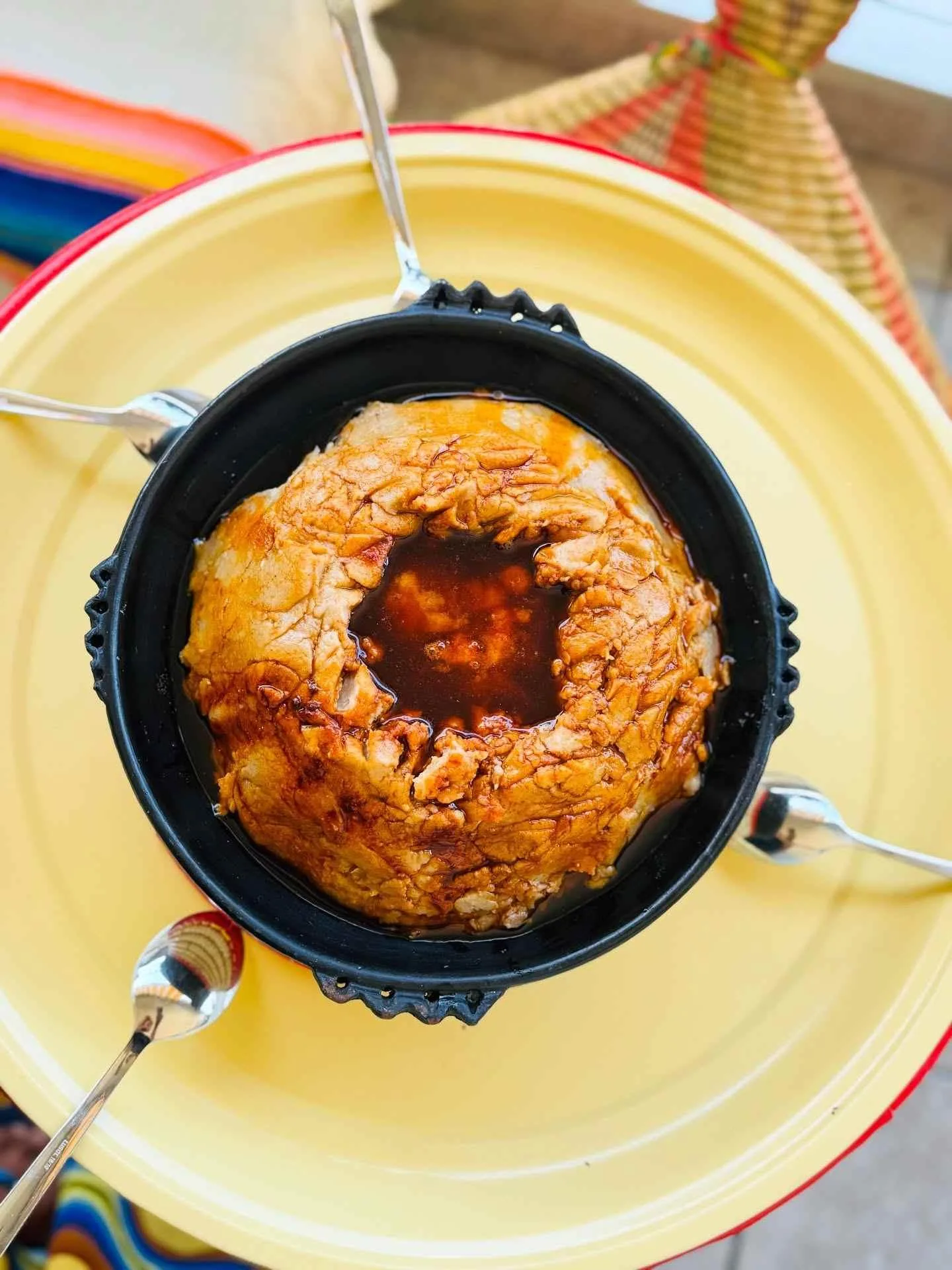
Genfo is a traditional Ethiopian porridge often eaten for breakfast or during fasting periods. Made from barley or wheat flour, it’s cooked into a thick, smooth consistency, then shaped into a mound with a well in the center. The hollow is filled with niter kibbeh and spiced berbere sauce, creating a rich and satisfying flavor contrast.
Genfo is hearty, filling, and nourishing, making it a comfort food passed down through generations. More than just a meal, it reflects Ethiopia’s traditions of simplicity and wholesomeness.
8. Berbere
Berbere is not a dish but the essential spice blend that defines Ethiopian cooking. Made from a mix of chili peppers, garlic, ginger, fenugreek, cardamom, and other aromatic spices, it delivers a fiery, complex depth to stews, meats, and legumes. Its bold red color and layered flavors are instantly recognizable, forming the backbone of dishes like Doro Wat and Misir Wat.
Berbere embodies Ethiopia’s love for spice and intensity, transforming simple ingredients into unforgettable meals. Without berbere, Ethiopian cuisine simply wouldn’t taste the same.
9. Chechebsa
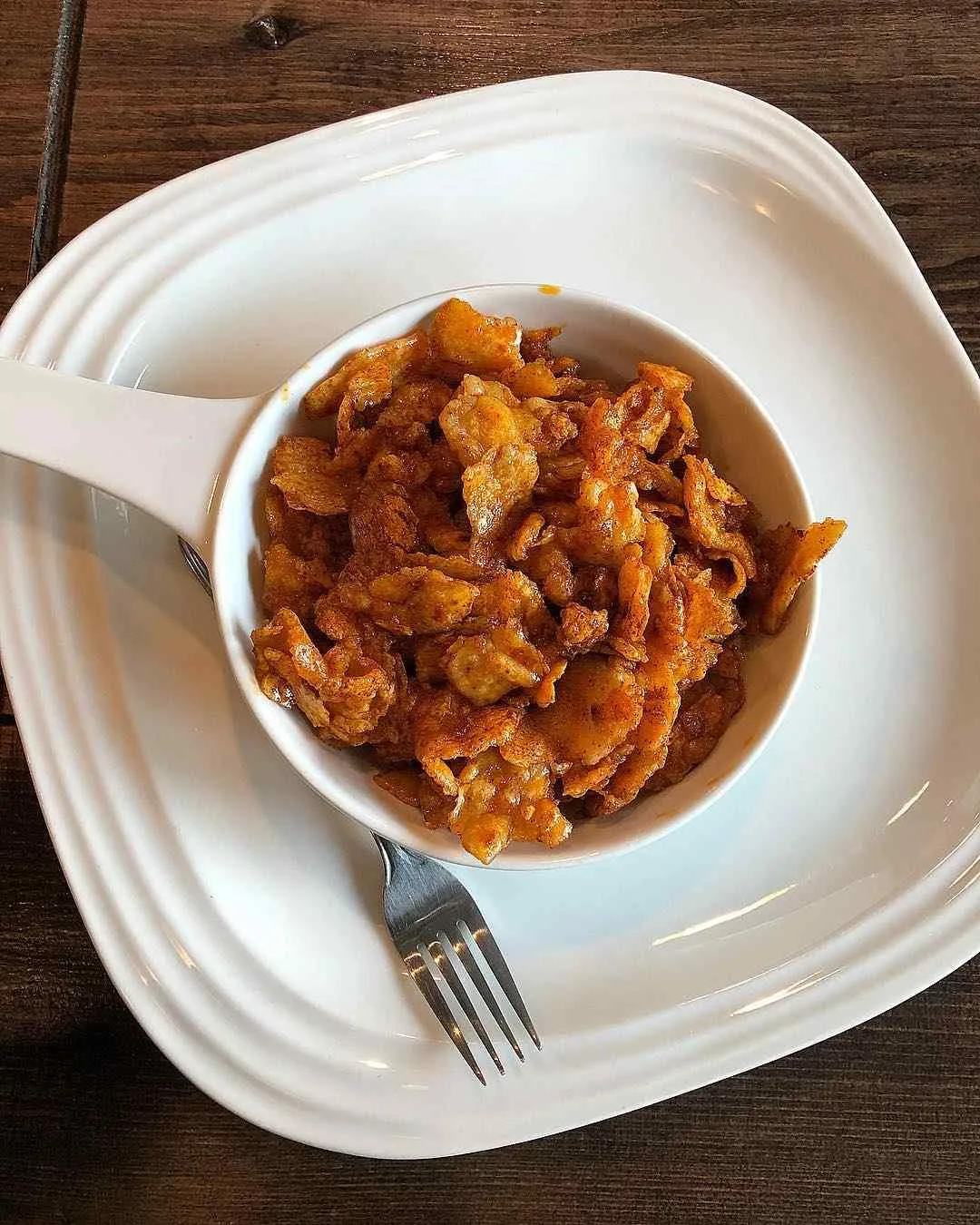
Chechebsa, also called Kita Firfir, is a beloved Ethiopian breakfast dish made from shredded flatbread sautéed with spiced butter and berbere. The bread absorbs the buttery, spicy mixture, creating a flavorful, slightly crispy, and filling meal. Sometimes honey is drizzled on top, blending savory with a touch of sweetness.
Chechebsa is traditionally eaten in the morning with a cup of strong Ethiopian coffee, making it a satisfying and energizing start to the day. Its bold flavors and comforting textures capture the essence of Ethiopian mornings.
10. Beyaynetu
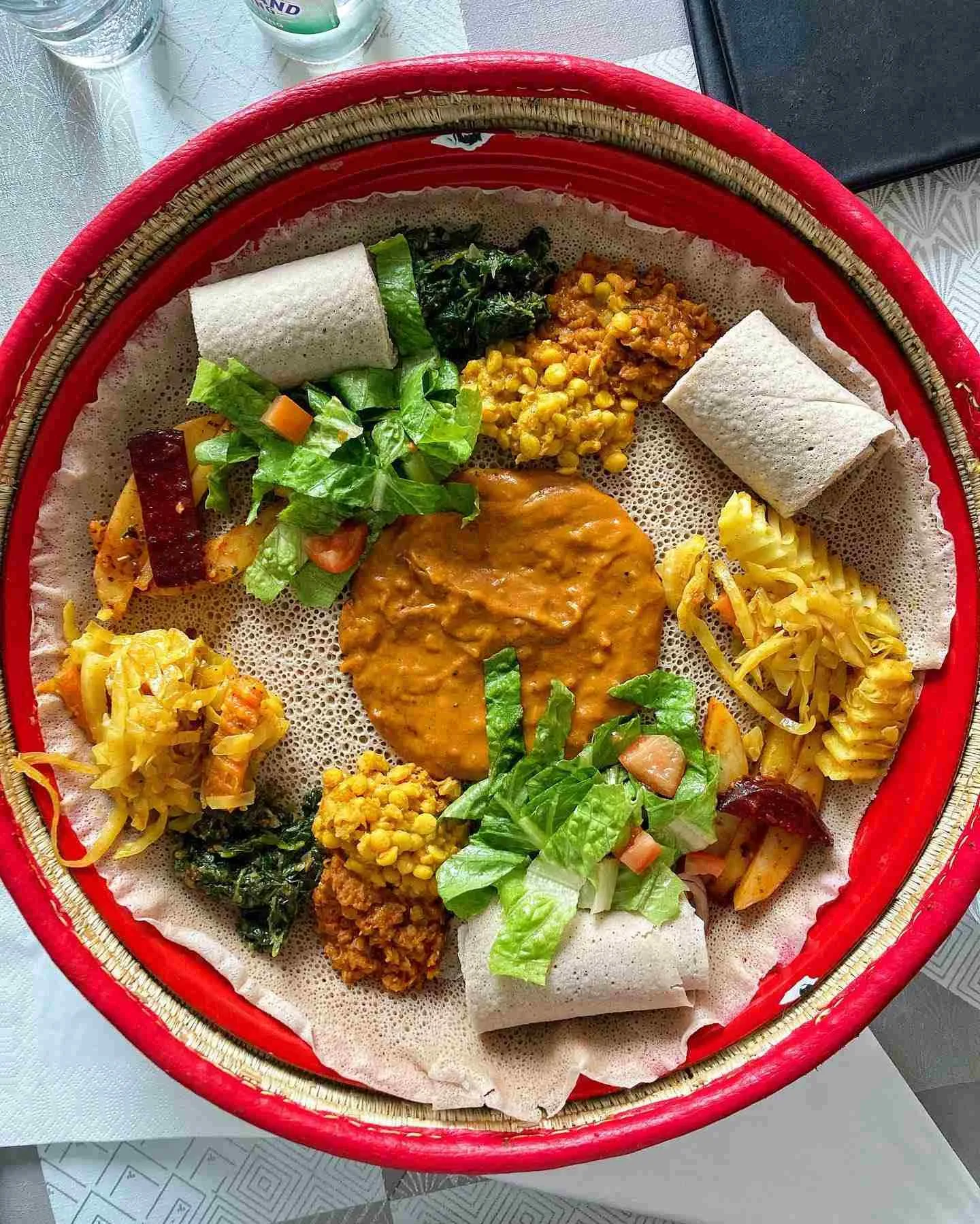
Beyaynetu is a vibrant vegetarian platter that beautifully showcases the diversity of Ethiopian cuisine. It features a variety of stews and sautéed vegetables—such as Shiro Wat, Misir Wat, lentils, greens, and spiced chickpeas—all arranged on top of injera. Colorful, flavorful, and communal, Beyaynetu is especially popular during fasting periods, though it’s enjoyed year-round.
It’s a perfect way to sample multiple flavors and textures in one meal. Sharing Beyaynetu reflects the Ethiopian tradition of community, generosity, and the joy of eating together.
Conclusion: Ready to Try It?
So there you have it—your guide to traditional Ethiopian food. From tangy injera to fiery doro wat, from crunchy sambusas to the slow, soul-soothing coffee ceremony, this cuisine is as rich in flavor as it is in culture.
My advice? Don’t just read about it—experience it. Visit an Ethiopian restaurant, cook a wat at home, or (if you’re lucky) plan that dream trip to Addis Ababa.
And when you’re sitting around a platter, tearing off pieces of injera, and sharing bites with friends, you’ll realize what makes Ethiopian food so unforgettable.
Because in the end, it’s not just about eating—it’s about connecting, celebrating, and enjoying life one bite at a time. And hey, when someone offers you a gursha, say yes—you’ll thank me later 😉.