
Traditional South African Food: 10 Delicious Dishes You Can’t Miss
So, you’re wondering about traditional South African food and what makes it so special, right? Let me tell you—you’re in for a feast of bold flavors, fascinating history, and dishes that feel like a warm hug. South African cuisine is often called the “Rainbow Nation’s food” because it’s a mix of indigenous flavors, colonial influences, and immigrant traditions.
When I first got into South African cuisine, I thought it was just about braai (barbecue) and maybe some biltong. But wow, I was wrong. Every dish tells a story—some are comforting family staples, others are festive meals you’ll never forget. And honestly? Once you dive in, it’s hard not to fall in love with this food culture.
So, let’s chat like friends at a kitchen table, and I’ll walk you through the most iconic dishes, snacks, and drinks. Ready to taste the soul of South Africa?
1. Bobotie

Bobotie is often called the national dish of South Africa, combining sweet and savory flavors in a comforting baked casserole. It typically features spiced minced meat mixed with onions, dried fruit, curry powder, and bread soaked in milk, topped with a golden egg custard layer. Served with yellow rice and chutney, Bobotie reflects Cape Malay influences dating back to colonial times.
Its balance of spice, sweetness, and creaminess makes it a unique dish that embodies South Africa’s multicultural heritage and remains a family favorite during gatherings.
2. Bunny Chow

Bunny Chow, often simply called “Bunny,” is one of Durban’s most iconic street foods that has spread across South Africa. This hearty dish consists of a hollowed-out loaf of white bread filled with rich, flavorful curry, often made with chicken, lamb, or beans. It originated within the Indian community of Durban during apartheid as a practical, portable meal.
Today, Bunny Chow is loved for its bold flavors and satisfying nature, symbolizing South Africa’s fusion of cultures and culinary creativity while remaining a favorite among locals and travelers alike.
3. Chakalaka and Pap

Chakalaka and Pap is a staple pairing in South African homes and at braais (barbecues). Pap is a stiff maize porridge, similar to polenta, that serves as the base. Chakalaka is a spicy, colorful vegetable relish usually made with tomatoes, peppers, beans, carrots, and lots of chili. Together, they create a balance of comforting texture and fiery flavor.
This combination highlights resourcefulness in South African cooking, turning humble ingredients into bold dishes. Often eaten with grilled meats, it represents community, tradition, and shared meals across generations and backgrounds.
4. Boerewors

Boerewors, literally meaning “farmer’s sausage,” is a South African classic beloved at braais and family gatherings. Made from a mixture of beef, pork, and spices like coriander, nutmeg, and cloves, this sausage is coiled into a spiral and grilled over open flames. Its smoky, juicy flavor makes it a centerpiece of outdoor cooking.
Boerewors is more than just food; it reflects tradition, pride, and hospitality. Passed down through generations, recipes vary, but the essence remains the same—a dish that brings people together around fire, food, and conversation.
5. Vetkoek

Vetkoek, meaning “fat cake” in Afrikaans, is a deep-fried bread roll with a golden crust and soft, fluffy inside. This versatile snack can be filled with savory mince or enjoyed sweet with syrup, honey, or jam. Popular at markets, schools, and gatherings, vetkoek is affordable, comforting, and deeply nostalgic for many South Africans. Its simplicity hides its cultural significance, representing resourcefulness and warmth in everyday cooking.
Whether eaten hot straight from the fryer or stuffed with flavorful fillings, vetkoek remains a beloved comfort food across the nation.
6. Sosaties

Sosaties are flavorful skewers of marinated meat, usually lamb or chicken, often interspersed with vegetables or dried apricots for a touch of sweetness. Originating from Cape Malay traditions, sosaties are seasoned with a blend of spices, garlic, onions, and curry flavors before being grilled over hot coals. Their sweet-sour balance and tender texture make them a favorite at braais and festive occasions.
Sosaties embody South Africa’s diverse influences, blending local ingredients with cultural traditions, and they showcase how food can bring communities together in celebration and everyday meals alike.
7. Potjiekos

Potjiekos, meaning “small pot food,” is a traditional slow-cooked stew prepared outdoors in a cast-iron pot over coals. This dish layers meat, vegetables, potatoes, and spices without stirring, allowing flavors to develop naturally over hours. Commonly made with beef or lamb, it’s a social meal often cooked during gatherings, where friends and family share stories around the fire. Potjiekos embodies patience, tradition, and community spirit.
More than just stew, it’s an experience, connecting people through shared anticipation of rich aromas and comforting tastes slowly crafted over time.
8. Malva Pudding

Malva Pudding is a rich, sweet dessert with Cape Dutch roots, beloved across South Africa. This baked sponge pudding has a caramelized texture and is soaked in a warm butter-cream sauce, creating a soft, melt-in-the-mouth indulgence. Traditionally served with custard, cream, or ice cream, Malva Pudding is a favorite at Sunday lunches and festive occasions.
Its sweetness, warmth, and comforting richness make it deeply nostalgic for many families. Malva Pudding perfectly represents South Africa’s love of hearty desserts that bring joy and togetherness to the dining table.
9. Biltong and Droëwors
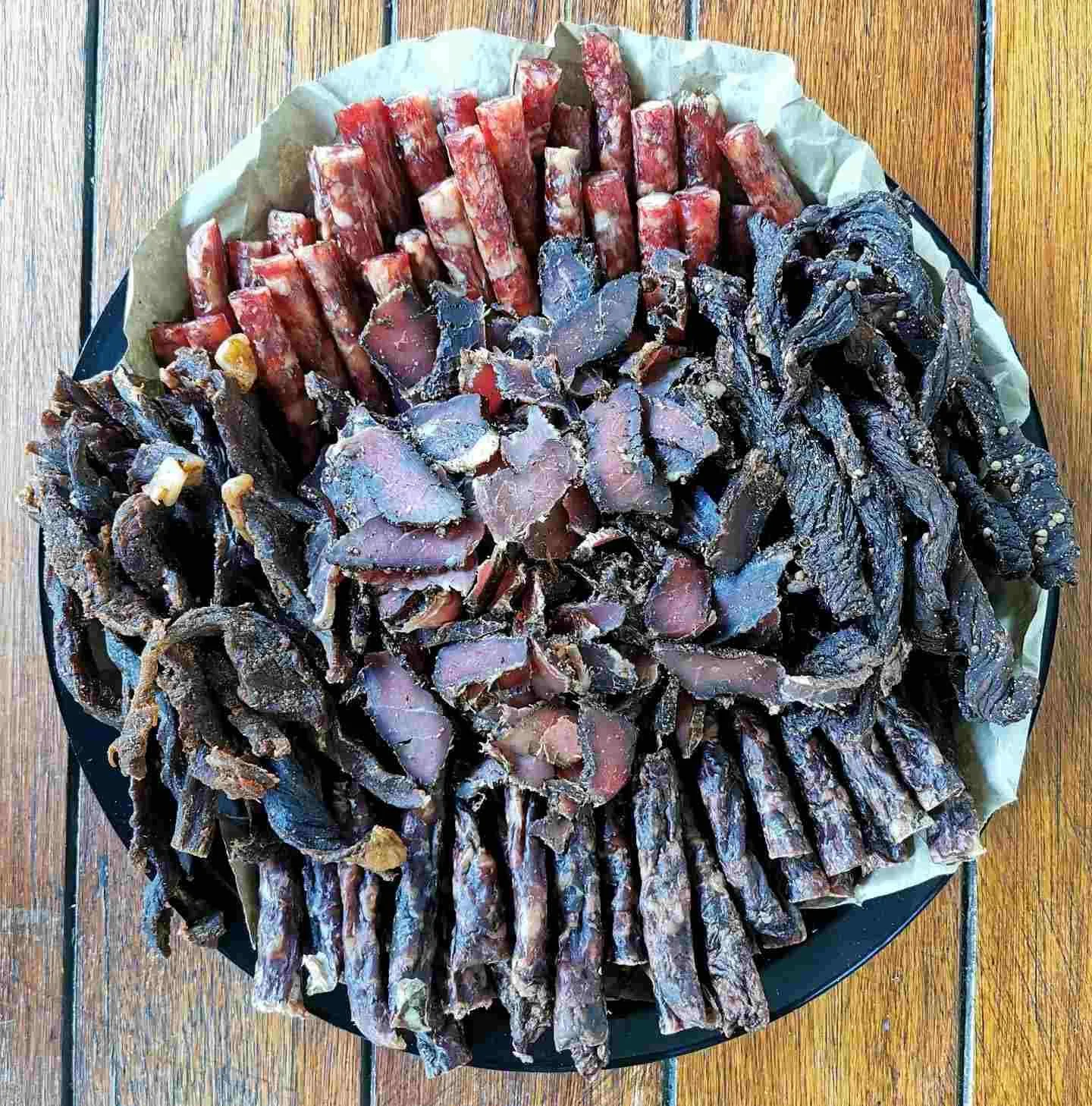
Biltong and Droëwors are quintessential South African snacks, both forms of dried, cured meat enjoyed for centuries. Biltong, usually beef or game, is marinated in vinegar, salt, and spices before air-drying, resulting in a chewy, savory treat. Droëwors, or “dry sausage,” is a spiced beef sausage dried into bite-sized sticks.
These protein-packed snacks originated as a way to preserve meat but today symbolize tradition and pride. They’re perfect for road trips, sports events, or casual snacking, showcasing South Africa’s ingenuity in preserving food while celebrating bold, meaty flavors.
10. Koeksisters

Koeksisters are a beloved South African pastry that combines crispiness and sweetness in every bite. Made by deep-frying plaited dough and then soaking it in cold, sticky syrup, they offer a crunchy exterior with a syrupy, tender inside. There are two variations: the Afrikaans style, syrupy and sticky, and the Cape Malay version, spiced with cinnamon, cardamom, and coconut.
Koeksisters are often enjoyed with tea or served at celebrations, representing warmth, hospitality, and cultural diversity. Their irresistible sweetness makes them a favorite indulgence across the country.
Why Traditional South African Food Stands Out
So, what makes this cuisine so memorable? A few things:
- Diversity: It blends indigenous, colonial, and immigrant flavors.
- Community: Meals like braai or potjiekos bring people togethery.
- Flavor balance: Sweet, spicy, savory, and tangy all show up in one plate.
It’s not just about eating—it’s about celebrating culture.
Conclusion: Hungry Yet?
So, now you know what makes traditional South African food so amazing. From the everyday staple of pap to the smoky joy of a braai, from the sweetness of malva pudding to the crunch of biltong—this cuisine covers all the bases.
The best part? It’s not just food; it’s an experience. Meals bring people together, stories are shared, and every dish carries a piece of history.
If you ever get the chance to taste it, don’t hold back. Try the bobotie, dig into a bunny chow, sip on rooibos tea, and definitely say yes to dessert. Because in South Africa, food isn’t just about filling your stomach—it’s about filling your heart.
And hey, when you finally sit at a braai with a plate full of boerewors and pap, just remember: I told you so.
