
Traditional Brazilian Dishes: 10 Brazil’s Kitchen Viral Eats That Everyone’s Obsessed With
So, you’re curious about traditional Brazilian dishes? Let me tell you—this is one of the most exciting food adventures you can take without even leaving your dining table. Brazilian food is bold, colorful, and full of personality, just like the country itself.
When I first tried Brazilian cuisine, it was at a local festival. The smell of sizzling meat from the churrasco grill, the comforting aroma of black beans simmering in a pot, and the sweet notes of brigadeiro floating through the air—it was overwhelming in the best way. From that day on, I understood: Brazilian food isn’t just food, it’s an experience.
If you’re ready to dive into the flavors, culture, and stories behind Brazil’s most iconic plates, let’s go on this delicious journey together.
1. Feijoada
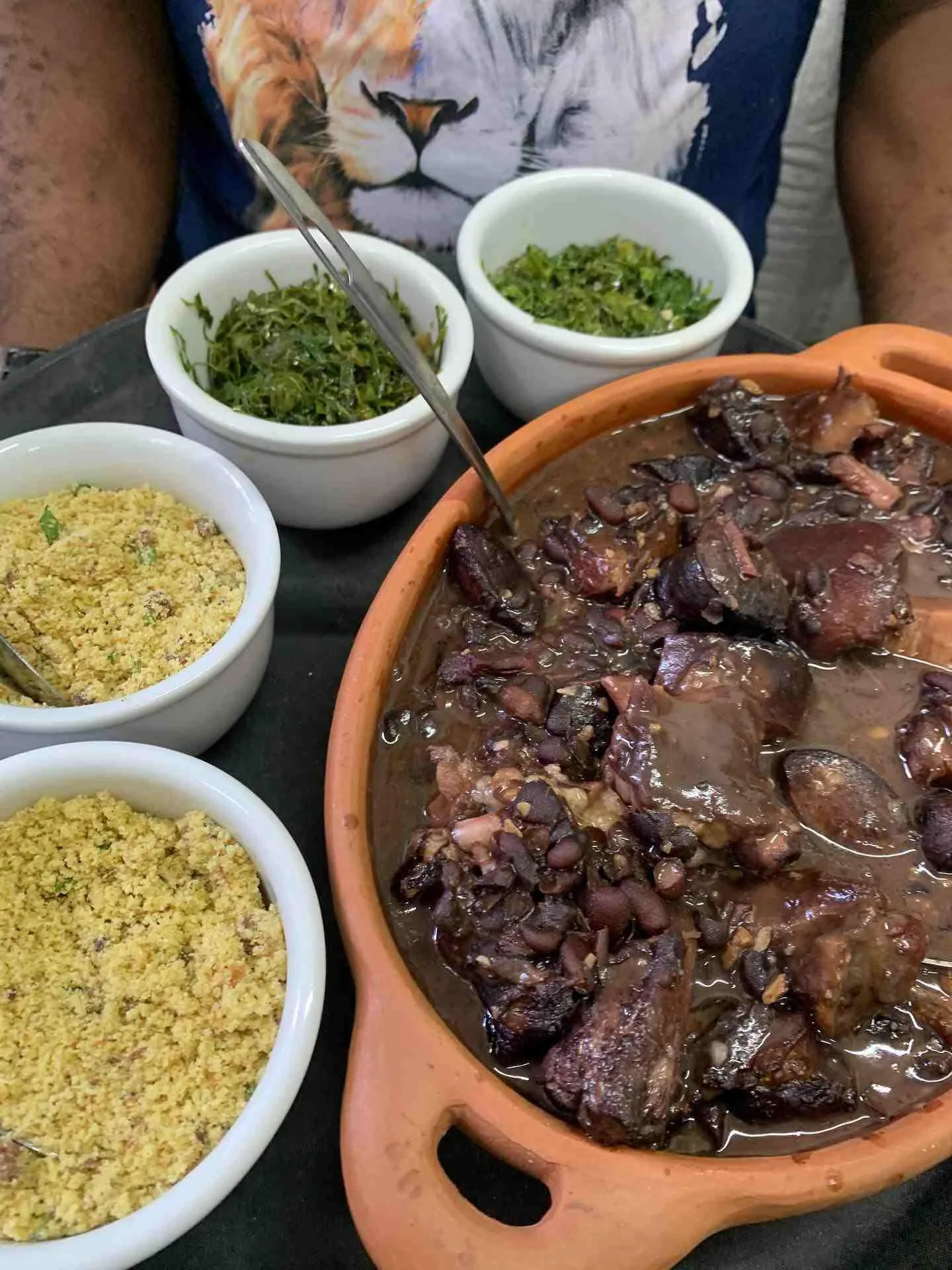
Feijoada is Brazil’s national dish and a hearty stew that captures the country’s rich culinary history. Traditionally made with black beans, pork cuts, and beef, it’s slow-cooked until the flavors meld into a smoky, savory harmony. Served with rice, collard greens, orange slices, and farofa, this dish reflects Brazil’s fusion of European, African, and Indigenous influences.
Originally considered a humble meal, today Feijoada is a symbol of Brazilian identity, often enjoyed during family gatherings and celebrations, bringing people together around a comforting, flavorful pot.
2. Moqueca
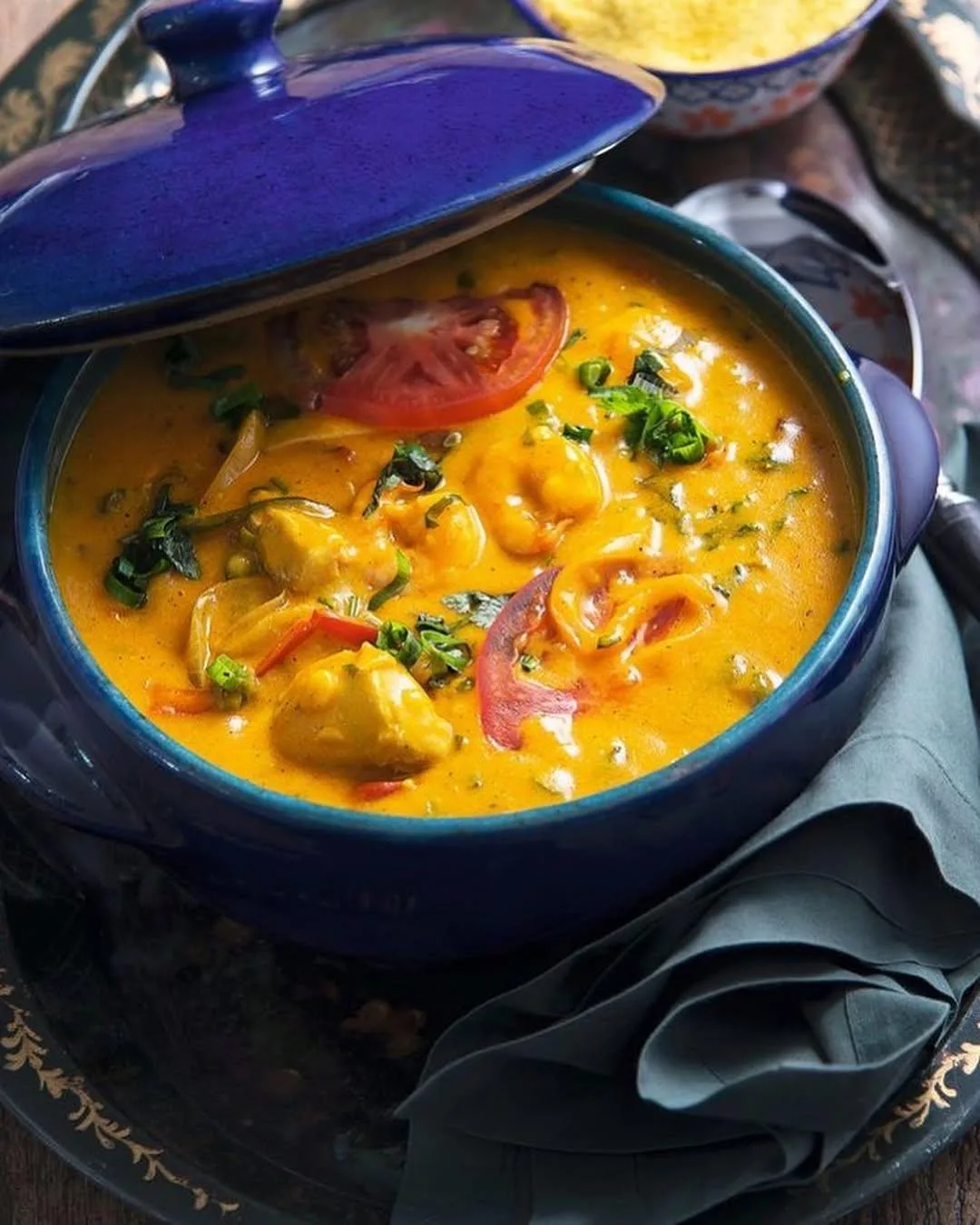
Moqueca is a vibrant seafood stew rooted in Brazil’s coastal traditions, particularly from Bahia and Espírito Santo. It’s made with fresh fish or shrimp simmered in coconut milk, onions, tomatoes, bell peppers, cilantro, and palm oil, creating a fragrant, colorful dish. Slow-cooked in clay pots, Moqueca develops a delicate balance of creamy, tangy, and herbal flavors.
Always served with rice and farofa, it’s more than just food—it’s a cultural experience. Moqueca highlights Brazil’s coastal bounty and the deep African and Indigenous influences that define Brazilian cuisine.
3. Vatapá
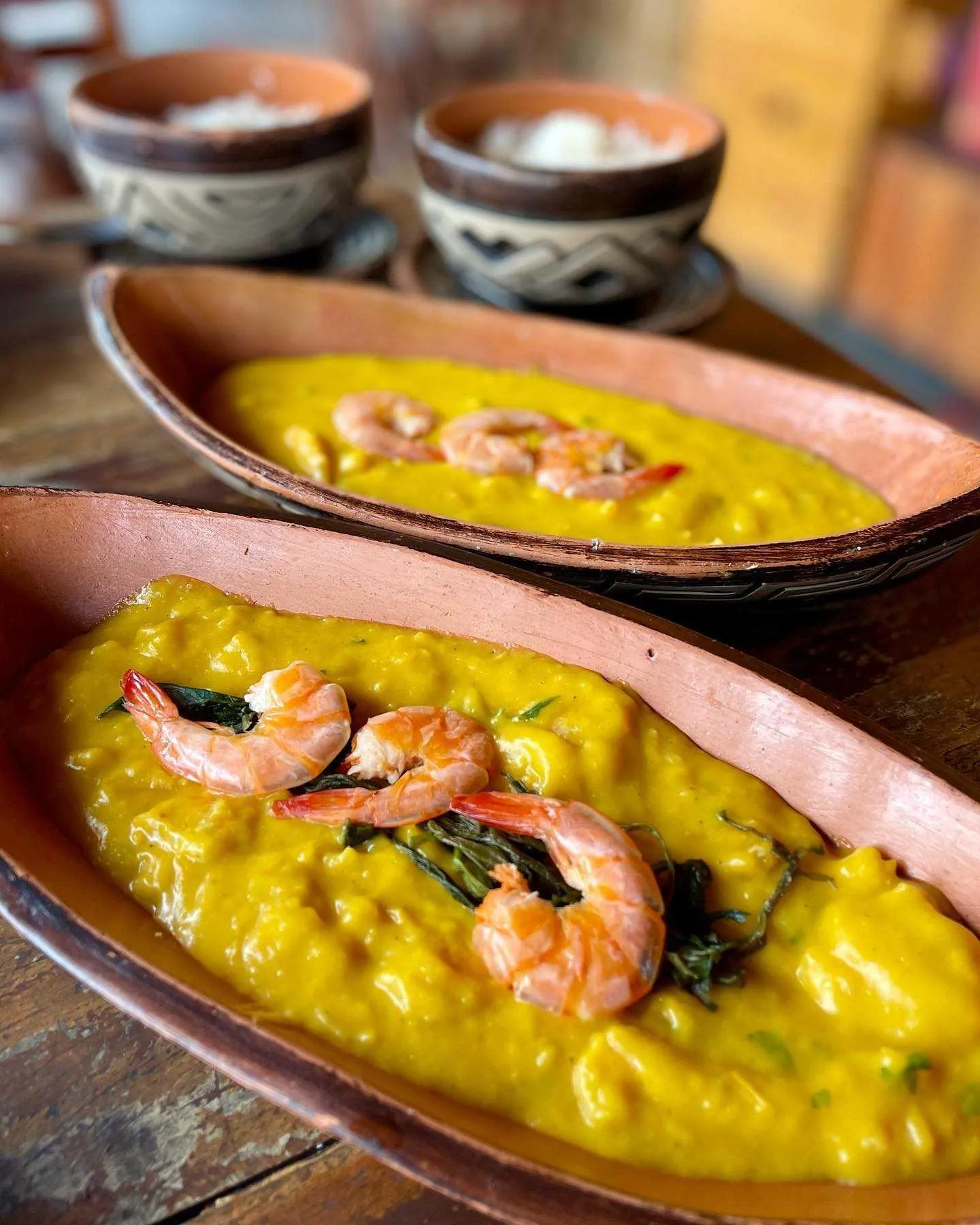
Vatapá is a creamy, savory dish that comes from Bahia’s Afro-Brazilian culinary traditions. Made with bread, ground peanuts, cashews, coconut milk, palm oil, shrimp, and spices, it develops into a rich, nutty, and slightly spicy paste. Often served with rice or used as a filling in acarajé, Vatapá is both versatile and deeply satisfying. Its bold flavors embody the African heritage that heavily shaped Bahian cuisine.
Popular during festivals and family meals, Vatapá is more than nourishment—it’s a celebration of culture, flavor, and community on every plate.
4. Acarajé
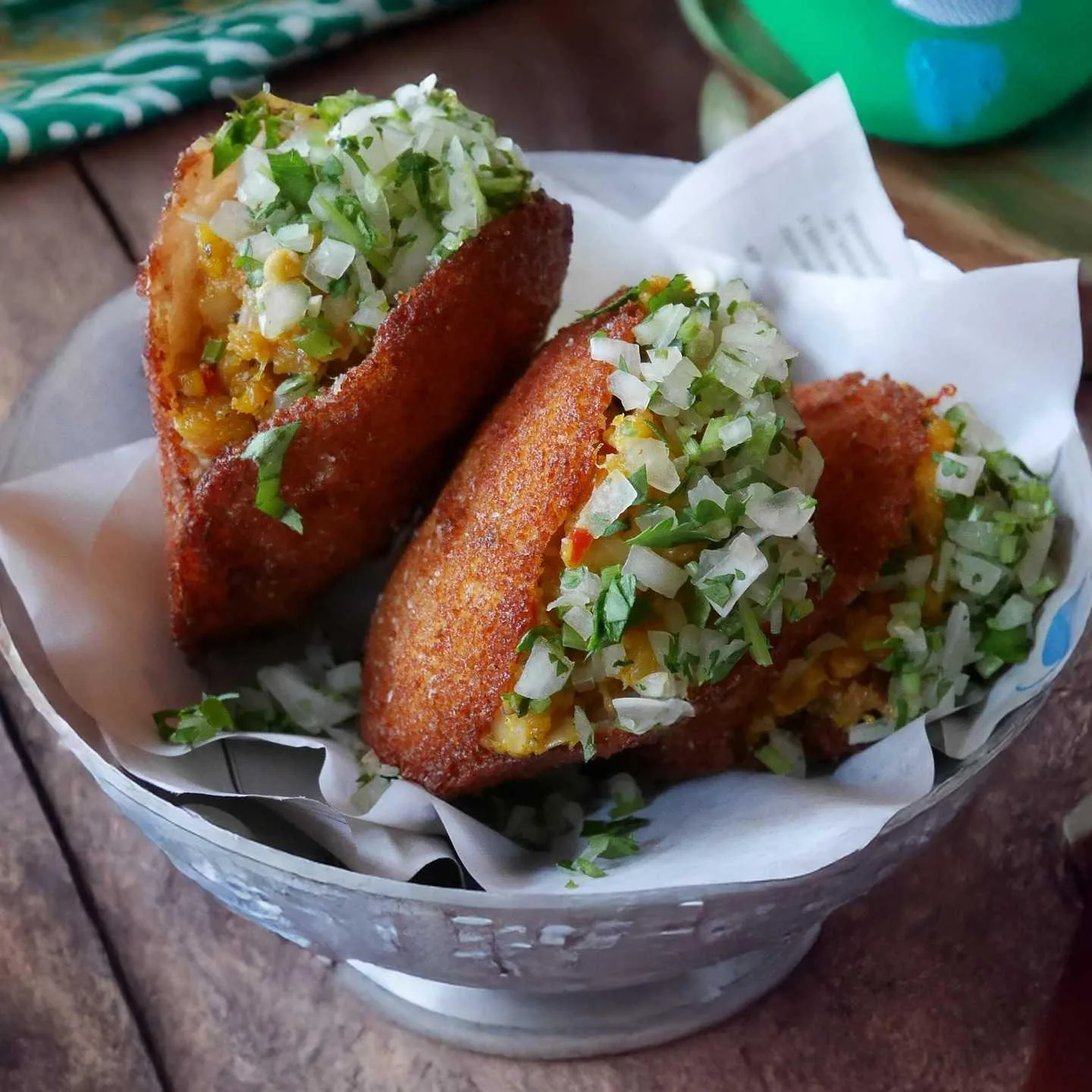
Acarajé is a beloved Bahian street food with roots in West Africa, introduced through Afro-Brazilian traditions. It’s made by deep-frying black-eyed pea fritters in dendê oil, giving them a golden crust and rich flavor. The fritters are then split open and stuffed with spicy vatapá, caruru (okra stew), shrimp, or salad.
Acarajé is especially popular during festivals and is often sold by women known as baianas in traditional dress. More than a snack, it’s a cultural icon symbolizing Bahia’s vibrant street food and African heritage.
5. Pão de Queijo
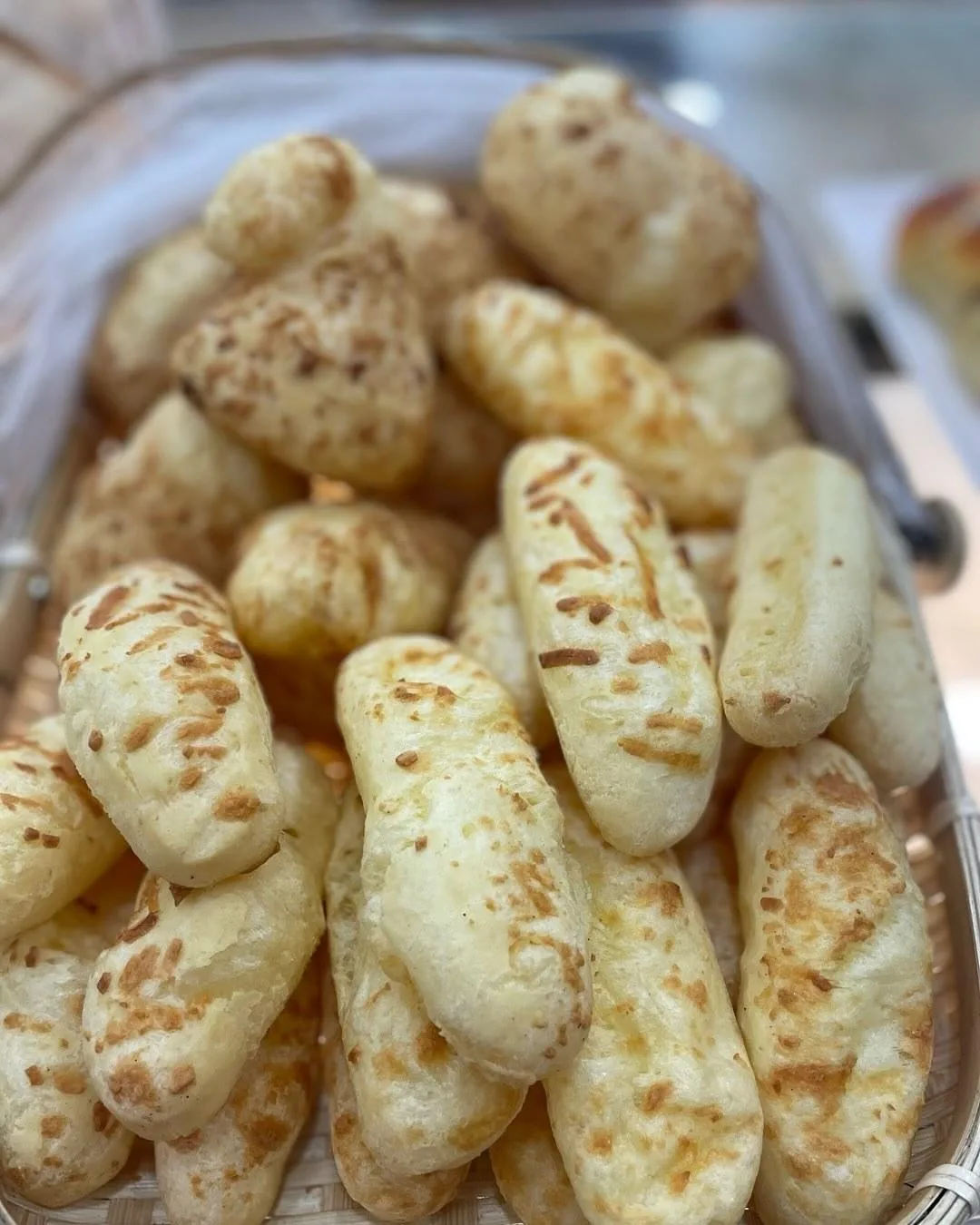
Pão de Queijo, or cheese bread, is one of Brazil’s most beloved snacks. These small, chewy rolls are made with cassava flour and cheese, giving them a naturally gluten-free base and an irresistible texture. Crispy on the outside and soft inside, they’re enjoyed fresh from the oven, often with coffee for breakfast or as an afternoon snack.
Originally from Minas Gerais, Pão de Queijo reflects Brazil’s ingenuity in using local ingredients. Simple yet delicious, these cheese breads are a staple that embodies everyday comfort and hospitality.
6. Farofa
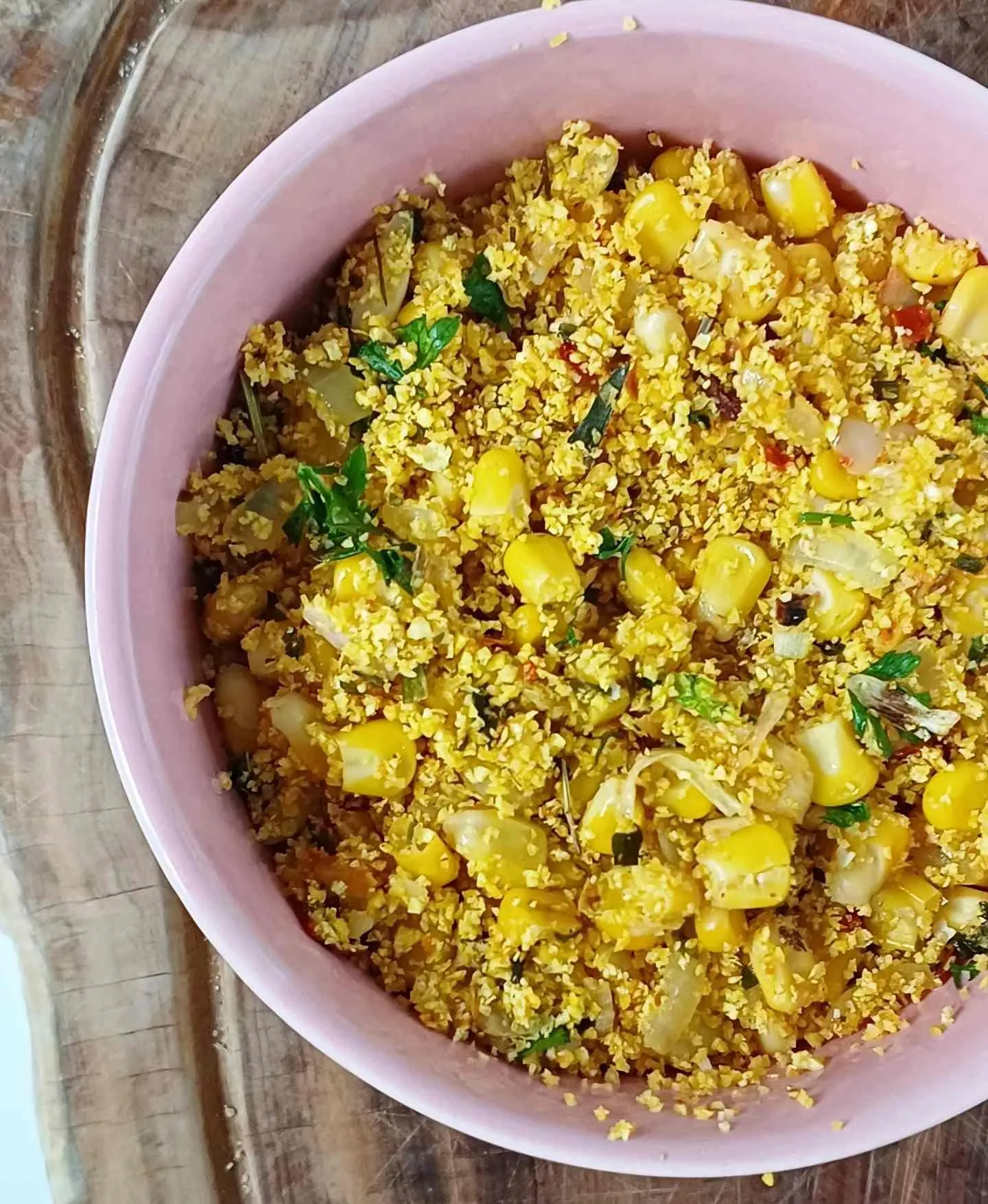
Farofa is a quintessential Brazilian side dish made from toasted cassava flour, often sautéed with butter, onions, garlic, bacon, or herbs. It’s dry, crunchy, and savory, adding both texture and flavor to dishes like feijoada, grilled meats, or stews. Farofa is so versatile that it appears in everyday meals as well as festive feasts.
More than just an accompaniment, it’s a cultural marker of Brazilian dining, symbolizing comfort and tradition. Every family has its own version, but farofa remains essential on the Brazilian table.
7. Tacacá
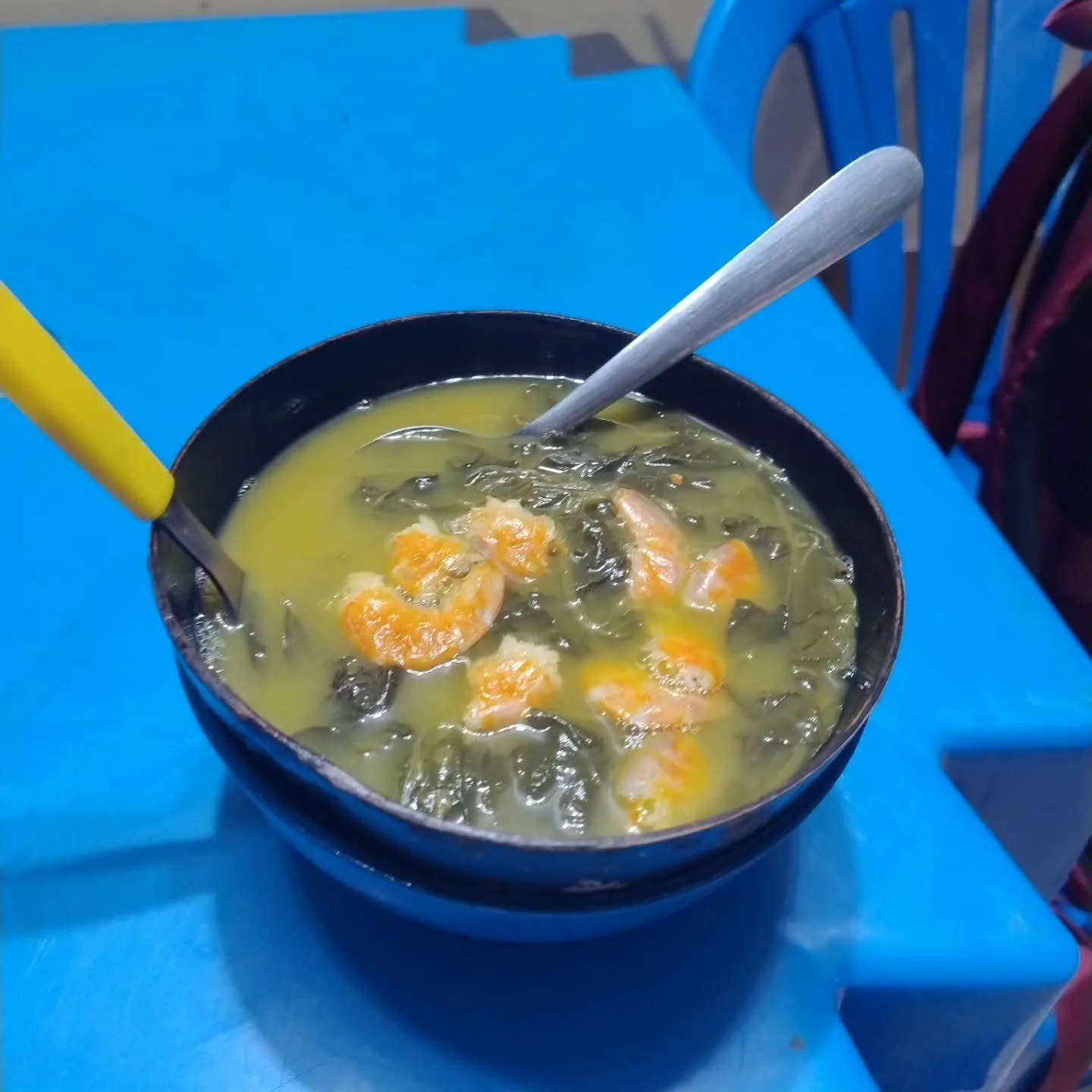
Tacacá is a distinctive soup from northern Brazil, especially popular in the Amazon region. It’s made with jambu leaves (which create a tingling sensation on the tongue), tucupi (a yellow broth extracted from wild manioc root), dried shrimp, and peppers. Served hot in a gourd bowl, Tacacá is both unusual and invigorating, reflecting the biodiversity of the Amazon.
Its bold flavors and unique sensations make it unlike any other Brazilian dish. Tacacá showcases Indigenous culinary traditions and the deep connection between food and environment in Brazil.
8. Arroz com Pequi
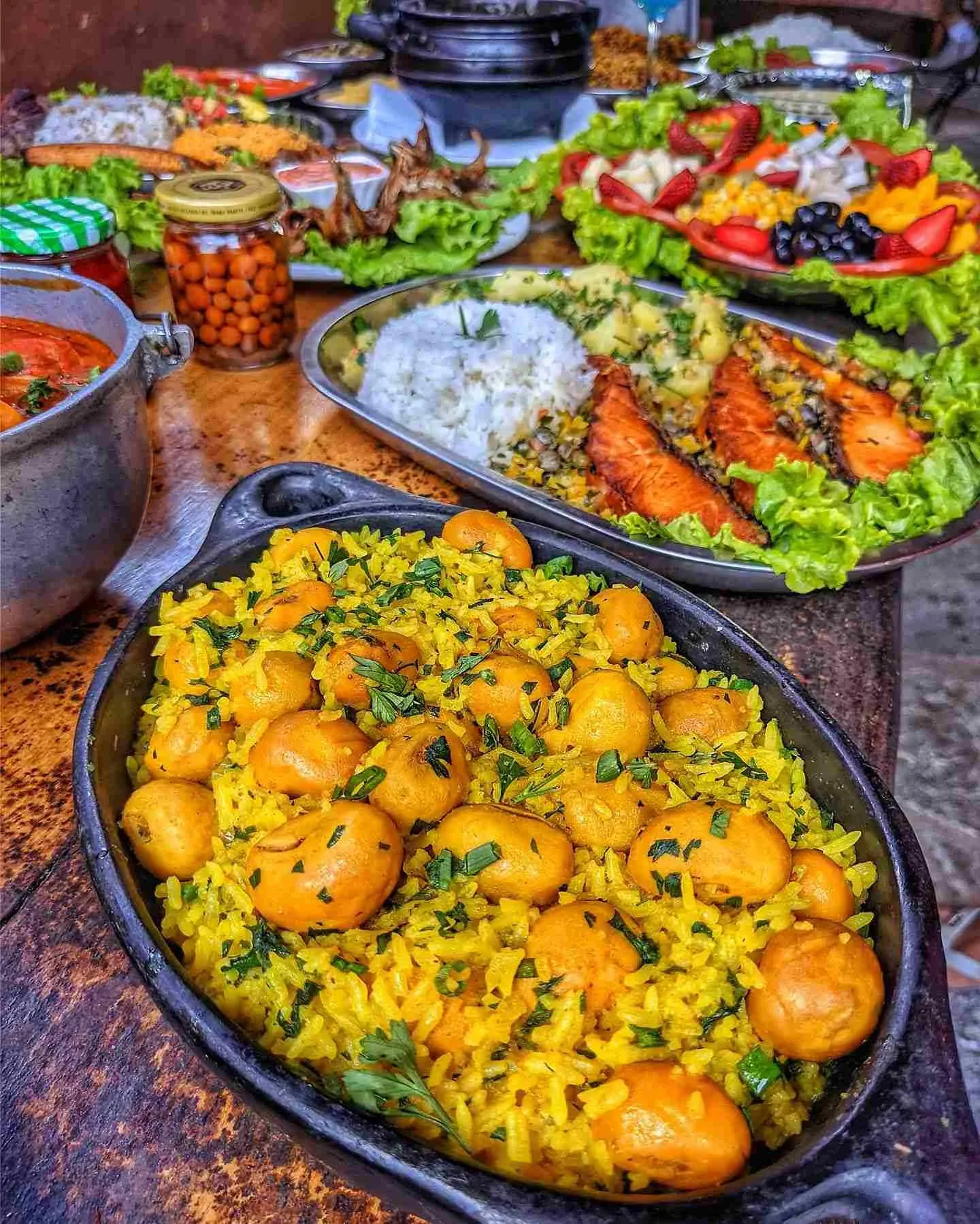
Arroz com Pequi is a traditional dish from Brazil’s central region, particularly Goiás and Minas Gerais. It’s made by cooking rice with pequi, a native fruit with a strong, distinctive aroma and flavor. Loved by locals and considered an acquired taste by visitors, pequi gives the rice a rich, earthy, slightly pungent character.
Often prepared for special gatherings, Arroz com Pequi is a dish that ties people to their land and traditions. It exemplifies Brazil’s regional diversity and the deep importance of local ingredients.
9. Quibebe
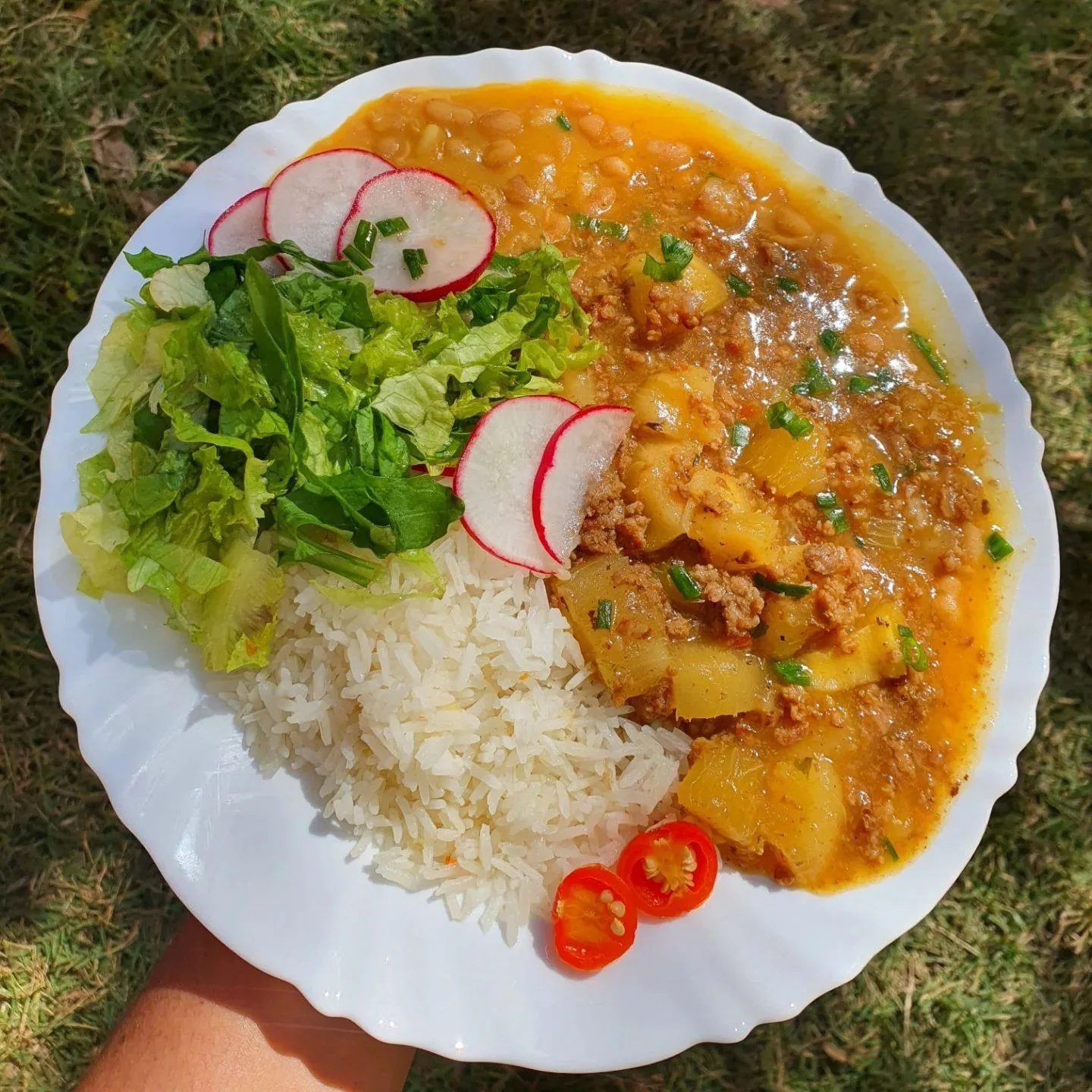
Quibebe is a comforting pumpkin stew that reflects Brazil’s love for hearty, vegetable-based dishes. Made by cooking pumpkin or squash with onions, garlic, butter, and sometimes meat or spices, it develops a creamy texture and mild sweetness. Often served as a side dish with rice, beans, or grilled meats, Quibebe is especially popular in the southern and southeastern regions.
Its simplicity and warmth make it a staple of homestyle Brazilian cooking. Quibebe shows how everyday ingredients can transform into nourishing, flavorful comfort food.
10. Canjica
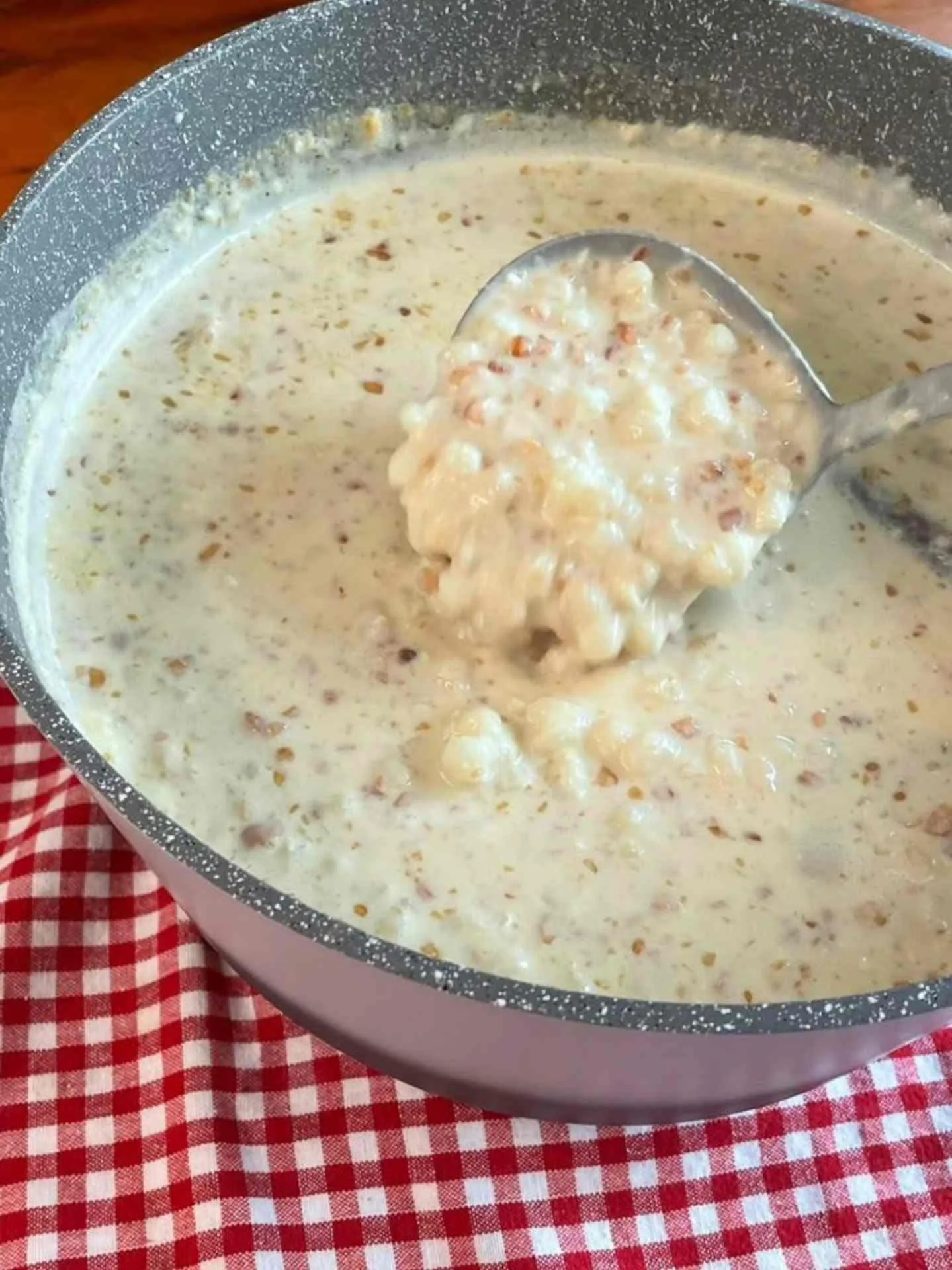
Canjica is a traditional Brazilian dessert commonly enjoyed during Festa Junina, a festival celebrating rural life and harvest. Made from white hominy corn cooked slowly with milk, sugar, cinnamon, cloves, and sometimes coconut or peanuts, it becomes a creamy, sweet pudding. Rich and aromatic, Canjica offers comfort and nostalgia, often reminding Brazilians of family gatherings and celebrations.
Its roots lie in Indigenous corn-based traditions blended with European and African influences. Canjica is more than dessert—it’s a cultural symbol, uniting heritage and festivity in a delicious bowl.
Conclusion: Ready for a Brazilian Feast?
By now, you’ve got a solid idea of what makes traditional Brazilian dishes so special. From the hearty comfort of feijoada to the crispy joy of coxinha, from the smoky churrasco grills to the sweetness of brigadeiros, Brazilian food is all about flavor, tradition, and togetherness.
So here’s my advice: don’t just read about it—try it. Find a Brazilian restaurant, cook a dish at home, or, if you’re lucky, plan that dream trip to Rio or Bahia.
And when you’re sitting with friends, a plate of pão de queijo in one hand and a caipirinha in the other, you’ll know exactly why Brazilians take so much pride in their food.
Because honestly? Food this good deserves a little samba in its honor 😉