
Traditional Austrian Dishes: 10 Comfort Foods Worth Flying to Austria
When you think of Austria, what comes to mind first? Maybe stunning alpine views, imperial palaces in Vienna, or the famous waltzes of Strauss. But here’s the truth: one of Austria’s greatest treasures is its food culture.
Yes, Austria is home to some of the most comforting, elegant, and downright mouthwatering dishes in Europe. From the world-famous Wiener Schnitzel to decadent Sachertorte, Austrian cuisine is a reflection of history, geography, and a true love of flavor.
I still remember my first trip to Vienna. After hours of exploring the Ringstrasse, I sat in a cozy café and ordered a slice of Apfelstrudel with whipped cream. One bite in, and I was hooked—the flaky pastry, warm apple filling, and hint of cinnamon felt like Austria giving me a hug. That’s when I realized that food here isn’t just sustenance; it’s tradition, pride, and artistry served on a plate.
So, if you’ve been wondering what traditional Austrian dishes you need to try (or even cook at home), grab a fork—because we’re about to embark on a delicious journey through Austria’s most iconic flavors.
1. Wiener Schnitzel

Wiener Schnitzel is Austria’s most iconic dish, consisting of a thin, breaded veal cutlet fried until golden and crispy. Traditionally served with potato salad, lingonberry jam, or lemon wedges, it’s both simple and elegant. The crispy coating contrasts beautifully with the tender meat inside, creating a satisfying texture. Recognized internationally, Wiener Schnitzel embodies Austria’s culinary heritage and refinement.
Its origins trace back to Vienna, where it became a staple of both home kitchens and fine dining, symbolizing Austrian comfort food at its best.
2. Tafelspitz

Tafelspitz is a traditional Austrian boiled beef dish, often served with horseradish, apple-horseradish sauce, or creamy spinach. Simmered with root vegetables and spices, the beef becomes tender and flavorful. Typically accompanied by potatoes or bread, Tafelspitz was famously a favorite of Emperor Franz Joseph. The dish reflects Austria’s love for hearty, nourishing meals with refined presentation.
Its clear broth and tender slices of beef highlight culinary precision, making Tafelspitz a symbol of Austrian tradition and elegance in combining simplicity with depth of flavor.
3. Apfelstrudel

Apfelstrudel, or apple strudel, is Austria’s most famous dessert, featuring thin layers of flaky pastry filled with spiced apples, raisins, sugar, and cinnamon. Often dusted with powdered sugar and served warm with whipped cream or vanilla sauce, it’s both sweet and comforting. Originating from the Austro-Hungarian Empire, Apfelstrudel showcases pastry craftsmanship, with paper-thin dough rolled into delicate layers.
This dessert embodies Austria’s baking tradition, offering a perfect balance of tart fruit, sweet spice, and crisp pastry, making it an iconic treat beloved worldwide.
4. Kaiserschmarrn

Kaiserschmarrn is a fluffy, shredded pancake dessert, lightly caramelized and served with powdered sugar, fruit compote, or jam. Its name means “Emperor’s Mess,” as it was favored by Emperor Franz Joseph I. The dish is airy, sweet, and slightly crispy on the edges, making it indulgent yet comforting.
Often eaten as a dessert or even a light meal, Kaiserschmarrn represents Austria’s culinary creativity in elevating simple ingredients. Its texture, flavor, and charm make it a staple in Austrian homes and alpine eateries alike.
5. Sachertorte

Sachertorte is Austria’s iconic chocolate cake, invented in Vienna in 1832. It features dense chocolate sponge layers filled with apricot jam and covered in a glossy chocolate glaze. Typically served with unsweetened whipped cream, it’s rich, elegant, and perfectly balanced. Sachertorte reflects Austria’s world-class pastry tradition and its historic coffeehouse culture, where it’s often enjoyed.
Known globally, it symbolizes Viennese sophistication and culinary artistry. Its combination of smooth chocolate, subtle fruitiness, and luxurious texture makes it one of Austria’s most celebrated desserts.
6. Knödel

Knödel are Austrian dumplings made from bread, potatoes, or semolina, often served as a side dish to meats, gravies, or stews. They can also be filled with bacon, plums, or other ingredients, offering both savory and sweet variations. Firm yet tender, Knödel absorbs flavors beautifully, making them versatile and comforting.
As a staple in Austrian cuisine, they reflect resourcefulness and tradition, transforming basic ingredients into hearty accompaniments. Knödel showcases the heart of Austrian cooking, blending simplicity, versatility, and warmth in every serving.
7. Gulasch (Austrian-style)

Austrian-style Gulasch is a thick, paprika-spiced stew, usually made with beef, onions, and potatoes. It differs from Hungarian versions by being less spicy and more richly sauced. Often served with bread rolls or dumplings, it’s hearty, flavorful, and warming. Popular in taverns and homes alike, Gulasch reflects Austria’s central European culinary influences while maintaining its unique style.
Its deep, savory flavor makes it a comforting dish, perfect for cold weather. Austrian Gulasch embodies tradition, showcasing the country’s love for robust, satisfying meals.
8. Backhendl
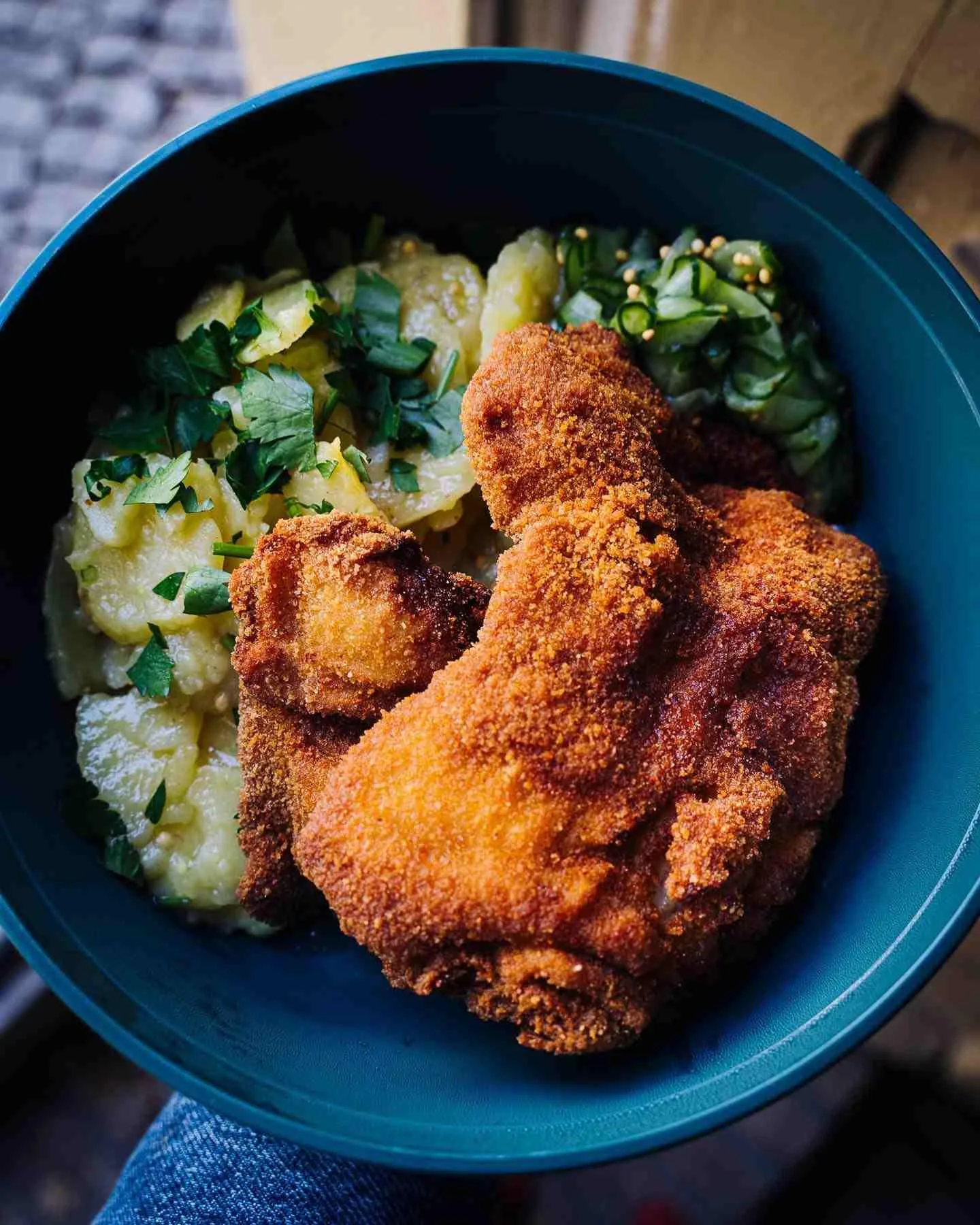
Backhendl is a traditional Austrian fried chicken dish, seasoned, breaded, and fried to golden perfection. Served with potato salad or lemon wedges, it’s crispy, flavorful, and satisfying. Dating back to the 18th century, it was once considered a luxurious Viennese specialty. Today, Backhendl is enjoyed across Austria, representing a balance of simplicity and indulgence.
Its tender chicken encased in a crunchy coating exemplifies Austrian culinary skill. Backhendl highlights the nation’s tradition of turning humble ingredients into elegant, timeless, and universally loved dishes.
9. Frittatensuppe

Frittatensuppe is a classic Austrian starter soup made with clear beef broth and thin strips of pancake (frittaten). Light yet flavorful, it’s comforting and elegant. The dish reflects Austria’s knack for turning simple ingredients into refined, satisfying fare. Often served at family meals and festive occasions, Frittatensuppe is especially popular in Viennese households.
Its warmth and clarity make it a beloved introduction to heavier dishes, showcasing Austrian culinary traditions of balance, subtlety, and attention to detail in creating everyday comfort foods.
10. Marillenknödel

Marillenknödel are Austrian apricot dumplings, made with potato or quark dough wrapped around whole apricots, then boiled and rolled in buttery breadcrumbs. Served with powdered sugar, they are sweet, soft, and slightly tart. This dessert highlights Austria’s love for fruit-based treats, especially apricots from the Wachau Valley. Marillenknödel represents seasonal cooking, combining fresh produce with traditional dough-making techniques.
Their juicy, tender filling and delicate exterior create a delightful contrast, making them a favorite summer dessert that embodies Austria’s sweet, comforting, and traditional flavors.
Unique Features of Traditional Austrian Dishes
- Fusion of influences: Austrian cuisine blends Hungarian, Czech, Italian, and Bavarian traditions.
- Hearty yet refined: Meals balance rich flavors with elegant presentation.
- Sweet and savory balance: Austria excels in both hearty mains and world-class desserts.
- Hospitality and tradition: Food is meant to be shared, enjoyed slowly, and celebrated.
Conclusion: Taste Austria One Bite at a Time
So, why dive into the world of traditional Austrian dishes? Because every bite tells a story. From the crisp perfection of Wiener Schnitzel to the sweet comfort of Kaiserschmarrn, Austrian cuisine offers a blend of history, culture, and heartwarming flavors. These dishes are not just meals; they’re experiences—ones that connect you to Austria’s heritage and hospitality.
Whether you’re savoring Sachertorte in a Viennese café, enjoying gulasch in a rustic tavern, or cooking knödel at home, Austrian food has a way of making every moment special. So, go ahead—grab your fork and take your taste buds on an unforgettable Austrian adventure!