What to Eat in Chiang Mai: 10 Lowkey Dishes of Northern Thai Flavors You’ll Love Forever
So, you’re planning a trip up north and asking yourself: what to eat in Chiang Mai? Great question, my friend. While Bangkok might get all the fame for street food, Chiang Mai has a culinary soul of its own.
The flavors here are richer, earthier, and deeply tied to centuries of Lanna culture. Honestly, I’ll say it right now: Chiang Mai is one of the best foodie cities in all of Thailand.
When I first visited, I thought I was just going for the temples and mountain views. But spoiler alert—the food completely stole the show.
From slurping down bowls of creamy curry noodles to munching on smoky sausages at the night bazaar, Chiang Mai had me hooked. And the best part? It’s not just about eating—it’s about experiencing culture through every dish.
If you’re curious about what to try, where to find it, and how not to miss the absolute gems, you’re in the right place. Grab your appetite—we’re about to eat our way through Chiang Mai together.
1. Khao Soi
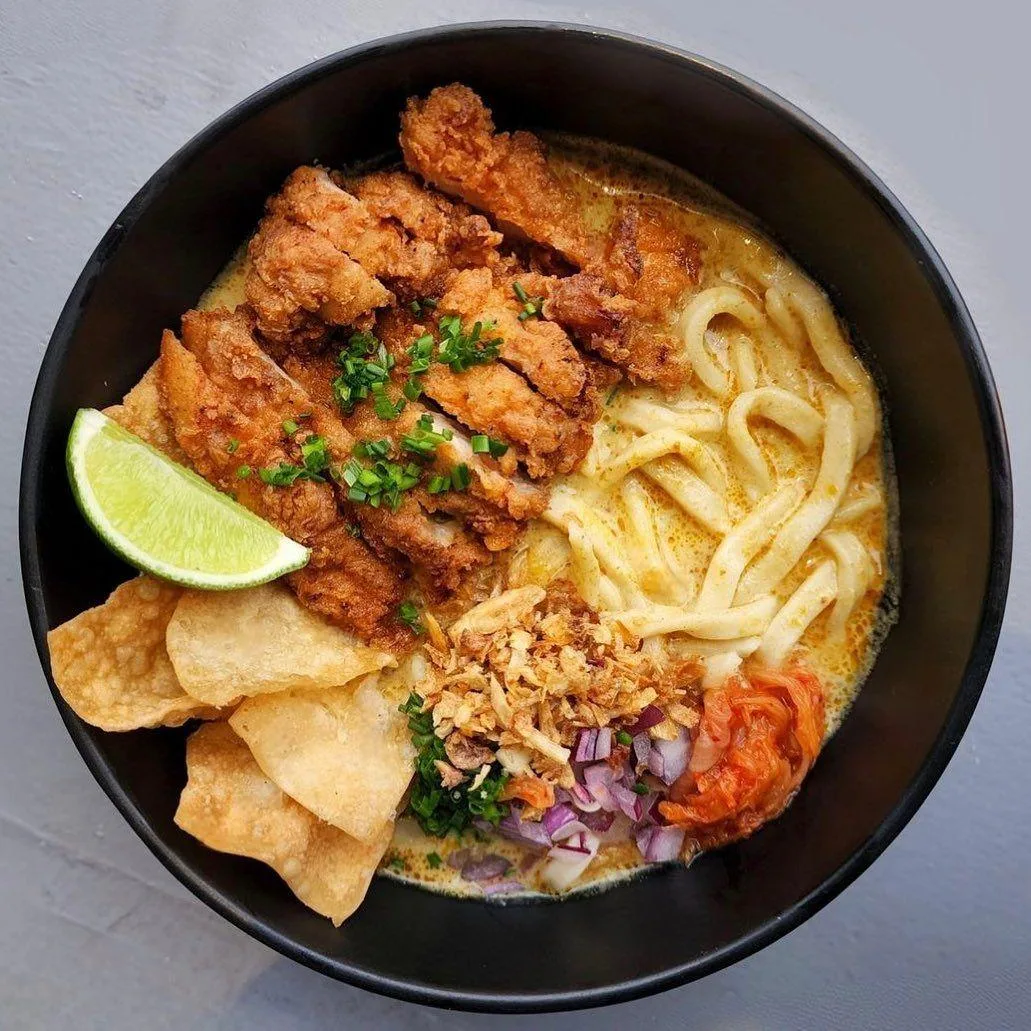
Khao soi is Chiang Mai’s most famous dish—a fragrant curry noodle soup that’s both rich and comforting.
Egg noodles are served in a creamy coconut curry broth, topped with tender chicken or beef, crispy fried noodles, pickled mustard greens, shallots, lime, and chili oil. The balance of textures—crunchy, chewy, and silky—makes it irresistible.
Spicy, tangy, and slightly sweet, khao soi embodies northern Thai cuisine at its best. Found everywhere from street stalls to restaurants, it’s the one dish you simply can’t leave Chiang Mai without trying.
2. Sai Oua (Northern Thai Sausage)
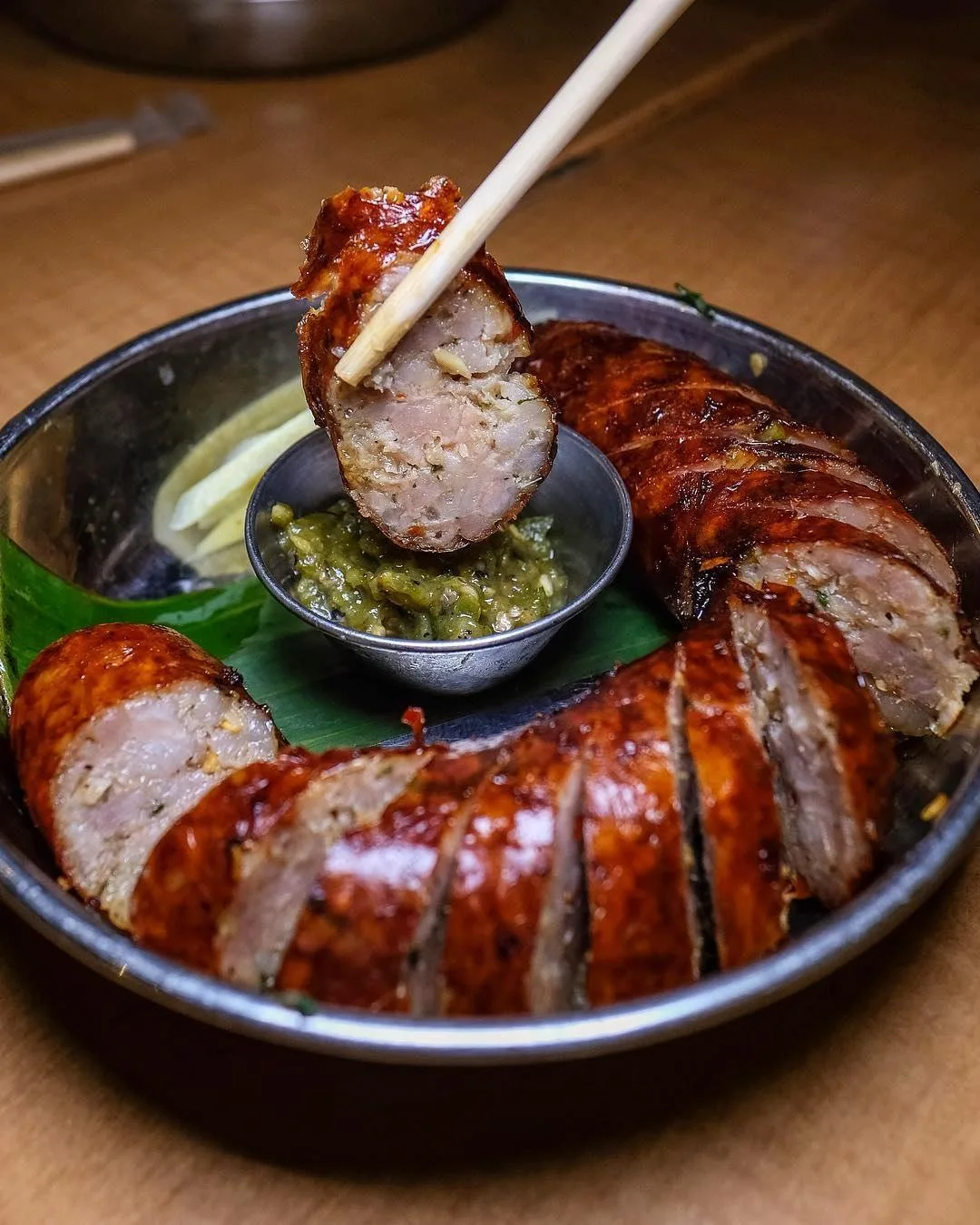
Sai oua is a flavorful northern Thai sausage packed with herbs and spices. Made with minced pork, lemongrass, kaffir lime leaves, chili, and galangal, it’s grilled until smoky and slightly charred. The result is a juicy, aromatic sausage bursting with heat and freshness.
Sai oua is often eaten with sticky rice, fresh vegetables, or dipping sauces, making it a popular street food and market snack. Unique to northern Thailand, it offers a taste that’s both bold and deeply rooted in local traditions.
3. Nam Prik Ong
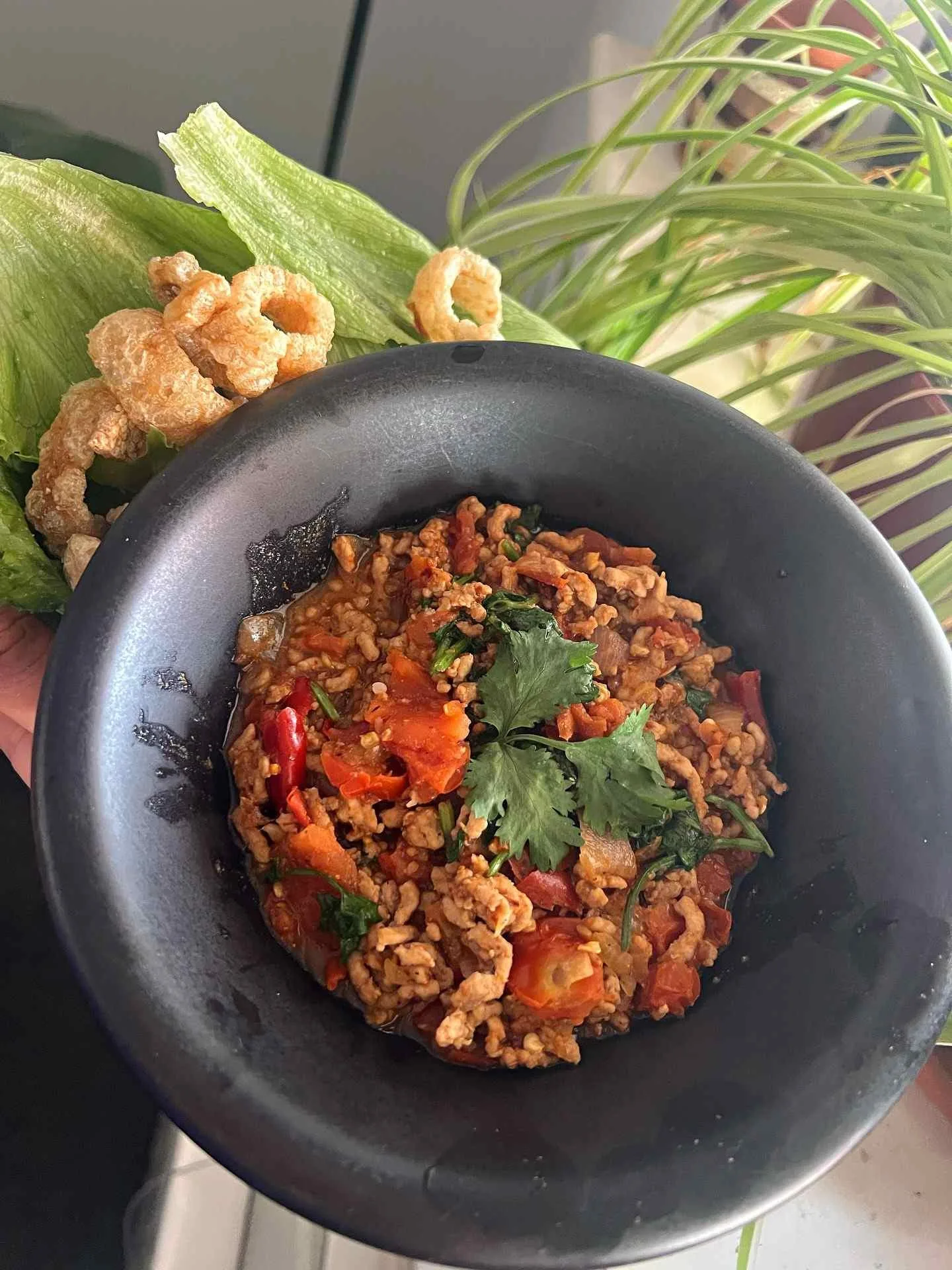
Nam prik ong is a northern Thai chili dip that’s hearty and versatile. Made with minced pork, tomatoes, dried chilies, and garlic, it resembles a spicy meat sauce. Served with a platter of fresh and blanched vegetables, pork crackling, and sticky rice, it’s perfect for sharing.
The dip is mildly spicy, tangy from the tomatoes, and savory from the pork, making it a favorite among locals. Nam prik ong isn’t just food—it’s an experience of eating communally, just as the northern Thai tradition encourages.
4. Nam Prik Noom
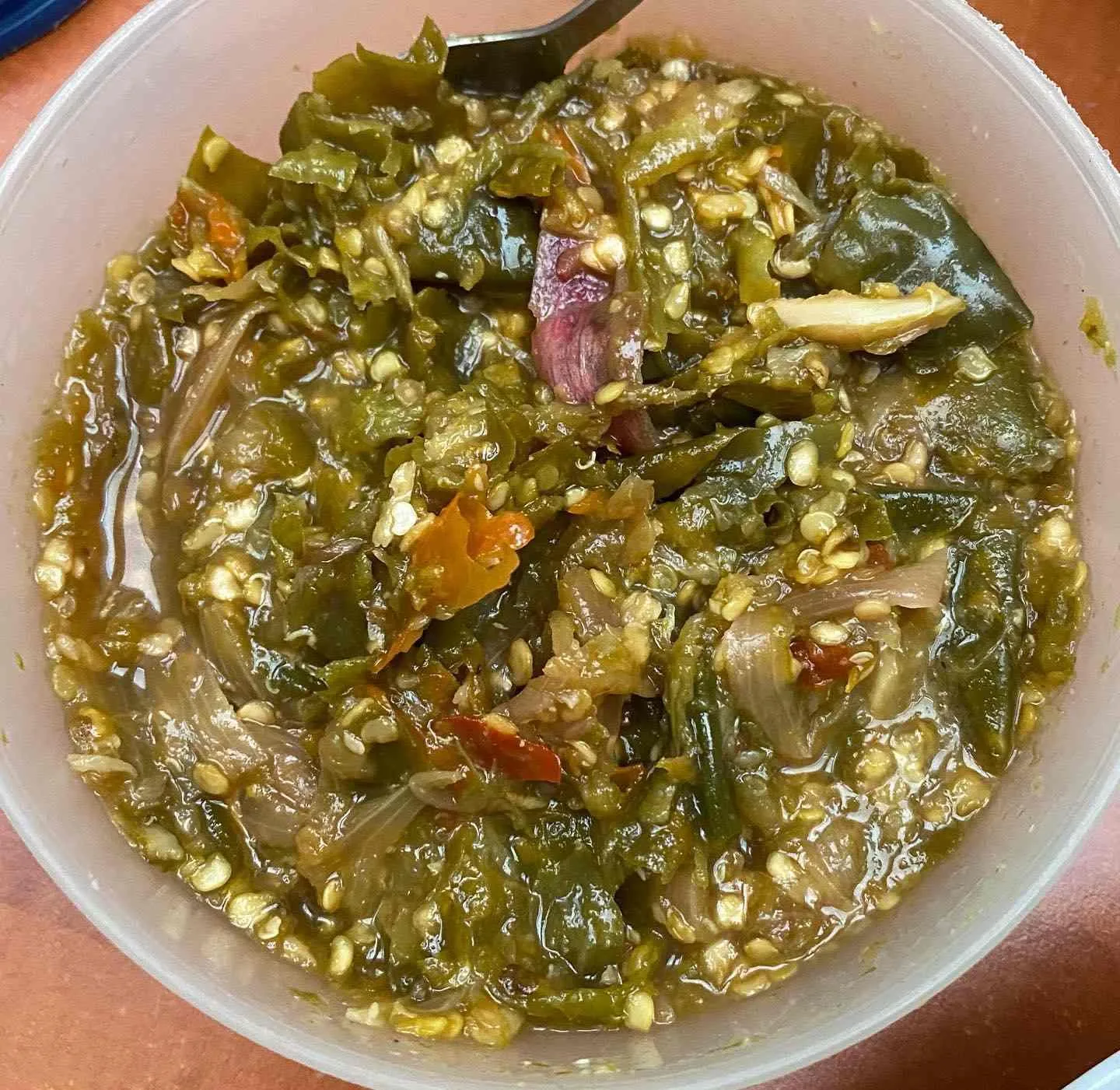
Nam prik noom is another famous northern Thai chili dip, but this one is made with roasted green chilies, garlic, and shallots, pounded into a smoky, spicy paste. It’s typically served with sticky rice, pork crackling, and fresh vegetables. The flavor is bold, fiery, and slightly tangy, making it addictive for spice lovers.
Found at markets and home kitchens alike, nam prik noom highlights the region’s love for chili-based dips. Eating it is a social affair, often shared among family and friends around the table.
5. Gaeng Hang Lay (Burmese Pork Curry)
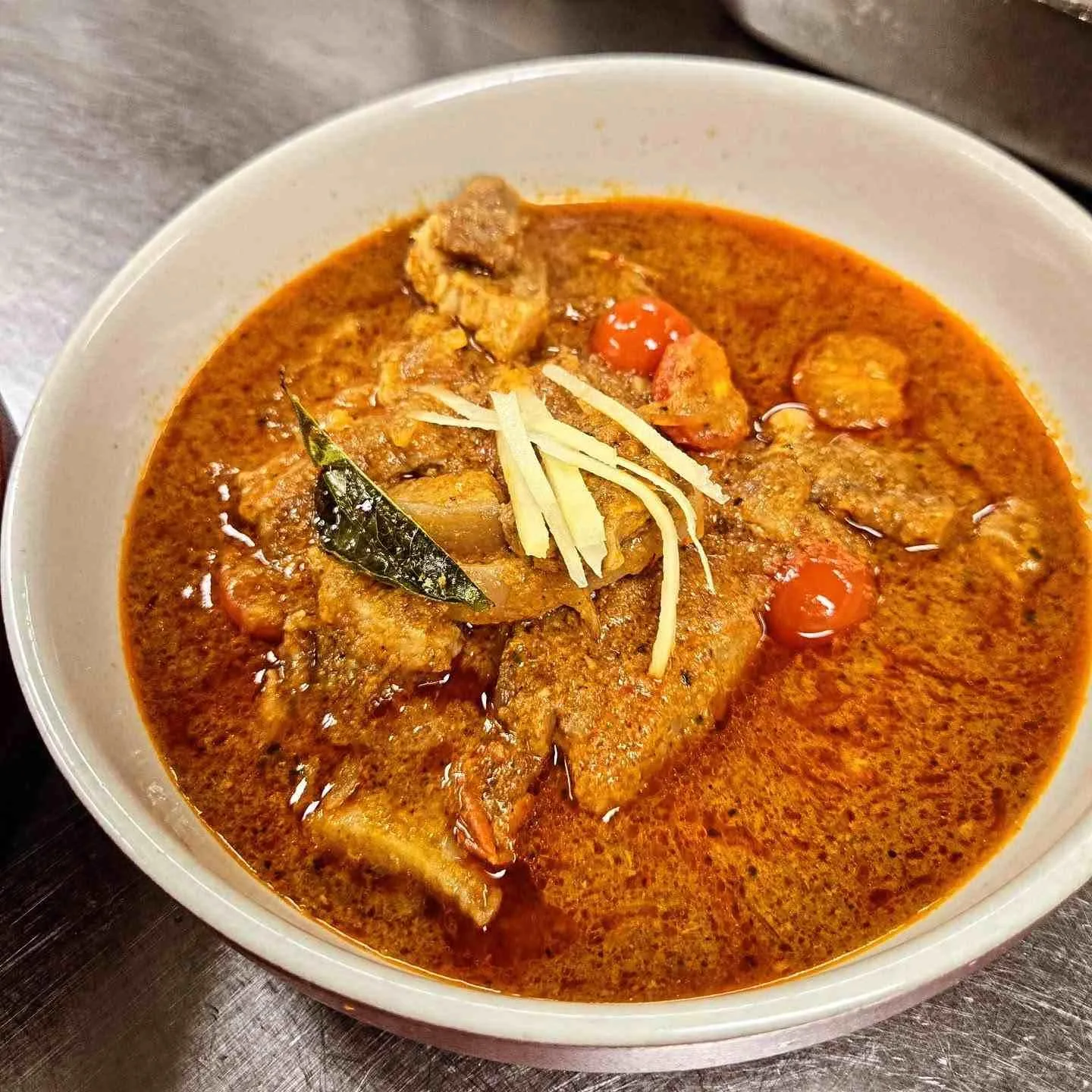
Gaeng hang lay is a Burmese-influenced pork curry that’s slow-cooked to perfection. Pork belly is simmered with garlic, ginger, tamarind, turmeric, and spices until tender and infused with flavor.
Unlike other Thai curries, it isn’t overly spicy but instead sweet, tangy, and deeply aromatic. The curry is rich and comforting, often eaten with steamed or sticky rice.
Popular at both local restaurants and special occasions, gaeng hang lay is a must-try dish that reflects Chiang Mai’s cultural ties with Myanmar and its unique culinary heritage.
6. Sticky Rice
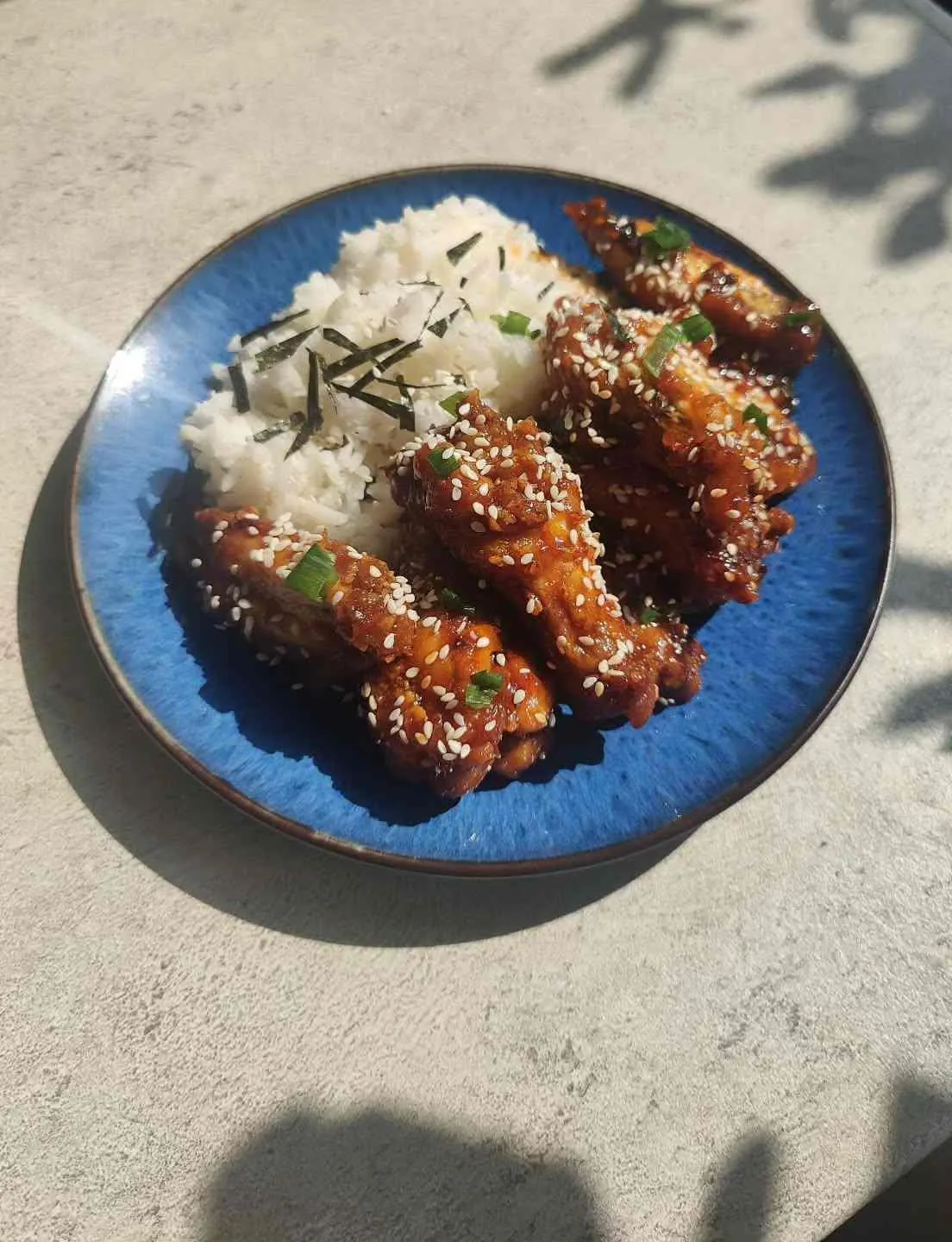
Sticky rice, or khao niao, is a staple of northern Thai dining. Unlike fluffy jasmine rice, sticky rice has a chewy, glutinous texture that makes it perfect for scooping up dips, curries, and grilled meats. It’s traditionally steamed in bamboo baskets and served in small woven containers.
Sticky rice is eaten throughout the day—at breakfast, lunch, dinner, and even as dessert with mango. In Chiang Mai, no meal feels complete without it. More than just a side dish, it’s central to the region’s food culture.
7. Laab (Northern Thai Spicy Salad)
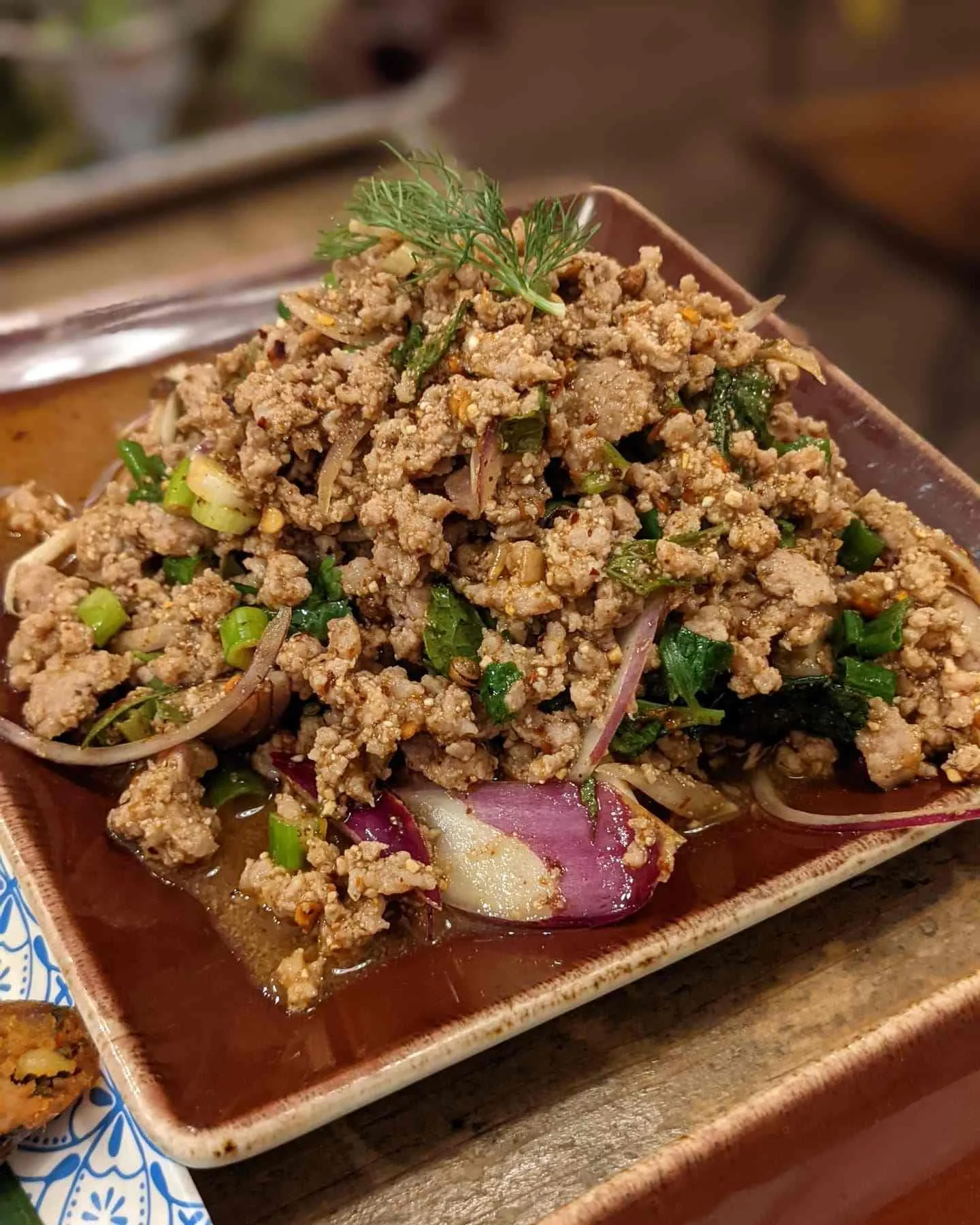
Laab, also known as larb, is a minced meat salad seasoned with lime juice, chili, fish sauce, and fresh herbs.
In Chiang Mai, the northern version is less sour than its Isaan counterpart and sometimes includes pork liver or blood for extra richness. Served with sticky rice and fresh vegetables, laab is bold, spicy, and refreshing.
It’s commonly eaten at family gatherings and local restaurants. With its mix of textures and flavors, laab captures the essence of northern Thai cuisine—fiery, herby, and deeply satisfying.
8. Khanom Jeen Nam Ngiao
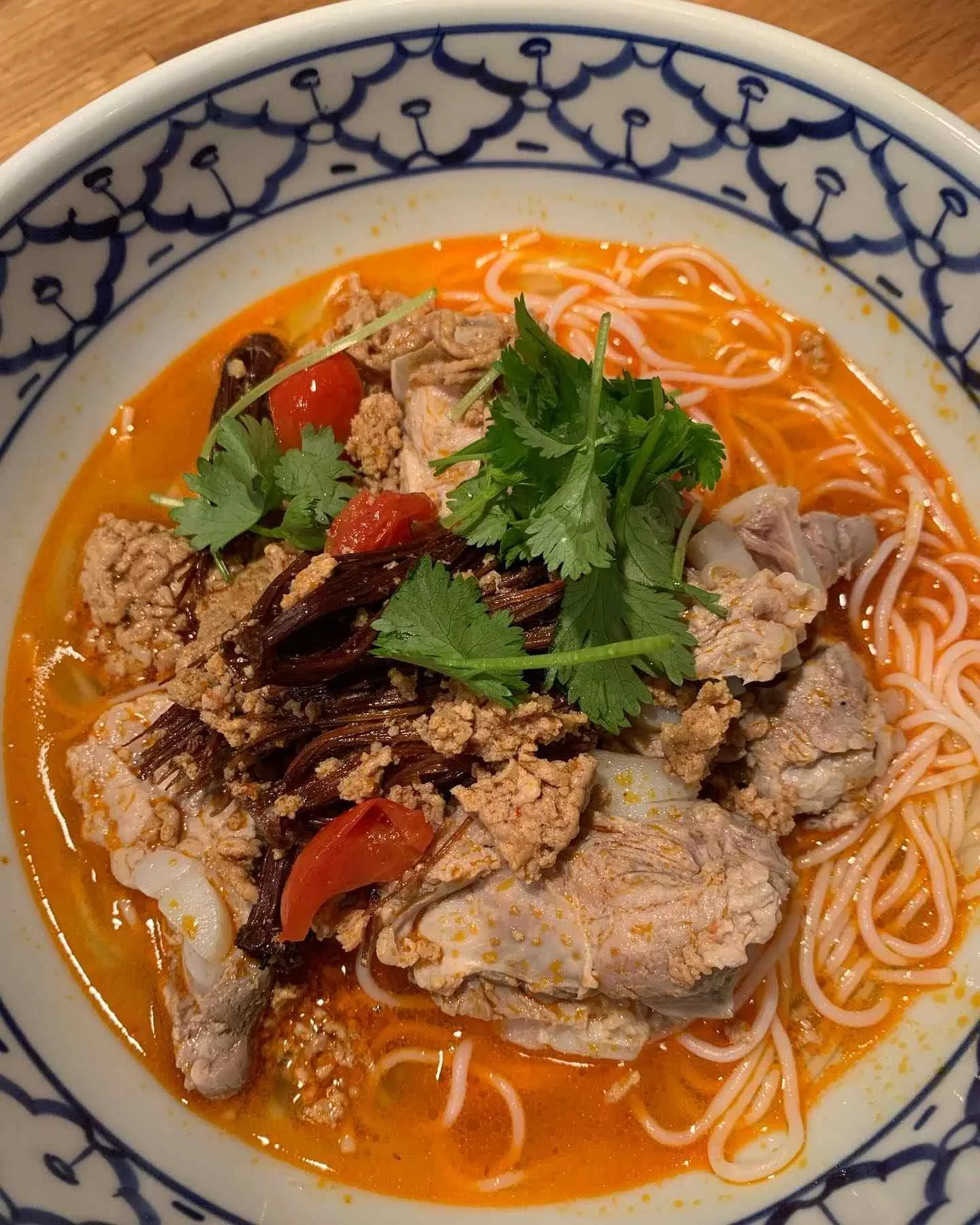
Khanom jeen nam ngiao is a flavorful northern noodle soup made with fermented rice noodles, a spicy tomato-based broth, and pork or beef.
The soup is enriched with dried chilies, garlic, fermented soybeans, and sometimes pork blood cakes, giving it a bold and complex flavor.
Topped with crispy garlic and fresh herbs, it’s a hearty meal that’s both tangy and savory. Popular at local eateries and markets, khanom jeen nam ngiao is a true northern specialty that offers a taste unlike any other Thai noodle dish.
9. Grilled Meats (Ping Kai)
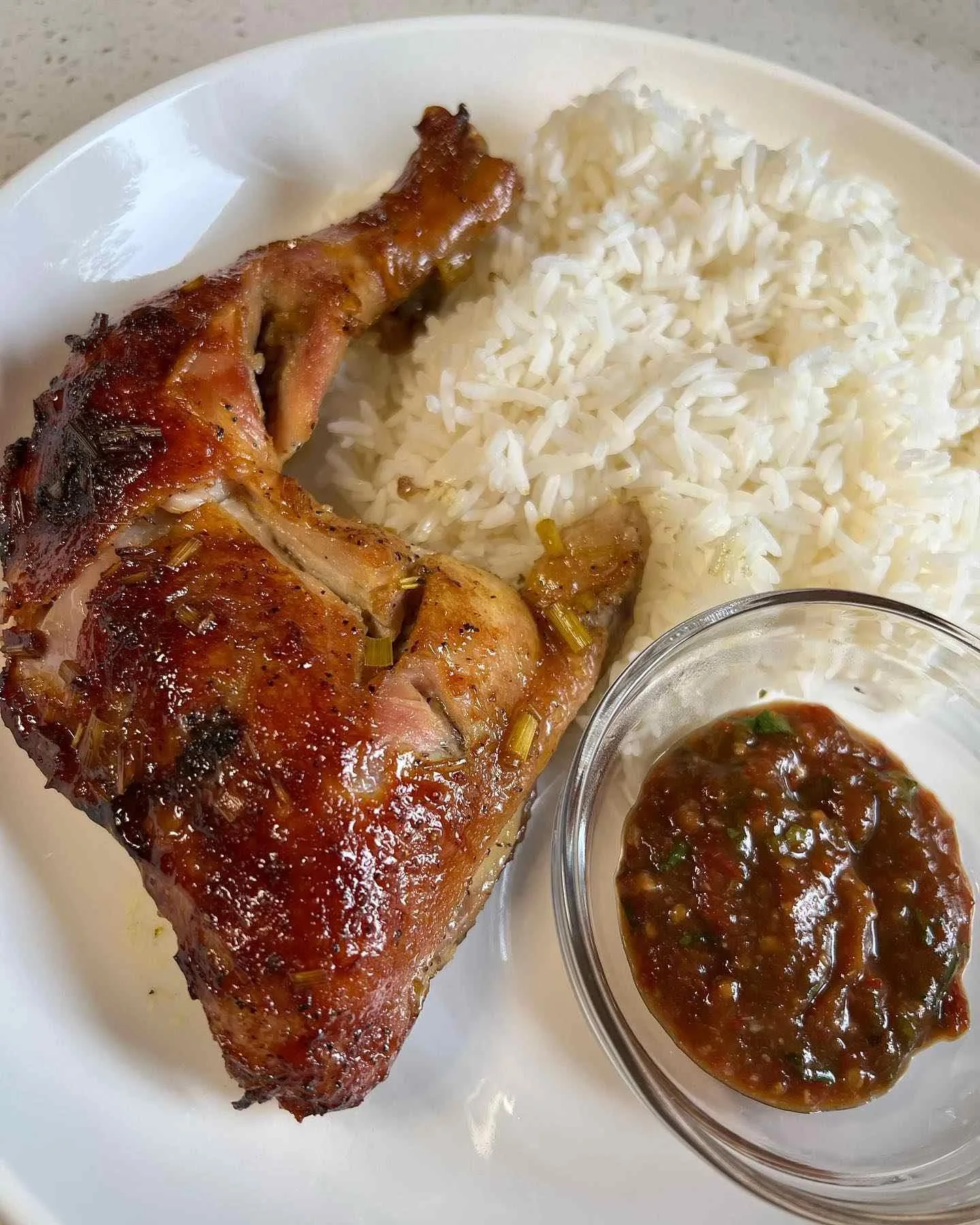
Grilled meats, known locally as ping, are a staple in Chiang Mai’s street food culture. Chicken (ping kai), pork, and beef are marinated with garlic, soy sauce, and spices, then grilled over charcoal until smoky and tender. Served with sticky rice and dipping sauces, they make for an affordable and satisfying meal.
Found at night markets and roadside stalls, grilled meats are a quick, flavorful option for travelers on the go. Simple yet delicious, they highlight Chiang Mai’s love for smoky, hearty street eats.
10. Mango Sticky Rice
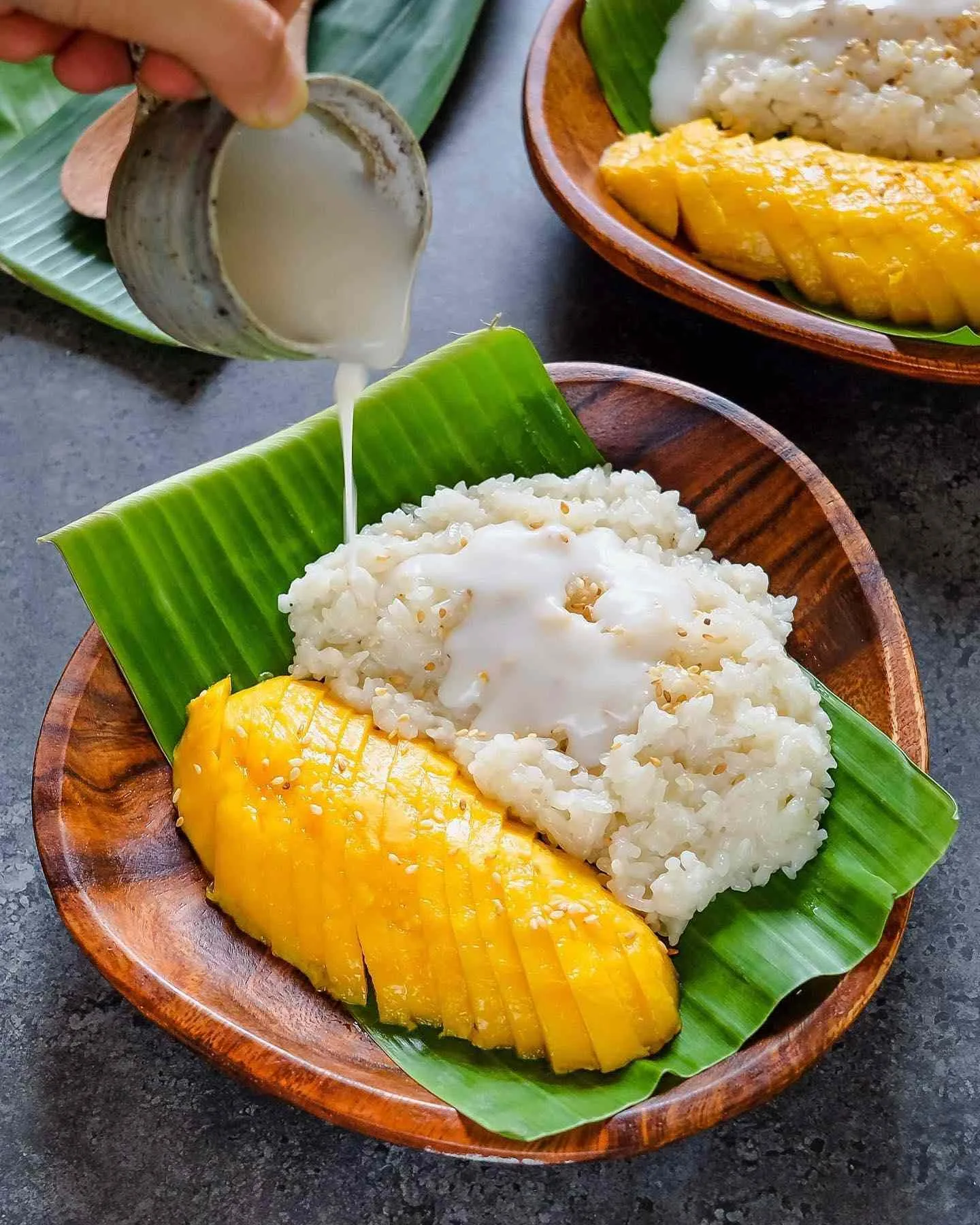
No trip to Chiang Mai is complete without mango sticky rice, Thailand’s most beloved dessert.
Sweet, ripe mango is paired with sticky rice cooked in coconut milk, then drizzled with more coconut cream and sprinkled with sesame seeds or mung beans. The combination of creamy, sweet, and fruity flavors is irresistible.
While it’s enjoyed throughout Thailand, tasting it in Chiang Mai’s markets or cafés feels extra special. Refreshing yet indulgent, mango sticky rice is the perfect way to end a meal of bold northern flavors.
Conclusion: Chiang Mai’s Flavors Stay With You
So, after exploring bowls of noodles, plates of sausage, and endless market snacks, what’s the verdict on what to eat in Chiang Mai? Honestly—everything you can. From the comforting warmth of Khao Soi to the fiery bite of Nam Prik Noom, every dish here carries the heart of the north.
Food in Chiang Mai isn’t just about filling your belly—it’s about connecting with history, culture, and the community around you. Every market stall and family-run restaurant has a story, and the flavors will stay with you long after the trip ends.
If you’re heading there soon, promise me you’ll go beyond the touristy spots. Wander the markets, sit shoulder-to-shoulder with locals, and say yes to dishes you can’t pronounce. Because the best way to know Chiang Mai? It’s one bite at a time.
And hey, when you’re back home craving Khao Soi at 2 a.m., don’t blame me—I warned you. 😅