
Traditional Filipino Dishes: 10 Dishes That Spark Pure Happiness
Ever wondered what traditional Filipino dishes really taste like? If you haven’t tried them yet, you’re in for a treat! Filipino cuisine is a colorful, flavorful mix influenced by centuries of cultural exchange, blending native flavors with Spanish, Chinese, and even American culinary touches.
Every dish tells a story, from family gatherings to vibrant street food markets, and each bite is an experience. I’ll never forget my first spoonful of adobo at a local home in Manila—the tender chicken, simmered in soy sauce, vinegar, garlic, and a touch of bay leaves, created a harmony of tangy, savory, and slightly sweet flavors that instantly won me over.
Filipino food is all about balance, creativity, and love. So, curious to know what makes these dishes so irresistible? Let’s dive into some of the must-try classics!
1. Adobo
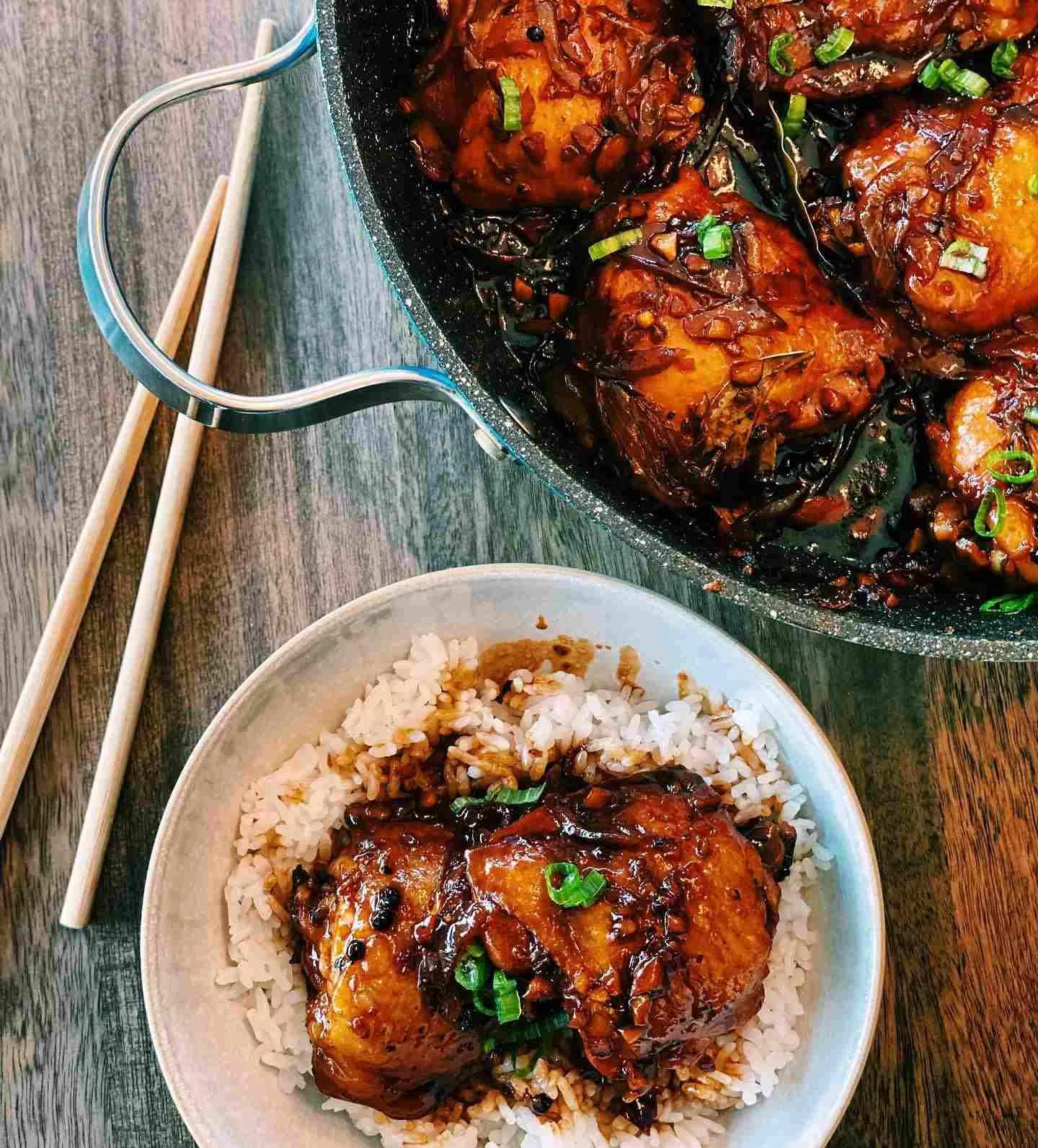
Adobo is the quintessential Filipino dish, known for its tangy, savory, and slightly sweet flavor. It typically features chicken or pork marinated in vinegar, soy sauce, garlic, and black peppercorns, then simmered until tender. Often served with steamed rice, adobo’s rich, well-balanced sauce makes it a comfort food staple in every Filipino household. Its versatility allows regional variations, some including coconut milk or spices.
Adobo is more than just a dish—it’s a symbol of Filipino culinary identity, embodying tradition, flavor, and everyday simplicity.
2. Sinigang

Sinigang is a beloved Filipino sour soup, traditionally made with pork, shrimp, or fish, and simmered with tamarind, tomatoes, and assorted vegetables like radish, eggplant, and string beans. Its signature tangy broth is both refreshing and comforting, perfect for any season. Often served with steamed rice, Sinigang highlights the Filipino love for balanced flavors, blending sour, salty, and savory notes.
This dish represents warmth, home cooking, and family gatherings, and it remains one of the most iconic and versatile staples in Philippine cuisine.
3. Lechon

Lechon is the star of Filipino celebrations, featuring a whole roasted pig with crispy golden skin and juicy, flavorful meat. Marinated with herbs, garlic, and spices, it’s traditionally cooked over charcoal, giving it a smoky aroma. Served at fiestas, weddings, and holidays, lechon embodies abundance, festivity, and communal enjoyment.
Often accompanied by liver sauce or vinegar-based dipping sauce, it’s a dish that brings families together. Lechon is not just food—it’s a centerpiece, representing Filipino craftsmanship, cultural pride, and the nation’s love for bold, celebratory flavors.
4. Kare-Kare

Kare-Kare is a Filipino stew made with oxtail, tripe, or vegetables, cooked in a rich peanut sauce. Its velvety texture and nutty flavor are complemented by sautéed shrimp paste on the side and served with steamed rice. Common vegetables include eggplant, string beans, and banana blossoms, creating a colorful and hearty dish.
Kare-Kare reflects Filipino ingenuity, blending indigenous ingredients with Spanish influences. This savory, slightly sweet dish is a festive favorite at family gatherings and celebrations, showcasing the Philippines’ love for communal, comforting meals.
5. Pancit

Pancit refers to various Filipino noodle dishes, often prepared for celebrations and birthdays, symbolizing long life. Popular versions include Pancit Canton (stir-fried egg noodles) and Pancit Bihon (thin rice noodles). Ingredients usually include pork, chicken, shrimp, vegetables, and soy sauce, creating a savory, flavorful dish.
Topped with sliced green onions and sometimes hard-boiled eggs, Pancit is both hearty and festive. Its flexibility and celebratory symbolism make it a staple in Filipino cuisine, perfect for gatherings, daily meals, or street food, representing the nation’s love for noodles and vibrant flavors.
6. Laing

Laing is a spicy Filipino dish made from dried taro leaves cooked in coconut milk with chili, shrimp paste, and meat or seafood. Hailing from the Bicol region, it’s known for its creamy texture, heat, and earthy flavor. Laing reflects the region’s use of coconut and chili as essential ingredients.
Often served with steamed rice, it’s a comforting yet bold dish. Laing exemplifies Filipino culinary creativity, balancing heat, creaminess, and texture, making it a regional specialty that has gained popularity across the entire country.
7. Bicol Express

Bicol Express is a fiery Filipino dish that features pork cooked in coconut milk and a generous amount of chili peppers. Originating from the Bicol region, it showcases the area’s love for spicy, flavorful food. The rich, creamy sauce balances heat with savory depth, often enhanced by shrimp paste. Served with steamed rice, Bicol Express is a favorite for those who enjoy bold flavors.
It highlights Filipino ingenuity, combining local ingredients into an unforgettable, spicy dish that represents the nation’s vibrant and daring culinary spirit.
8. Halo-Halo

Halo-Halo is the Philippines’ famous dessert, a refreshing mix of shaved ice, sweetened beans, jellies, fruits, and evaporated milk, often topped with ube (purple yam) and leche flan. Its colorful layers make it visually appealing, while its combination of textures and flavors—from creamy to chewy and sweet to earthy—delights the palate.
Halo-Halo is especially popular during hot summer days, offering a cooling, indulgent treat. More than dessert, it represents Filipino creativity and love for combining diverse ingredients into one harmonious, refreshing, and festive dish.
9. Lumpia

Lumpia are Filipino spring rolls, either fresh (lumpiang sariwa) or fried (lumpiang shanghai), typically filled with pork, shrimp, and vegetables. The fried version is crispy and golden, often served with a sweet and tangy dipping sauce. Fresh versions are wrapped in thin crepes and topped with garlic-peanut sauce. Lumpia is a favorite at parties, family gatherings, and street food stalls.
Its versatility, portability, and bold flavor make it a Filipino classic, showcasing the country’s ability to adapt foreign influences while creating distinct, flavorful dishes that delight all ages.
10. Pinakbet

Pinakbet is a traditional vegetable stew from the northern Philippines, made with bitter melon, squash, eggplant, string beans, and okra, flavored with shrimp paste and garlic. It’s hearty, earthy, and slightly salty, highlighting the natural flavors of fresh vegetables. Often served with rice, Pinakbet reflects Filipino ingenuity in using locally available produce to create nourishing, flavorful meals.
This dish showcases regional culinary traditions and the Filipino emphasis on balance, nutrition, and depth of flavor, making it a beloved staple in both homes and celebrations.
Conclusion: Ready to Taste the Philippines?
So, what have we discovered about traditional Filipino dishes? From savory adobo and tangy sinigang to crispy lechon and creamy kare-kare, Filipino cuisine is diverse, flavorful, and deeply tied to culture. It’s a cuisine that rewards exploration, whether through bustling street markets or home-cooked meals.
If you’re visiting the Philippines, don’t just stick to tourist spots—try local eateries, join family gatherings if possible, and let your taste buds explore the rich culinary landscape. Filipino food isn’t just nourishment—it’s history, warmth, and joy. Now, who’s ready to grab a fork and dig in? 😋