
Rice Pilaf Recipe
There is something incredibly satisfying about transforming simple pantry staples into a dish that tastes like it came from a restaurant kitchen.
When I first started making Rice Pilaf Recipe at home, I was amazed at how browning the grains in a bit of fat completely changed the final texture and nutty flavor profile.
This method has become my go-to specifically because it is forgiving, flexible, and always results in fluffy, separate grains rather than a sticky clump.
I love how the savory aroma of onions and celery cooking down with the rice fills the entire kitchen before I even add the broth.
It truly is the perfect side dish that often ends up stealing the show from the main course.
Ingredients
Here is everything you need to create this savory, classic dish in your own kitchen.
- 2 cups long-grain white rice: This specific variety works best because it has less starch than short-grain types, ensuring your final dish is fluffy and the grains remain distinct rather than clumping together.
- 2 teaspoons extra virgin olive oil or chicken fat: I prefer using rendered chicken fat for a richer, more traditional flavor, but high-quality olive oil works perfectly well and keeps the dish lighter.
- 1/2 cup chopped green onions or yellow onion: Fresh onions provide the aromatic base that permeates the rice during the cooking process, offering a sweetness that balances the savory stock.
- 1/2 cup chopped celery: Finely dicing the celery ensures it cooks at the same rate as the onions and adds a subtle, herbal earthiness that is classic to pilaf recipes.
- 4 cups chicken or vegetable stock: The liquid is the most critical flavor component, so use a high-quality stock or broth that you enjoy tasting on its own, as the rice will absorb every bit of it.
- 2 teaspoons kosher salt: If you are using a store-bought broth that is already salty, you might want to reduce this amount slightly to avoid over-seasoning the final dish.
- 1/4 teaspoon freshly ground black pepper: Freshly grinding your pepper adds a sharp, floral heat that cuts through the richness of the starch and butter or oil used in the recipe.
- 1/8 teaspoon cayenne pepper: This tiny amount doesn’t make the dish spicy, but it adds a necessary background warmth that highlights the other savory flavors in the pot.
- 1/2 cup chopped fresh parsley: always use fresh herbs right at the end of cooking to add a burst of bright color and a fresh, grassy flavor that wakes up the cooked grains.
Note: This recipe yields approximately 6 to 8 generous servings depending on what other dishes are on the table.
Variations
Rice pilaf is incredibly versatile, and you can easily adapt the base recipe to suit different dietary needs or flavor profiles.
- Dairy-Free Option: This recipe is naturally dairy-free if you use olive oil. However, if you want a creamier texture without dairy, you can stir in a tablespoon of coconut oil at the start.
- Nutty Crunch: For added texture, I often toss in slivered almonds or pine nuts. Toast them in the dry pan before you add the oil and rice, remove them, and stir them back in right before serving.
- Sweet and Savory: To mimic a Middle Eastern style pilaf, try adding a handful of dried currants or golden raisins along with the onions. The small bursts of sweetness contrast beautifully with the salty broth.
- Spice Blends: You can easily change the flavor profile by adding spices during the browning phase. A pinch of saffron adds a luxurious golden color, while turmeric and cumin can give it a warm, earthy Indian-inspired twist.
- Whole Grain: You can substitute brown rice for white rice, but you must adjust the liquid and time. Brown rice typically needs more stock and about 45 minutes of simmering time compared to white rice.
Cooking Time
- Prep Time: 15 minutes
- Cook Time: 25 minutes
- Total Time: 40 minutes
Equipment You Need
- Large Saucepan or Dutch Oven with Lid: Essential for consistent heat distribution and trapping steam to cook the rice evenly.
- Wooden Spoon or Heat-Resistant Spatula: Used for stirring the rice while browning to prevent sticking and for fluffing at the end.
- Chef’s Knife: Needed for finely chopping the onions, celery, and parsley efficiently.
- Cutting Board: Provides a stable surface for prepping your aromatic vegetables and herbs.
- Measuring Cups and Spoons: Accuracy with the liquid-to-rice ratio is crucial for the perfect texture.
How to Make Rice Pilaf?
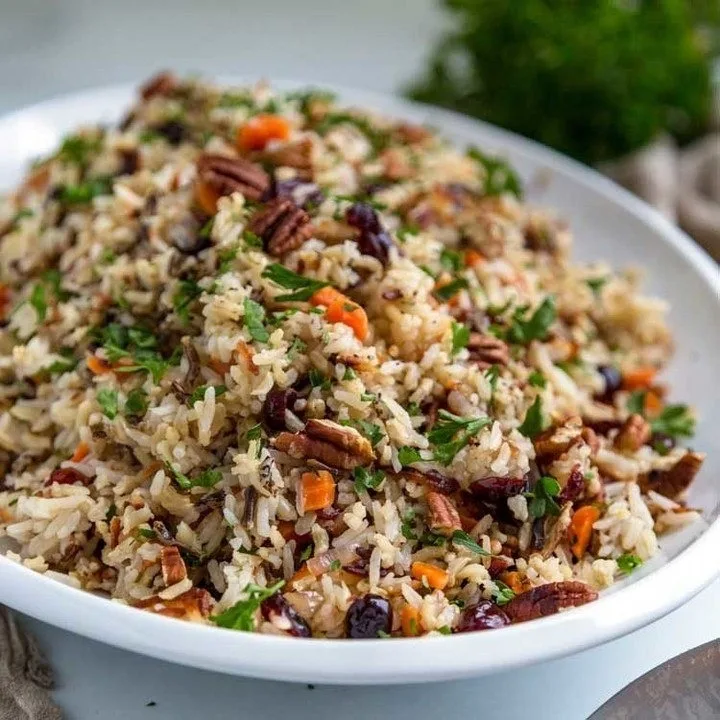
This method relies on a classic technique where you toast the raw rice grains in fat before adding liquid. This seals the starch and creates that signature nutty flavor. Follow these steps for the best results.
Heat the Cooking Liquid
Start by pouring your chicken or vegetable stock into a separate saucepan or a microwave-safe container to warm it up until it is steaming hot. Adding hot liquid to the hot rice pan later helps the mixture come to a boil faster and cooks the rice more evenly. If you skip this, it just takes a bit longer to simmer.
Brown the Rice Grains
Place your main cooking pot over medium-high heat and add the olive oil or chicken fat, letting it shimmer but not smoke. Pour in the dry, uncooked rice and stir it constantly for about three to four minutes until the grains turn a golden, toasty brown color. This step is the secret to preventing mushy pilaf.
Sauté the Aromatics
Once the rice looks toasted and smells nutty, toss in the chopped onions and celery directly into the pot with the grains. Continue to cook and stir everything together for another few minutes until the onions become translucent and soft. The moisture from the vegetables will help prevent the rice from burning.
Season and Simmer
Stir in the salt, black pepper, and cayenne, then carefully pour in your pre-heated stock, standing back to avoid the steam. lower the heat immediately to the lowest setting, cover the pot tightly with the lid, and let it simmer undisturbed for the time on your rice package. Do not lift the lid during this time.
Rest and Finish
After the cooking time is up, remove the pot from the heat but leave the lid on for exactly ten minutes to let the steam redistribute. Finally, remove the lid, fluff the grains gently with a fork to separate them, and stir in the fresh parsley. Serve immediately while it is hot and fragrant.
Additional Tips for Making this Recipe Better
I have made this recipe countless times, and over the years I have learned a few tricks that take it from good to great. Here are my personal suggestions for success:
- Rinsing is Optional: Unlike plain steamed rice, I find that for pilaf, not rinsing the rice helps it brown better in the oil. If you do rinse it, make sure it is completely dry before adding it to the hot oil, or it will splatter and steam instead of toast.
- Trust the Rest: I cannot stress enough how important the 10-minute resting period is off the heat. If you try to stir the rice immediately after simmering, it will break and become gummy. That rest allows the moisture to settle into the center of the grain.
- Taste Your Stock: Since the rice absorbs all the liquid, the flavor of your stock dictates the flavor of the dish. I always taste my stock before cooking; if it tastes bland in the cup, it will taste bland in the rice, so add more seasoning to the liquid if needed.
How to Serve Rice Pilaf?
Rice pilaf is the ultimate neutral canvas that pairs beautifully with almost any protein.

- Plating: Pile the rice high in a wide serving bowl and garnish with extra fresh herbs or even a few lemon wedges for a pop of color.
- Pairings: It serves as an excellent bed for saucy dishes like grilled chicken with mushroom gravy or braised beef, as the individual grains catch the sauce.
- Texture: Top the finished dish with something crunchy right before serving, such as toasted pine nuts or crispy fried shallots, to add contrast to the soft rice.
- Family Style: Serve it in a large ceramic dish at the center of the table; it retains heat well and looks inviting alongside roasted vegetables.
Nutritional Information
This dish is a healthy source of carbohydrates and can be part of a balanced meal.
- Calories: Approximately 110 calories per serving
- Protein: 4g per serving
- Carbohydrates: 17g per serving
- Fat: 3g per serving
Make Ahead and Storage
Rice pilaf is a fantastic candidate for meal prepping because it holds its texture surprisingly well compared to plain boiled rice.
Refrigerating Leftovers
Allow the rice to cool completely to room temperature before transferring it to an airtight container. It will stay fresh in the refrigerator for up to 5 days. If you seal it while it is still hot, condensation will form and make the leftovers soggy.
Freezing Instructions
You can freeze cooked pilaf in freezer-safe bags or containers for up to three months. I recommend freezing it in individual portions so you can grab just what you need for a quick lunch. Squeeze as much air out of the bag as possible to prevent freezer burn.
Reheating Tips
To reheat, place the rice in a microwave-safe bowl with a splash of water or broth and cover it with a damp paper towel. Microwave in 1-minute intervals, fluffing in between, until it is steaming hot. You can also reheat it in a skillet with a little butter to refresh the flavor.
Why You’ll Love This Recipe?
This has quickly become a staple in my home rotation, and once you try it, I suspect it will be in yours too.
- Incredible Flavor Depth: By taking the extra few minutes to brown the rice and sauté the aromatics, you build a complex, nutty flavor foundation that plain water-boiled rice simply cannot compete with.
- Pantry Friendly: You likely already have onions, celery, rice, and stock in your kitchen right now, making this an easy recipe to whip up without a special trip to the grocery store.
- Highly Customizable: It is the perfect base for whatever leftovers you have; you can stir in cooked peas, diced carrots, leftover chicken, or whatever herbs are wilting in your fridge crisper drawer.
- Foolproof Texture: The ratio of liquid to rice and the specific cooking method virtually guarantees that you won’t end up with a pot of mush, which is the most common complaint with homemade rice.

