What Would It Really Be Like to Live in Japan?
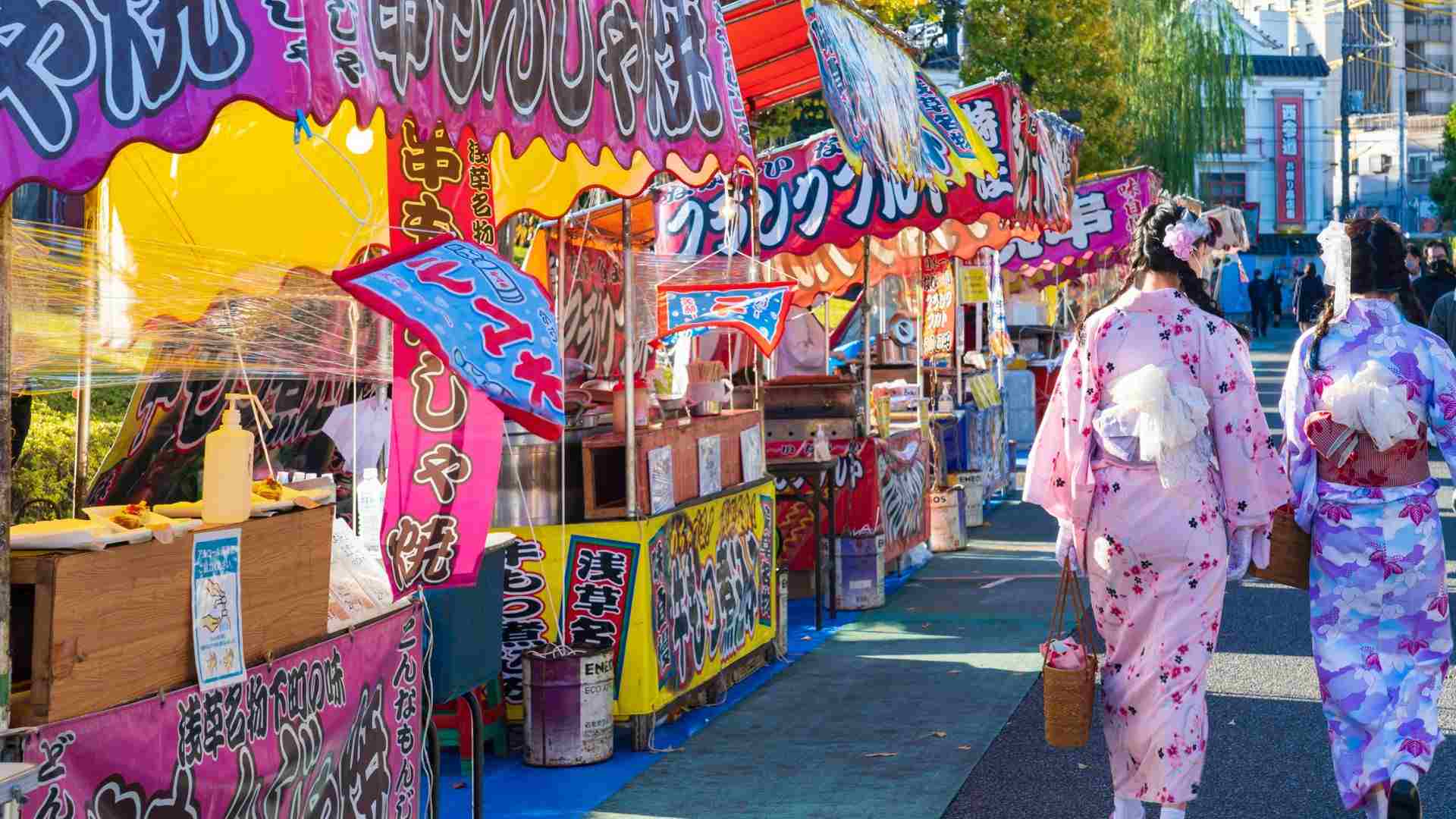
Visiting Japan and actually to live in Japan are two very different experiences. A holiday might mean exploring temples in Kyoto, eating ramen in Tokyo, taking photographs of Mount Fuji, and trying to squeeze as much as possible into a week or two. Living there is something else entirely. Instead of wondering what attraction to visit next, you start thinking about where you will buy groceries, how long your commute will be, which neighborhood suits you, and what kind of home you want.
For anyone considering a longer stay or even a permanent move, housing is one of the first practical questions to answer. Looking at options through Village House Management can give you a sense of the kinds of homes available and the different locations where everyday life could take place. Where you live can completely change your experience of Japan, particularly if you choose somewhere outside the busiest tourist centers.
Choosing Between City Life and a Quieter Japan
Tokyo is an obvious choice for many people because it offers almost everything imaginable. There are restaurants everywhere, an enormous public transportation network, shopping districts, entertainment, museums, and neighborhoods that each have their own personality. For someone who enjoys having endless things to do, city life can be exciting.
But Japan is much bigger than Tokyo.
Cities such as Hamamatsu, for example, offer a different perspective. You can still experience Japanese culture, restaurants, shopping, and convenient transportation, while potentially enjoying a slower pace than you would find in the country’s most crowded metropolitan areas. Smaller cities and suburban communities can also make everyday life feel less like an extended holiday and more like actually belonging somewhere.
That distinction matters. When you live somewhere, convenience often becomes more important than having famous attractions on your doorstep.
What Does an Ordinary Day Look Like?
One of the most interesting things about moving abroad is discovering how ordinary life feels in another country.
You might start the morning with breakfast at home, take public transportation to work or school, stop at a local supermarket on the way home, and spend the evening cooking dinner. None of these things sounds particularly exciting, but experiencing them in another culture can be fascinating.
Even familiar activities can feel different. Grocery shopping introduces you to ingredients and products you may never have seen before. A trip to the local bakery might become part of your routine. You begin recognizing your neighbors and discovering restaurants that aren’t necessarily mentioned in travel guides.
Eventually, you stop comparing everything with home.
That’s often when a place starts to feel familiar.
Learning to Live in Japan Like a Local
Living in another country also requires flexibility. Things that seem obvious at home may work differently in Japan, from recycling rules and public transportation etiquette to apartment layouts and shopping habits.
At first, these differences can feel inconvenient. Over time, however, they can become part of what makes the experience interesting.
You also start noticing details that tourists rarely have time to appreciate. You might discover a small park near your home, find a favorite noodle shop, or learn which train carriage is usually quieter during your commute. These aren’t the experiences that necessarily appear in travel brochures, but they can become some of the strongest memories.
Is Living in Japan Right for You?
The idea of moving to another country can sound incredibly exciting, but it is worth thinking beyond the romantic version of the experience. Japan has its own language, customs, bureaucracy, work culture, and cost-of-living considerations. Adjusting to those things takes patience.
At the same time, living abroad can teach you things that a short holiday simply cannot. You become more independent, learn how to navigate unfamiliar situations, and develop a different perspective on your own habits and assumptions.
You may even return home with a clearer idea of what you actually value in everyday life.
Perhaps that is the biggest difference between visiting somewhere and living there. A tourist asks, “What should I see?” Someone who lives there starts asking, “What kind of life could I build here?”
Japan can be a fascinating place to explore, but imagining yourself doing ordinary things there may be an even better way to decide whether it could become more than a destination.