
How to Plan the Perfect Tanzania Safari and Zanzibar Beach Itinerary
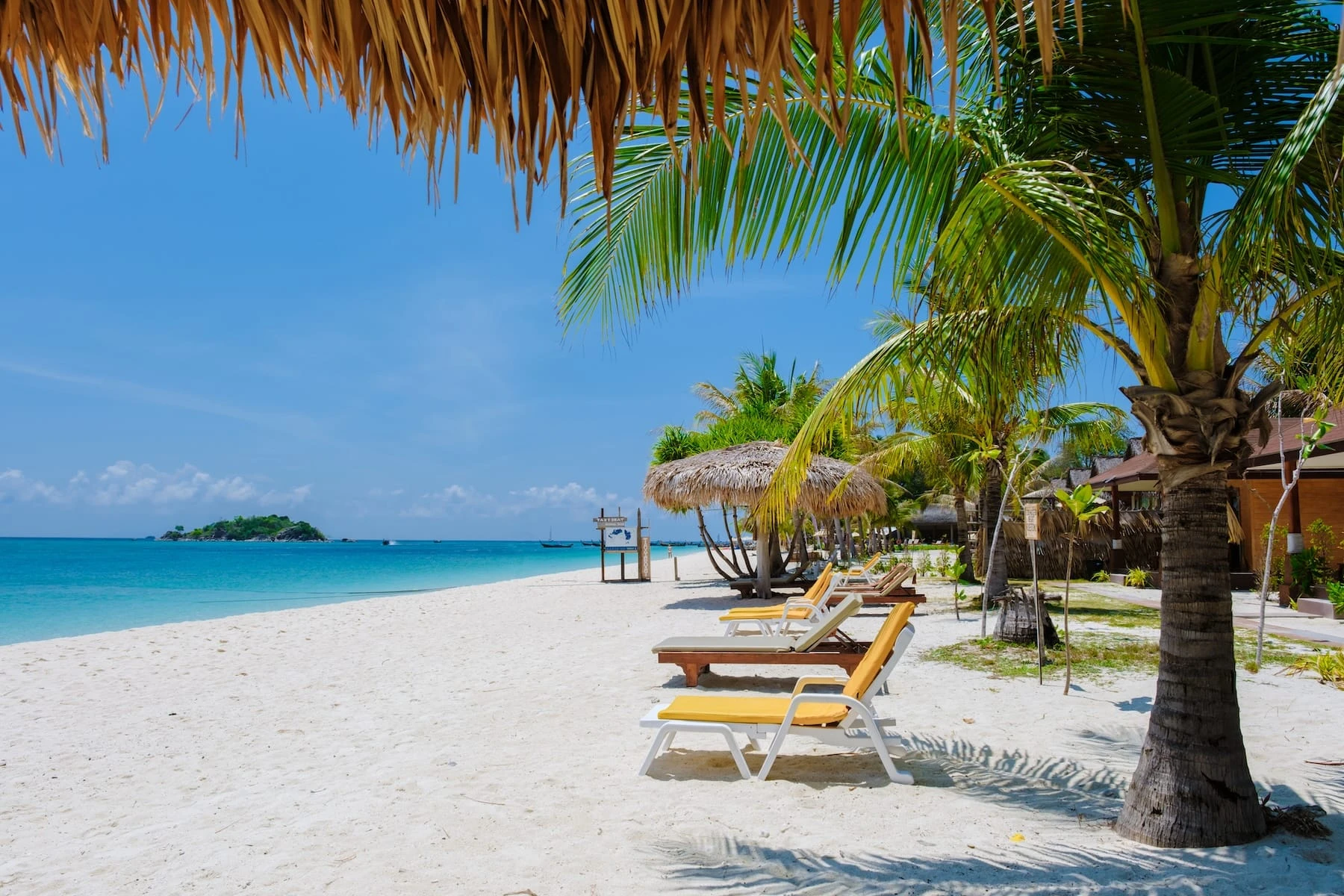
Combining the rugged, fast-paced adventure of the African bush with the tranquil, slow-moving shores of the Indian Ocean creates the ultimate travel experience. However, planning a seamless transition between these two drastically different environments presents a complex logistical challenge. The contrast between early morning wildlife tracking and afternoon coastal relaxation is significant, and bridging that gap requires precise coordination.
The key is careful pacing, understanding domestic flight schedules, and resisting the urge to overpack your itinerary with unnecessary lodge changes. For travelers aiming to organize a flawless experience without travel burnout, successfully combining a Tanzania safari and Zanzibar beach getaway requires knowing exactly how to navigate internal transfers – usually through the northern safari hub of Arusha – while matching the right wildlife parks with the appropriate stretch of coastline to fit your stamina and budget.
The Golden Rule: Safari First, Beach Second
When designing your itinerary, the sequence is non-negotiable for experienced travelers: always do the safari portion first, followed by the beach.
This order is essential for managing your physical energy. A proper wildlife expedition is highly rewarding but also inherently exhausting. Game drives operate on the wildlife’s schedule, which means waking up at 5:30 AM for a 6:00 AM departure to catch apex predators during their most active hunting hours. You will spend hours navigating unpaved, corrugated dirt tracks in a 4×4 vehicle – often called the “African massage” – while dealing with high dust levels and intense midday sun. Reversing the order and starting with the beach means you will finish your vacation feeling depleted rather than restored.
The beach is strictly for decompression. The most efficient transfer pattern follows a logical geographic flow: drive the Northern Circuit (progressing through parks like Tarangire, Lake Manyara, and the Ngorongoro Crater), return by road or light aircraft to Arusha Airport (ARK) or Kilimanjaro International Airport (JRO), and take a direct 1- to 2-hour domestic flight to Abeid Amani Karume International Airport (ZNZ) in Zanzibar. This structure allows you to wash off the dust, unpack your bags for the final time, and truly recover before your long-haul international flight home.
How to Split Your Days: Sample Itineraries
One of the most common mistakes in trip planning is misallocating time between the mainland and the island. Statistically and logistically, 8–10 total nights is the ideal range for a well-rounded experience. Anything less than seven nights forces you to rush the wildlife viewing and spend too much of your trip in transit.
To help structure your time, here are three sample templates that balance active exploration with necessary downtime:
- 7–8 Nights (The Short Trip): 4 Days Safari / 3 Days Beach
- Focus: This fast-paced option highlights the most accessible parts of the Northern Circuit. You will skip the vast Serengeti in favor of Tarangire National Park (famous for its large elephant herds) and the dense, concentrated wildlife of the Ngorongoro Crater.
- Logistics: After three nights in the bush, drive back to Arusha for an afternoon flight to the coast.
- Rule: Never cut your beach stay below three nights. By the time you land, transfer to your coastal resort, and check in, the first day is essentially over. Two nights on the coast gives you only one full day of rest, making the entire transit effort feel rushed and counterproductive.
- 9–10 Nights (The Most Popular Route): 5 Days Safari / 5 Days Beach
- Focus: This is the optimal baseline for a complete Tanzania experience. It provides enough time to cover the main Northern Circuit (Tarangire and Ngorongoro) while adding critical days to venture deeper into the Serengeti for extensive game drives.
- Logistics: Five days in the bush allows for a more relaxed pace between lodges. The following five days on the coast provide ample time to split activities – perhaps dedicating one day to exploring the historic alleys of Stone Town before retreating to a remote beach resort for uninterrupted relaxation.
- 12–14 Nights (The Relaxed Expedition): 7 Days Safari / 6 Days Beach
- Focus: Designed for travelers seeking deep, immersive Serengeti exploration without travel fatigue. Seven days on safari allow you to track the Great Migration dynamically, moving between the central Seronera region and either the remote northern Mara River or the southern Ndutu plains, depending on the season.
- Logistics: The extended timeframe removes the pressure of long, daily drives. You can stay three nights in a single Serengeti camp, allowing for full-day game drives without the burden of packing your bags every morning. The six-day coastal finish offers true isolation and recovery.
Choosing the Right Zanzibar Coast
Selecting your coastal accommodation requires understanding the island’s unique topography. Zanzibar is heavily influenced by the Indian Ocean’s lunar tides, and the beach experience varies greatly depending on which coast you choose. Choosing the wrong region for your travel style is a common planning mistake.
- North Coast (Nungwi & Kendwa): This is the top location for travelers whose main goal is swimming in the ocean. The northern tip of the island features a steep geographic drop-off, resulting in minimal tidal impact. The water remains deep and swimmable throughout the day. The trade-off is popularity; this area has the highest density of large resorts and travelers. Transit time from the airport is roughly 50 to 60 minutes via paved roads.
- Northeast Coast (Matemwe & Pongwe): If your priority is quiet isolation and boutique luxury, the northeast is ideal. These areas feature smaller, highly exclusive lodges and a deeply romantic atmosphere. However, it is highly tidal. When the tide retreats, the water pulls back hundreds of meters, exposing the coral reef. Swimming is often limited to high tide, making this area better suited for reef walks and taking a traditional dhow boat out to Mnemba Atoll for world-class snorkeling.
- East Coast (Paje & Jambiani): This stretch is defined by a lively, bohemian atmosphere. It is the kite-surfing hub of the island, drawing a younger, active crowd due to the consistent trade winds. Like the northeast, it experiences strong tidal shifts, so the ocean transforms into a vast, shallow lagoon during low tide. It is highly scenic but requires timing your swims with the lunar cycle.
- Southeast Coast (Michamvi & Bwejuu): Offering a blend of tranquility and natural beauty, the southeast is characterized by shallow waters, expansive white sands, and a very relaxed pace. It is popular with families looking for safe, shallow wading pools for children and mid-sized, family-friendly resorts with extensive on-site amenities.
The Real Costs of a Safari & Beach Trip (2026 Data)
Budgeting for this combination requires understanding that safari pricing is structurally different from standard vacation planning. While your coastal resort costs are primarily driven by the room rate, a safari is heavily weighted by fixed government park fees, vehicle maintenance, and complex remote logistics.
To set your expectations, consider these daily per-person cost brackets (which average the high cost of the safari with the generally lower cost of the beach portion):
- Budget: $350–$500 per person per day
- The Experience: This tier uses value-focused, larger lodges located just outside the national park gates to avoid overnight concession fees. The safari portion is entirely road-based, so you will drive the long highway transit routes rather than use internal bush flights. On the coast, this budget secures standard rooms in larger, older resort complexes.
- Mid-Range: $500–$850 per person per day
- The Experience: This is the optimal value bracket. It allows for private, custom-paced safaris staying in high-quality tented camps located directly inside the national parks, significantly reducing daily driving times and putting you closer to the wildlife. On the island, this budget opens up boutique, 4-star coastal properties with excellent dining and superior ocean views.
- Luxury: $900–$1,800+ per person per day
- The Experience: This tier eliminates road transit fatigue entirely. It uses “fly-in” safaris, where you take light aircraft directly from Arusha into the heart of the Serengeti, landing at remote dirt airstrips. Accommodations consist of ultra-premium, low-capacity luxury camps featuring private plunge pools, elite guiding, and exclusive wilderness access. The beach portion mirrors this exclusivity with 5-star private villas or remote island lodges.
When to Go: Balancing Two Weather Systems
Timing your travel requires aligning the weather patterns of the mainland savannah with the coastal climate of the Indian Ocean. Because the two environments react differently to precipitation, understanding the seasonal shifts is critical.
- Dry Season (June–October): This is the peak season. On the mainland, the lack of rain forces wildlife to gather predictably around permanent water sources, making tracking highly efficient. The Great Migration typically crosses the Mara River in the north during this period. On the coast, the weather is superb – the seas are at their calmest, providing exceptional underwater visibility for snorkeling and diving. As a result, this period has the highest prices and requires booking accommodations up to a year in advance.
- Calving Season (January–February): This is a highly strategic time to visit. The Great Migration herds gather on the short-grass plains of the southern Serengeti and Ndutu region to give birth to thousands of calves daily, attracting significant predator activity. It is arguably the best time for action-oriented wildlife viewing. Meanwhile, on the coast, the weather is considerably hotter and more humid than during the dry season, with occasional brief tropical downpours that quickly give way to clear skies.
- Green Season (March–May): Known as the “long rains,” this period offers the best financial value. Safari camps significantly reduce their rates, and the parks are free of crowds, offering a highly private wilderness experience. The landscape becomes lush and vibrant, which is excellent for photography. However, the coastal transition requires managed expectations: the island experiences heavy, prolonged rain, and some boutique beach lodges close entirely for annual maintenance during April and May.
FAQs
How do you travel from the Serengeti to Zanzibar?
There are two primary ways to travel between the remote plains and the island. The most efficient option is a direct light aircraft flight (operated by carriers such as Coastal Aviation or Auric Air) departing from a dirt airstrip inside the Serengeti (such as Seronera or Kogatende) and flying straight to Zanzibar.
This takes roughly 2 to 2.5 hours but is the most expensive route. The more economical method is to complete your safari by driving back to Arusha (a journey of roughly 5 to 7 hours from the central Serengeti), spending a night in town, and taking a larger domestic commercial flight to the island the following day. Note that all light bush flights enforce a strict 15 kg (33 lb) weight limit, requiring soft-sided duffel bags rather than hard-shell suitcases.
Which Zanzibar beach is best for swimming?
If uninterrupted swimming is your top priority, the North Coast – specifically the beaches of Nungwi and Kendwa – is the best choice. Because of the sharp geographic drop-off on the northern tip of the island, this area is mostly immune to the extreme tidal shifts that affect the rest of Zanzibar. You can swim in the ocean at almost any hour, whereas the East and Northeast coasts require waiting for high tide to cover the exposed coral flats.
Do I need malaria tablets for Zanzibar and safari?
Yes, malaria is present on both the mainland savannah and the coastal islands. While high-end lodges use extensive mosquito netting and localized spraying, prophylaxis is strongly recommended as a baseline preventative measure. The specific medication depends on your medical history and current supply chains.
Always consult a dedicated travel clinic at least four weeks before departure, and verify your health preparation against the official CDC guidelines for Tanzania to ensure you are up to date on all necessary vaccinations, including the mandatory Yellow Fever certificate if you are transiting through specific risk zones.
Conclusion
Successfully executing a bush-to-beach itinerary depends entirely on mastering the logistical flow. While it is tempting to focus solely on selecting the most visually appealing lodges or the most famous stretches of sand, the true determining factors of a great trip are route design, transit management, and realistic pacing.
By prioritizing the high-energy safari first, limiting the number of times you unpack your bags, and strategically choosing a coastal region that matches your desire for either active swimming or quiet seclusion, you ensure that the complex travel logistics fade into the background. Focus on building the itinerary around your actual stamina, and the environments will provide the rest.


