London Travel Guide: What to See, Do, and Experience
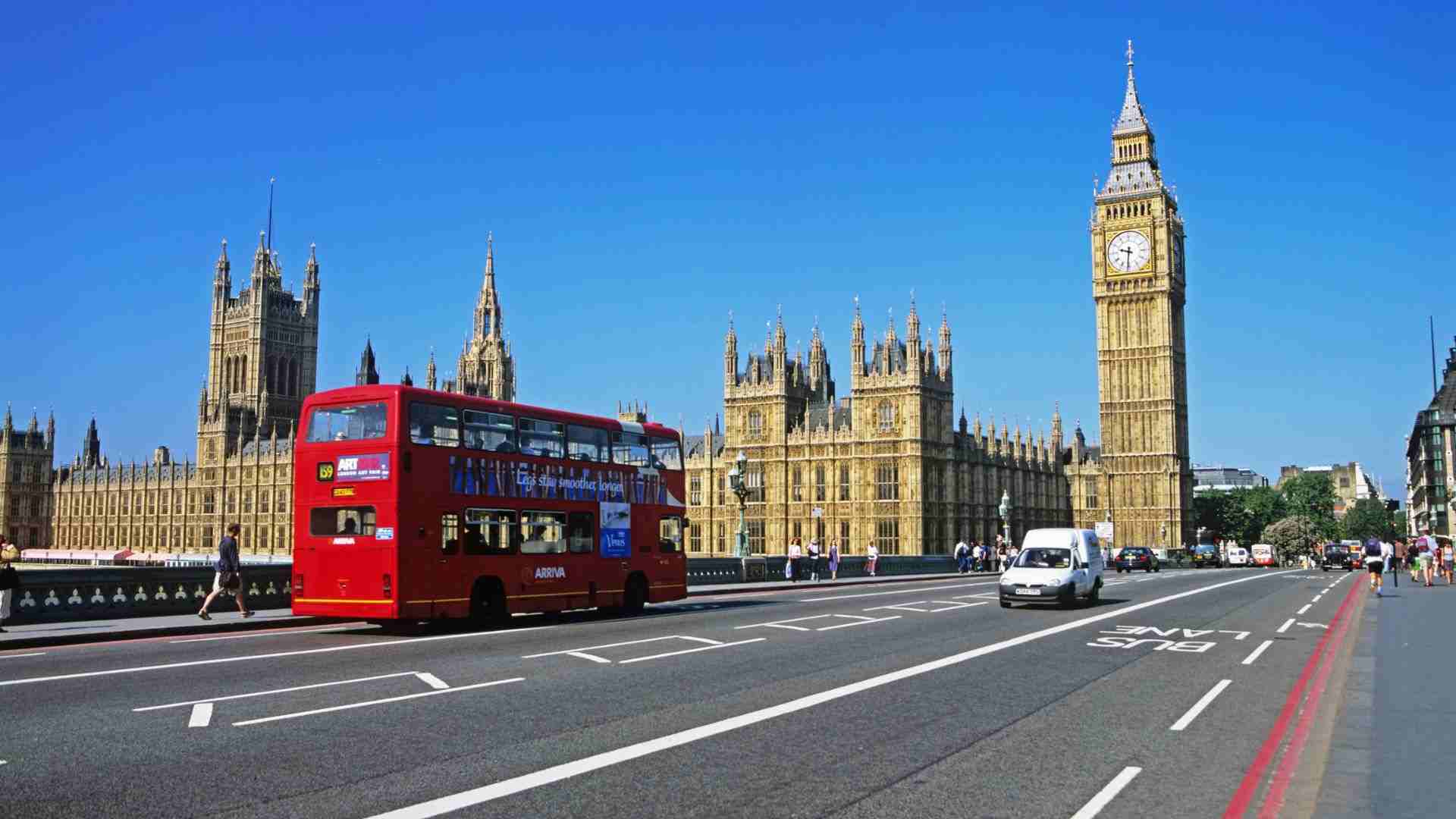
London is easy to recognise. Big Ben. Red buses. Buckingham Palace. Tower Bridge. Black cabs. Probably a photo somewhere in front of the London Eye too. Those places are worth seeing, especially on a first visit. But they’re only one part of the city. Spend a little more time in London and there’s a different side to it. Small museums, strange little streets, old markets, food experiences, neighbourhoods that change completely from one road to the next.
So, what’s actually worth putting on the list?
Start With Something A Little Different
Not every London activity needs to be another landmark. Taste Film is a good example. It combines a film with a full meal, but the food isn’t just served while the movie plays in the background. Courses are matched to what’s happening on screen. A scene changes, and the food changes with it. It’s a fairly unusual dinner experience and a nice option for an evening when the usual restaurant-and-drinks plan feels a bit repetitive.
Then there’s Outernet London, right by Tottenham Court Road. The giant screens there show immersive digital artwork and audiovisual installations across the walls and ceiling. There’s no complicated itinerary needed for it. Just walk in, have a look around and carry on. And because it’s close to Soho, Covent Garden and the West End, it’s easy to fit into a day without going miles out of the way.
There Are Some Brilliant Little Detours
Leighton House Museum in Kensington is one of those places that can easily be missed. From the outside, it doesn’t necessarily prepare visitors for what’s inside.
The Arab Hall has colourful tiles, mosaics, stained glass and a fountain, all inside what was once the home of Victorian artist Frederic Leighton. It feels surprisingly different from the rest of London. That’s part of the fun of the city.
The same goes for walking around Spitalfields, Whitechapel and the East End. There’s no shortage of things to look at, even without a specific attraction in mind. Old buildings, markets, pubs, churches and streets that have been around for generations sit alongside newer developments. And yes, sometimes it helps to have someone explain what’s actually being looked at. A specialist historical walk can turn an ordinary-looking street into something much more interesting. For anyone particularly interested in Victorian London and the history of Whitechapel, a jack the ripper tour is one way to explore that part of the city with more historical context.
Of Course, See the Famous Places Too
There’s no prize for avoiding London’s biggest attractions. The British Museum is still worth visiting. The collection is huge, and it’s very easy to spend several hours there without noticing the time. The Rosetta Stone and Egyptian galleries are obvious highlights, but there’s much more beyond them. Entry to the permanent collection is free, although special exhibitions can be ticketed. Current visitor information is worth checking before going.
Then there’s Tower Bridge. It looks great from the river, but crossing it and going up into the walkways gives a much better sense of the structure itself. The views are good too. The location helps. The Tower of London is nearby, and Borough Market isn’t far away either, so there’s no need to turn the day into a series of long Tube journeys.
Buckingham Palace is another obvious one. The Changing of the Guard attracts plenty of visitors, while the State Rooms are open during specific periods. Times and visitor arrangements can change, so checking the latest details before planning the day is sensible. Visit London is a useful starting point for current attraction information.
Don’t Underestimate the Walking
This is probably one of the easier ways to get more out of London. The city looks enormous on a map, and sometimes it is. But some of the best areas are close enough to walk between. A day around the Tower of London and Tower Bridge can turn into a walk along the Thames. Covent Garden can lead into Soho and the West End. Spitalfields can be explored alongside nearby parts of the East End. And this is where navigation apps are genuinely useful.
Plans change. A place is busier than expected. It starts raining. Someone wants coffee. Suddenly the carefully planned route isn’t happening anymore. Checking walking times, public transport and alternative routes on Google Maps or another navigation app saves a surprising amount of hassle.
For public transport, Transport for London provides current information on contactless payments, Oyster cards and fare caps. The TfL visitor guide is worth checking before the trip.
There’s Always Something New
Even people who have visited London before can find something different on the next trip. The London Museum at Smithfield is scheduled to open its permanent galleries on 28 November 2026, bringing London’s history into the restored Victorian General Market. The museum plans to have free permanent galleries along with new public spaces. Details and updates are available from the London Museum. That’s really the thing about London. The famous sights give a trip its starting point. After that, leave some room. Take the longer walk. Go into the museum that wasn’t originally on the list. Explore a neighbourhood for an afternoon. Stop somewhere because it looks interesting. A perfectly planned London itinerary can be useful. But leaving a little space for whatever happens along the way usually makes the city much more enjoyable.