The Hidden Joys of Slow Travel
Packed itineraries, early check-ins, late flights, and constant movement can turn what should be a break into a race. The modern idea of travel often focuses on quantity — how many countries we’ve seen, how many sights we’ve covered, how much we’ve “done.” But somewhere along the way, the joy of actually being in a place gets lost.
Slow travel is changing that. It’s a simple idea that invites travelers to stay longer, explore deeper, and connect more meaningfully. It doesn’t require a huge budget or months off work — just a shift in mindset. Slow travel is not about how far you go but how much you notice while you’re there.
1. How to Plan a Trip the Slow Way
Planning a slow trip doesn’t mean you avoid structure; it means you build flexibility into it. Choose one main area to explore rather than a long list of stops. Stay in one accommodation for several nights. Use public transport or walk when possible. The goal is to experience daily life rather than constantly prepare for the next move.
This way of planning also reduces travel fatigue. Fewer check-outs and fewer transfers mean more time to enjoy the moment. Slow travelers often find that they actually see more because they have time to notice details instead of chasing schedules.
2. Saving More by Spending Smarter
Slow travel can also be easier on your wallet. Staying in one place often means lower costs for transport and accommodation. Weekly rentals are cheaper than nightly rates, and cooking some meals saves money over time. When you travel slowly, you also make fewer impulse purchases because you’re not caught up in constant motion.
Many travelers find it helpful to use a money tracker to see where their spending goes. It’s a simple tool that helps you notice patterns and stay within budget without feeling restricted. The goal isn’t to limit fun but to travel with awareness — knowing that every dollar spent adds value to your experience.
3. Building Real Connections with Locals
One of the biggest joys of slow travel is meeting people. When you’re not rushing, conversations happen naturally. You might talk to a shop owner, join a local event, or share a meal with neighbors. These small interactions turn a destination into a community.
You start to see how people live beyond the tourist view. You learn what matters to them, how they spend their days, and how different — or similar — life can be. These real connections often become the most memorable part of a trip. They give travel a sense of meaning that goes far beyond sightseeing.
4. Enjoying Food and Culture Through Real Experiences
Food is one of the best parts of traveling, and it becomes even more meaningful when you slow down. Instead of eating in the same type of restaurant everywhere, you can explore local dishes and understand their roots. Visiting small eateries, street stalls, or family-run spots gives you a real taste of culture.
When you stay longer, you start to notice local food habits — what people eat for breakfast, where they buy ingredients, and how they cook. You might even take part in a cooking class or visit a local market. These simple experiences teach more about a place than any museum could.
Cultural experiences also feel more genuine when you give them time. Attending a small community event, watching local performances, or learning basic phrases in the local language builds respect and connection. Slow travel allows you to move beyond being a visitor and become a participant, even for a short time.
5. Finding Calm and Clarity Through Slow Travel
One benefit of slow travel that often surprises people is how much it improves mental well-being. When you’re not rushing from one site to another, your body and mind relax. You sleep better, eat better, and start to feel more present.
This slower pace helps reduce what psychologists call “decision fatigue.” You make fewer quick choices about transport, schedules, or where to eat next. That frees up mental space for real experiences. Taking time to rest or even spend a quiet day doing nothing is not a waste — it’s part of the journey.
Many travelers say they return home with a clearer mind and more balanced outlook. They notice they’re less stressed and more patient. Traveling slowly teaches you how to be comfortable with stillness, something modern life often lacks.
6. Packing Light and Traveling Smarter
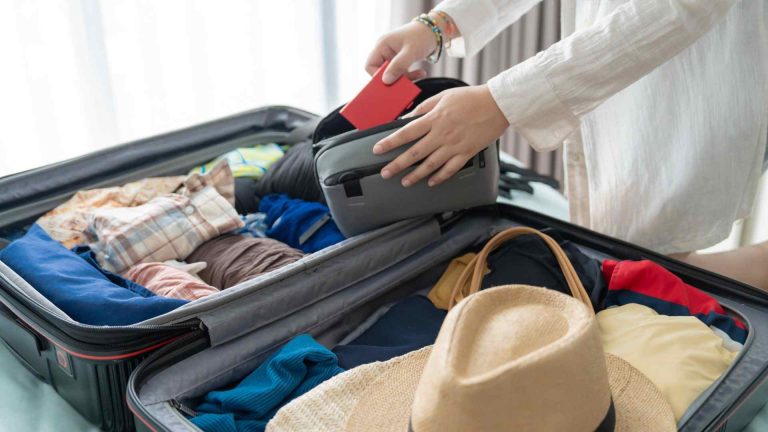
Slow travel also changes how you pack. When you stay longer in one place, you realize you don’t need as much as you think. Bringing versatile clothing that can be mixed and matched saves space and effort. Lightweight luggage also makes moving around easier, especially when using public transport or walking short distances.
Packing light reduces the physical and mental load of travel. You spend less time worrying about lost items and more time enjoying where you are. Essentials like a reusable water bottle, a small first-aid kit, and a good pair of shoes usually go further than a suitcase full of “just in case” items.
Traveling with less also supports a simpler mindset. You learn that experiences matter more than things, and that comfort often comes from being adaptable rather than overprepared.
7. Adopting Slow Travel Even on Short Trips
You don’t need months off work to travel slowly. Even a weekend getaway can be done with the same approach. Choose one town or area, skip the rush to see everything, and let your time unfold naturally. Walk instead of driving, visit local markets, or spend an afternoon at a park or beach doing nothing at all.
The idea is to focus on quality over quantity. You might find that you enjoy short trips more when you stop trying to fit too much in. This mindset can apply anywhere — even in your own city. Taking time to explore familiar places at a slower pace helps you see them in a new light.
Once you try this approach, it often changes how you plan future travels. You start valuing time and connection over constant motion.
Slow travel isn’t about rejecting modern tourism — it’s about improving it. It lets you see places as they are, not as they appear in brochures. By traveling slowly, you spend less, learn more, and return home feeling rested instead of worn out.
It’s a way of traveling that respects the planet, supports local people, and gives you deeper experiences. You don’t need to change everything overnight — just take one trip where you stay longer, move less, and notice more.
The joy of slow travel lies in realizing that time, not distance, makes a journey memorable.