The Hidden History Most Tourists Never Discover
Every city has two histories. There’s the polished version printed on brochures and displayed on museum signs. And then there’s the one whispered through alleyways, preserved in old taverns, hidden beneath modern streets, and remembered by local storytellers.
If you truly want to understand a destination, you have to look beyond the postcard attractions. Here are six historic American cities where the most fascinating stories are often the ones many tourists never hear.
Annapolis, Maryland
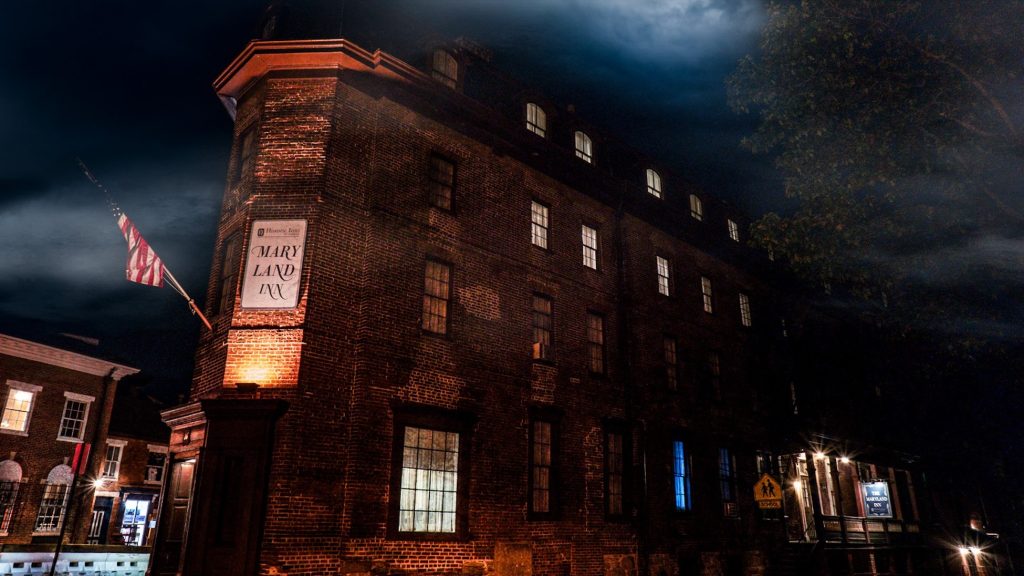
Visitors usually know Annapolis for its picturesque harbor, colonial architecture, and the U.S. Naval Academy. But beneath its charming waterfront lies a far more complicated story.
Long before elegant sailboats lined the harbor, Annapolis was a bustling colonial port built through international trade, political intrigue, and the labor of enslaved people.
The city’s narrow brick streets have witnessed public executions, devastating fires, duels, and the constant tension of a young nation finding its identity. Many visitors admire the beautifully preserved homes without realizing that some belonged to influential merchants whose fortunes were tied to the Atlantic slave trade.
The city also carries countless maritime stories. Sailors who vanished at sea, privateers who preyed on enemy ships, and merchants who risked everything crossing the Chesapeake Bay all helped shape Annapolis into the city it is today. Walking tours often reveal these forgotten chapters, connecting mundane-looking sites to the dark history and haunting stories that surround them.
Williamsburg, Virginia
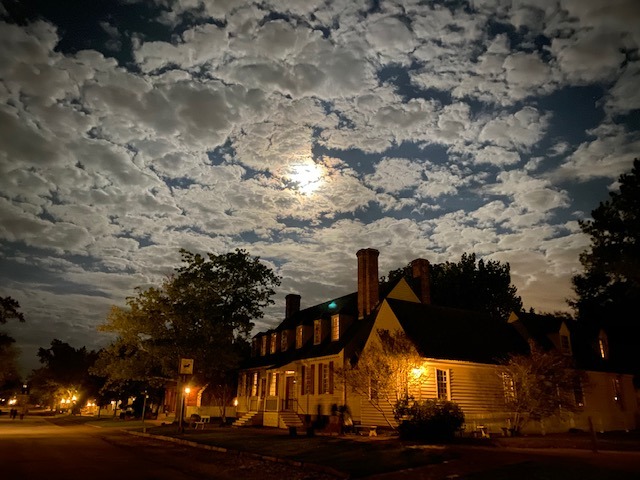
Millions visit Colonial Williamsburg to experience America’s revolutionary past, but the city’s true history extends well beyond powdered wigs and patriotic speeches.
Williamsburg was once the political heart of colonial Virginia, where debates about liberty unfolded alongside the brutal realities of slavery. Behind the stately government buildings and restored homes lived thousands of enslaved Africans whose labor sustained the colony’s economy while their voices were largely excluded from its promises of freedom.
The city also witnessed disease outbreaks, political conspiracies, public punishments, and personal tragedies that rarely make their way into simplified historical narratives. Hidden gardens, forgotten cemeteries, and modest outbuildings tell stories every bit as important as those inside the Governor’s Palace. Walking tours that explore the lesser-known history and urban legends provide a far richer understanding of Williamsburg than many visitors ever expect.
Deadwood, South Dakota
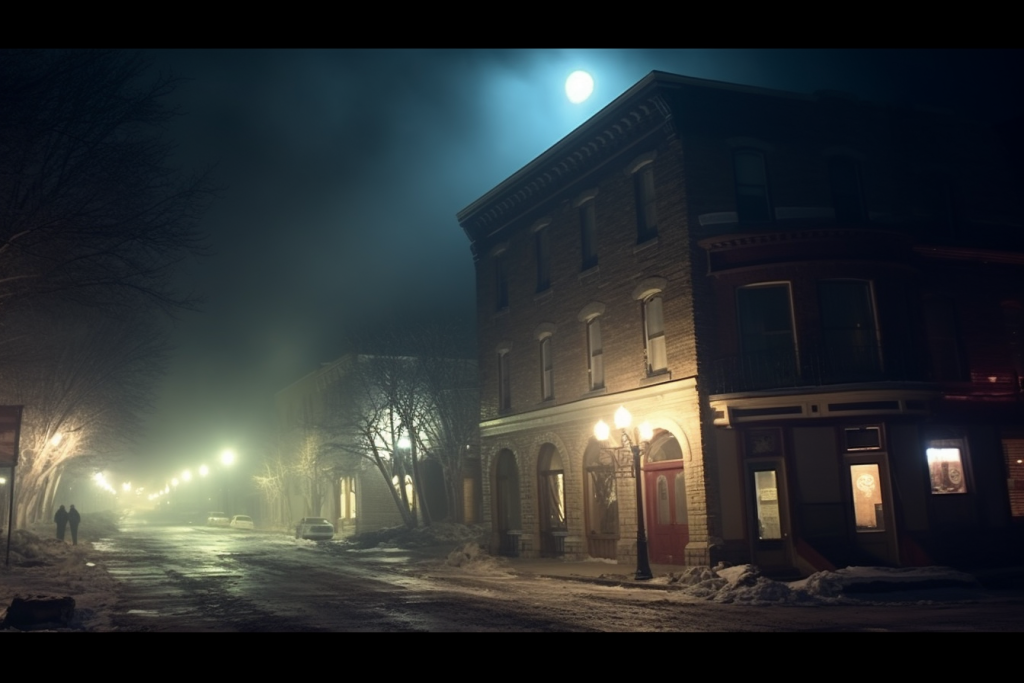
Deadwood is famous for Wild Bill Hickok, Calamity Jane, and the lawless excitement of the Gold Rush. However, the real story of Deadwood is far more complex than Hollywood often portrays.
The Black Hills gold rush transformed the region almost overnight, attracting prospectors, gamblers, entrepreneurs, immigrants, and outlaws from across the country. While legendary gunfights capture most of the attention, countless ordinary people risked everything hoping to build new lives in an unpredictable frontier town. And many didn’t make it, which may be why Deadwood has so many haunted places, like the Wild Bill Bar, named after Wild Bill Hickock himself.
Deadwood also stands on land sacred to the Lakota people, whose history predates the mining boom by centuries. The rapid expansion of settlers following the discovery of gold violated existing treaties and permanently altered the region’s cultural landscape.
Today, visitors who venture beyond the casinos discover stories of resilience, cultural conflict, devastating fires, and the remarkable rebuilding of one of America’s most iconic frontier towns.
Salem, Massachusetts
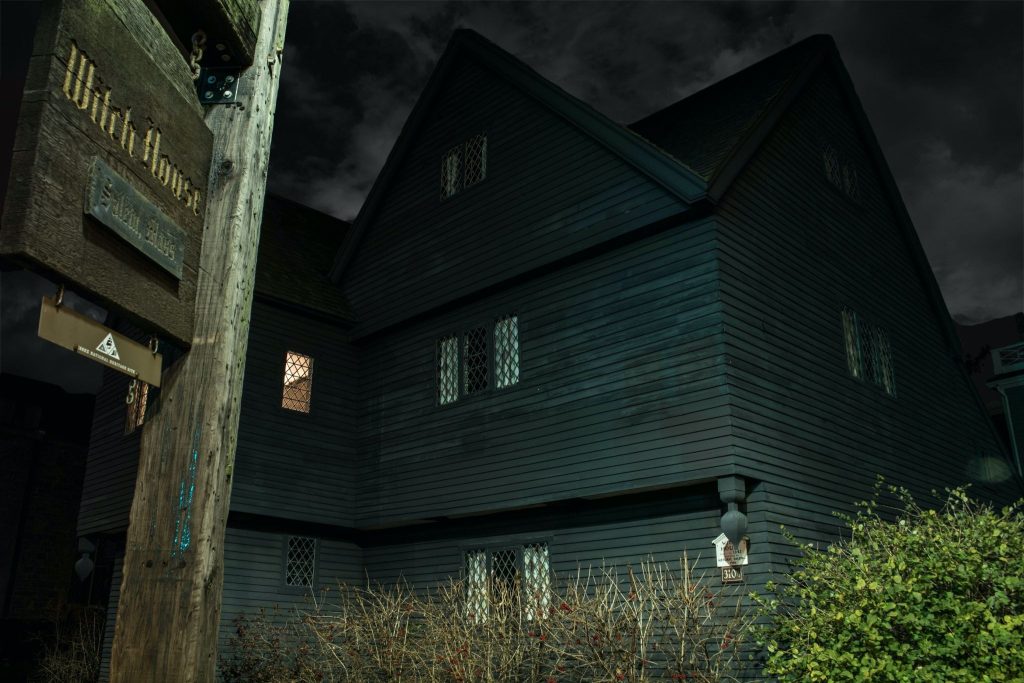
For many travelers, Salem means witches. Yet focusing solely on the infamous 1692 witch trials overlooks centuries of remarkable history that shaped this coastal New England community.
Before becoming synonymous with witchcraft, Salem was one of America’s busiest maritime ports. Wealth generated through international trade filled the city with elegant mansions, merchant houses, and bustling wharves connecting Massachusetts to Europe, Asia, and the Caribbean.
The witch trials themselves were less about magic than fear, religious tension, political instability, and social division. Understanding those underlying forces transforms Salem from a collection of scary stories into a powerful lesson about justice, prejudice, and mass hysteria.
That being said, Salem still has its share of spooky attractions, most of which are connected in some way to the Salem Witch Trials. But even a good ghost tour will go beyond the typical tales as visitors discover fascinating architecture, literary history, immigrant communities, and stories of maritime adventure in addition to some fun frights.
Tombstone, Arizona
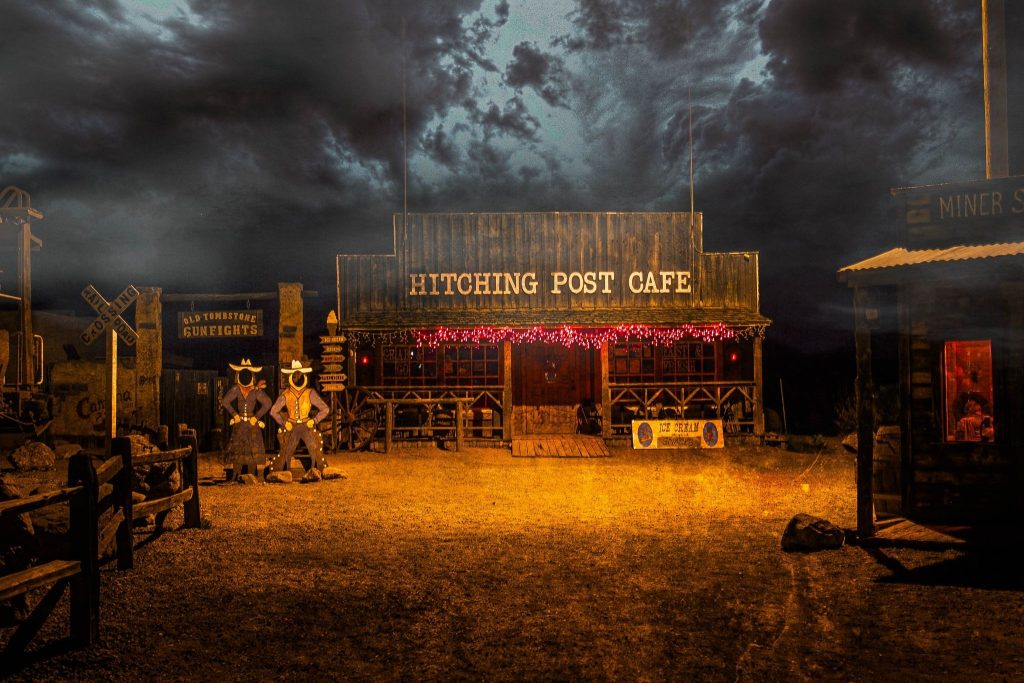
Most visitors arrive in Tombstone expecting daily reenactments of the Gunfight at the O.K. Corral. While that famous confrontation certainly shaped the town’s legend, it represents only a brief chapter in Tombstone’s remarkable history.
Founded during Arizona’s silver boom, Tombstone quickly became one of the wealthiest mining communities in the American Southwest. Thousands of miners, merchants, immigrants, families, and entrepreneurs built schools, churches, and businesses that transformed what had once been remote desert.
The town also endured catastrophic fires, devastating floods, labor disputes, and economic collapse as silver production declined. Many historic buildings standing today survived these challenges through determined preservation efforts rather than luck alone.
Not to mention several infamous murders, besides the deaths at the O.K. Corral. Take the axe murder of Andrew Mathis, for example. While it’s no Lizzie Borden case, this event is infamous in its own right.
The victim’s housekeeper, Eva Dugan, was convicted of the murder and sentenced to hang. But the executioner misjudged the length of rope, causing her to be gruesomely decapitated. Because of the botched execution, Arizona abolished hanging and replaced the gallows with the gas chamber.
Washington, D.C.
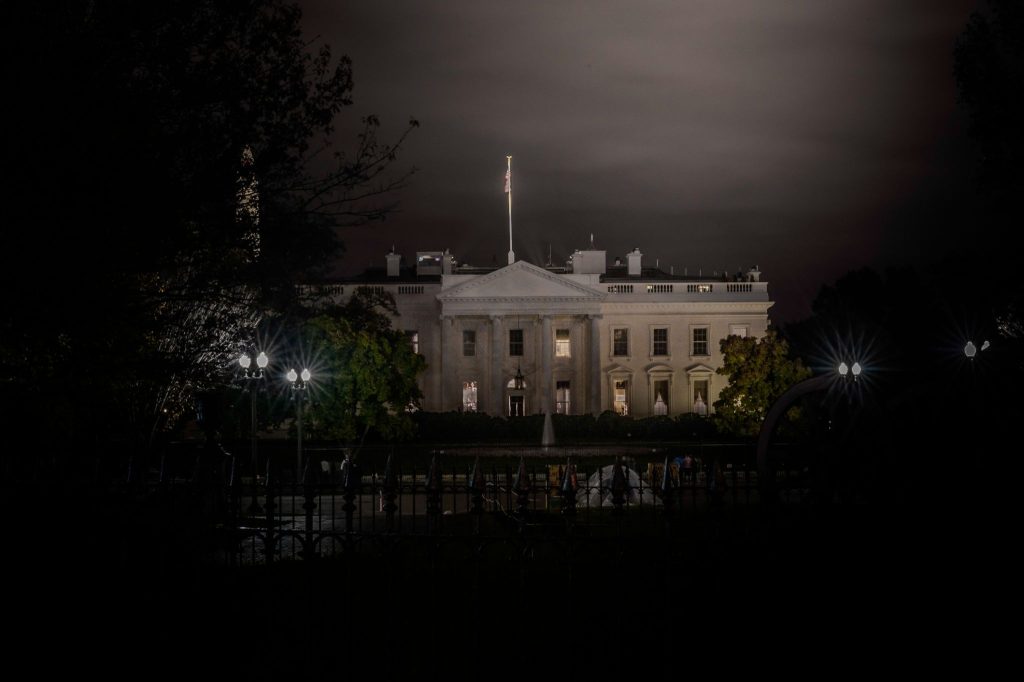
America’s capital is often viewed through the lens of monuments, museums, and government institutions. But behind its grand marble facades lies a city shaped by generations of workers, reformers, immigrants, activists, and everyday residents.
Many visitors never learn that enslaved laborers helped construct some of Washington’s most recognizable federal buildings. Nor do they realize that neighborhoods now filled with historic row houses once stood at the center of fierce struggles over segregation, civil rights, and urban redevelopment. And did you know that several first ladies held séances in the White House?
Walking through lesser-known districts reveals hidden cemeteries, historic alleyways, former boarding houses, and communities that played critical roles in shaping American democracy. Stories of abolitionists, suffragists, civil rights leaders, journalists, and ordinary citizens unfold just blocks from the Capitol.
Discover America’s Hidden History
The best travel experiences occur when we venture beyond the obvious. Hidden history isn’t hidden because it lacks importance; it just requires a little more curiosity to uncover. Whether you’re exploring one of these cities or your own hometown, walking a little farther and listening a little closer often reveals the stories that leave the deepest impression long after your journey ends. So when you are choosing a walking tour, look for ones like Lizzie Borden Ghost Tours, whose guides aren’t afraid to dig a little deeper and uncover what hides in the dark.