The Travel Habit That Can Change the Way You Experience a New City
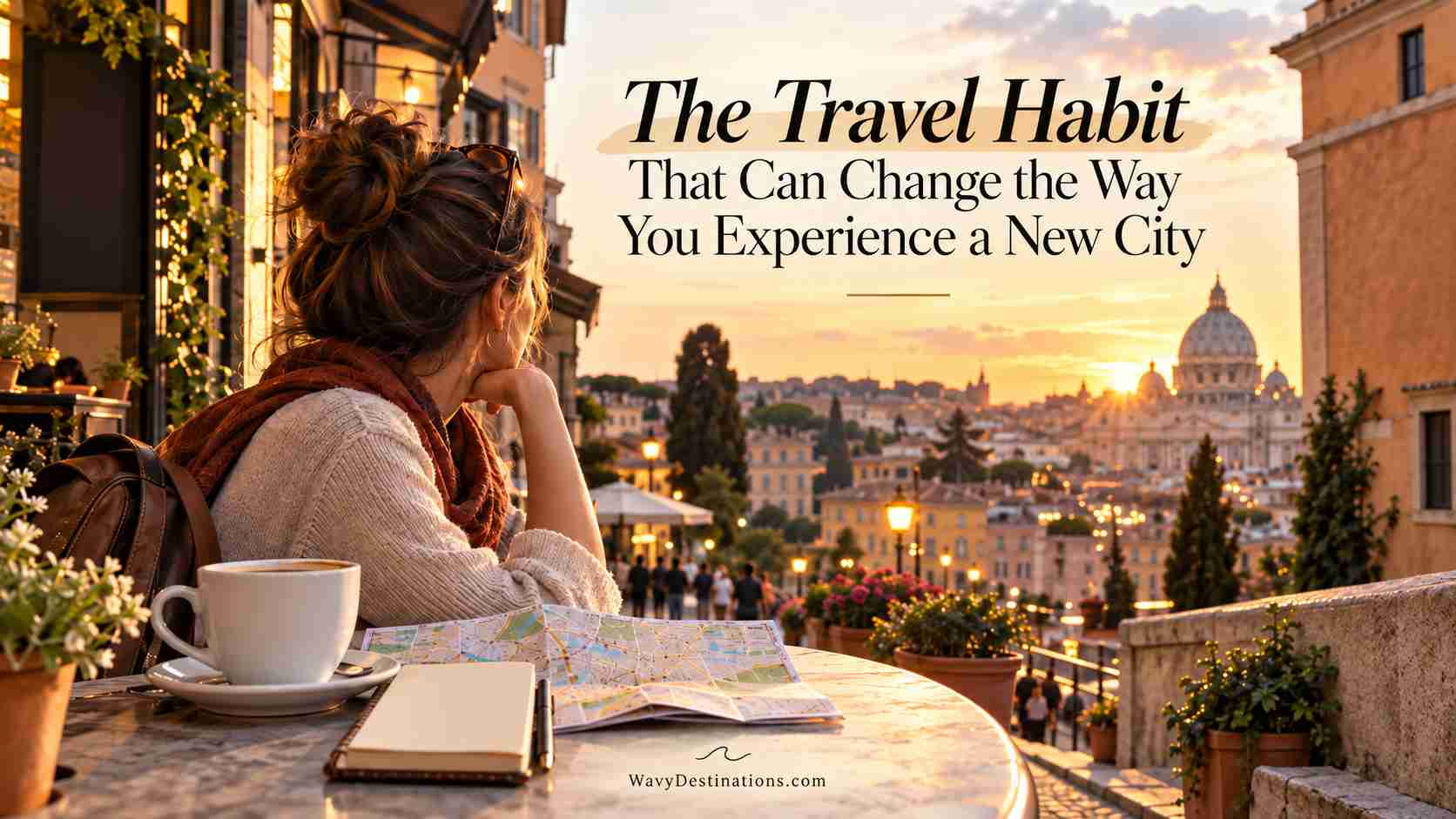
There is a difference between visiting a city and actually experiencing it. The typical holiday involves a list of attractions, a few highly recommended restaurants, plenty of photographs, and the constant feeling that there is still something you haven’t seen. By the time you fly home, you may have visited all the famous places without ever discovering what the city actually feels like.
One simple way to travel differently is to spend a little more time in one place and create a temporary routine. Instead of changing hotels every couple of nights, choose a neighborhood, find your favorite café, walk the same streets more than once, and permit yourself to have an ordinary afternoon. Even practical details become part of the experience, from deciding what to eat for breakfast to picking up a few best promotional products for friends or colleagues back home.
Stop Trying to See Everything
There is an odd pressure to make every travel day count. If you’re in Paris, you need to see the Eiffel Tower. If you’re in Rome, you need the Colosseum. If you’re in New York, you need to visit Times Square. The list can become so long that a vacation starts to resemble a work project.
The problem is that some of the best travel experiences aren’t found on a checklist.
So, a good travel habit is, Sit in a park and watch people going about their day. Wander down a street because you like the look of it. Spend an hour in a bookstore. Have lunch somewhere that wasn’t recommended by a travel influencer. Take the long way back to your accommodation.
You aren’t wasting time. You are experiencing the place.
Make Your Money Part of the Adventure
Traveling more slowly can also change the way you think about spending. Instead of constantly paying for another attraction, organized excursion, or expensive restaurant, you may find that some of your favorite experiences cost very little.
That doesn’t mean ignoring your travel budget. In fact, knowing what you can comfortably spend can make a trip more enjoyable because you’re not second-guessing every purchase.
This is where the idea of lifestyle-based financial planning becomes interesting. A company such as RowanOak Private Wealth focuses on wealth planning, and the broader principle is worth considering when thinking about travel: money is most useful when it supports the life you actually want.
If travel is important to you, it makes sense for your long-term financial plans to account for it rather than treating every holiday as an unexpected expense.
Let Yourself Have an Unproductive Day
One of the hardest things for busy people to do on vacation is absolutely nothing.
There can be a strange sense of guilt attached to spending half a day by the pool, sitting on a balcony, reading a book, or simply wandering around without a destination. We have become so accustomed to being productive that even relaxation can start to feel like another task we need to accomplish correctly.
But a slower day can be exactly what you need.
Travel is supposed to give you a break from your normal routine, not provide you with a new version of the same stressful schedule. You don’t have to return home exhausted just to prove that you made the most of your holiday.
Bring the Feeling Home With You
The best thing about traveling slowly is that you may return with more than photographs and souvenirs. You might bring home a different approach to your everyday life.
Maybe you realize that you enjoy walking more than driving. Maybe you discover that eating dinner without your phone makes you happier. Perhaps you decide that you don’t need to fill every weekend with plans.
Travel can reveal how differently life can be organized.
And sometimes the most valuable souvenir isn’t something you bought in an airport shop. It’s the realization that your everyday life can have some of the same qualities you loved while you were away: more curiosity, more spontaneity, and a little more room to simply enjoy where you are.