Why Healthcare Manufacturing Is Changing So Quickly
Healthcare is an industry where change can have enormous consequences. New treatments, medical devices, diagnostic technologies, and digital tools are constantly being developed, but creating a useful medical product is only part of the challenge. It also has to be manufactured reliably, consistently, and at a scale that can meet demand. That is one reason healthcare manufacturing is evolving so quickly, with companies looking for better ways to combine technology, skilled workers, and efficient production.
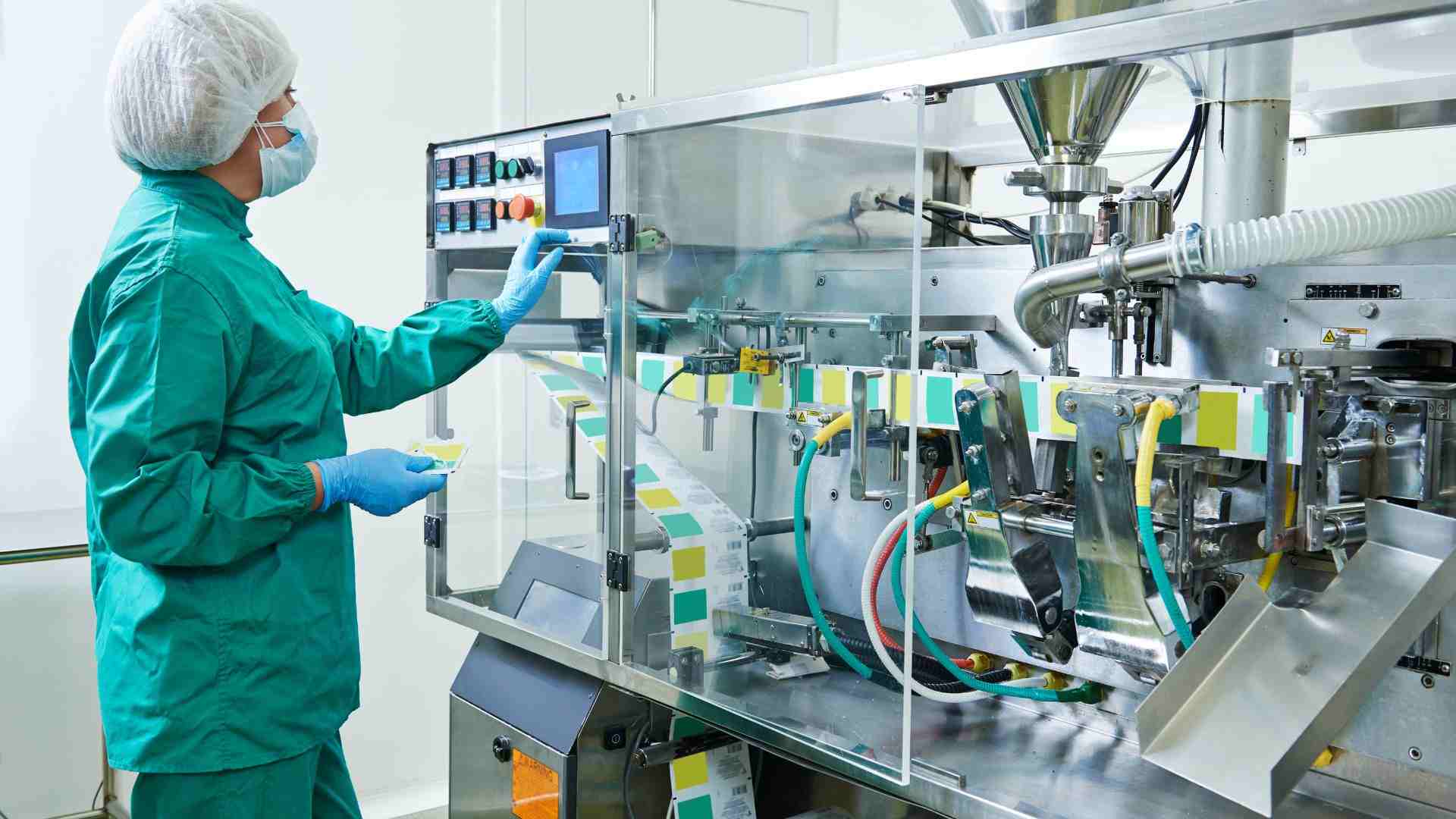
The changes are particularly noticeable in manufacturing itself. Processes that once depended heavily on repetitive manual work are increasingly being redesigned around automation and more sophisticated equipment. healthcare assembly automation is one example of this shift. Automated assembly can help manufacturers handle repetitive processes with consistency while allowing employees to concentrate on tasks that require judgment, oversight, and technical expertise.
At the same time, healthcare companies are dealing with increasingly complicated business environments. A manufacturer might need to manage suppliers, production, employees, equipment, regulations, logistics, and changing customer demands all at once. That makes operational expertise just as important as the technology being used on the factory floor. Organizations such as The Oakman Group Inc. work with businesses on their broader operational needs, illustrating how much goes into keeping a complex organization functioning effectively.
Healthcare Has Become More Technology-Driven
One of the biggest reasons manufacturing is changing is that healthcare itself has become more dependent on technology. Medical devices are becoming more sophisticated, diagnostic equipment is becoming more advanced, and many products require a level of precision that would have been difficult to achieve with older manufacturing methods.
As products become more complicated, the processes used to manufacture them have to evolve as well.
This doesn’t necessarily mean that machines are replacing people. In many cases, it means people are using machines to perform particular tasks more accurately or efficiently. Employees can then spend more time monitoring processes, solving problems, checking quality, and making decisions when something doesn’t go according to plan.
That combination of automation and human expertise is likely to become increasingly important as healthcare products become more advanced.
The Pressure to Produce More Efficiently
Healthcare also faces a constant balancing act between demand, cost, quality, and reliability. Producing more products isn’t necessarily useful if doing so creates more waste or increases the risk of errors. Manufacturers therefore have to think carefully about how every stage of production is organized.
Automation can help address some of these challenges, particularly when a task needs to be repeated thousands of times. A well-designed automated process can provide consistency while reducing the amount of manual effort required for repetitive work.
But efficiency isn’t simply about making a machine work faster. A truly efficient manufacturing system has to consider the entire process, from materials entering a facility to finished products leaving it. If one part of the operation is improved while another becomes a bottleneck, the overall result may not be much better.
This is why healthcare manufacturing is becoming as much about smart systems and planning as it is about individual machines.
Skilled Workers Are Still Essential
It might seem strange that an industry can become more automated while still needing highly skilled people, but the two developments actually go together.
Modern equipment requires people who understand how it works, how to monitor it, and what to do when something unexpected happens. Engineers, technicians, quality specialists, production managers, and other professionals all play important roles in keeping automated operations running properly.
There is also an important human element in deciding what should be automated in the first place. Not every task benefits from being handed over to a machine. Some processes require flexibility, experience, or problem-solving that technology cannot easily replicate.
The future of healthcare manufacturing is therefore unlikely to be simply “people versus machines.” It is much more likely to be about finding the right combination of both.
What the Future Could Look Like
The healthcare products we use in the future may be very different from those available today, but the biggest changes may happen behind the scenes.
Manufacturers will continue looking for ways to make production more consistent, reduce unnecessary waste, respond more quickly to demand, and handle increasingly sophisticated products. Automation will play an important role, but so will the people who design, manage, maintain, and improve those systems.
Ultimately, the goal isn’t technology for its own sake. It is to create a healthcare manufacturing process that can keep up with an industry that is constantly changing.
And as healthcare continues to advance, the ability to manufacture its products efficiently may become just as important as the ability to invent them in the first place.