Traditional Indonesian Food: 10 Foods That Will Steal Every Foodie’s Heart
Curious about traditional Indonesian food? Trust me, you’re not alone! With over 17,000 islands and hundreds of ethnic groups, Indonesia’s food scene is one of the most diverse and exciting in the world.
Each dish tells a story of history, spice routes, and cultural traditions, blending sweet, salty, spicy, and savory notes into unforgettable flavors.
I still remember my first plate of nasi goreng in Bali—the smoky fried rice topped with a sunny-side-up egg, served with crunchy crackers on the side. It was simple, but it hit all the right notes: comforting, flavorful, and satisfying.
That’s the magic of Indonesian cuisine—it takes everyday ingredients and transforms them into dishes bursting with character.
So, ready to explore what makes this food culture so amazing? Let’s dig in!
1. Nasi Goreng
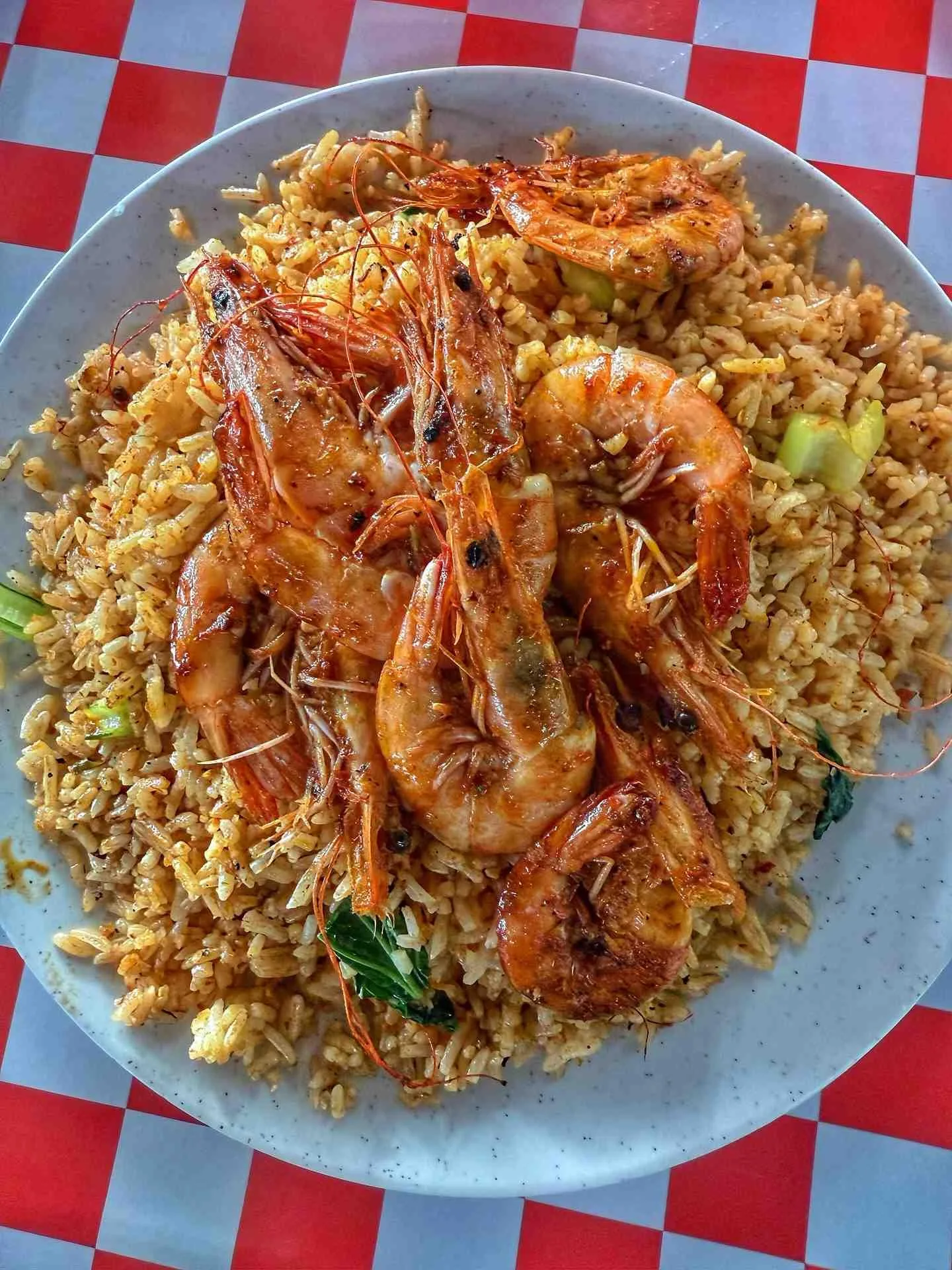
Nasi Goreng, Indonesia’s beloved fried rice, is a flavorful dish cooked with kecap manis (sweet soy sauce), garlic, shallots, chili, and shrimp paste. It’s often topped with a fried egg and served with prawn crackers, pickles, or satay on the side. Unlike typical fried rice, Nasi Goreng carries a deep smoky sweetness balanced with spice.
Found everywhere from street stalls to restaurants, it’s considered Indonesia’s national dish. Simple yet bold, Nasi Goreng embodies the heart of Indonesian comfort food, loved by locals and travelers alike.
2. Satay (Sate)
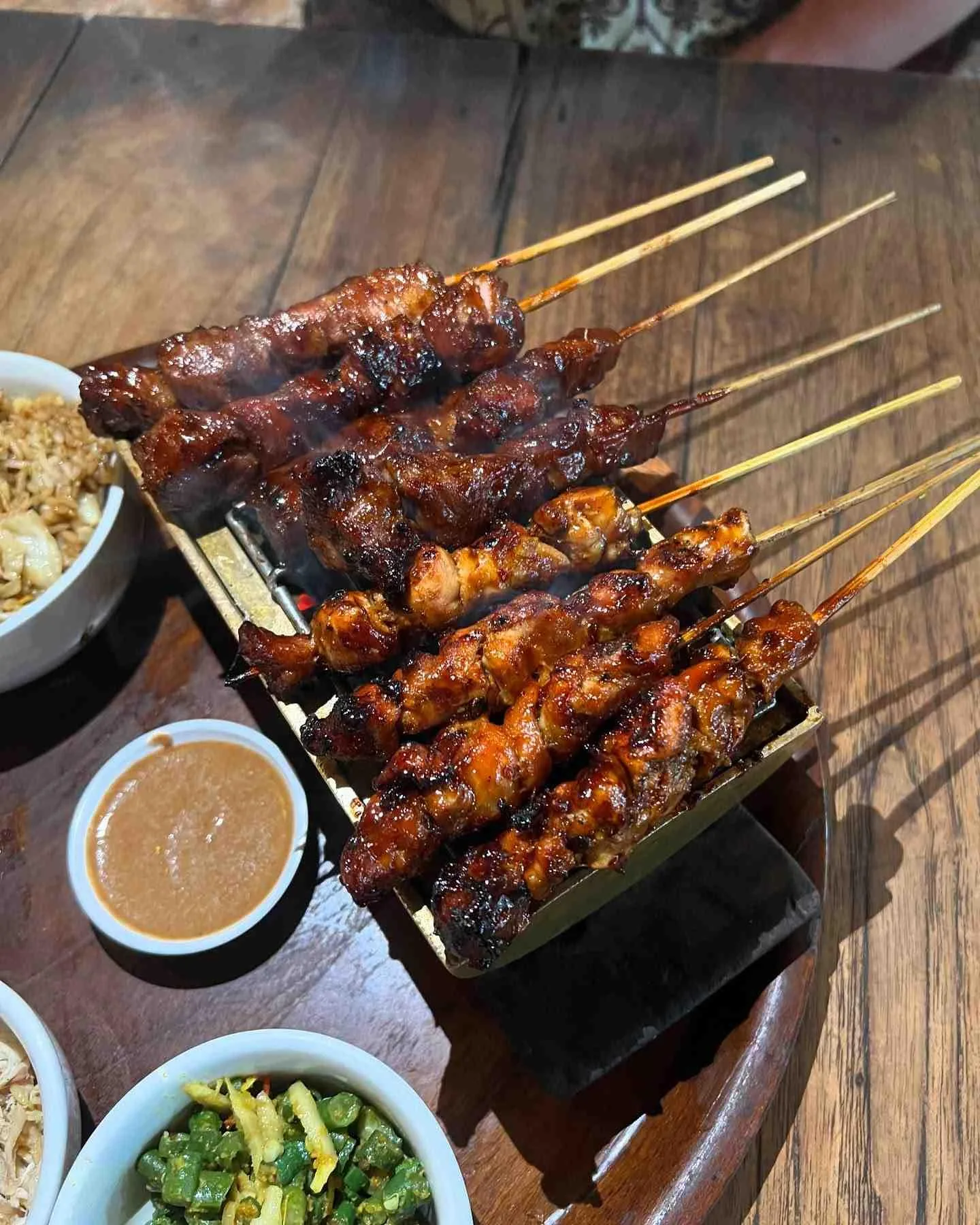
Satay, or Sate, is one of Indonesia’s most famous culinary creations—skewered and grilled meats served with a rich peanut sauce. Chicken, beef, goat, or even seafood can be used, marinated in spices before being charred to smoky perfection. The peanut sauce adds a creamy, nutty sweetness that balances the savory meat.
Satay is enjoyed as street food or at festive gatherings, symbolizing Indonesia’s communal dining culture. Its irresistible aroma and combination of flavors have made Satay a global favorite, proudly representing Indonesian cuisine around the world.
3. Gado-Gado
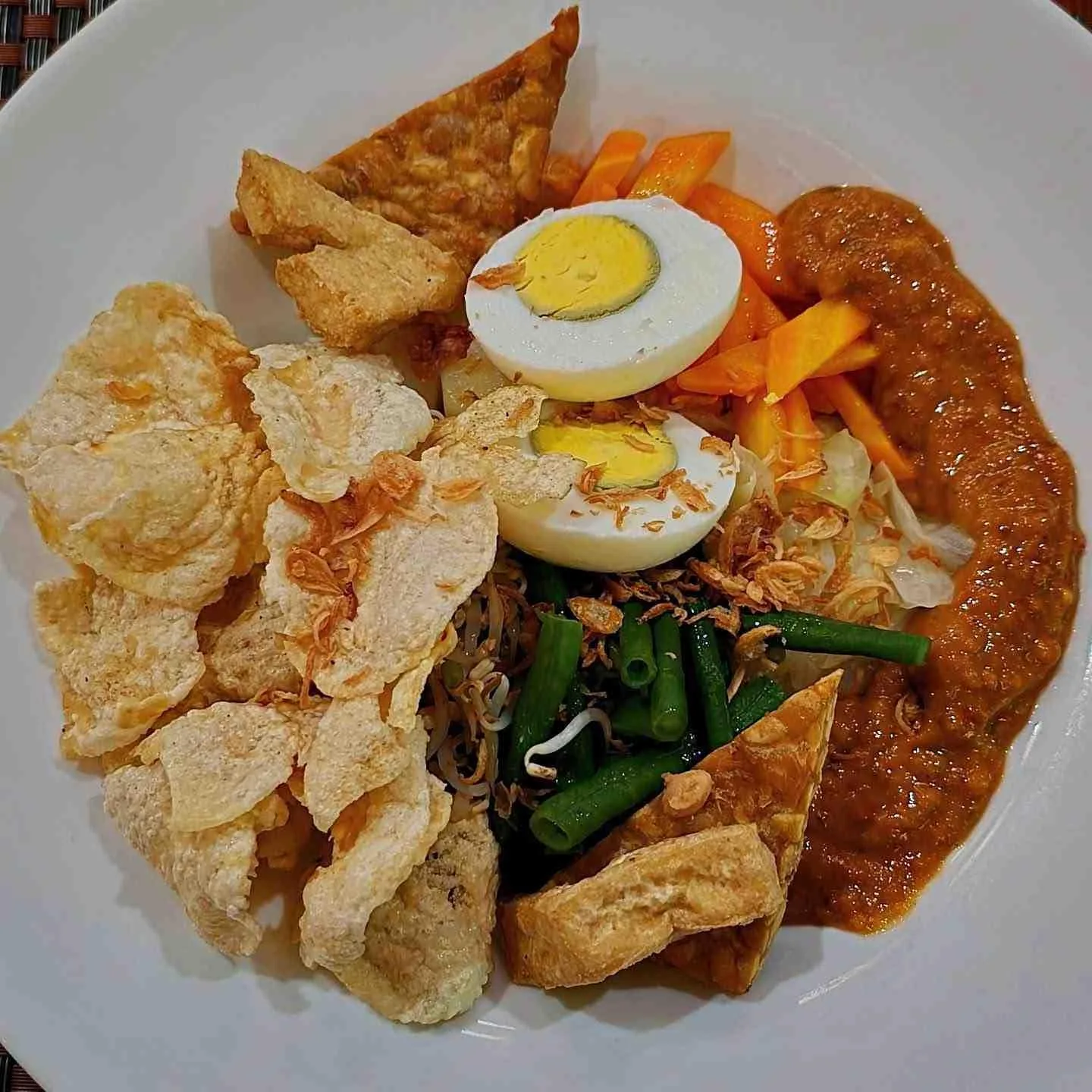
Gado-Gado is a colorful Indonesian salad made with boiled vegetables, tofu, tempeh, and hard-boiled eggs, all smothered in a creamy peanut sauce. Often served with rice cakes or crackers, it’s hearty, flavorful, and nutritious.
The name “Gado-Gado” means “mix-mix,” reflecting the dish’s variety and balance. Its combination of textures—from crunchy vegetables to silky sauce—makes it both comforting and refreshing.
Gado-Gado showcases Indonesia’s ability to transform simple ingredients into a vibrant, satisfying dish that appeals to both vegetarians and meat lovers, highlighting the nation’s culinary versatility.
4. Rendang
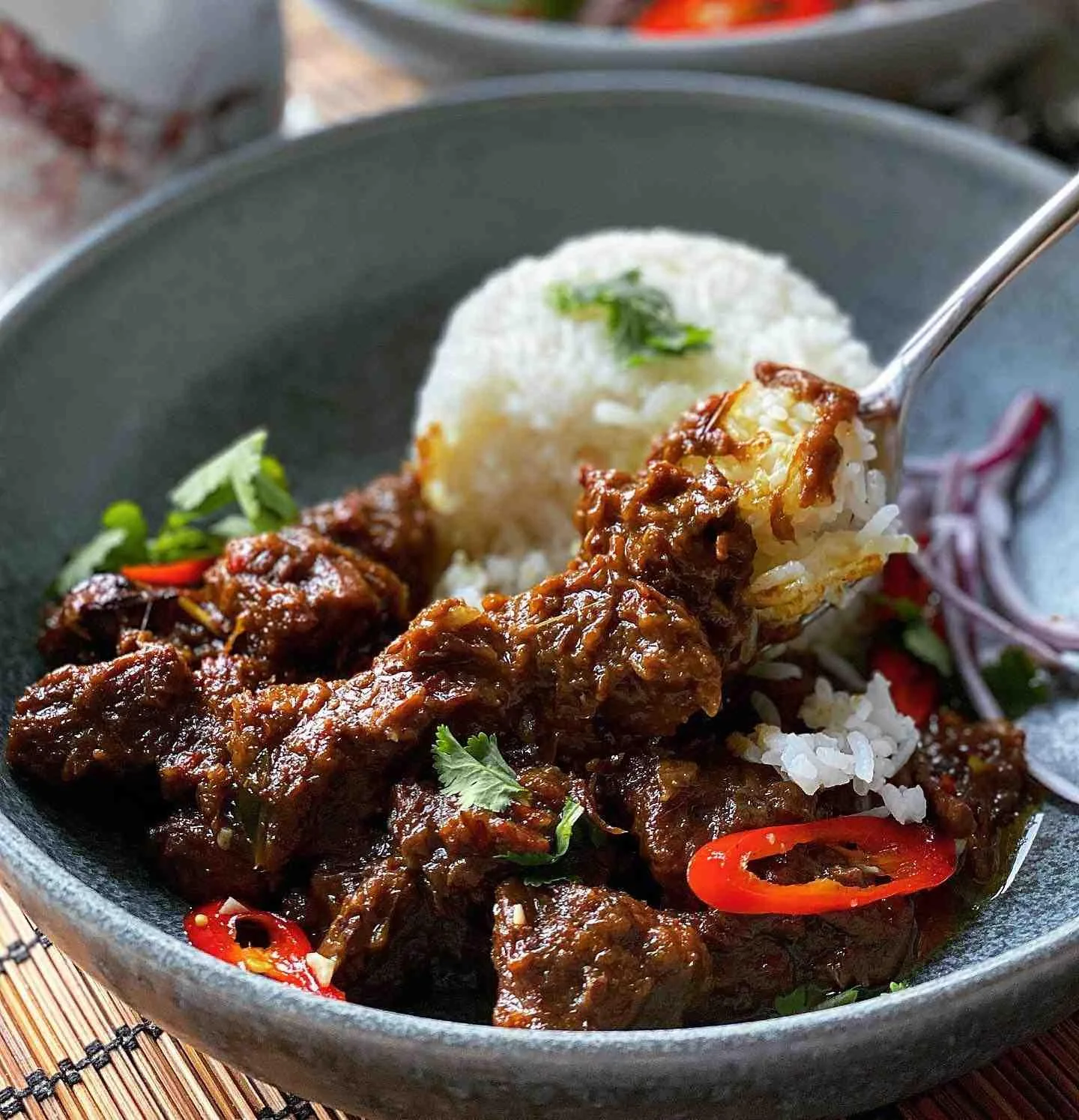
Rendang is a rich, slow-cooked beef dish from West Sumatra, famous for its deep flavors and tender texture. Beef is simmered in coconut milk and a fragrant blend of spices including ginger, garlic, lemongrass, chili, and turmeric until the sauce reduces into a thick coating. Traditionally served at ceremonies and festivals, Rendang symbolizes honor and tradition.
It’s often considered one of the world’s most delicious dishes, thanks to its complex balance of savory, spicy, and slightly sweet notes. Rendang represents Indonesian cooking at its finest.
5. Soto
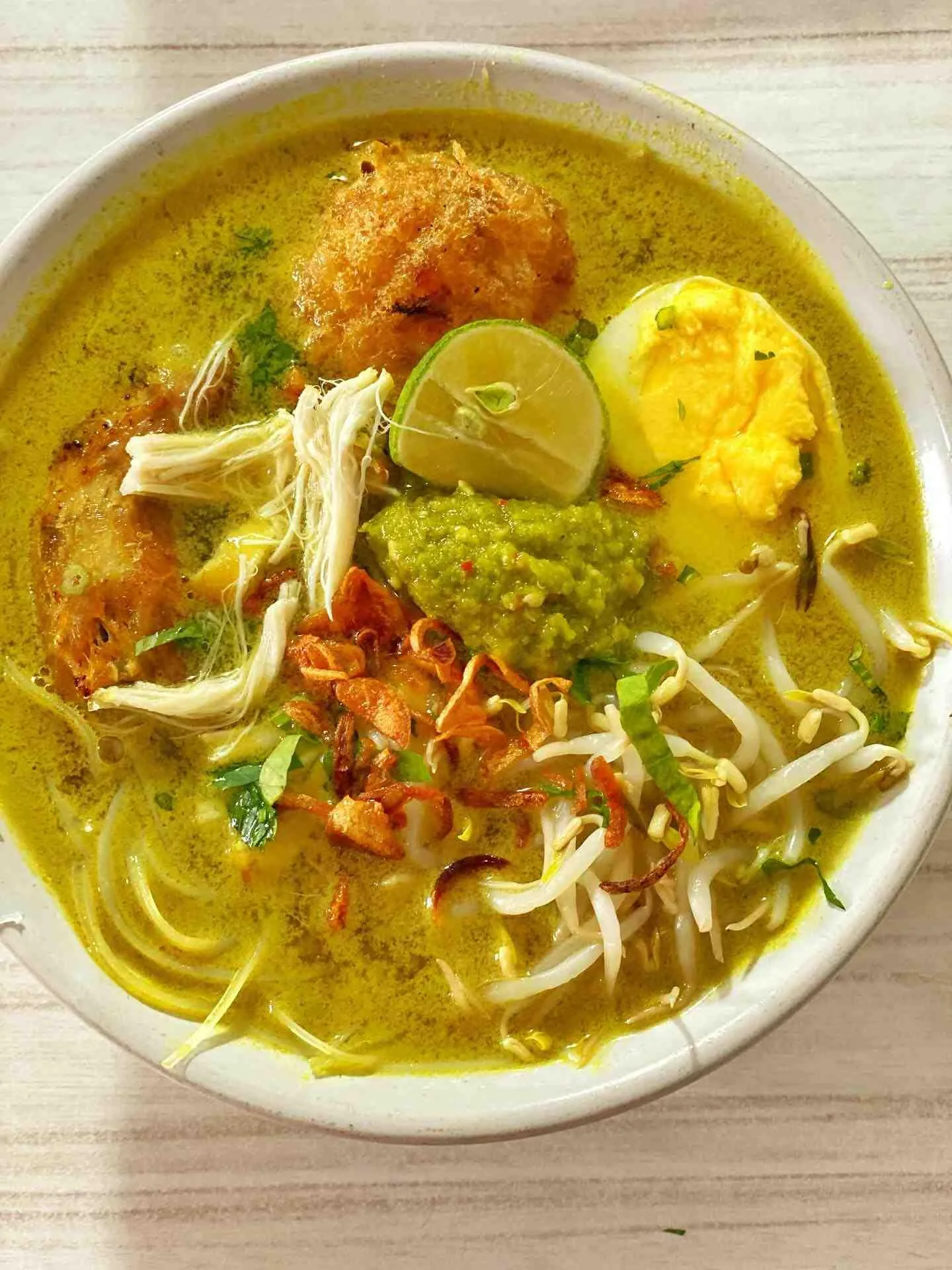
Soto is a traditional Indonesian soup made with a clear, fragrant broth, shredded chicken or beef, vermicelli noodles, herbs, and spices. Often garnished with lime, boiled eggs, and fried shallots, each region in Indonesia has its own version, such as Soto Betawi or Soto Ayam. Light yet flavorful, Soto is a beloved comfort food eaten any time of day.
It highlights Indonesia’s diversity, as local ingredients and traditions influence each variation. Soto’s warmth and depth of flavor make it a staple in homes and markets nationwide.
6. Bakso
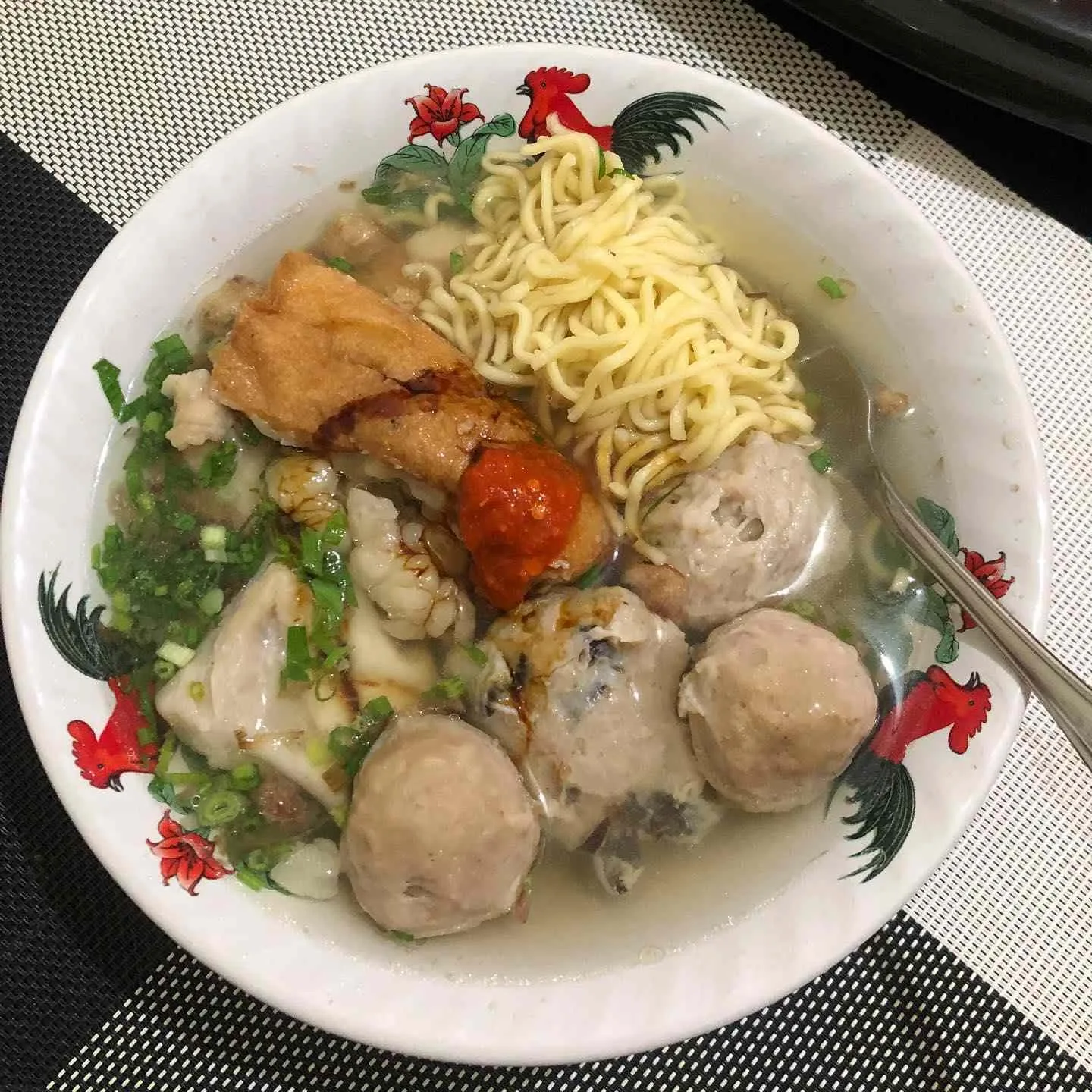
Bakso is Indonesia’s famous meatball soup, often sold by street vendors from pushcarts. The meatballs, made from beef or chicken mixed with tapioca flour, are served in a savory broth with noodles, vegetables, and sometimes tofu or dumplings. Affordable, filling, and flavorful, Bakso is a favorite among students, workers, and families.
Its chewy texture and hearty broth create a comforting meal that fits any occasion. Bakso represents the heart of Indonesian street food—simple, accessible, and delicious, offering warmth and satisfaction in every bite.
7. Nasi Padang
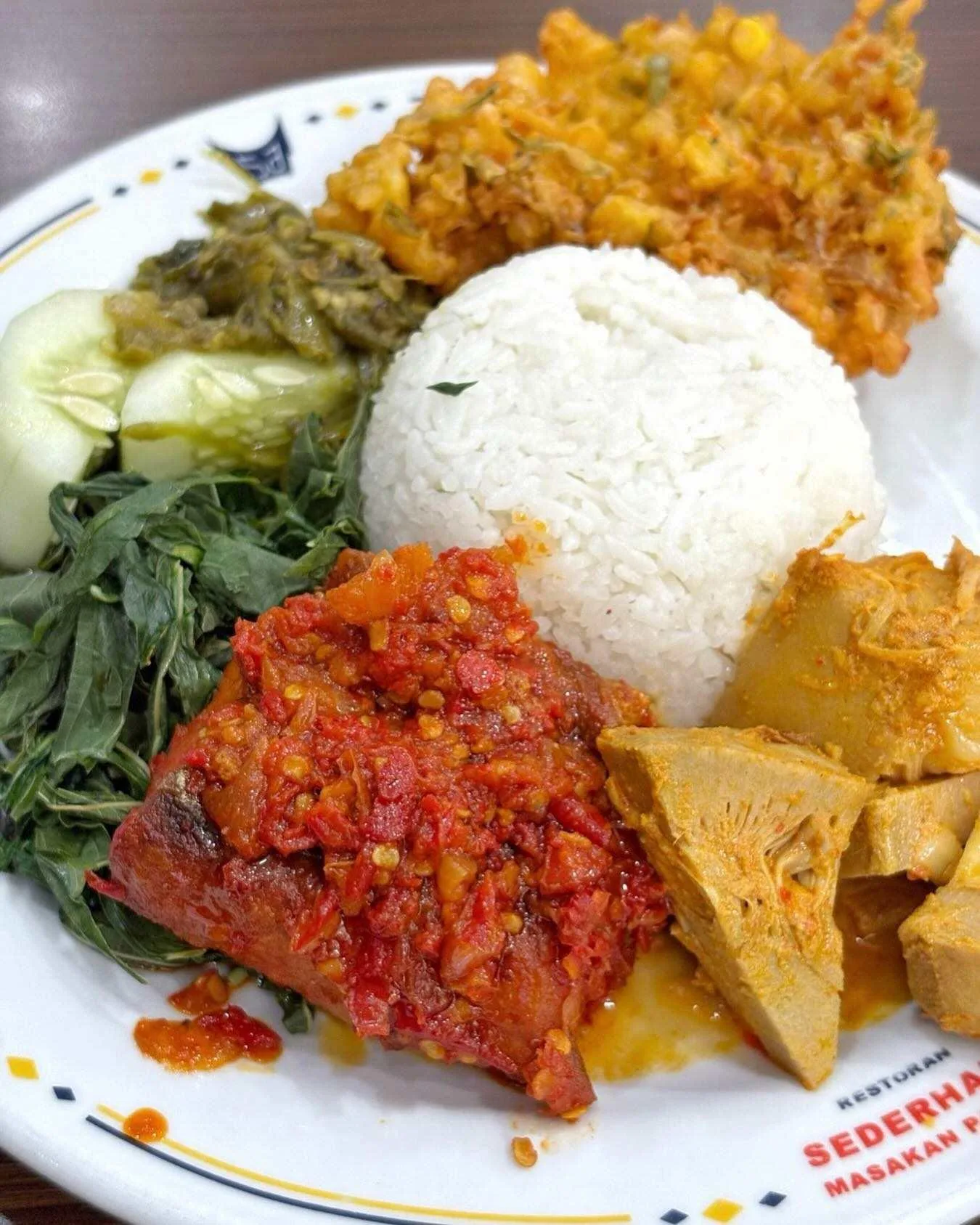
Nasi Padang originates from West Sumatra and is a feast of flavors featuring rice served with multiple side dishes like rendang, gulai (curry), fried chicken, and sambal. In Padang restaurants, dishes are displayed in the window, and customers choose their favorites to accompany the rice. The variety allows for endless combinations of spicy, savory, and rich tastes.
Nasi Padang is more than a meal—it’s an experience of abundance and cultural pride, reflecting Indonesia’s tradition of sharing and celebrating food through diverse, flavorful spreads.
8. Ayam Goreng
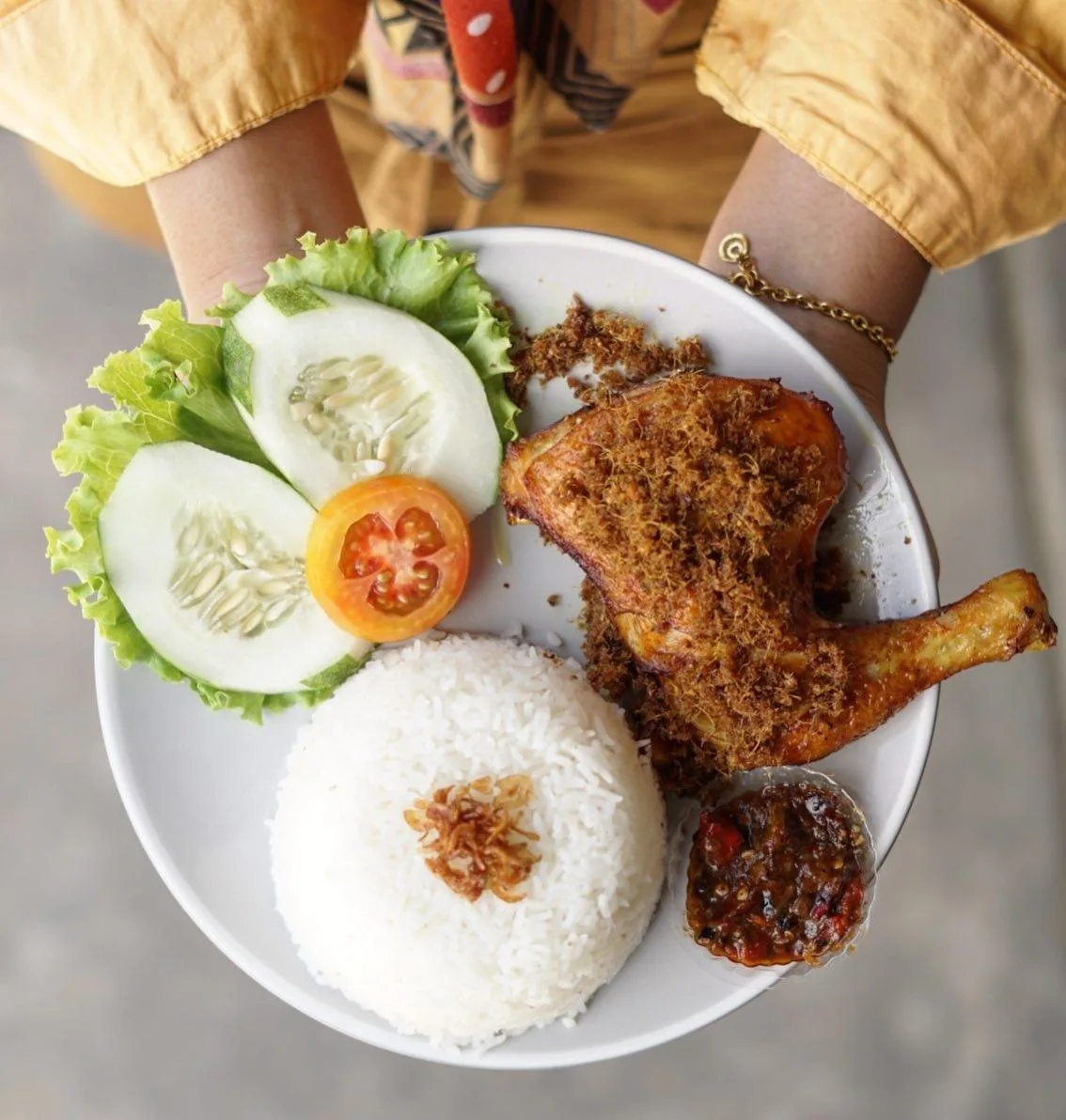
Ayam Goreng, or Indonesian fried chicken, is marinated in garlic, coriander, turmeric, and spices before being fried to golden perfection. Unlike Western fried chicken, it’s often simmered first to absorb flavors, then fried for crispiness. The result is juicy, flavorful meat with a crunchy skin. Often paired with sambal and rice, Ayam Goreng is both everyday fare and festive food.
Its bold seasoning reflects Indonesia’s love of spice and depth, turning a simple dish into something extraordinary. It’s a must-try for fried chicken lovers.
9. Gudeg
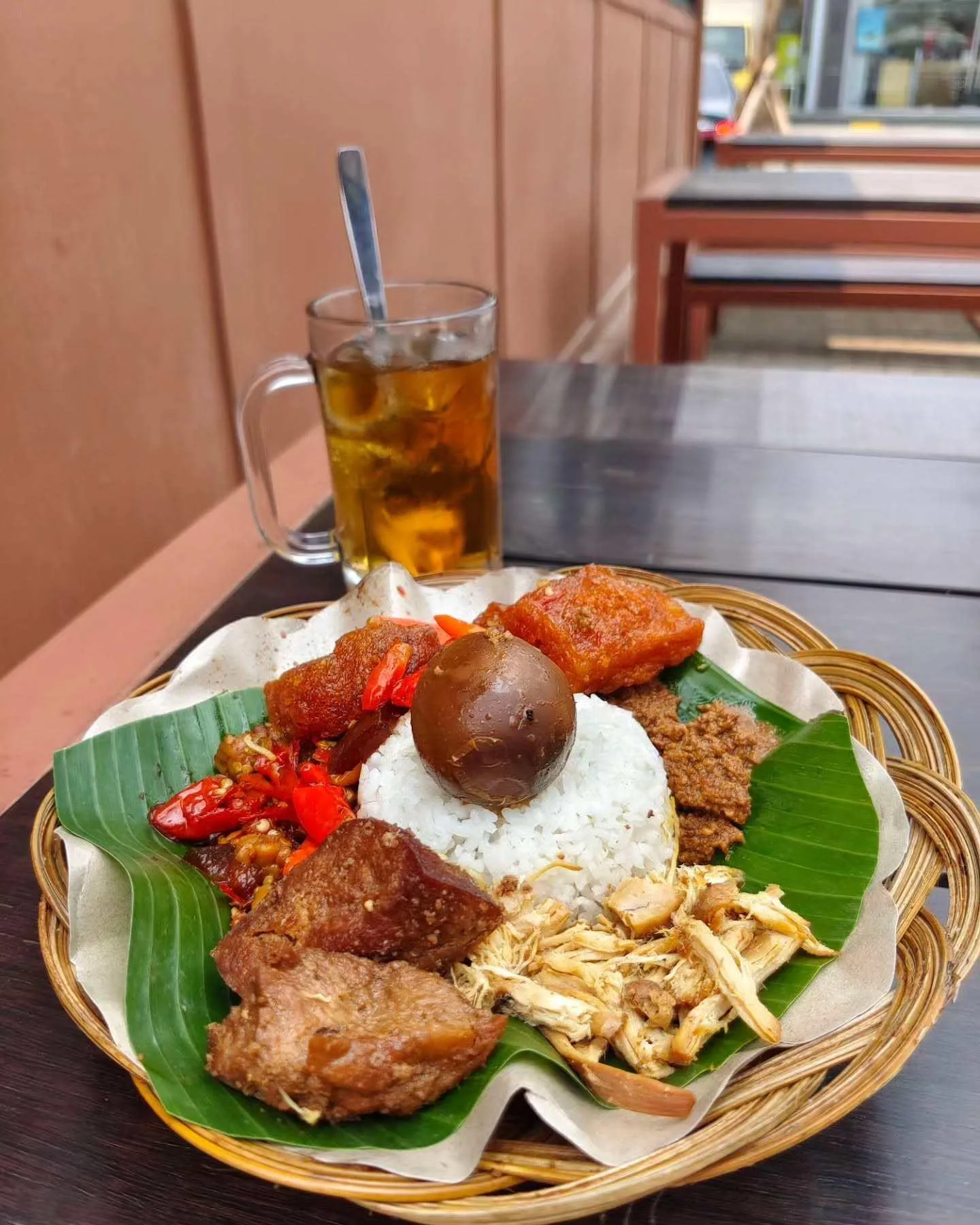
Gudeg is a sweet and savory dish from Yogyakarta, made by slow-cooking young jackfruit with coconut milk, palm sugar, and spices until tender. Often served with rice, chicken, boiled eggs, and sambal krecek, it’s a unique combination of flavors that highlight Javanese culinary tradition. Gudeg’s sweetness balances the spicier side dishes it’s paired with, creating harmony on the plate.
It’s not just food but a cultural symbol of Yogyakarta, cherished by locals and travelers. Gudeg reflects patience, tradition, and Indonesia’s mastery of slow cooking.
10. Pepes Ikan
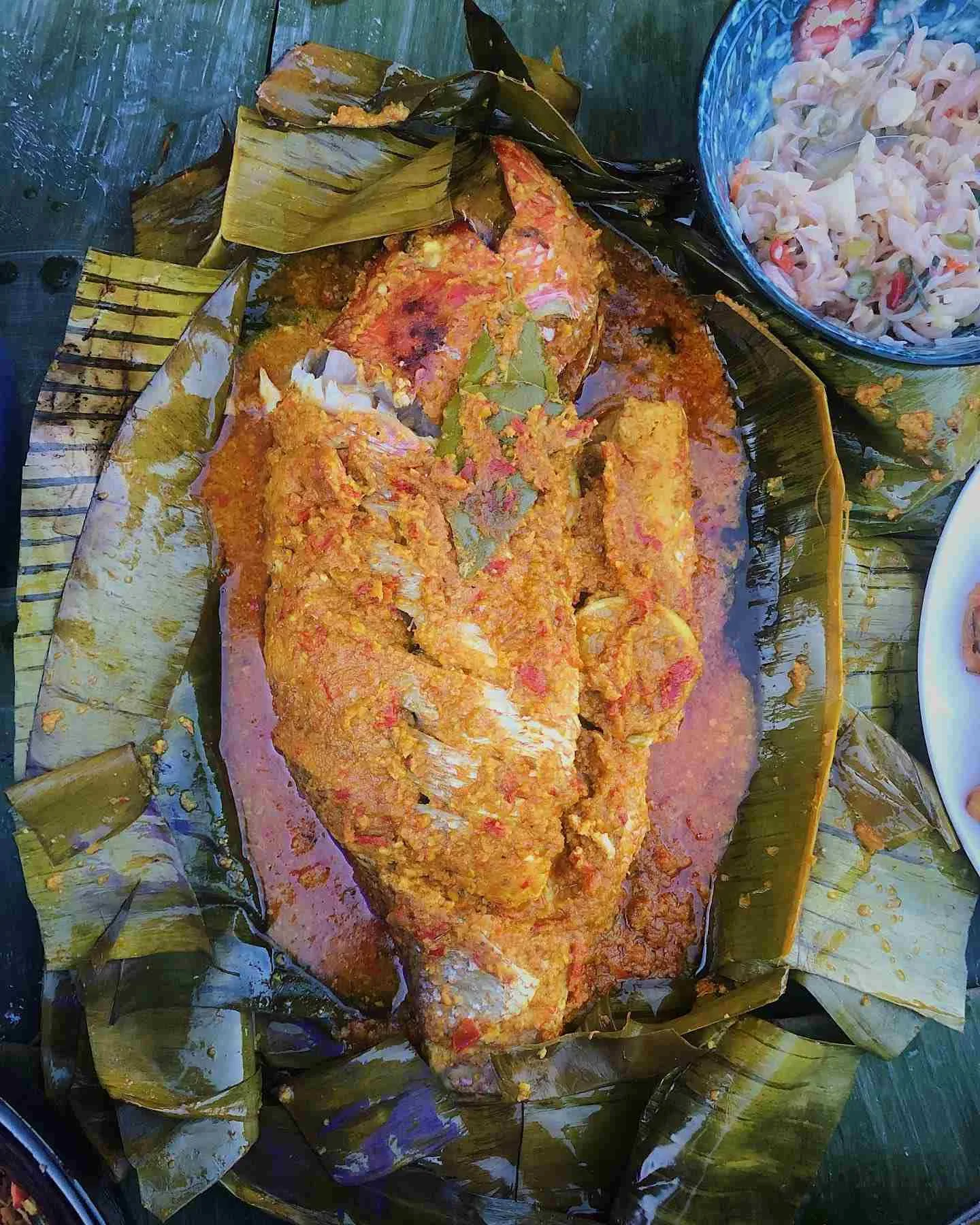
Pepes Ikan is a fragrant Indonesian dish where fish is marinated with spices, wrapped in banana leaves, and steamed or grilled. The banana leaves infuse the fish with a smoky, earthy aroma, while the spice mixture—often including chili, turmeric, garlic, and lemongrass—adds depth and heat. Moist, aromatic, and bursting with flavor, Pepes Ikan is both rustic and refined.
It represents Indonesia’s resourceful cooking methods, using natural materials to enhance taste. This dish showcases the country’s love of fresh seafood and bold, aromatic spices.
Conclusion: Time to Taste Indonesia!
So, what have we uncovered about traditional Indonesian food? From smoky nasi goreng and tender rendang to fiery sambal and refreshing gado-gado, the cuisine is bold, diverse, and deeply rooted in culture. It’s a food adventure that promises something new with every bite.
If you ever visit Indonesia, don’t just stick to the tourist spots—explore the warungs, try street food, and embrace the local way of eating.
Because Indonesian cuisine isn’t just about taste—it’s about stories, warmth, and connection. Ready to grab a spoon, fork, or even your hands and dig in? 😋