Traditional Moroccan Dishes: 10 Flavorful Moroccan Dishes You Must Try
So, you’re wondering about traditional Moroccan dishes, right? Maybe you’re planning a trip to Marrakech, scrolling through food pics on Instagram, or just craving something beyond your usual takeout. Whatever brought you here, I get it—Moroccan food is magical.
I still remember my first taste of Moroccan cuisine: a tagine served under a colorful lantern-lit tent, the air filled with cinnamon, cumin, and fresh mint tea. The flavors were bold yet comforting, rich but balanced. It felt like every bite was telling me a story.
That’s the beauty of Moroccan food. It’s not just about eating—it’s about culture, history, and hospitality. So, let’s dive into the world of what makes Moroccan cuisine unforgettable and explore the dishes you absolutely need to know.
1. Tagine
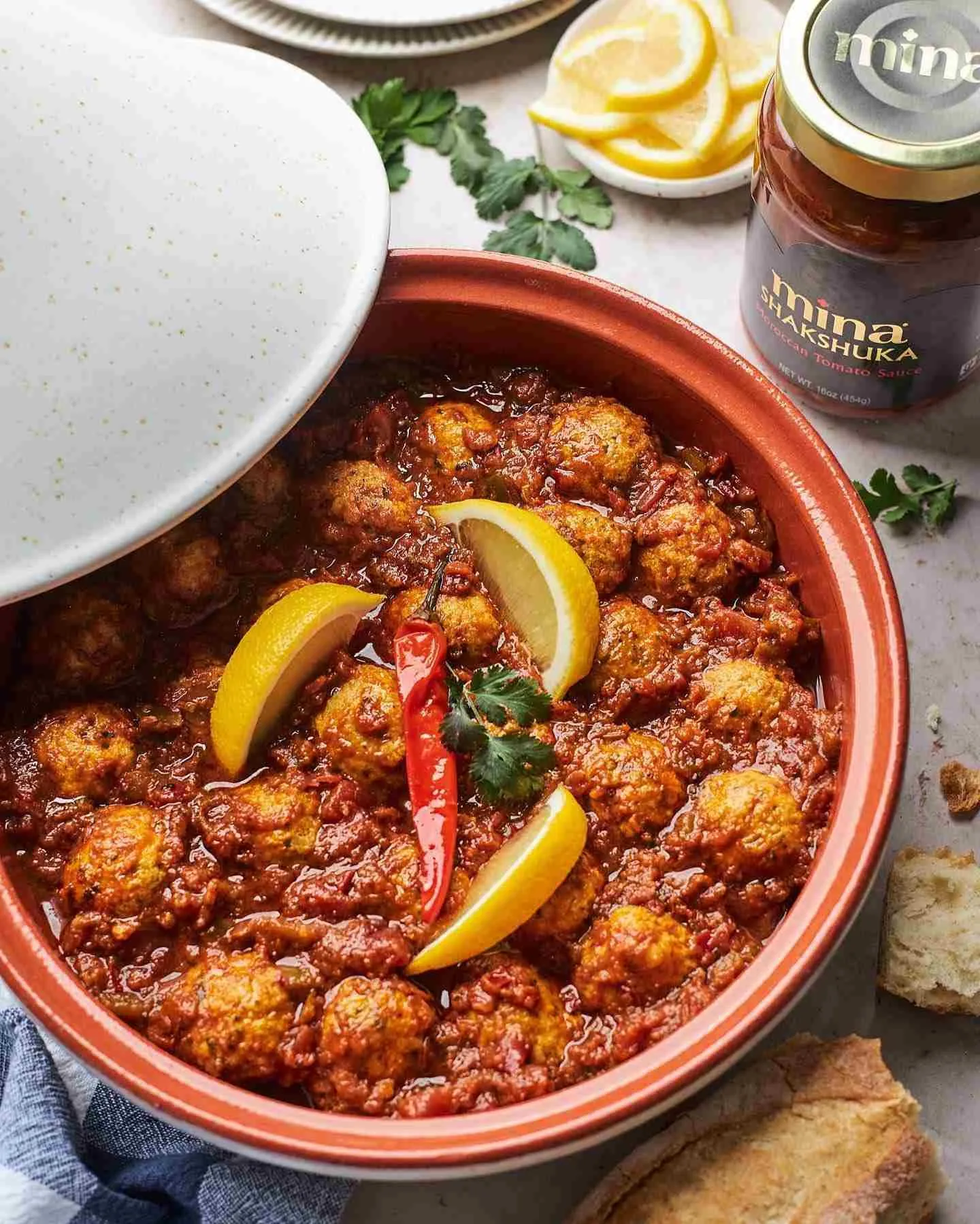
Tagine is perhaps the most iconic Moroccan dish, named after the conical clay pot it’s cooked in. This slow-cooked stew blends meat, poultry, or fish with vegetables, dried fruits, and aromatic spices such as cinnamon, saffron, and ginger. The result is a tender, flavorful meal where the ingredients harmonize beautifully.
You’ll find countless variations, from chicken with preserved lemons and olives to lamb with prunes. Eating tagine is not just a meal—it’s a cultural experience that embodies Moroccan warmth, tradition, and hospitality.
2. Couscous
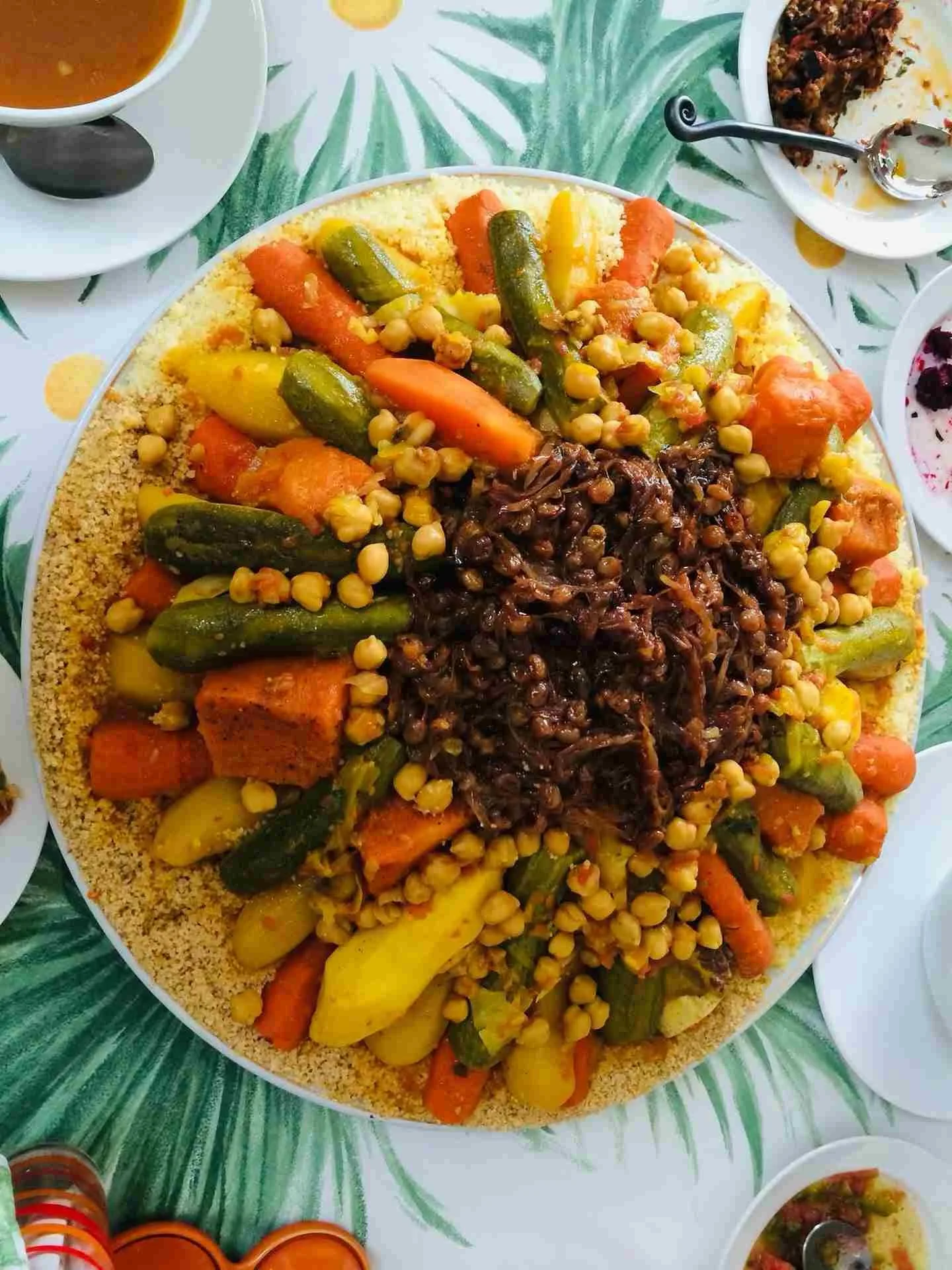
Often considered Morocco’s national dish, couscous is traditionally served on Fridays after prayers, making it a staple of family gatherings. Tiny steamed semolina grains are topped with a hearty mix of vegetables like carrots, zucchini, and pumpkin, often accompanied by lamb, chicken, or beef. A fragrant broth flavored with turmeric, saffron, and ginger brings the dish together, while chickpeas and caramelized onions add depth and sweetness.
This dish symbolizes community and sharing, making it one of the most memorable ways to experience Moroccan culinary tradition.
3. Pastilla

Pastilla, also known as bastilla, is a savory-sweet pie that showcases Morocco’s unique fusion of flavors. Traditionally made with pigeon (though chicken is now more common), the filling is spiced meat layered with almonds, eggs, and onions. Everything is wrapped in thin, flaky warqa pastry and dusted with powdered sugar and cinnamon.
The contrast between the savory filling and sweet topping creates an unforgettable bite. Pastilla is often served at weddings and celebrations, representing luxury and indulgence in Moroccan cuisine while highlighting the country’s love for complex flavor combinations.
4. Harira

Harira is a comforting soup that holds special importance during Ramadan, when it’s commonly eaten to break the fast. This tomato-based soup is thickened with lentils, chickpeas, and rice or vermicelli, spiced with ginger, turmeric, and cinnamon. Fresh herbs like cilantro and parsley give it a fragrant finish, while a squeeze of lemon brightens the flavors.
Often accompanied by dates or chebakia (honey-dipped pastries), harira is more than just food—it’s a symbol of family, faith, and tradition, deeply woven into Moroccan culinary and cultural identity.
5. Tanjia

Unique to Marrakech, tanjia is a dish that reflects both tradition and ingenuity. It’s prepared by slow-cooking beef or lamb with preserved lemon, garlic, cumin, and saffron in a clay urn-like vessel. Historically, men prepared it and left it to cook in communal ovens heated by wood or hammam fires.
The long cooking time infuses the meat with incredible depth and tenderness. Unlike tagine, tanjia is known as a “bachelor’s dish” because of its origins. Eating it offers a true taste of Marrakech’s cultural roots.
6. Mechoui

Mechoui is Morocco’s version of a festive barbecue, featuring whole lamb slowly roasted until the meat becomes tender and juicy. Traditionally, it’s cooked in underground clay ovens or over open flames, seasoned simply with cumin and salt. The result is melt-in-your-mouth lamb with crispy skin and smoky undertones.
It’s often served at weddings, festivals, or large family gatherings, torn apart by hand and shared communally. This dish highlights Morocco’s emphasis on hospitality, generosity, and celebration, making it a culinary experience tied deeply to togetherness and tradition.
7. Zaalouk
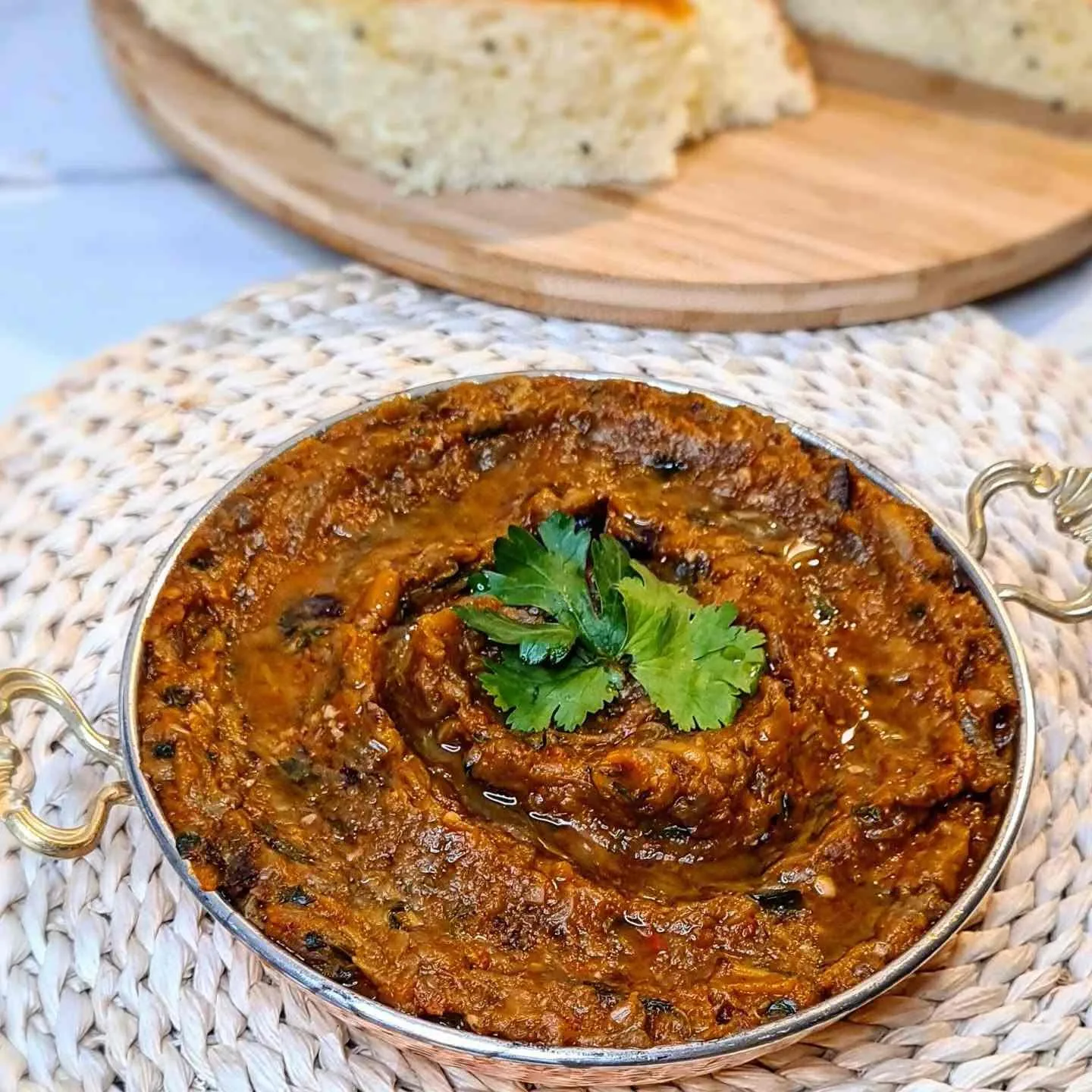
Zaalouk is a simple yet flavorful eggplant and tomato salad that’s a staple side dish in Moroccan cuisine. Eggplants are roasted or fried before being combined with tomatoes, garlic, olive oil, paprika, and cumin. The result is a smoky, slightly spicy dip often enjoyed with warm khobz (Moroccan bread). While it may be a humble dish, zaalouk represents Morocco’s genius for transforming vegetables into something extraordinary.
Served hot or cold, it’s both a refreshing appetizer and a versatile companion to main courses, reflecting the balance of Moroccan flavors.
8. Rfissa
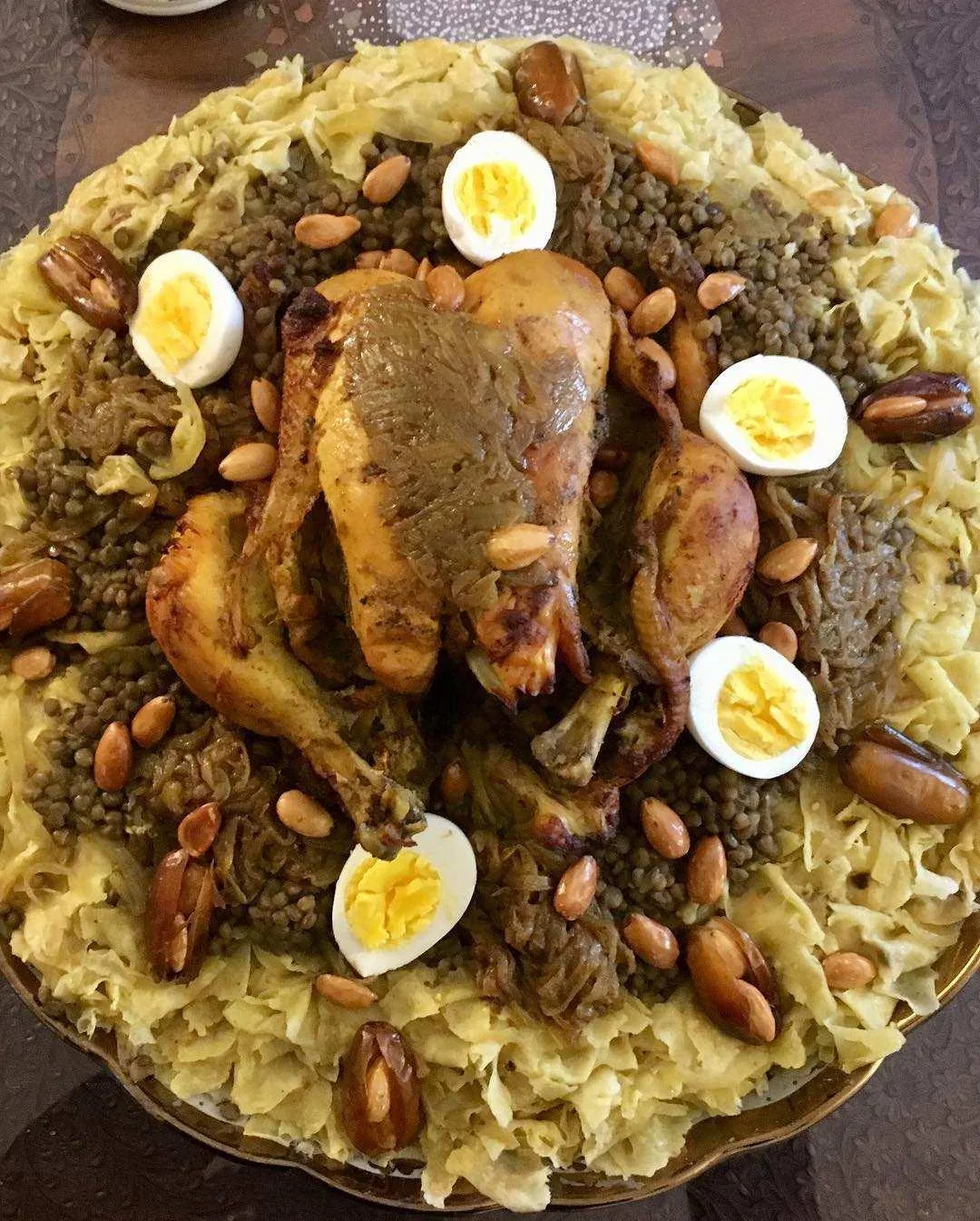
Rfissa is a beloved Moroccan dish often prepared for family celebrations or to welcome a new mother after childbirth. It’s made with chicken cooked in a broth infused with fenugreek, lentils, onions, and a medley of spices including ras el hanout. The dish is traditionally served over shredded msemen or trid (layered flatbreads), which soak up the savory, spiced sauce.
Rich in flavor and nourishment, rfissa embodies the comforting and healing qualities of Moroccan home cooking, offering both sustenance and a warm sense of tradition.
9. Maakouda
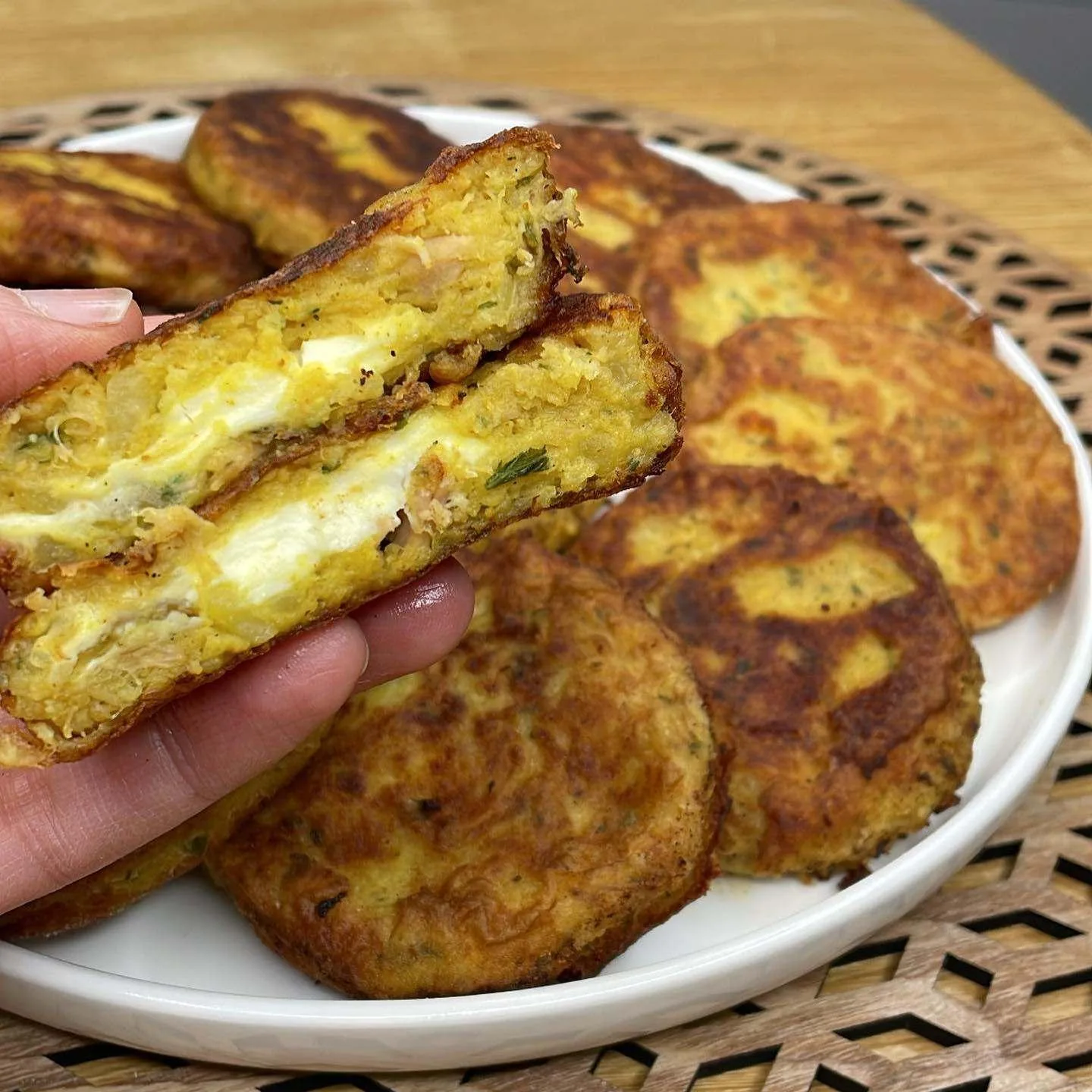
Maakouda are golden, crispy potato fritters that are popular both as street food and in home kitchens. Mashed potatoes are mixed with spices, garlic, and herbs, then shaped into patties and fried until perfectly crunchy on the outside yet soft inside. They’re often tucked into sandwiches with harissa or served as a side dish alongside tagines.
Affordable and filling, maakouda highlights Morocco’s street food culture while showing how simple ingredients can be elevated with the right blend of spices. They’re a must-try snack for visitors.
10. Chebakia
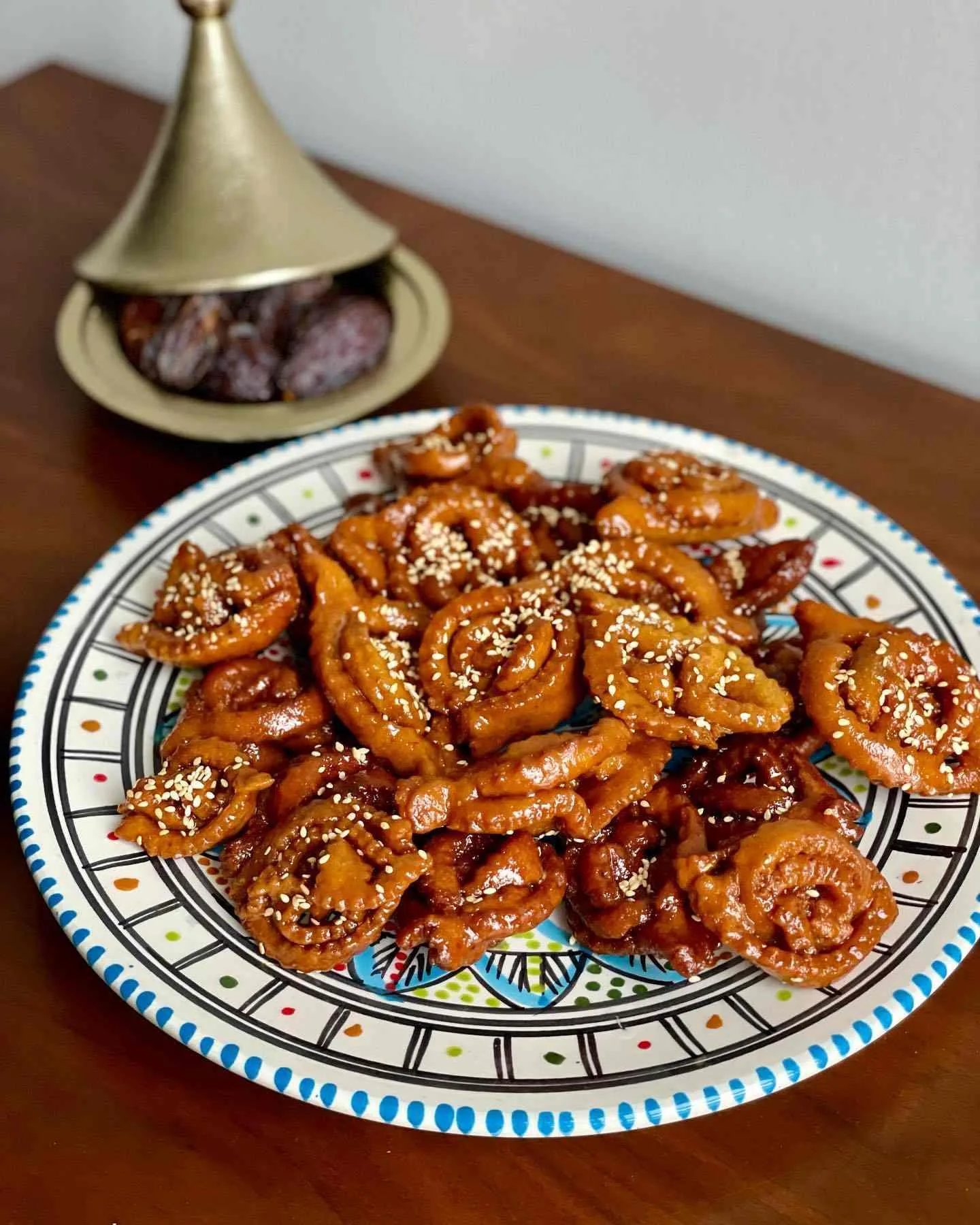
Chebakia is a festive Moroccan pastry often enjoyed during Ramadan alongside harira. Strips of dough are shaped into intricate flower-like designs, fried until golden, and coated in honey and sesame seeds. The result is a sticky, crunchy, and fragrant treat that’s both sweet and satisfying.
Chebakia is not only delicious but also symbolic of Moroccan generosity and celebration, as it’s often prepared in large batches to share with family and neighbors. This beloved dessert perfectly reflects Morocco’s love for flavor, tradition, and community.
The Cultural Side of Eating
Hospitality Matters: In Morocco, food equals hospitality. Guests are treated like royalty, and sharing meals is an act of love.
Eating Style
- Use your right hand (the left is considered unclean)
- Meals are often shared from a communal platter.
- Don’t rush—it’s about connection, not just calories.
Conclusion: Morocco on a Plate
So, what have we learned about traditional Moroccan dishes? They’re flavorful, diverse, and deeply tied to culture. From slow-cooked tagines to sweet chebakia, Moroccan food is all about balance—spice and sweetness, tradition and innovation, sharing and savoring.
My advice? Don’t just read about it—taste it. Try cooking a tagine at home, hunt down a Moroccan restaurant, or (if you’re lucky) plan that dream trip to Morocco.
And hey, when you’re sipping mint tea and tearing into warm khobz, you’ll know exactly why Moroccan food has a special place in so many hearts. 😋