
Traditional Lebanese Food: 10 Gorgeous Dishes Worth Pinning
Let’s be honest—when you think of Middle Eastern cuisine, the first thing that comes to mind is probably hummus or maybe shawarma, right? But here’s the thing: traditional Lebanese food goes way beyond those classics. It’s a rich blend of fresh vegetables, fragrant spices, grilled meats, and vibrant mezze spreads that bring people together.
My first real encounter with Lebanese food wasn’t in Beirut—it was actually at a tiny family-owned restaurant tucked away in a city neighborhood. One bite of tabbouleh and kibbeh, and I knew this cuisine was something special. The flavors were fresh, the dishes were healthy but still satisfying, and most importantly, the food felt like it was made to be shared.
So, if you’ve been wondering what makes traditional Lebanese food so unique (and, let’s be honest, so irresistible), grab a seat. I’ll take you through the iconic dishes, the cultural significance of meals, and the little details that make Lebanese cuisine a true gem. Let’s dive in!
1. Hummus
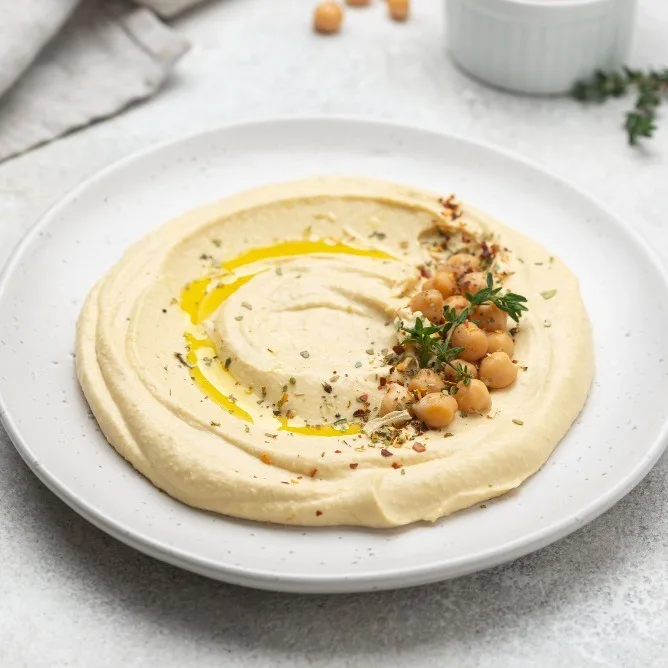
Hummus is one of Lebanon’s most iconic dishes, celebrated worldwide for its creamy texture and subtle nutty flavor. Made from blended chickpeas, tahini, lemon juice, and garlic, this dip pairs perfectly with warm pita bread or fresh vegetables. In Lebanon, hummus often appears at the start of meals as part of a mezze spread, shared among friends and family.
Its simple preparation highlights the quality of ingredients, making it both nourishing and versatile. Light, healthy, and satisfying, hummus embodies the essence of Lebanese cuisine.
2. Tabbouleh
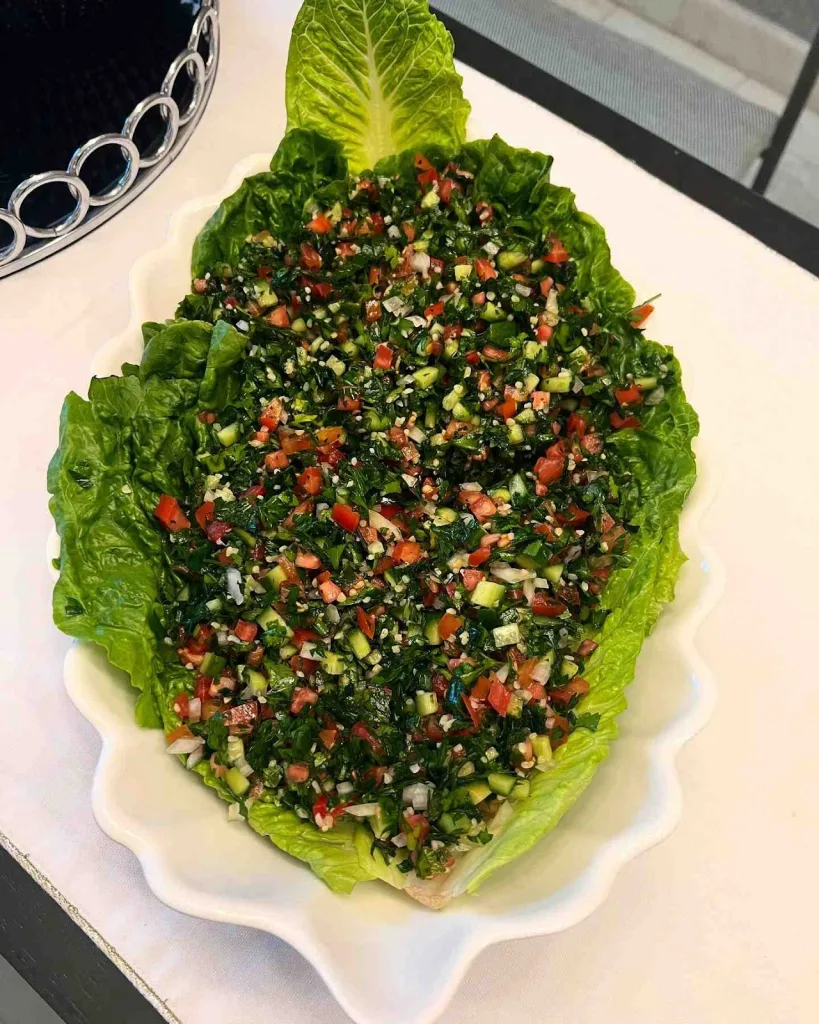
Tabbouleh is a refreshing Lebanese salad that bursts with vibrant colors and flavors. Its base is finely chopped parsley, mixed with fresh mint, tomatoes, onions, and bulgur wheat, then dressed with olive oil and lemon juice. Unlike heavier salads, tabbouleh is light yet filling, offering a crisp balance of tangy and herbal notes.
In Lebanon, it’s often enjoyed as part of mezze, adding brightness to richer dishes. With its focus on freshness and balance, tabbouleh is a quintessential example of Lebanese cooking’s emphasis on healthy, seasonal ingredients.
3. Fattoush
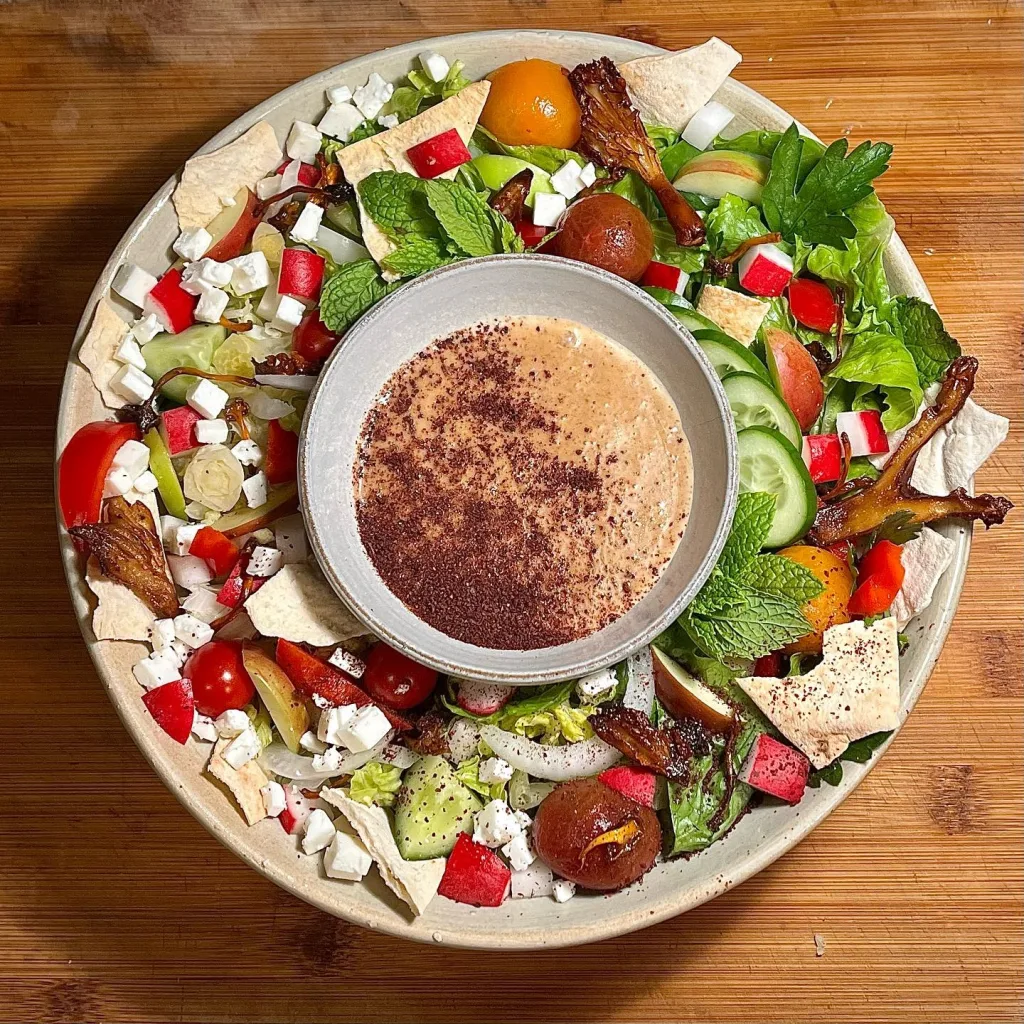
Fattoush is a beloved Lebanese salad known for its crunchy texture and tangy flavor. The dish combines fresh lettuce, cucumbers, tomatoes, and radishes with crispy fried or toasted pita chips. It’s then dressed with olive oil, lemon juice, and sumac, a spice that lends a citrusy punch. Each bite is refreshing yet satisfying, thanks to the combination of vegetables and crunchy bread.
Fattoush is often served alongside grilled meats or heavier dishes, making it an essential part of Lebanese mezze. Bright, crisp, and zesty, it celebrates Lebanon’s love for bold, fresh flavors.
4. Kibbeh
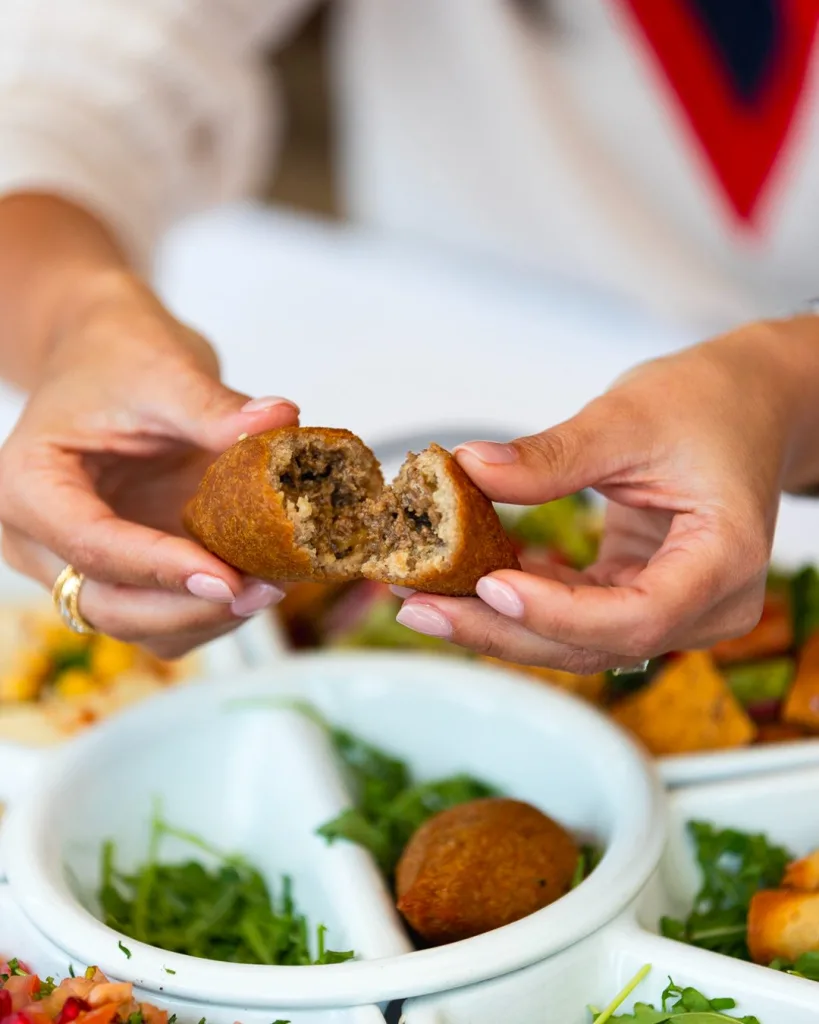
Often considered Lebanon’s national dish, kibbeh is a flavorful combination of bulgur wheat, minced onions, and spiced ground meat—usually lamb or beef. It comes in many forms: baked in a tray, fried into torpedo-shaped croquettes, or served raw as kibbeh nayyeh. Each version showcases a unique texture and flavor, making kibbeh a versatile and festive dish.
Families often prepare it together for gatherings or holidays, reinforcing its cultural importance. Nutty, hearty, and deeply savory, kibbeh represents Lebanese cuisine at its finest—simple ingredients transformed into something both comforting and celebratory.
5. Shish Taouk
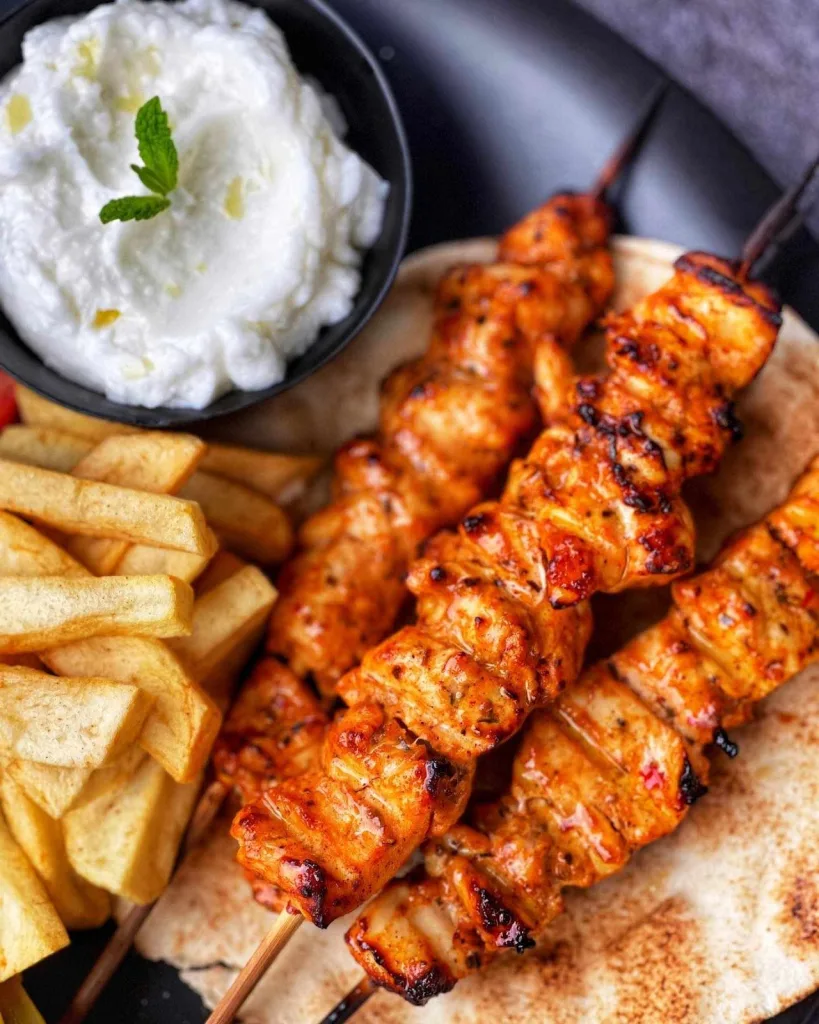
Shish Taouk is Lebanon’s take on grilled chicken skewers, marinated in yogurt, lemon juice, garlic, and a mix of spices. The marinade ensures the chicken stays tender and flavorful, while grilling adds a smoky char. Typically served with garlic sauce (toum), pickles, and warm pita bread, shish taouk is a favorite in restaurants and street food stalls alike.
It’s often enjoyed as part of a wrap or alongside rice and salad. This dish highlights Lebanon’s mastery of marinades and grilled meats, making it both satisfying and widely loved.
6. Kafta
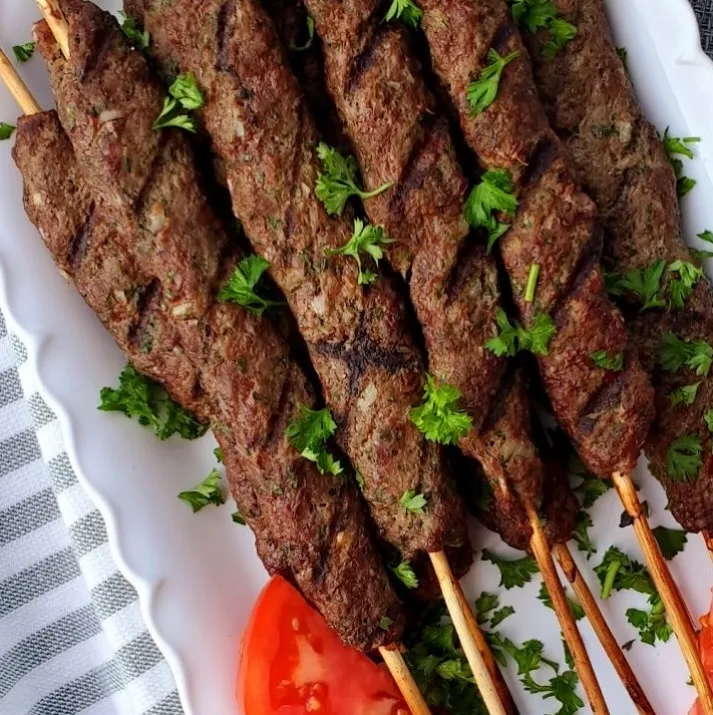
Kafta is a versatile Lebanese dish made with ground beef or lamb mixed with onions, parsley, and spices like cinnamon and allspice. The mixture is shaped into skewers, patties, or logs, then grilled or baked. Juicy and full of flavor, kafta is commonly served with rice, salad, or inside pita bread with tahini or hummus.
It’s a staple in family barbecues and gatherings, offering comfort and familiarity to anyone who tries it. With its aromatic spices and tender texture, kafta embodies the hearty and welcoming spirit of Lebanese cuisine.
7. Warak Enab (Stuffed Grape Leaves)
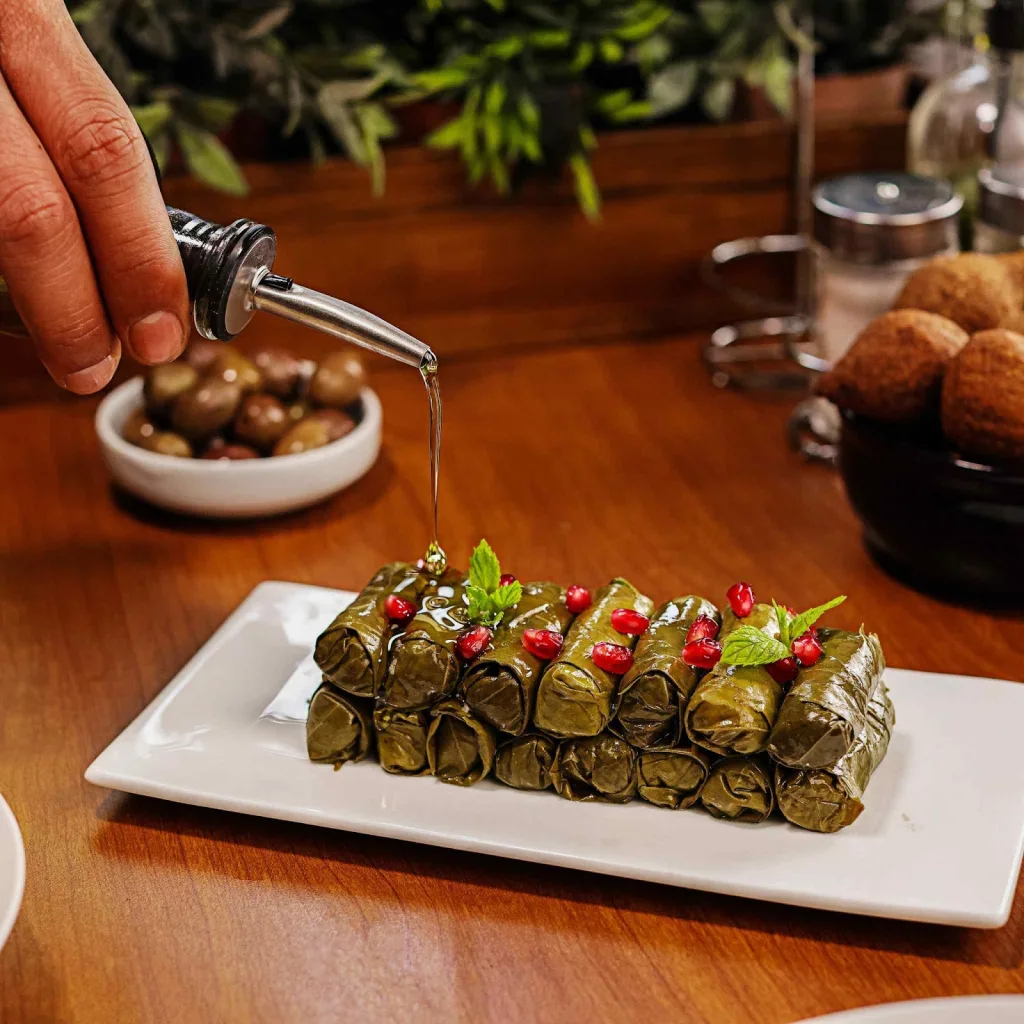
Warak Enab, also known as stuffed grape leaves, is a Lebanese delicacy filled with rice, herbs, and sometimes minced meat. The filling is seasoned with spices and wrapped carefully in grape leaves, then simmered in olive oil and lemon juice until tender. Served warm or at room temperature, they are a staple in mezze platters.
Their tangy, herby flavor makes them irresistible, and the careful preparation reflects Lebanon’s culinary artistry. Both nourishing and elegant, warak enab is a dish that embodies the patience, care, and communal joy of Lebanese cooking.
8. Manakish
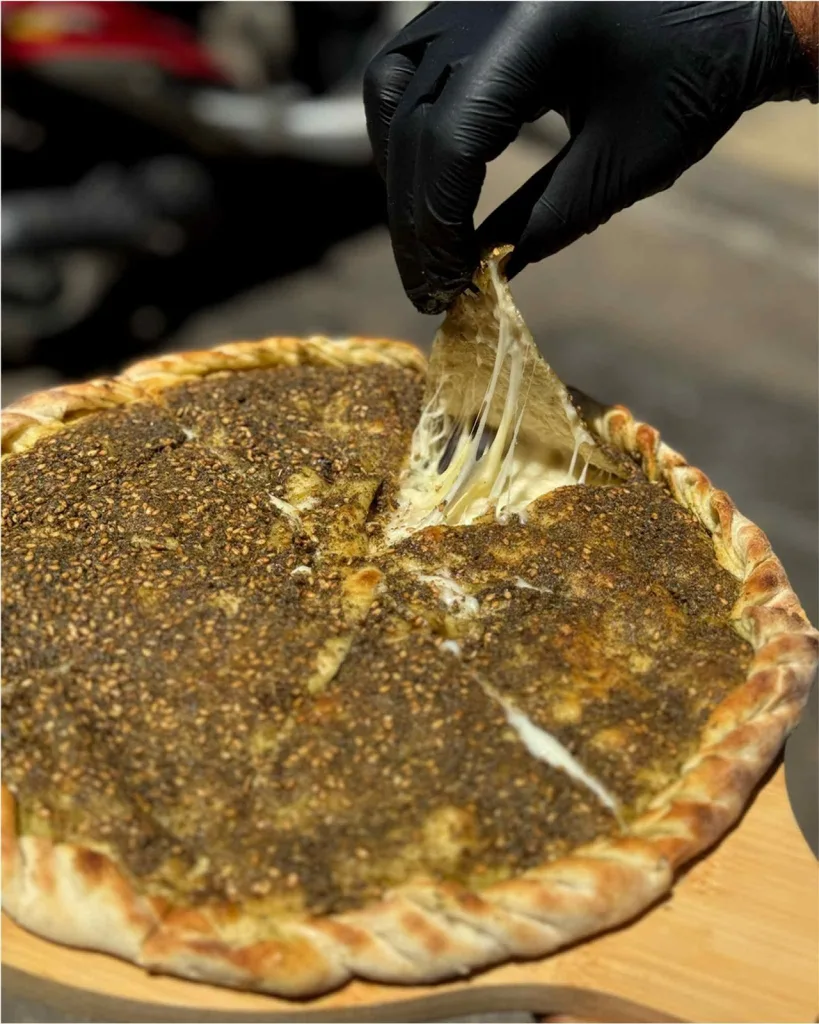
Manakish is often called the Lebanese pizza, though it has its own unique identity. It consists of flatbread topped with za’atar (a blend of thyme, sesame seeds, and sumac), cheese, or minced meat, then baked until golden. Popular as a breakfast or snack, manakish is sold at bakeries across Lebanon and enjoyed with tea or fresh vegetables.
Its simplicity and versatility make it a beloved everyday food. Whether topped with herbs or cheese, manakish captures Lebanon’s love for fresh bread and bold flavors, making it a staple of the local diet.
9. Sayadieh
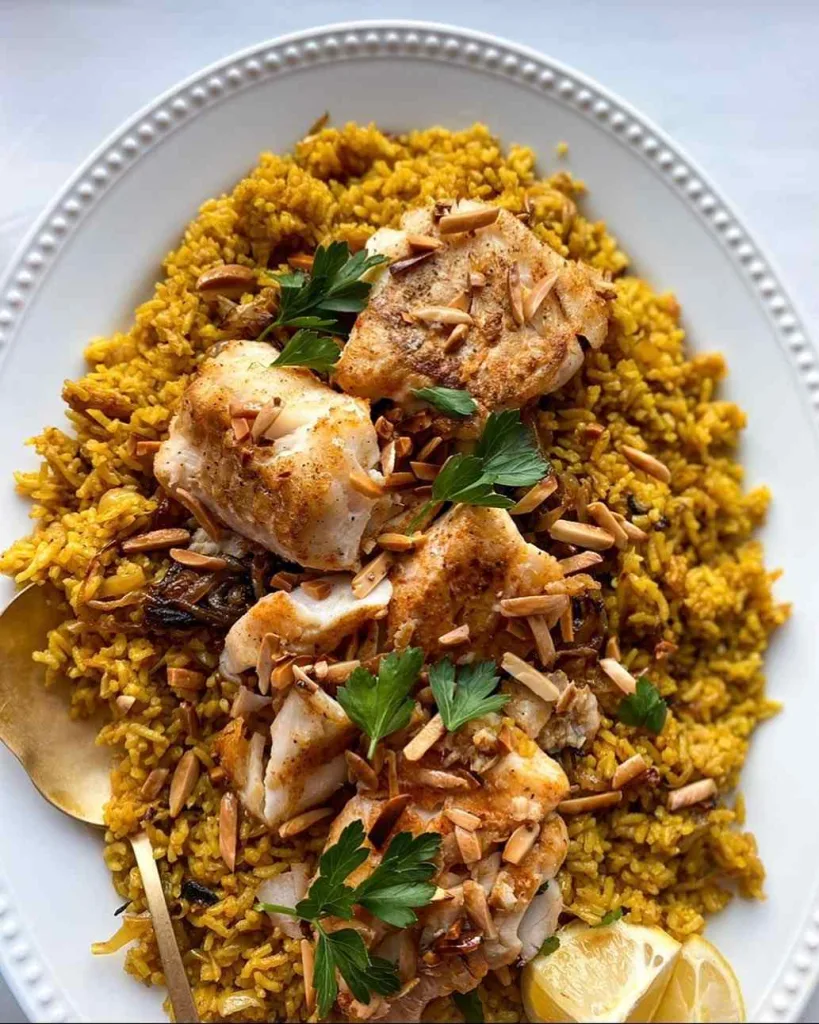
Sayadieh is a traditional Lebanese fish and rice dish that showcases the country’s Mediterranean influence. White fish is seasoned with spices and pan-fried, then served atop fragrant rice cooked with caramelized onions and a blend of warm spices like cinnamon and cumin. A drizzle of tahini or pine nuts often completes the dish.
Sayadieh is typically prepared for special family gatherings and festive occasions, making it both comforting and celebratory. With its balanced flavors and hearty presentation, sayadieh highlights Lebanon’s ability to transform simple ingredients into rich, memorable meals.
10. Knafeh
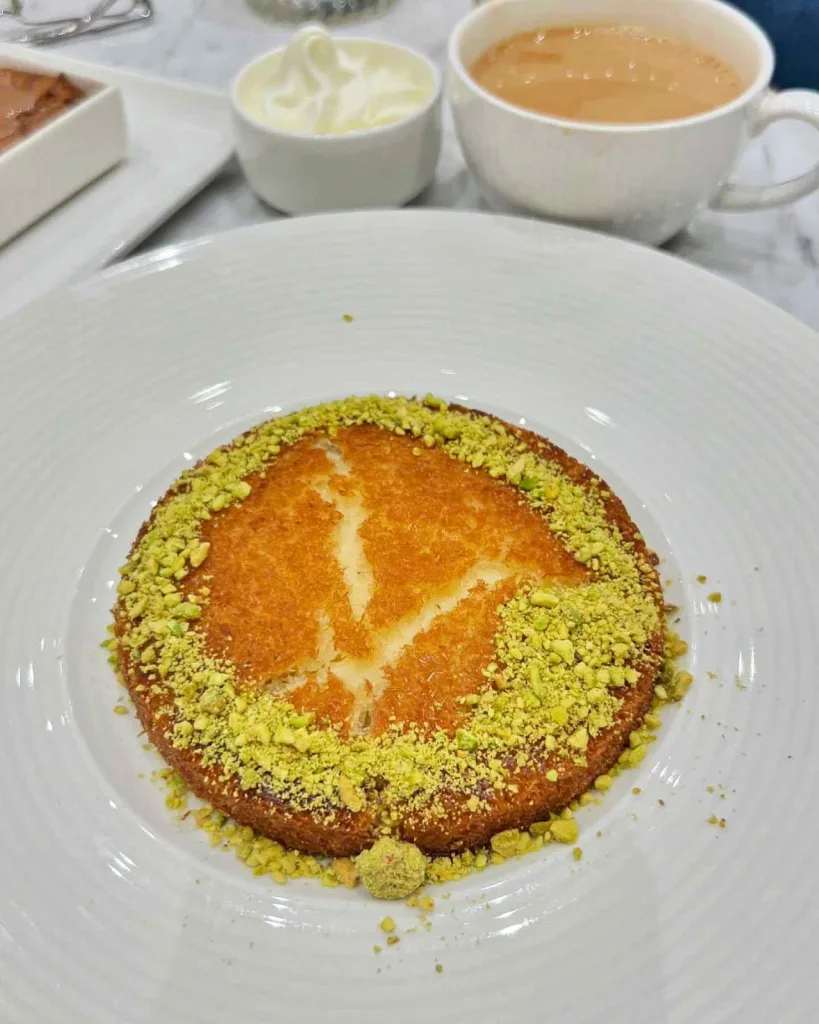
Knafeh is a decadent Lebanese dessert loved across the Middle East. Made from shredded phyllo dough or semolina pastry, it’s layered with gooey cheese or cream and soaked in sweet sugar syrup scented with rose or orange blossom water. Sprinkled with crushed pistachios, it’s served warm, creating a delightful contrast between crisp pastry and soft filling.
Knafeh is often enjoyed at breakfast or as a festive treat during celebrations. Rich, indulgent, and aromatic, it captures the sweet side of Lebanese cuisine and leaves a lasting impression on anyone who tries it.
Conclusion: Why You’ll Fall in Love with Traditional Lebanese Food
So, what’s the deal with traditional Lebanese food? It’s fresh, it’s flavorful, it’s social, and it’s deeply tied to culture. From mezze spreads loaded with hummus and tabbouleh to hearty mains like kibbeh and shish taouk, every dish tells a story. Add in the street food scene, desserts like knafeh, and refreshing drinks like jallab, and you’ve got a cuisine that’s impossible not to love.
If you’ve never tried it, you’re seriously missing out. And if you already love it, then you know exactly what I’m talking about. 😉
My advice? Next time you’re at a Lebanese restaurant (or lucky enough to visit Lebanon), order a mix of mezze, share with friends, and don’t skip dessert. Food this good deserves to be enjoyed slowly, one bite at a time.