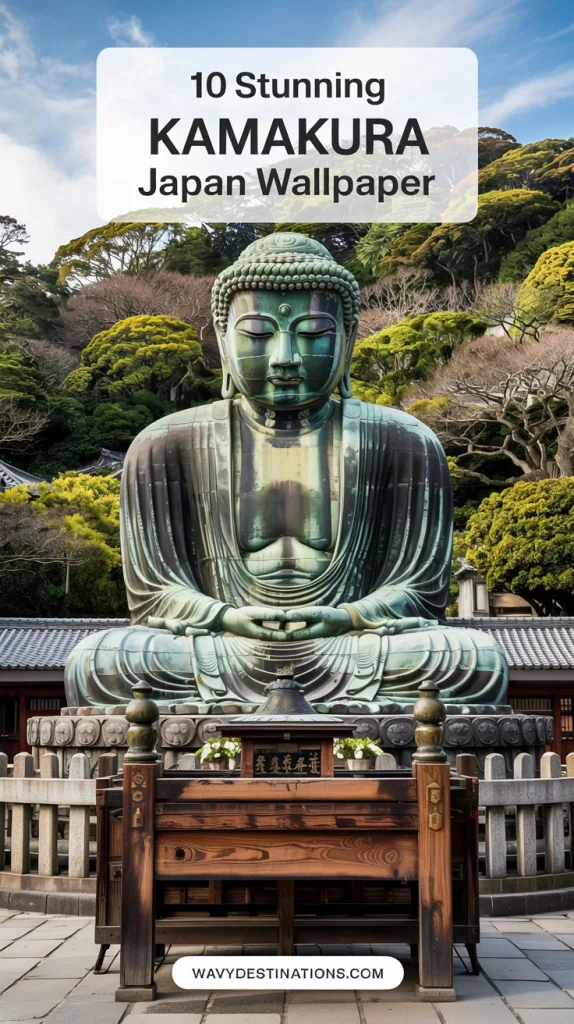
Discover the Beauty of 15 Japan’s Temples: A Travel Guide
Ever dreamed of stepping into a place where history, spirituality, and breathtaking architecture all come together in perfect harmony? That’s exactly what you’ll find when exploring Japan’s temples.
Whether you’re a culture lover, a travel addict, or just someone who enjoys snapping Insta-worthy pics, these temples offer something magical for everyone.
I remember my first time walking through a temple in Kyoto—the faint smell of incense, the sound of bells, and the calm atmosphere made me feel like I had entered another world.
It wasn’t just sightseeing; it was an experience that lingered with me long after I left. So if you’re curious about what makes these sacred sites so special, let’s dive right in together.

1. Kinkaku-ji: Kyoto’s Golden Icon
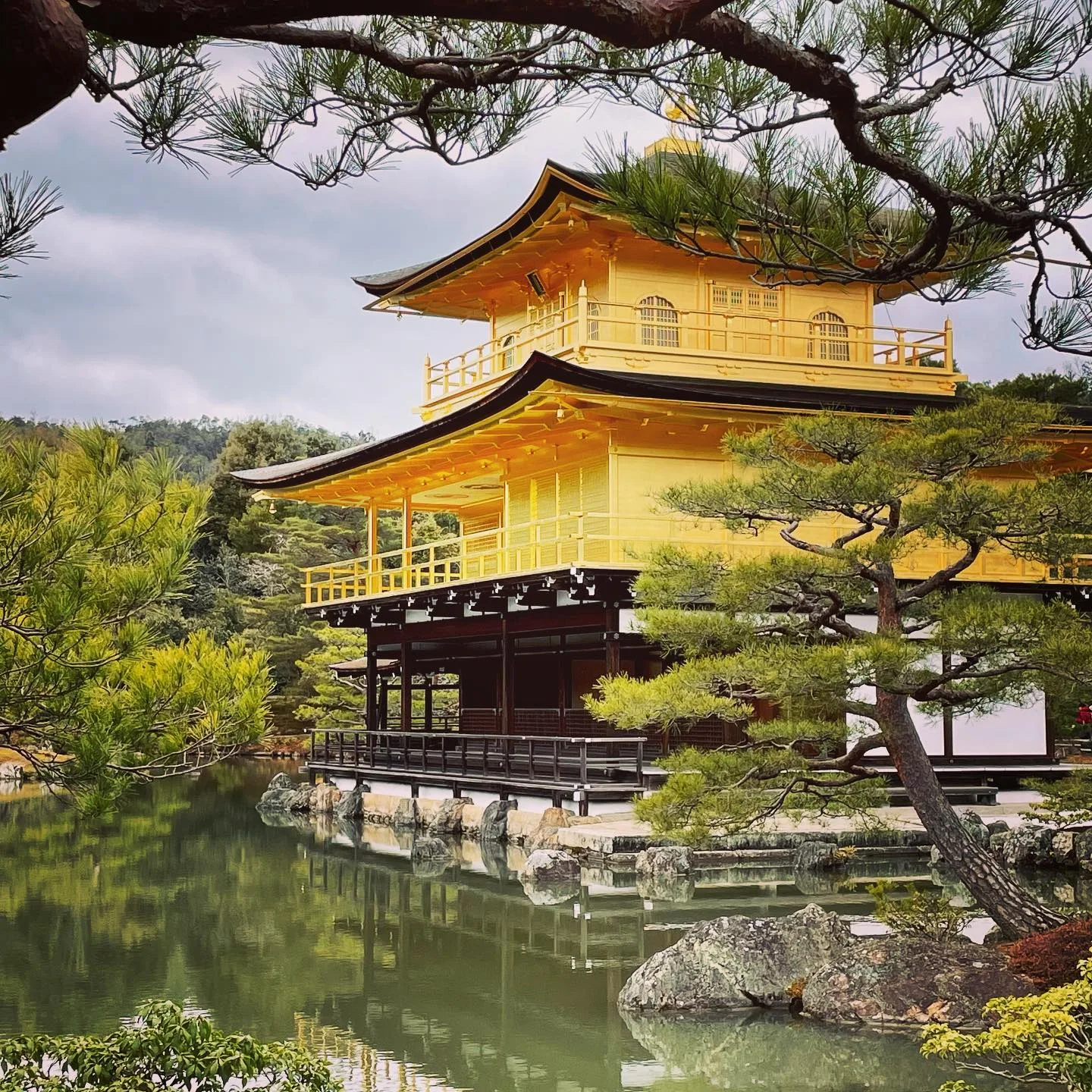
Kinkaku-ji is one of Japan’s most iconic temples, originally built in 1397 as a shogun’s retirement villa before becoming a Zen temple.
Its upper floors are covered entirely in gold leaf, reflecting beautifully over the surrounding pond.
The temple is part of a stunning Japanese strolling garden, offering different scenic views with each season. Visitors love the calm walking paths and tea houses nearby.
Pro tip: visit early in the morning to avoid heavy tourist crowds.
2. Fushimi Inari Taisha: The Path of a Thousand Gates
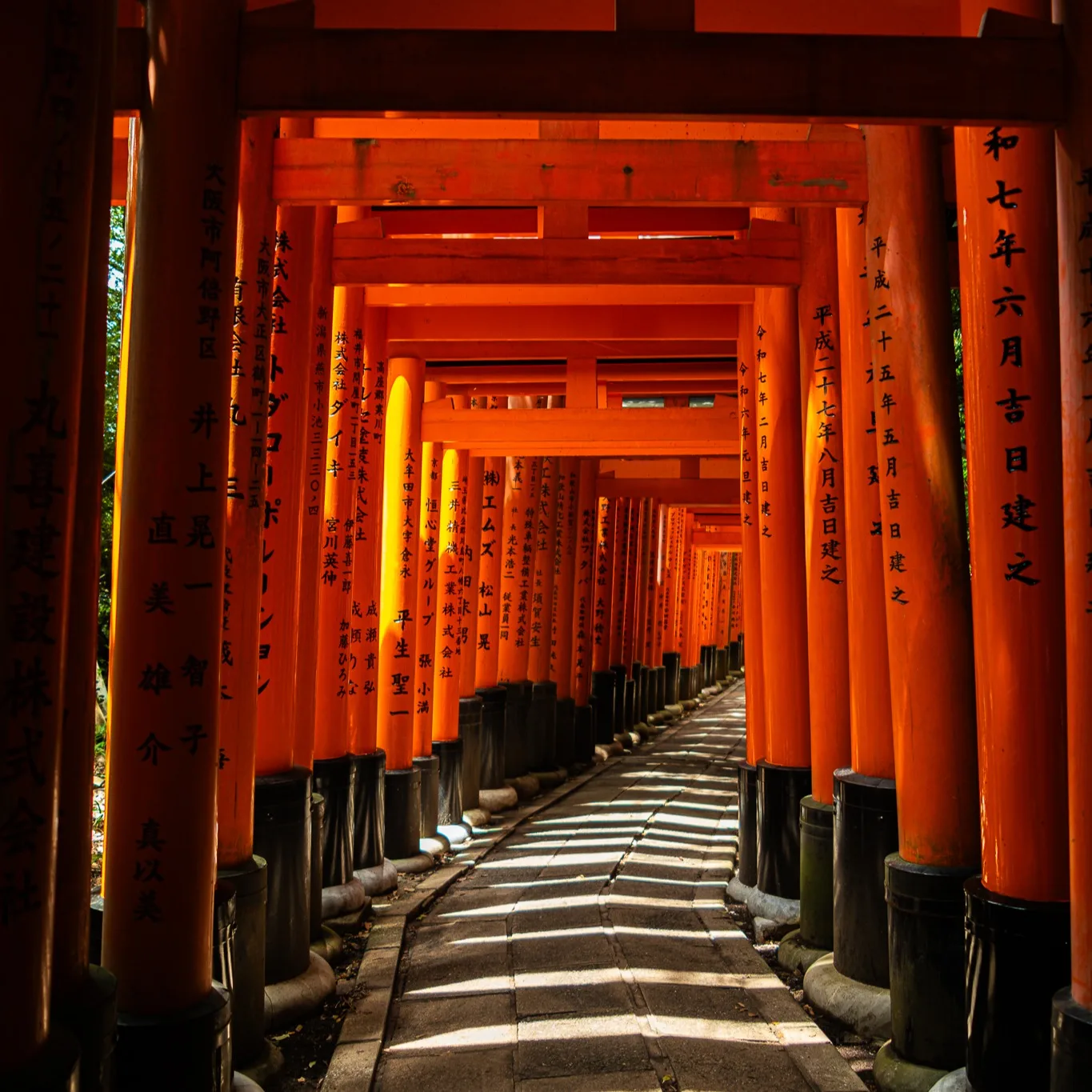
Fushimi Inari Taisha isn’t just any shrine—it’s famous worldwide for its thousands of bright red torii gates leading up Mount Inari.
Founded in 711, it’s dedicated to Inari, the Shinto god of rice, prosperity, and fox spirits.
The hike through the gates is both scenic and spiritual, offering panoramic views of Kyoto at the summit.
It’s open 24/7, so if you want fewer crowds, head there at sunrise or late at night for a magical experience.
3. Todai-ji: Home of the Great Buddha in Nara
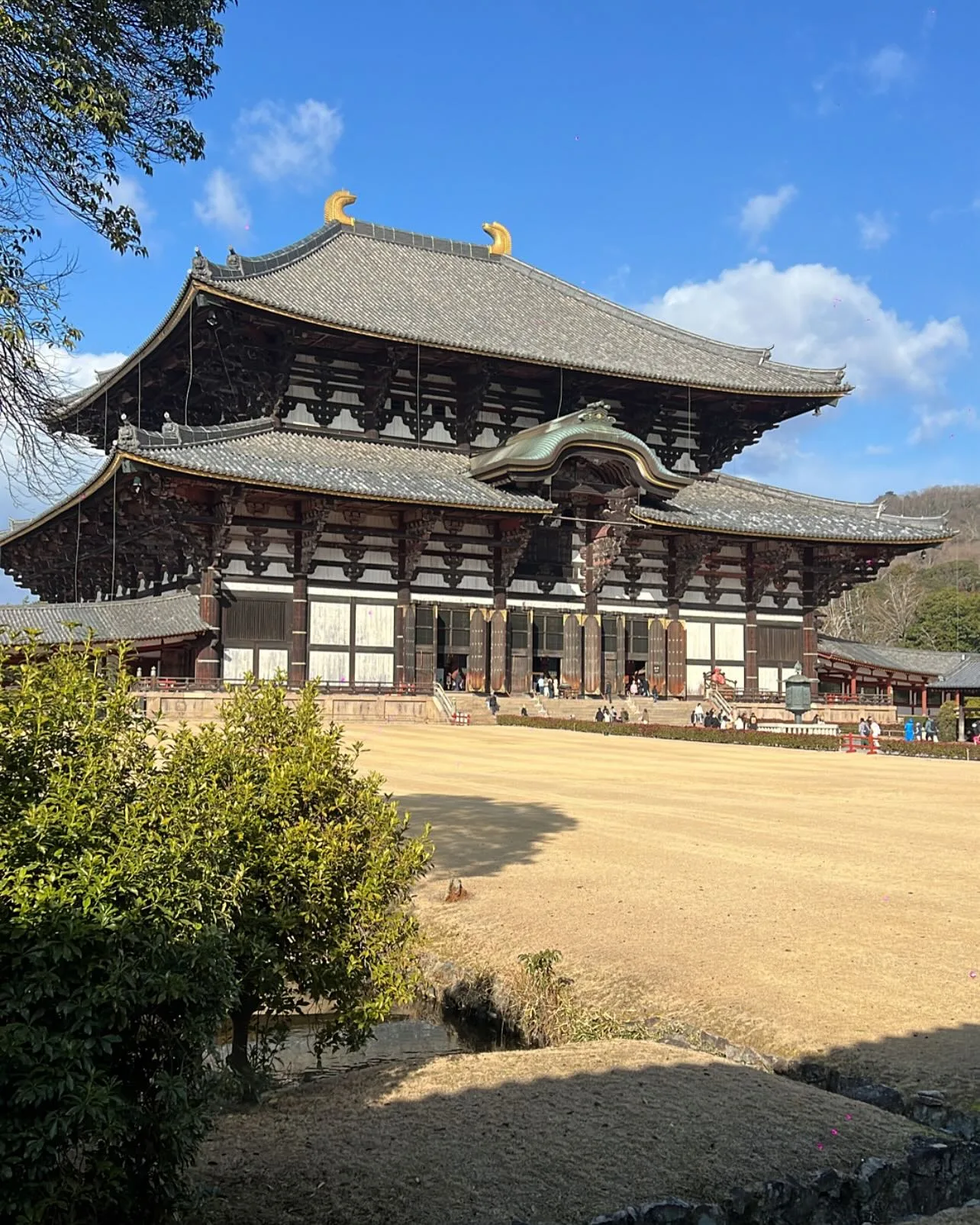
Todai-ji, built in 752, is home to the Great Buddha Hall, which houses one of the largest bronze Buddha statues in the world.
Once the center of Buddhist authority in Japan, this temple played a huge role in shaping Japanese religion.
Surrounded by Nara Park, visitors also enjoy the friendly deer that freely roam the grounds.
It’s a UNESCO World Heritage Site and one of Japan’s must-see cultural treasures, blending spiritual significance with unforgettable scenery.
4. Kiyomizu-dera: Kyoto’s Temple in the Sky
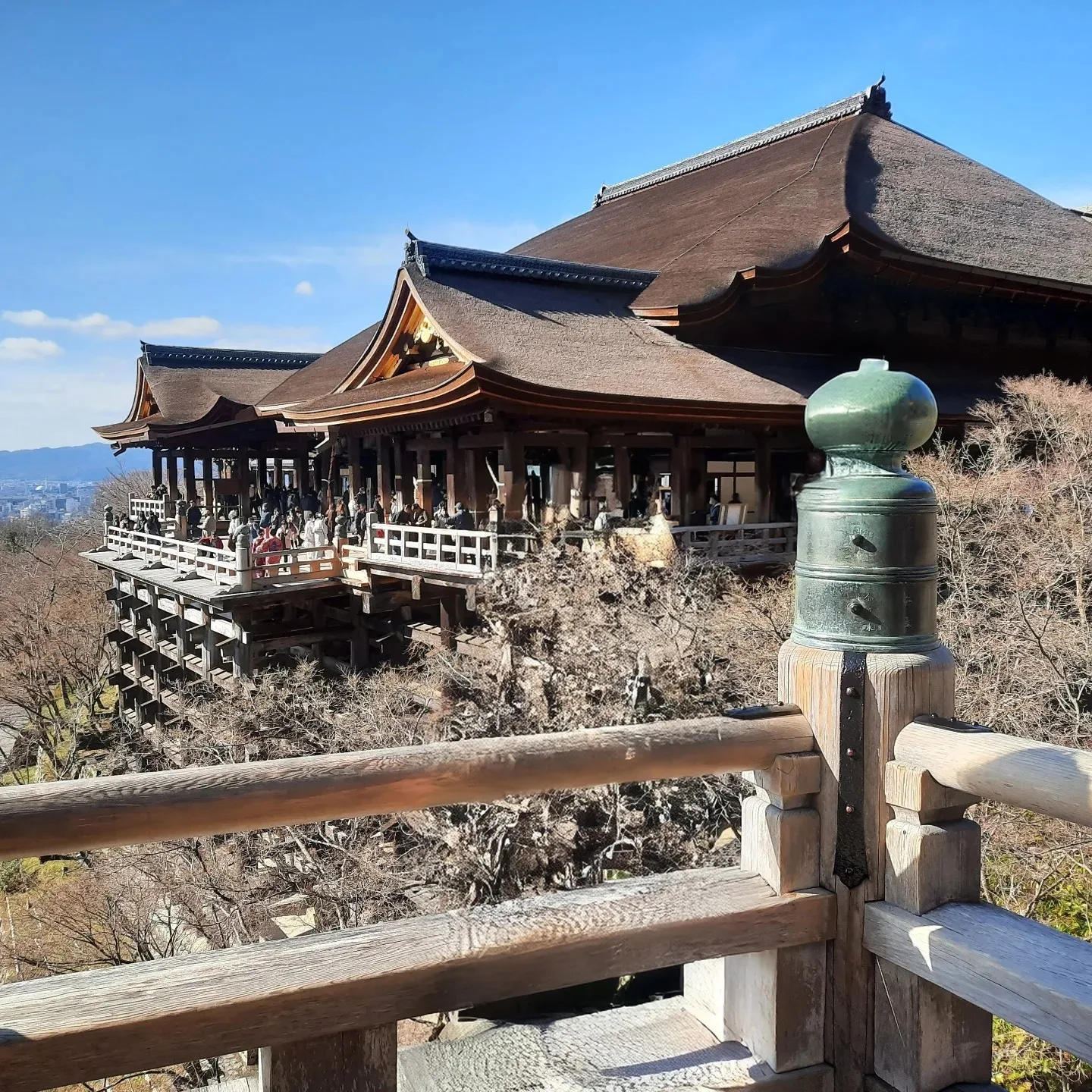
Kiyomizu-dera, established in 778, is best known for its massive wooden stage that juts out from the hillside.
Offering breathtaking views of cherry blossoms in spring and vibrant red leaves in autumn.
The temple is dedicated to Kannon, the Goddess of Mercy, and its name means “Pure Water Temple” after the sacred waterfall beneath it.
Visitors often drink from the Otowa Waterfall for blessings of health, love, or success. Don’t miss the charming shops along the approach street.
5. Senso-ji: Tokyo’s Oldest Temple
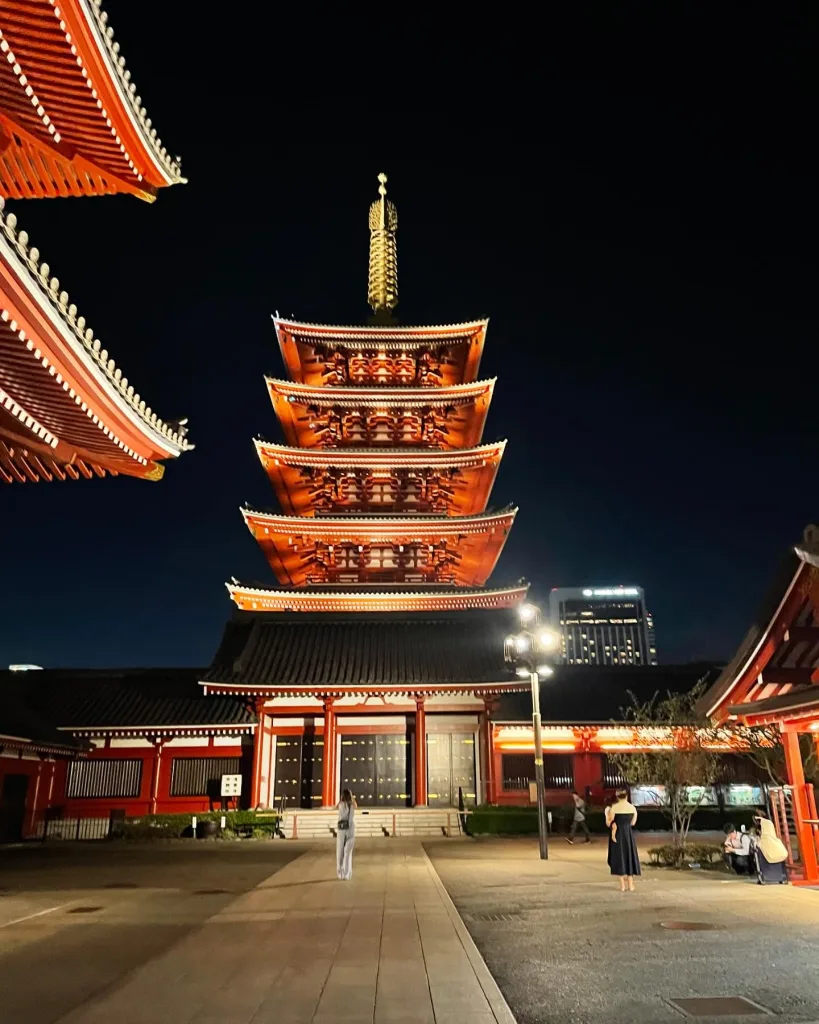
Tokyo’s oldest temple, Senso-ji, was founded in 645 and is dedicated to Kannon. Its dramatic Kaminarimon Gate with a giant red lantern is one of the city’s top landmarks.
The bustling Nakamise shopping street leading to the temple sells traditional snacks and souvenirs, making it a cultural and foodie paradise.
Inside, the main hall is deeply spiritual, with worshippers lighting incense for good fortune. For the best experience, visit during one of its lively festivals.
6. Ryoan-ji: The Mystery of the Rock Garden
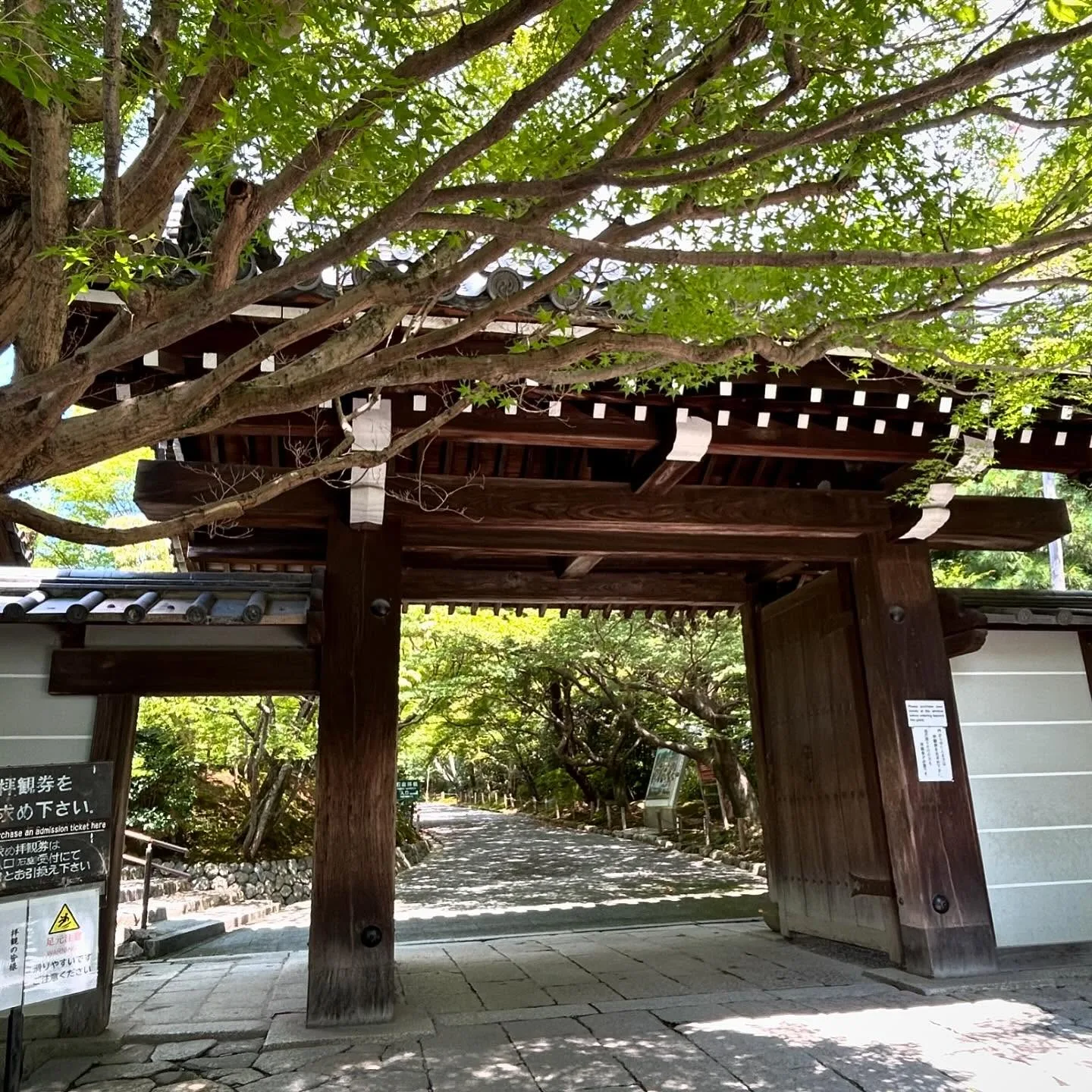
Ryoan-ji is a Zen temple founded in 1450, most famous for its mysterious rock garden.
The rectangular garden features 15 stones set within carefully raked white gravel, but from any vantage point, you can only see 14 stones.
This design symbolizes hidden truths and invites quiet reflection. The temple’s peaceful grounds also include a large pond, seasonal flowers, and walking paths.
It’s an ideal spot to pause, meditate, and experience the simplicity of Zen aesthetics firsthand.
7. Hasedera: Kamakura’s Temple of Compassion
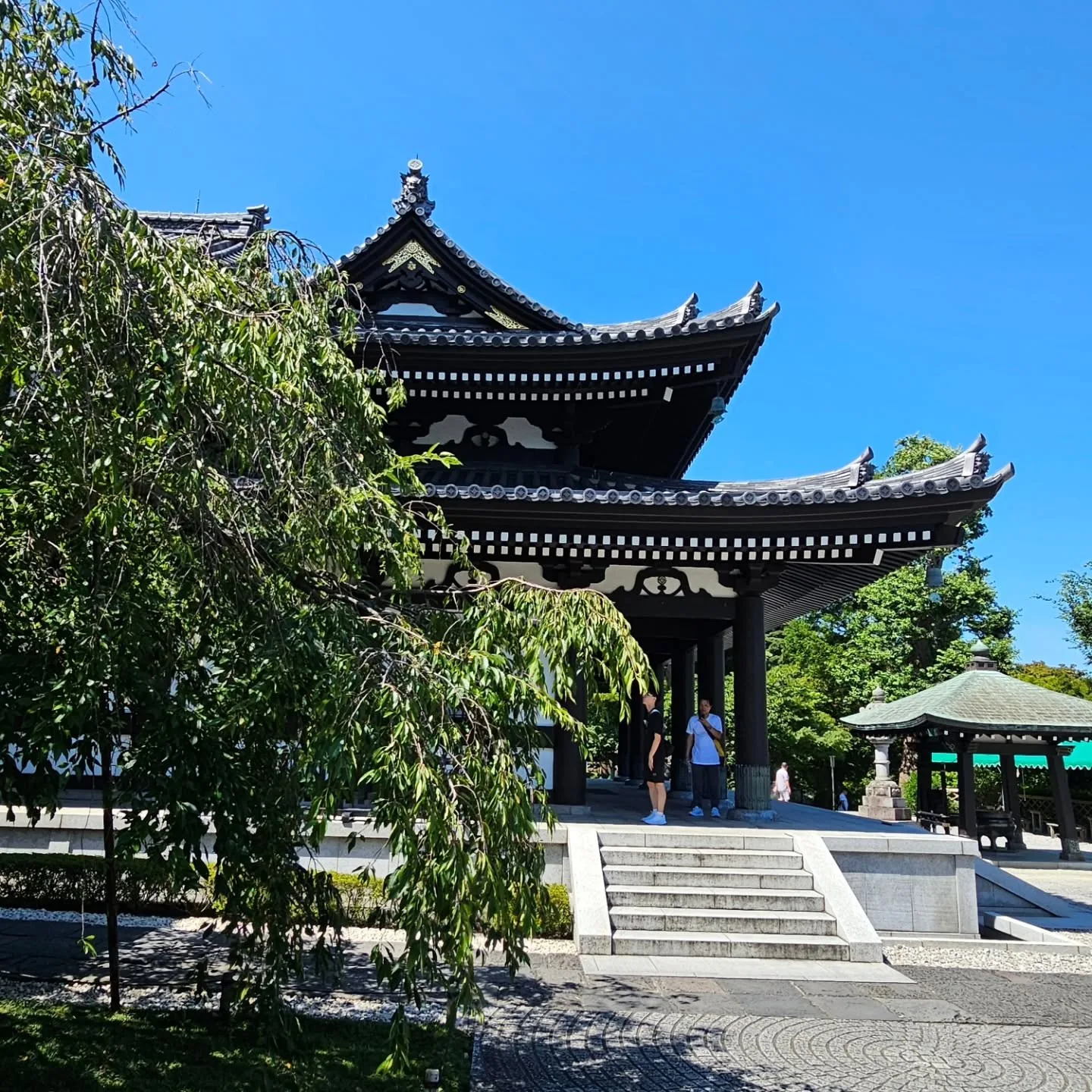
Hasedera, founded in the 8th century, is known for its stunning 11-headed wooden statue of Kannon, one of the largest in Japan.
The temple sits on a hillside, offering panoramic views of Kamakura and the nearby ocean. Its gardens are especially beautiful in hydrangea season, drawing crowds each June.
The temple also features a small cave shrine dedicated to Benzaiten, the goddess of fortune. Visitors enjoy the serene mix of coastal beauty and spiritual heritage here.
8. Nanzen-ji: Kyoto’s Grand Zen Gateway
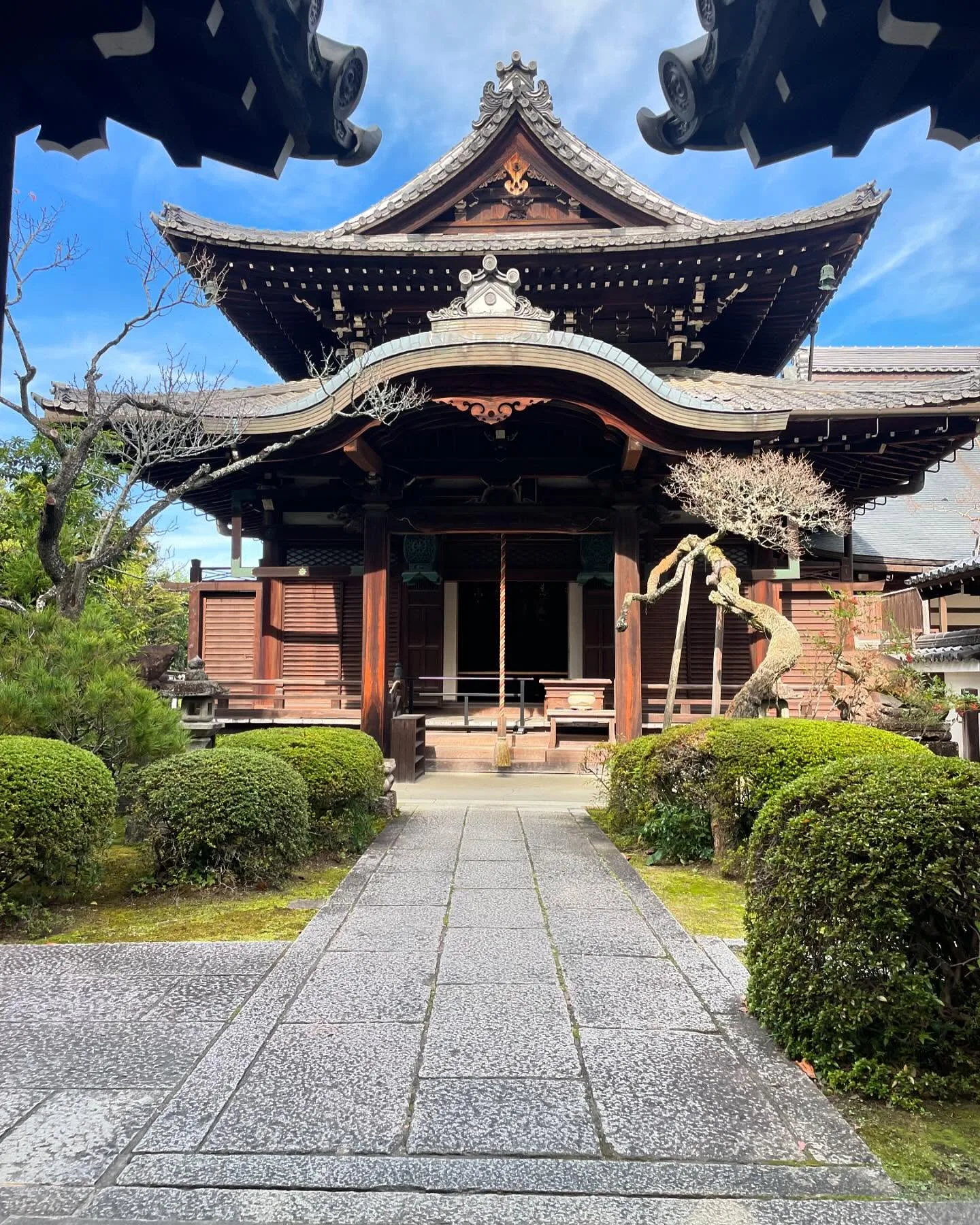
Nanzen-ji, established in 1291, is one of the most important Zen temples in Japan. Its massive wooden Sanmon Gate offers fantastic views over Kyoto.
Inside, you’ll find rock gardens, sub-temples, and even a striking brick aqueduct built in the Meiji era.
The temple grounds are free to explore, making it a favorite for both casual strollers and history lovers.
It’s especially gorgeous during autumn when the colorful leaves frame its serene Zen architecture.
9. Daigo-ji: The Temple of Blossoms
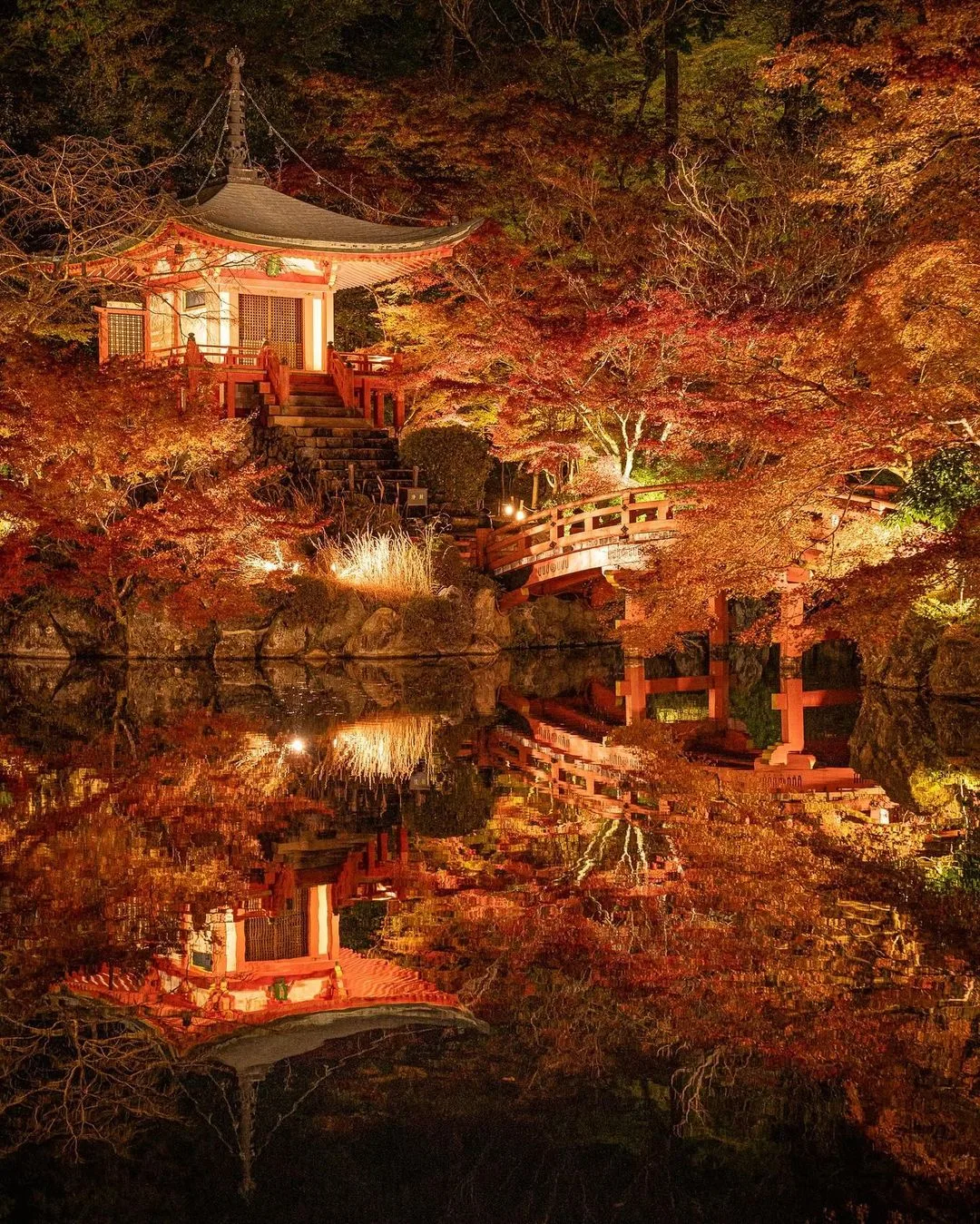
Daigo-ji is a sprawling temple complex founded in 874 and recognized as a UNESCO World Heritage Site.
It’s famous for its five-story pagoda, Kyoto’s oldest surviving wooden building, completed in 951.
The temple played a key role in Japanese history, hosting cherry blossom viewing parties by Toyotomi Hideyoshi.
Today, it’s still celebrated as one of Kyoto’s best spots for cherry blossoms. With mountain trails and peaceful gardens, it offers both cultural depth and natural beauty.
10. Engaku-ji: Zen Tranquility in Kamakura
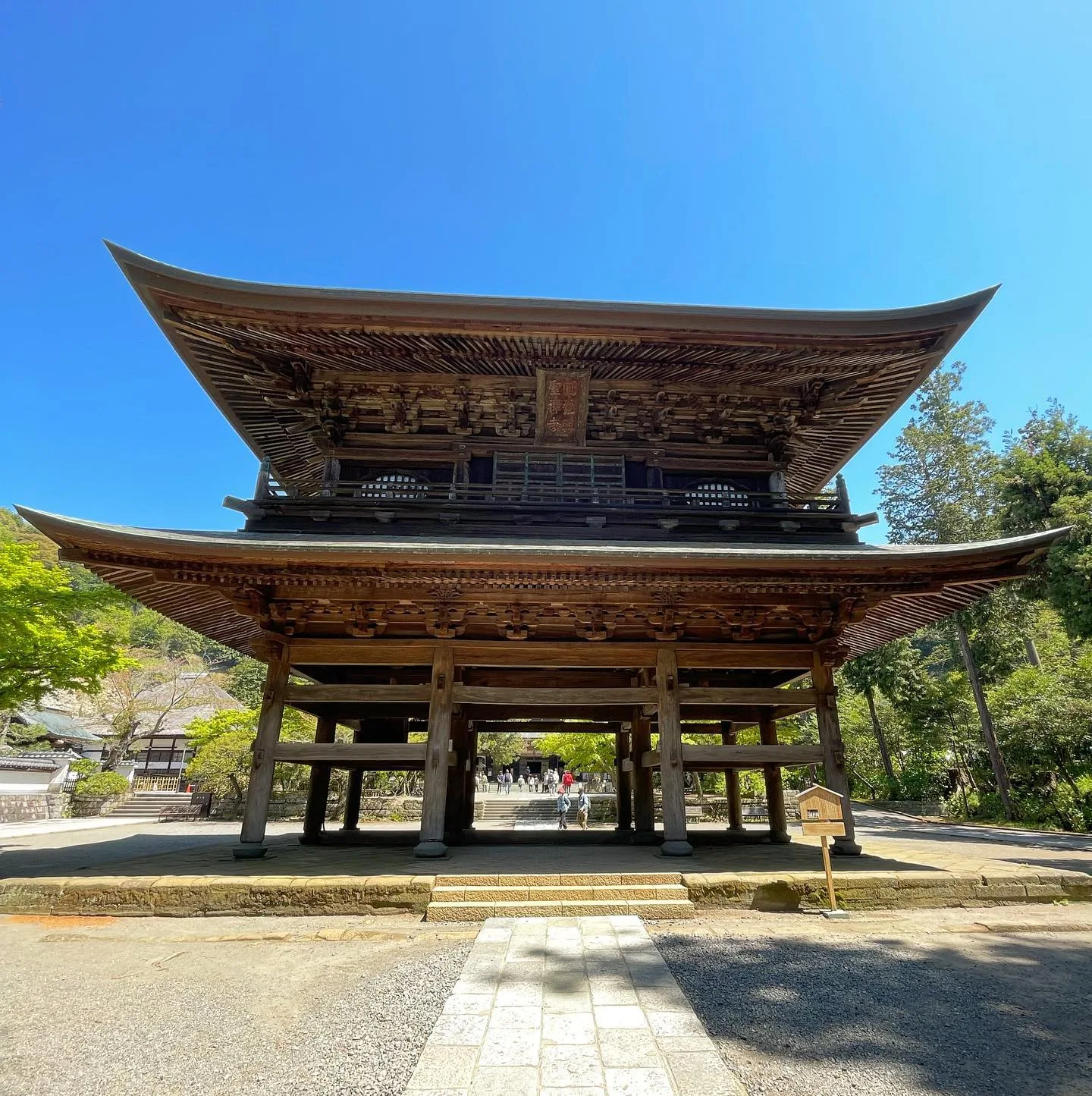
Founded in 1282, Engaku-ji is one of Kamakura’s most important Zen temples. It was built to honor soldiers who died in battles against Mongol invasions.
The temple’s hillside setting provides tranquility, with maple trees that glow in autumn.
Highlights include a massive wooden gate, serene Zen gardens, and an old tea house where visitors can rest.
Engaku-ji is also a great introduction to Zen culture, offering peaceful grounds not far from bustling Kamakura Station.
11. Byodo-in: The Phoenix Hall of Uji
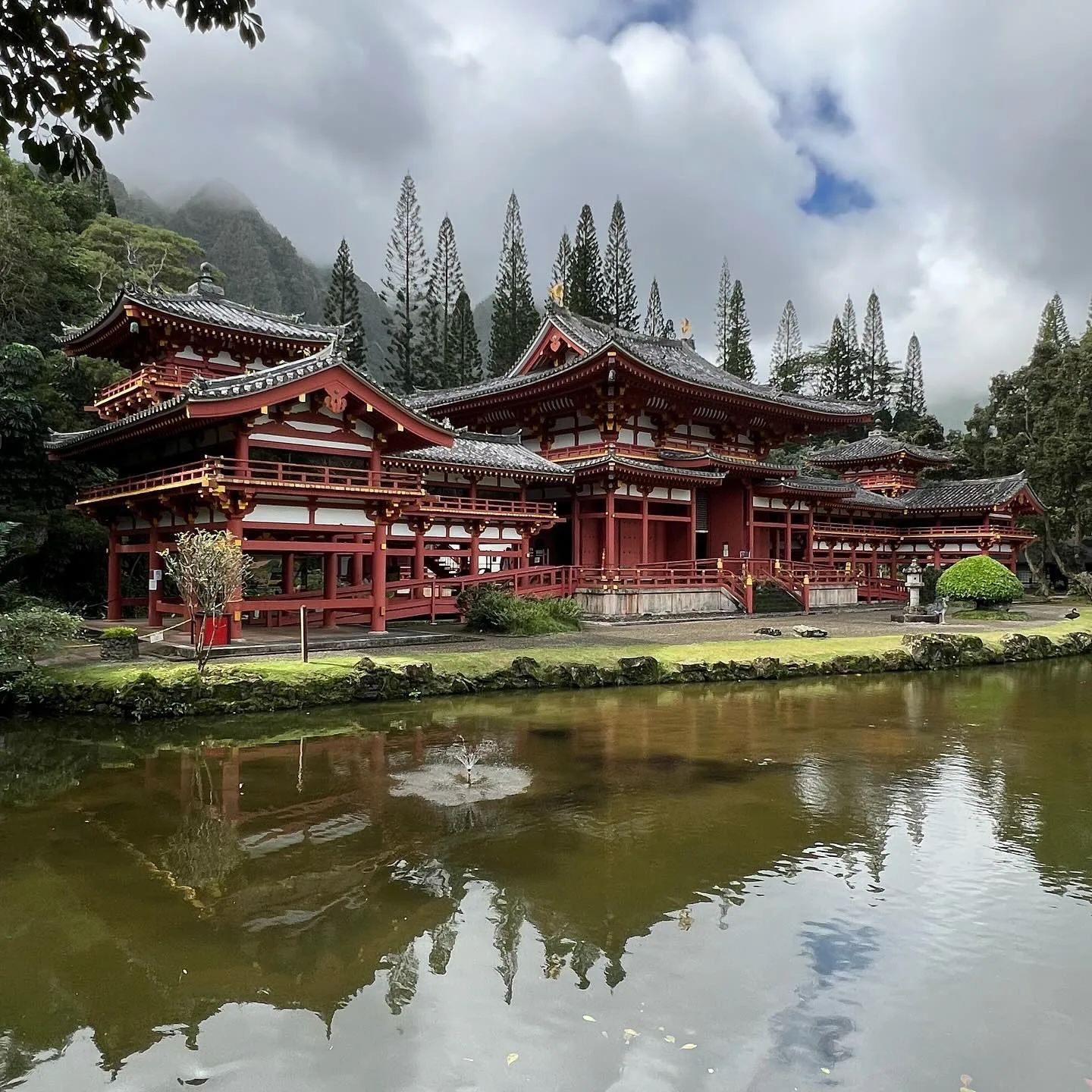
Byodo-in, built in 1052, is a masterpiece of Heian-period architecture. Its Phoenix Hall, with elegant wings mirrored in the pond, is so iconic that it’s featured on Japan’s 10 yen coin.
Originally a villa for a nobleman, it was later converted into a temple. Inside, you’ll find a dazzling statue of Amida Buddha surrounded by celestial carvings.
Located in Uji, famous for its green tea, this temple beautifully combines cultural heritage with local charm.
12. Ginkaku-ji: The Silver Pavilion of Subtle Beauty
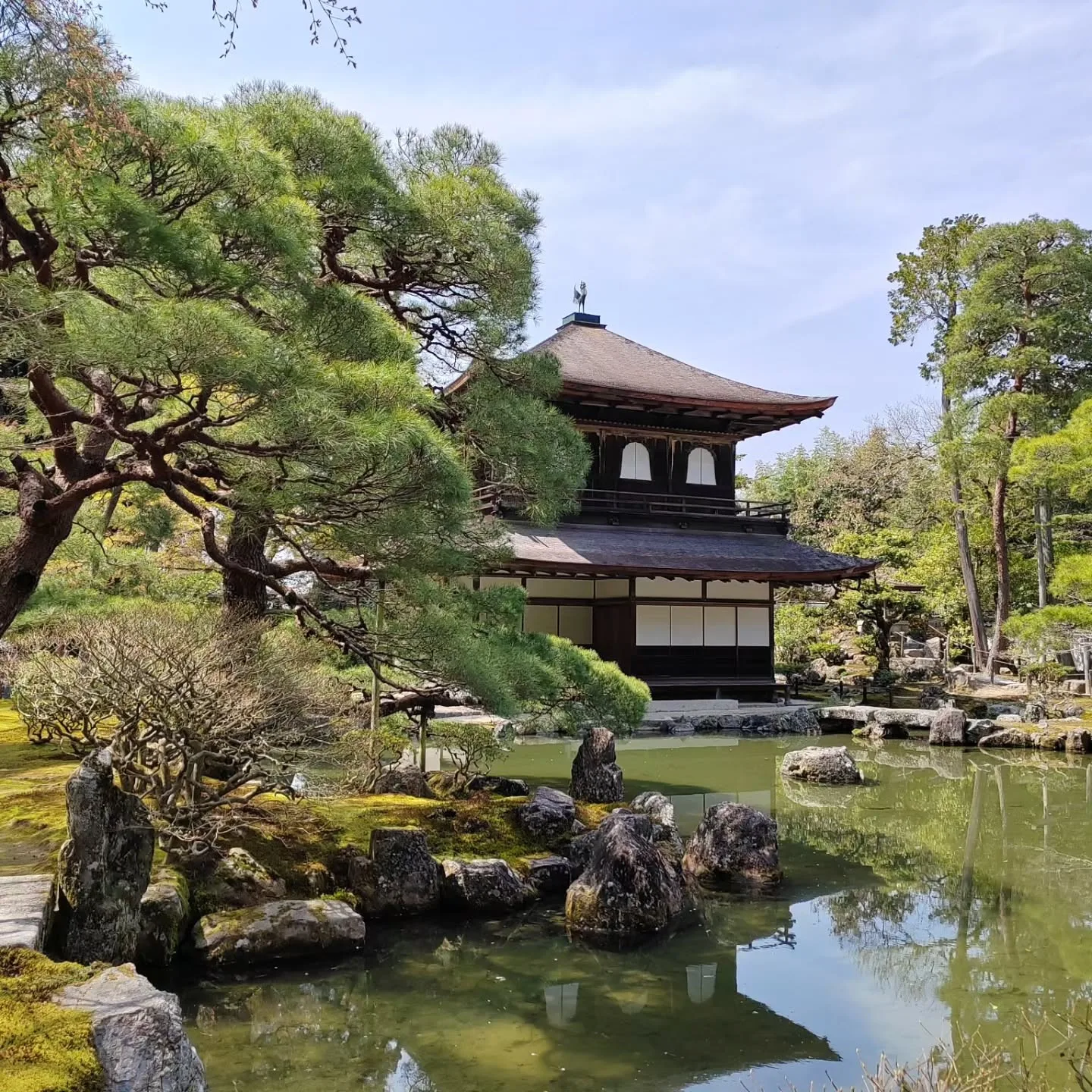
Ginkaku-ji, built in 1482 by shogun Ashikaga Yoshimasa, was intended as a counterpart to Kinkaku-ji. Despite its name, it was never covered in silver.
Instead, it symbolizes simplicity and wabi-sabi aesthetics. The temple’s highlight is its perfectly landscaped sand and moss gardens, including the famous “Sea of Silver Sand.”
Walking paths wind through serene groves of bamboo and maple trees. Ginkaku-ji remains a symbol of refined beauty, drawing visitors who appreciate subtle elegance over grandeur.
13. Tenryu-ji: The Arashiyama Jewel
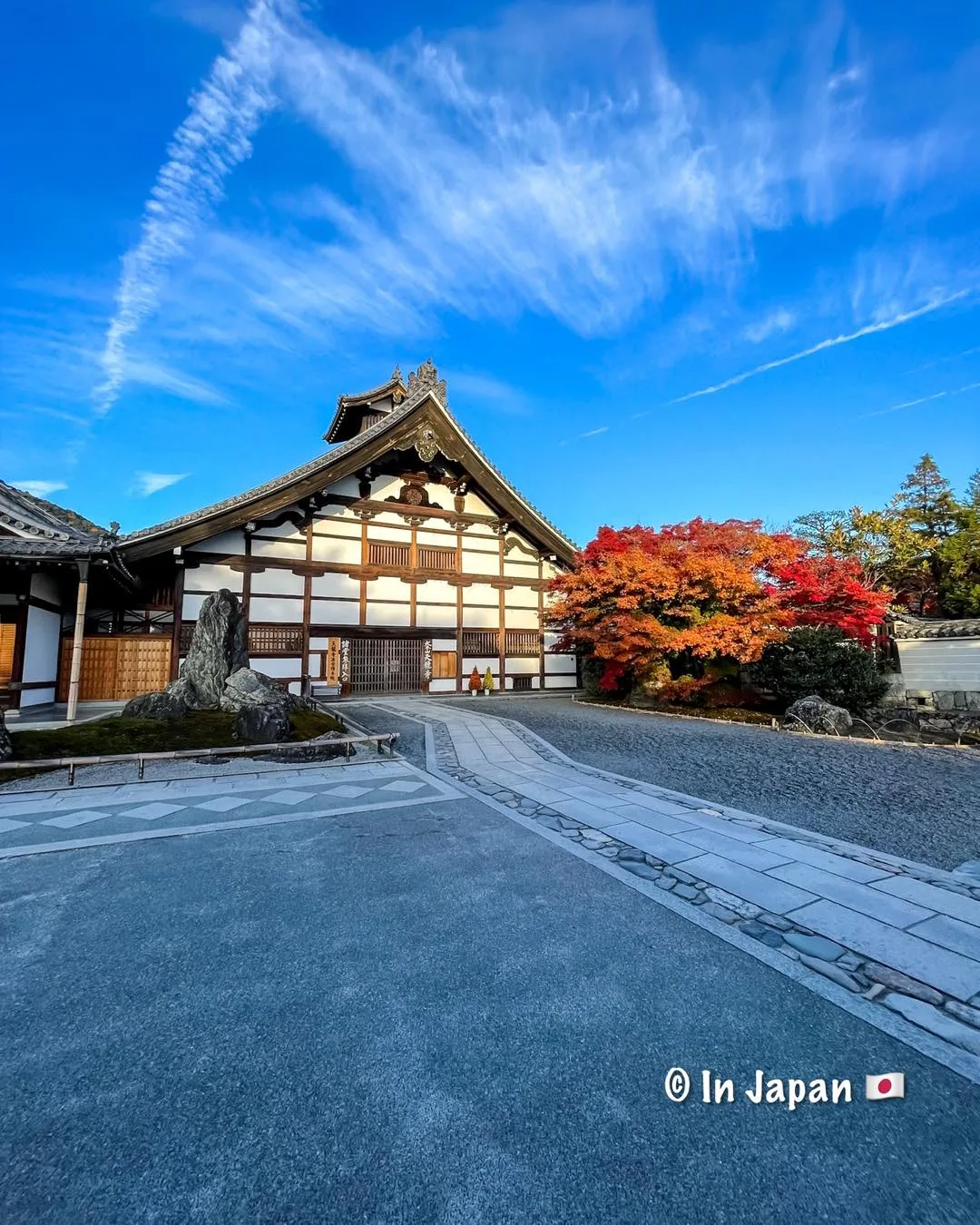
Founded in 1339, Tenryu-ji is the head temple of the Rinzai Zen sect and a UNESCO World Heritage Site.
Its garden, designed by master Muso Soseki, blends seamlessly with the surrounding Arashiyama mountains, creating a stunning “borrowed scenery” effect.
The temple’s wooden halls showcase traditional architecture, while seasonal flowers add to its charm.
Just steps away from the famous bamboo grove, Tenryu-ji makes a perfect cultural stop before exploring Arashiyama’s natural beauty.
14. Toshogu Shrine: Nikko’s Lavish Masterpiece
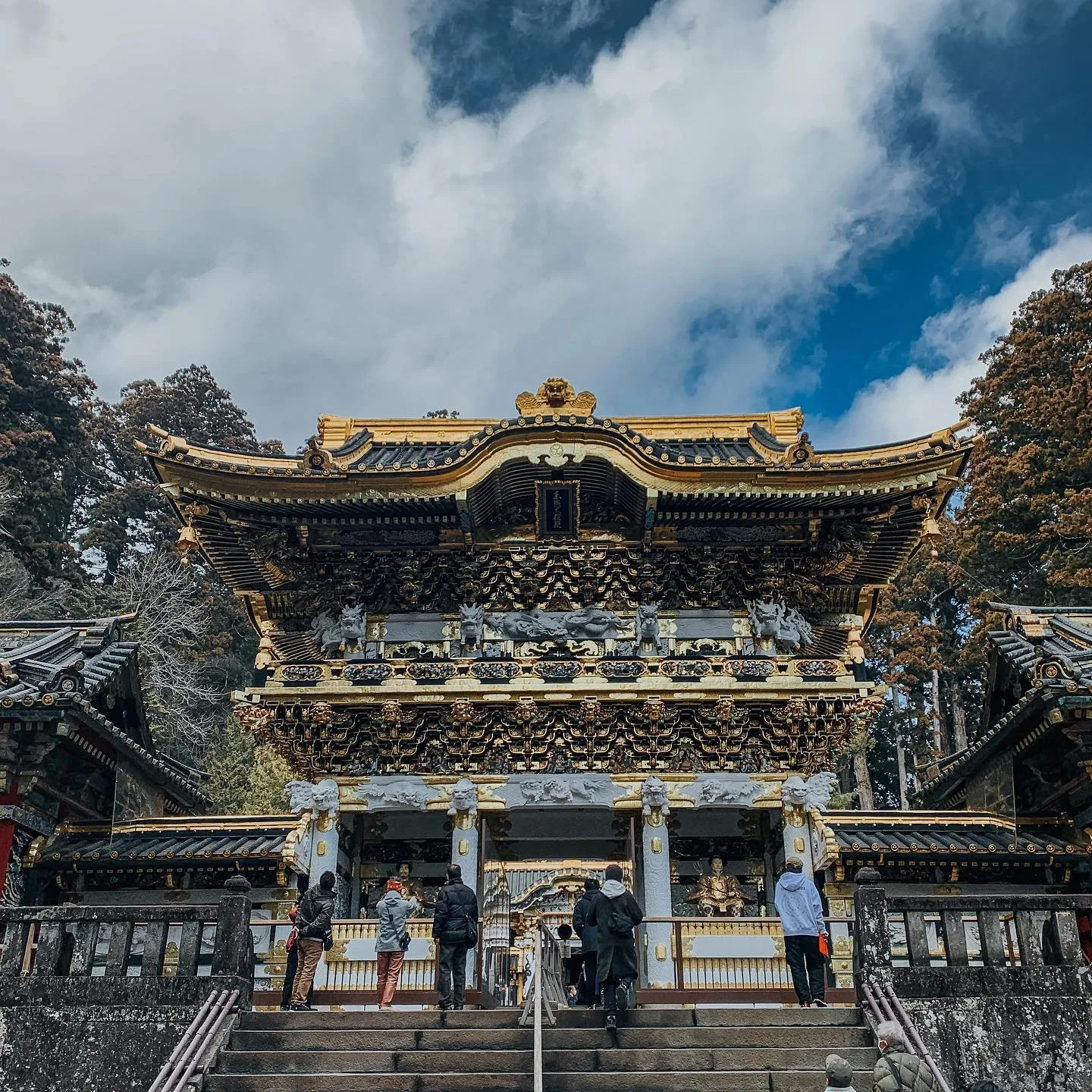
Toshogu Shrine, built in 1617, is the lavish mausoleum of Tokugawa Ieyasu, the founder of the Tokugawa shogunate.
Unlike the simplicity of Zen temples, Toshogu dazzles with ornate carvings, gold leaf, and vibrant colors.
Its most famous features include the “See No Evil, Speak No Evil, Hear No Evil” monkey carvings and the Sleeping Cat sculpture.
Surrounded by lush forest in Nikko, this shrine blends grandeur with natural beauty, making it a must-see historic site.
15. Chuson-ji: Hiraizumi’s Golden Treasure
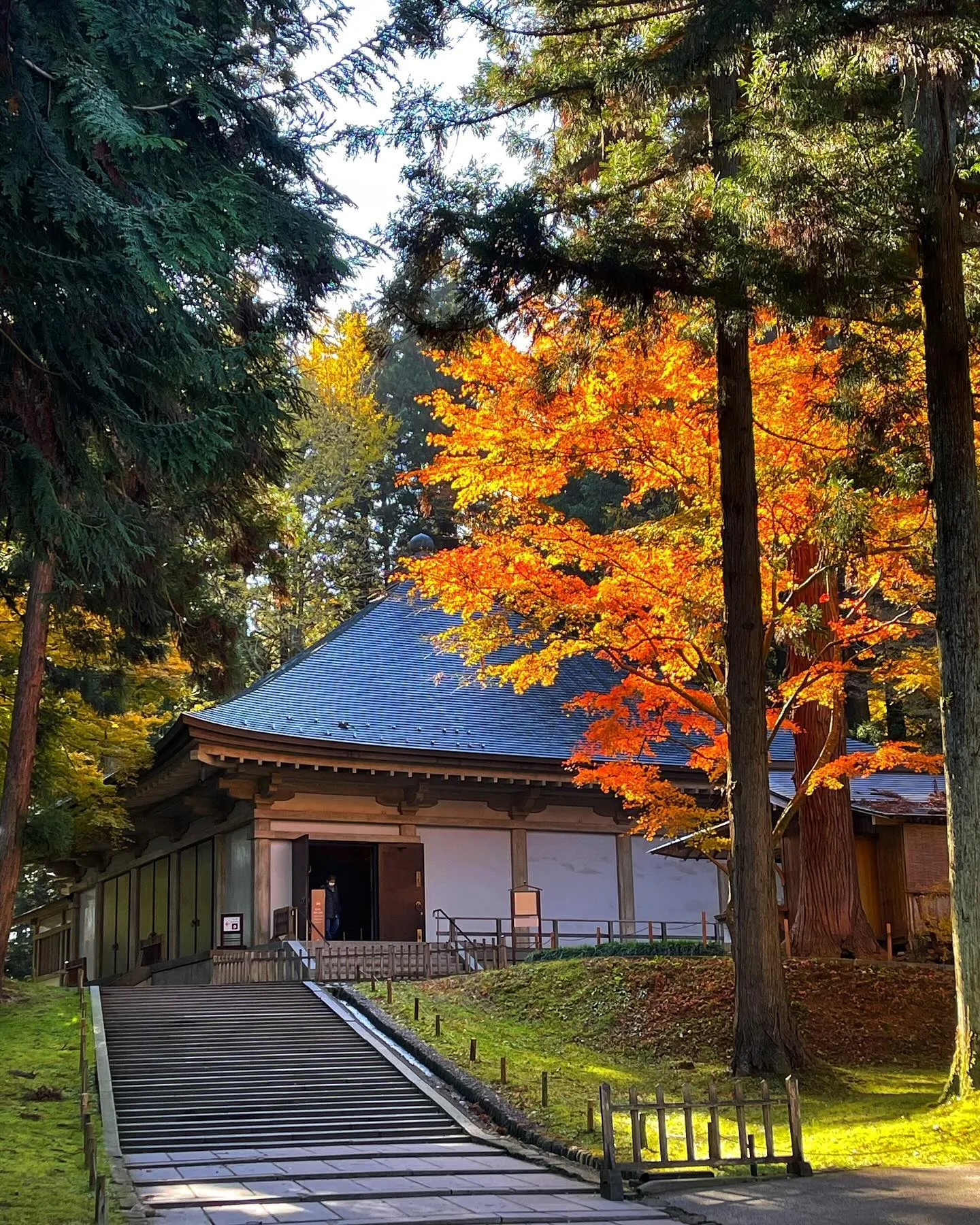
Chuson-ji was founded in 850 but rose to prominence in the 12th century under the Fujiwara clan.
Its most famous hall, Konjikido (Golden Hall), is covered in gold leaf and houses important Buddhist statues and relics.
The temple complex once had hundreds of structures, symbolizing the clan’s power.
Today, visitors can stroll wooded paths leading to the hall, enjoying a peaceful mix of history and nature. Chuson-ji is also part of a UNESCO World Heritage Site.
Why Japan’s Temples Are So Special?
Japan has thousands of temples, each with its own unique vibe. But what makes them stand out compared to temples elsewhere?
- Deep cultural roots: Temples have been central to Japanese life for centuries, blending Buddhism and local traditions.
- Architectural beauty: From wooden halls to ornate gates, temples showcase craftsmanship that’s lasted for generations.
- Spiritual sanctuaries: Whether you’re religious or not, there’s a sense of peace that wraps around you the moment you step in.
Seriously, visiting a temple in Japan feels like pressing pause on the chaos of modern life.
How to Make the Most of Your Temple Visits?
Visiting Japan’s temples can be so much more than snapping a few photos and moving on. To really soak in the atmosphere, it’s important to approach each temple with curiosity, patience, and respect. Here are some practical ways to make your experience truly memorable.
- Plan Ahead: Many temples have specific opening hours, seasonal events, or entry fees. Some even close parts of their grounds for maintenance or ceremonies. Doing a little research before your visit ensures you don’t miss out on hidden treasures like gardens, tea houses, or special exhibitions
- Respect the Culture: Temples are sacred spaces, and while they welcome everyone, it’s important to honor local traditions. Dress modestly, avoid loud conversations, and follow posted etiquette signs. Even small gestures—like bowing before entering or using the purification basin correctly—show appreciation for the culture
- Take Your Time: Temples aren’t meant to be rushed. Instead of just passing through, slow down. Pause to admire the wooden carvings, listen to the rustle of leaves in the garden, or sit quietly by the incense burners.
- Explore Hidden Gems: Sure, Kyoto’s Golden Pavilion or Tokyo’s Senso-ji are amazing—but don’t overlook the smaller temples tucked away in quiet neighborhoods. These less-crowded spots often provide the most authentic experiences. Exploring beyond the famous sites gives you a richer, more personal connection with Japan’s temples.
Final Thoughts
Exploring Japan’s temples isn’t just about ticking landmarks off a list—it’s about experiencing the heart and soul of Japanese culture. Whether you’re gazing at the shimmering Golden Pavilion, wandering through the bustling grounds of Senso-ji, or quietly meditating in a Zen garden, every temple offers something truly special.
So here’s my challenge to you: next time you’re in Japan, skip the usual shopping spree and spend a day temple-hopping. Who knows—you might just find the kind of peace and inspiration you didn’t even know you were looking for. IMO, that’s the real magic of Japan’s temples.