
20 Hidden Gems in Japan: Unique Places Beyond the Tourist Path
Have you ever felt like Japan is always portrayed through the same handful of destinations—Tokyo’s neon lights, Kyoto’s temples, and Osaka’s street food? Don’t get me wrong, those places are amazing.
But if you’re like me, you’ve probably wondered: What about the spots that tourists usually miss? That’s exactly why I started exploring beyond the obvious, digging into the Hidden Gems in Japan that locals cherish but guidebooks often skip.
During my travels, I stumbled across breathtaking villages, underrated islands, and quirky museums that totally redefined how I see Japan.
And trust me—these aren’t just pretty places; they’re experiences that give you a true taste of Japanese culture and daily life. So grab your notepad (or your Google Maps 😅), because we’re about to uncover some of Japan’s best-kept secrets.

1. Tottori Sand Dunes: Japan’s Desert by the Sea

The Tottori Sand Dunes are one of Japan’s most unique landscapes, stretching along the Sea of Japan coast.
These rolling golden dunes almost make you forget you’re in Japan. Visitors can try camel rides, sandboarding, or simply enjoy panoramic views of the ocean meeting desert-like scenery.
For a magical experience, visit at sunset when the sky turns fiery orange over the sands. It’s a surreal escape that feels worlds away from Japan’s bustling cities.
2. Shirakawa-go: The Fairy-Tale Village

Nestled in Gifu Prefecture, Shirakawa-go is famous for its gassho-zukuri houses—steep thatched roofs designed to withstand heavy snow.
Visiting in winter feels like stepping into a snowy storybook, with glowing homes lit by lanterns. The village is also stunning in spring and autumn, with lush greenery and fiery leaves.
Beyond the postcard views, you can stay overnight in one of the traditional houses, making it a cultural and cozy way to experience Japan’s mountain life.
3. Aogashima Island: The Secret Volcanic Paradise
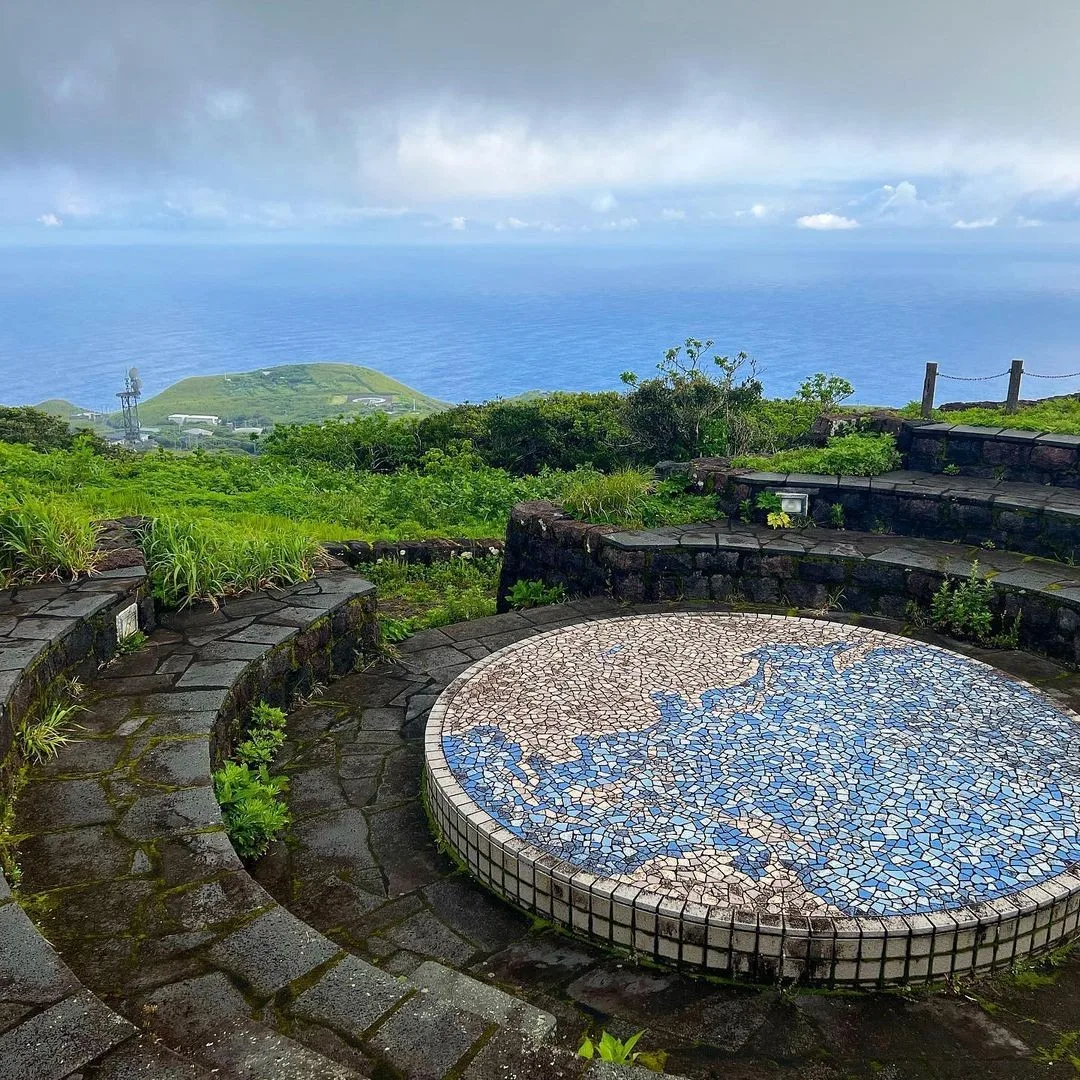
Imagine an island within a volcano—that’s Aogashima, part of Tokyo’s jurisdiction but worlds apart in atmosphere.
This remote island has a population of only a few hundred people and is surrounded by breathtaking cliffs and volcanic craters.
Hiking trails offer jaw-dropping views, while local hot springs add a relaxing touch.
Reaching Aogashima requires a ferry or helicopter, but that’s part of its charm. For adventurous travelers, it’s a true hidden gem far off the beaten path.
4. Taketomi Island: Okinawa’s Timeless Treasure
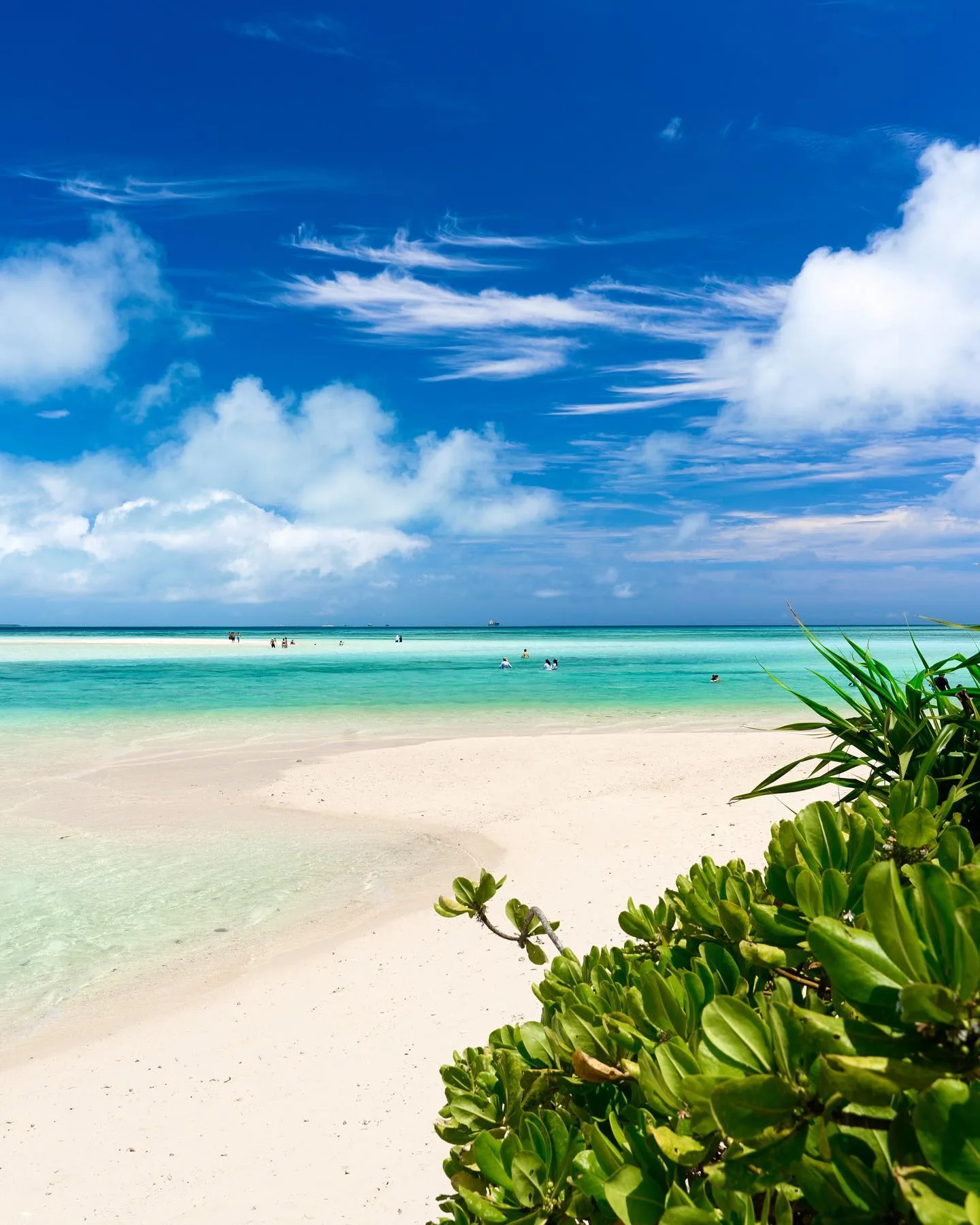
If you’re craving slow island life, Taketomi Island in Okinawa delivers. This small island preserves traditional Ryukyu-style homes with red-tiled roofs and coral walls.
Water buffalo-drawn carts add to the laid-back charm as they leisurely stroll through sandy streets.
The beaches here are equally inviting, especially the star-sand beaches, where tiny grains resemble stars.
Taketomi offers the perfect mix of culture and relaxation, giving you a glimpse of Okinawa’s traditions without the rush of modern tourism.
5. Koyasan: The Spiritual Mountain Retreat

Deep in Wakayama Prefecture, Koyasan is a sacred mountain settlement and the heart of Shingon Buddhism.
Monks have lived here for centuries, and visitors can stay in temple lodgings (shukubo) to experience Buddhist vegetarian meals and morning prayers.
The highlight is Okunoin Cemetery, Japan’s largest and most mystical, where moss-covered gravestones line forest paths.
Koyasan isn’t just a sightseeing stop, it’s a spiritual journey that invites you to slow down, reflect, and connect with Japan’s deeper traditions.
6. Kanazawa: The Elegant Cultural Hub
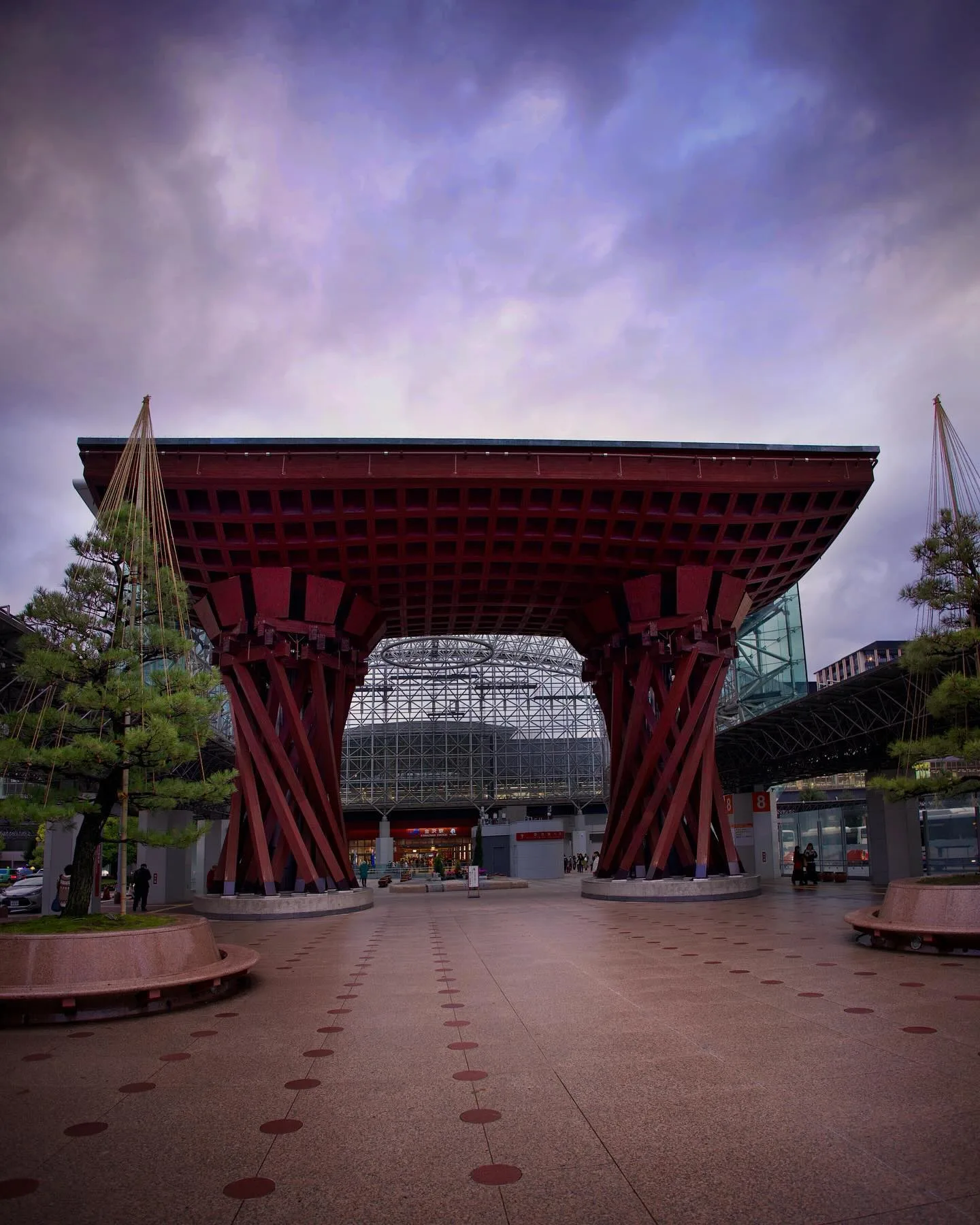
Often called “Little Kyoto,” Kanazawa is a blend of art, tradition, and history without the overwhelming tourist crowds.
Its crown jewel is Kenrokuen Garden, one of Japan’s top three gardens, offering year-round beauty from cherry blossoms to snow-draped pines.
The Nagamachi samurai district and Higashi Chaya teahouse area transport you back in time.
Kanazawa also embraces modernity with the 21st Century Museum of Contemporary Art. It’s the perfect destination if you crave balance between old and new.
7. Nachi Falls: Japan’s Majestic Waterfall

Nachi Falls in Wakayama is one of Japan’s tallest and most breathtaking waterfalls, dropping 133 meters in a single cascade.
Its setting is iconic: the bright vermilion Seiganto-ji Pagoda stands before the rushing falls, creating one of Japan’s most photographed scenes.
Beyond its beauty, the waterfall is also deeply spiritual, tied to Kumano’s sacred pilgrimage routes.
Visiting Nachi Falls isn’t just about nature—it’s about witnessing the harmony of Shinto, Buddhism, and natural wonder in one stunning view.
8. Ouchi-juku: The Edo-Era Post Town

Step back in time at Ouchi-juku, a preserved Edo-period post town in Fukushima Prefecture.
Thatched-roof buildings line the streets, once serving as rest stops for travelers along the Aizu-Nishi Kaido trade route.
Today, the town still feels untouched by modernity. Try the local specialty, negi soba, where buckwheat noodles are eaten with a leek instead of chopsticks.
The mix of traditional architecture, mountain scenery, and local flavors makes Ouchi-juku a nostalgic gem worth wandering slowly through.
9. Gunkanjima (Battleship Island): The Forgotten Ruins

Gunkanjima, also called Battleship Island, is one of Japan’s most fascinating abandoned sites.
Once a bustling coal mining facility, it was left deserted in the 1970s and now stands as a ghostly ruin. Its crumbling concrete buildings resemble a warship from afar, hence the nickname.
Tours allow you to explore this UNESCO World Heritage Site and imagine life on the island during its peak. It’s eerie, dramatic, and a must-visit for history lovers and urban explorers.
10. Yakushima: The Enchanted Forest Island
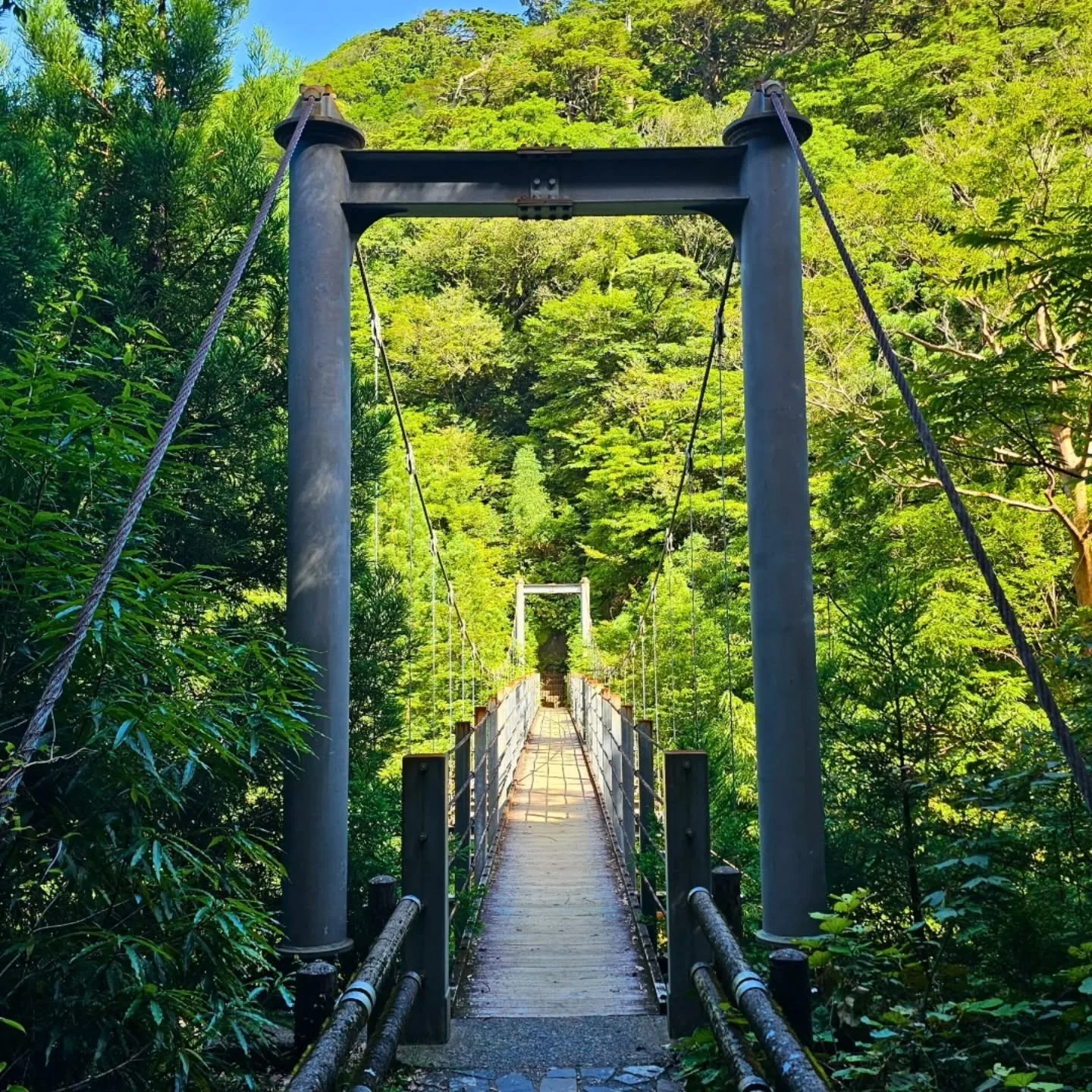
Yakushima, in Kagoshima Prefecture, is a lush subtropical island known for its ancient cedar trees, some thousands of years old.
Its mystical forests inspired Studio Ghibli’s Princess Mononoke, making it a dream destination for nature lovers.
Hiking trails lead you through mossy woods, waterfalls, and wildlife, including monkeys and deer.
Hot springs by the sea add relaxation after a long trek. Yakushima’s raw beauty and spiritual atmosphere make it one of Japan’s most magical hidden gems.
11. Iya Valley Festivals: Tradition in the Mountains
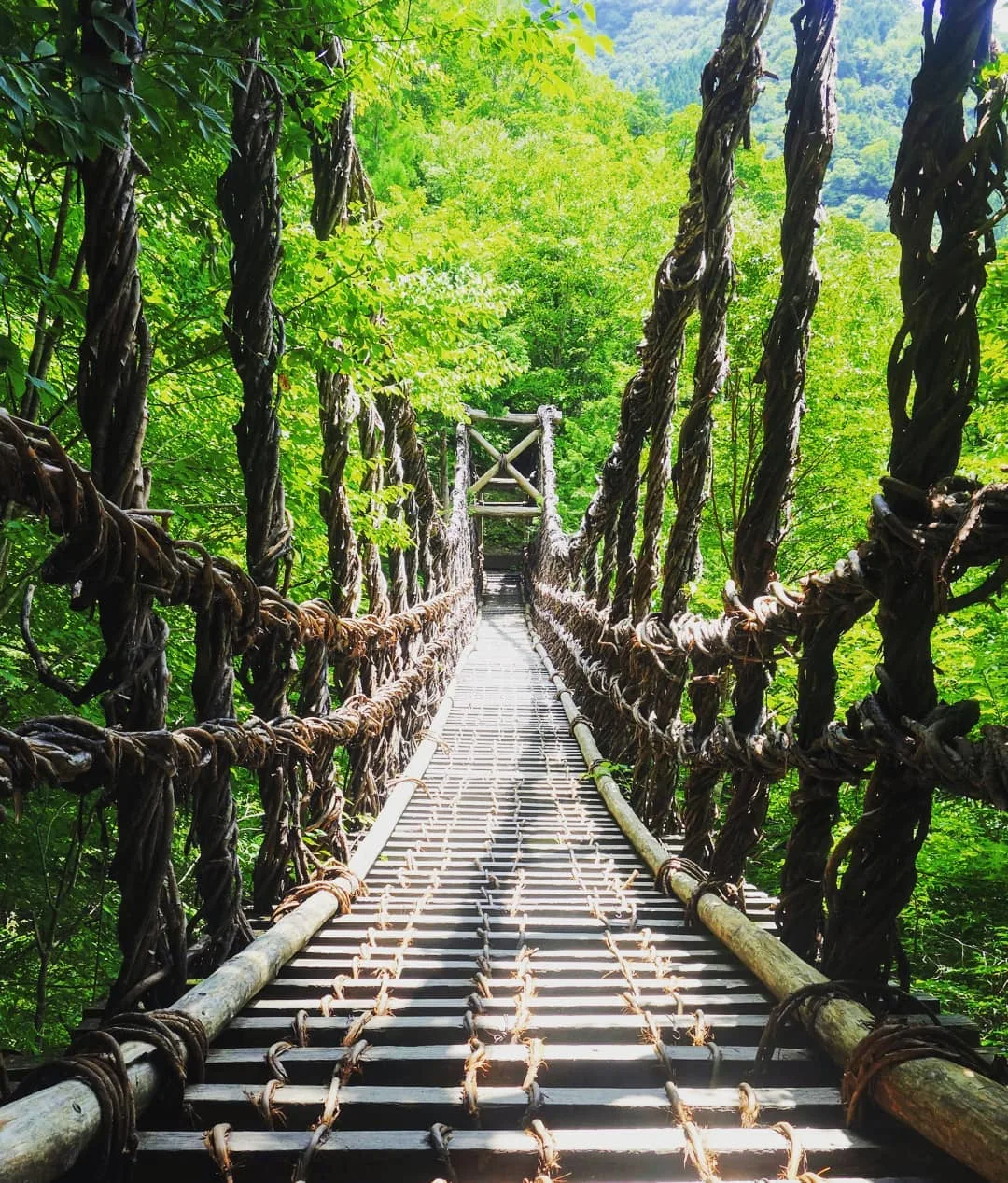
Located in Tokushima Prefecture, the Iya Valley is famous for its vine bridges and rugged mountain beauty, but its local matsuri (festivals) are just as special.
These community celebrations bring traditional dances, music, and rituals to life against a backdrop of dramatic gorges and rivers.
The region’s remote setting makes the festivals feel intimate and authentic, far removed from big-city crowds.
Experiencing a matsuri here is like being welcomed into Japan’s living cultural heritage.
12. Shodoshima: The Olive Island of Japan

Shodoshima, in Kagawa Prefecture, surprises visitors with its Mediterranean flair.
Famous for olive cultivation, the island boasts olive groves, Greek-inspired windmills, and even an Olive Park.
But that’s not all—it’s also home to soy sauce breweries, sandy beaches, and Kankakei Gorge, a spectacular spot for autumn foliage.
Shodoshima perfectly combines food, nature, and culture. Whether you’re sampling olive oil ice cream or hiking scenic trails, this island delivers a fresh and unique Japanese experience.
13. Amanohashidate: The Bridge to Heaven

One of Japan’s three most scenic views, Amanohashidate in Kyoto Prefecture is a sandbar covered with pine trees stretching across the bay.
The best way to see it? From above, where it looks like a pathway to the heavens. Locals recommend bending over and viewing it upside down through your legs for a fun perspective.
You can also walk or cycle across the sandbar, enjoying the sea breeze. Amanohashidate truly lives up to its heavenly nickname.
14. Hida-Furukawa: The Peaceful Canal Town
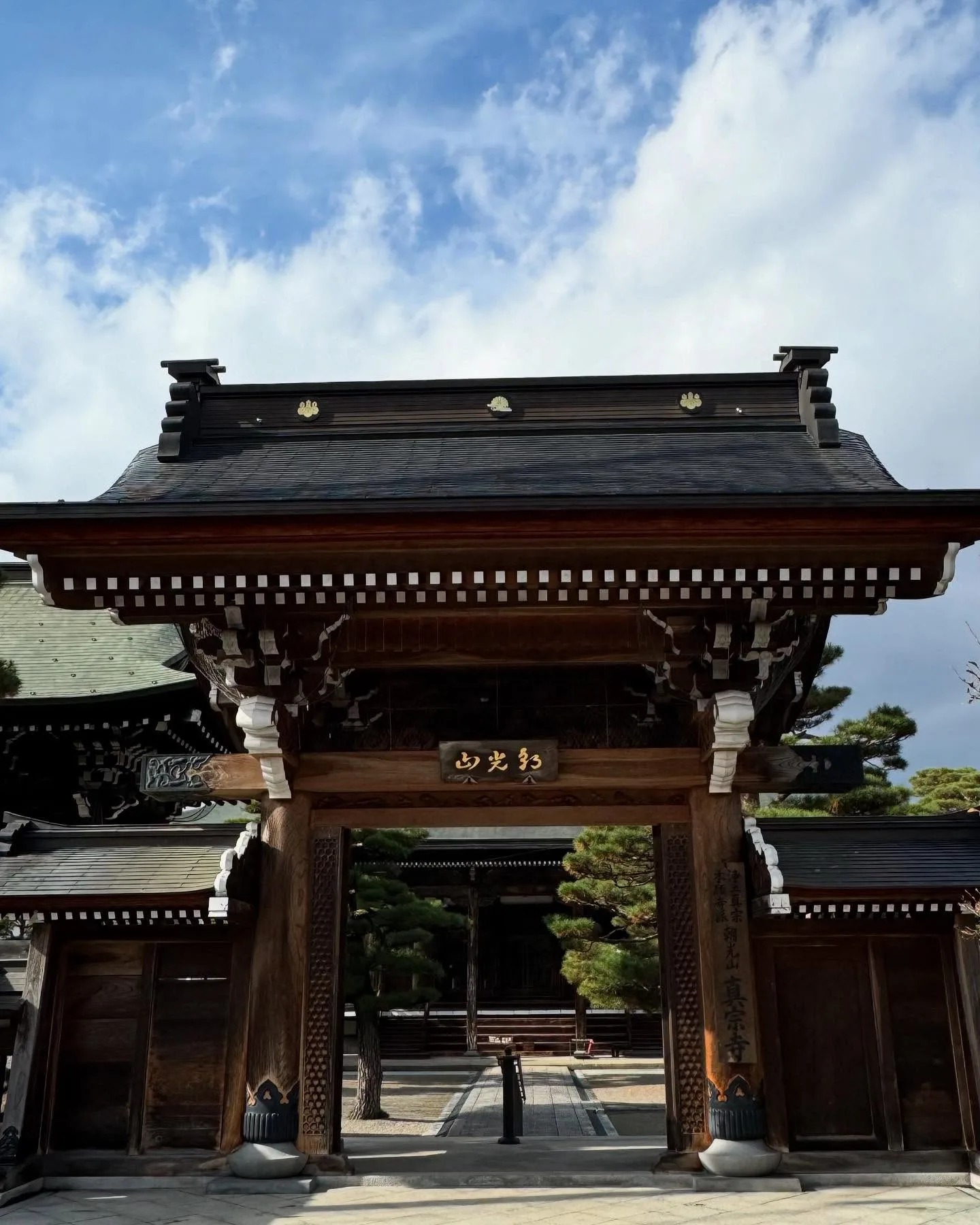
Just north of Takayama lies Hida-Furukawa, a quieter and equally charming town.
Known for its white-walled storehouses and picturesque canals filled with koi fish, it’s the kind of place where time slows down.
The town gained fame as a setting for the anime Your Name, drawing fans to explore its streets.
Beyond that, local festivals and handmade crafts give Hida-Furukawa a warm, authentic vibe. If you’re seeking tranquility with a touch of culture, this is it.
15. Kiso Valley: The Historic Samurai Trail
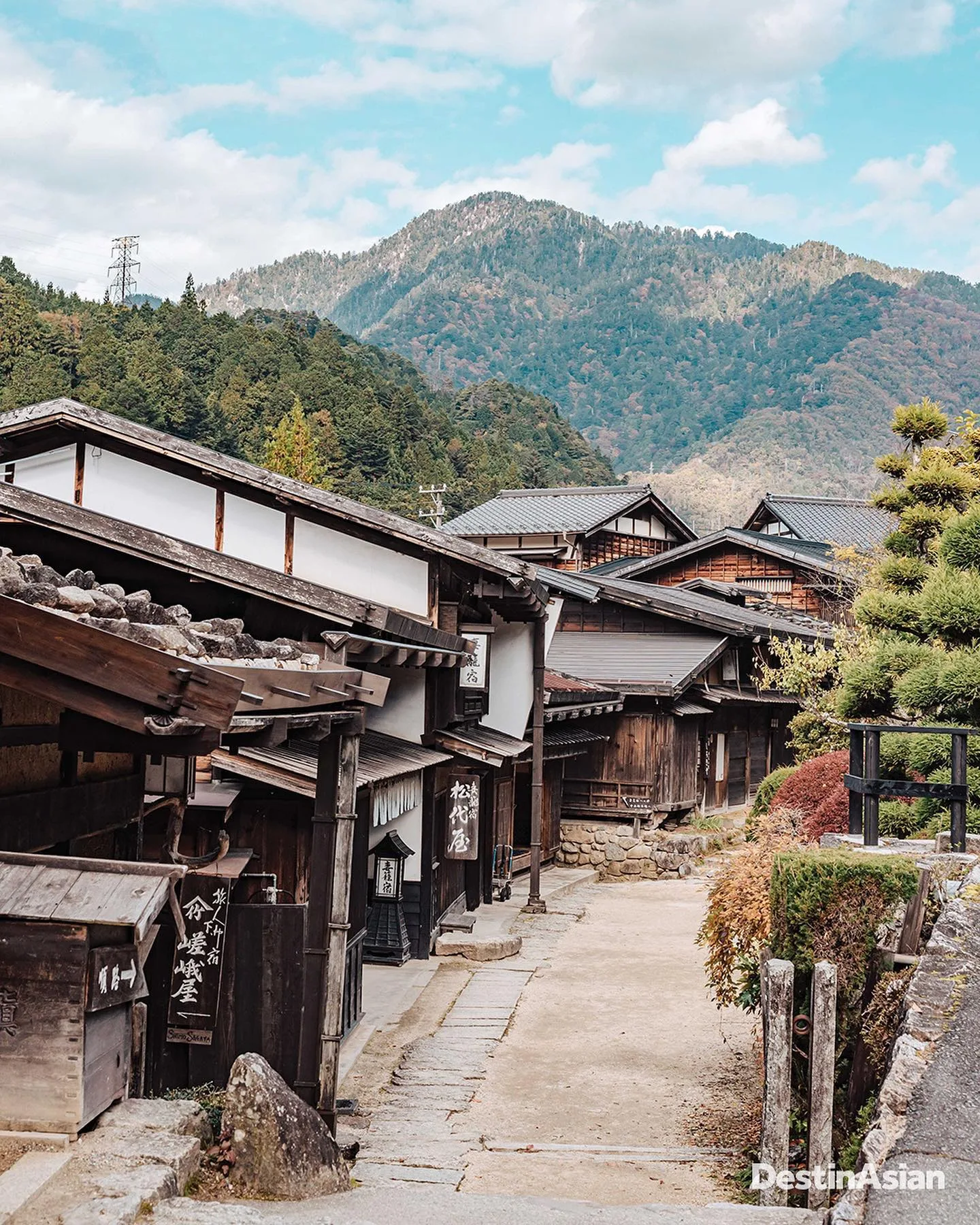
The Kiso Valley, in Nagano Prefecture, preserves parts of the old Nakasendo Trail once traveled by samurai.
Post towns like Magome and Tsumago remain beautifully intact, with wooden inns, tea houses, and cobblestone streets.
Walking the trail feels like stepping back into Edo-era Japan, where you can rest at traditional ryokan and soak in the atmosphere.
It’s not just a hike, it’s a living history lesson combined with mountain scenery, offering one of Japan’s most immersive cultural journeys.
16. Kurashiki: The Charming Canal City
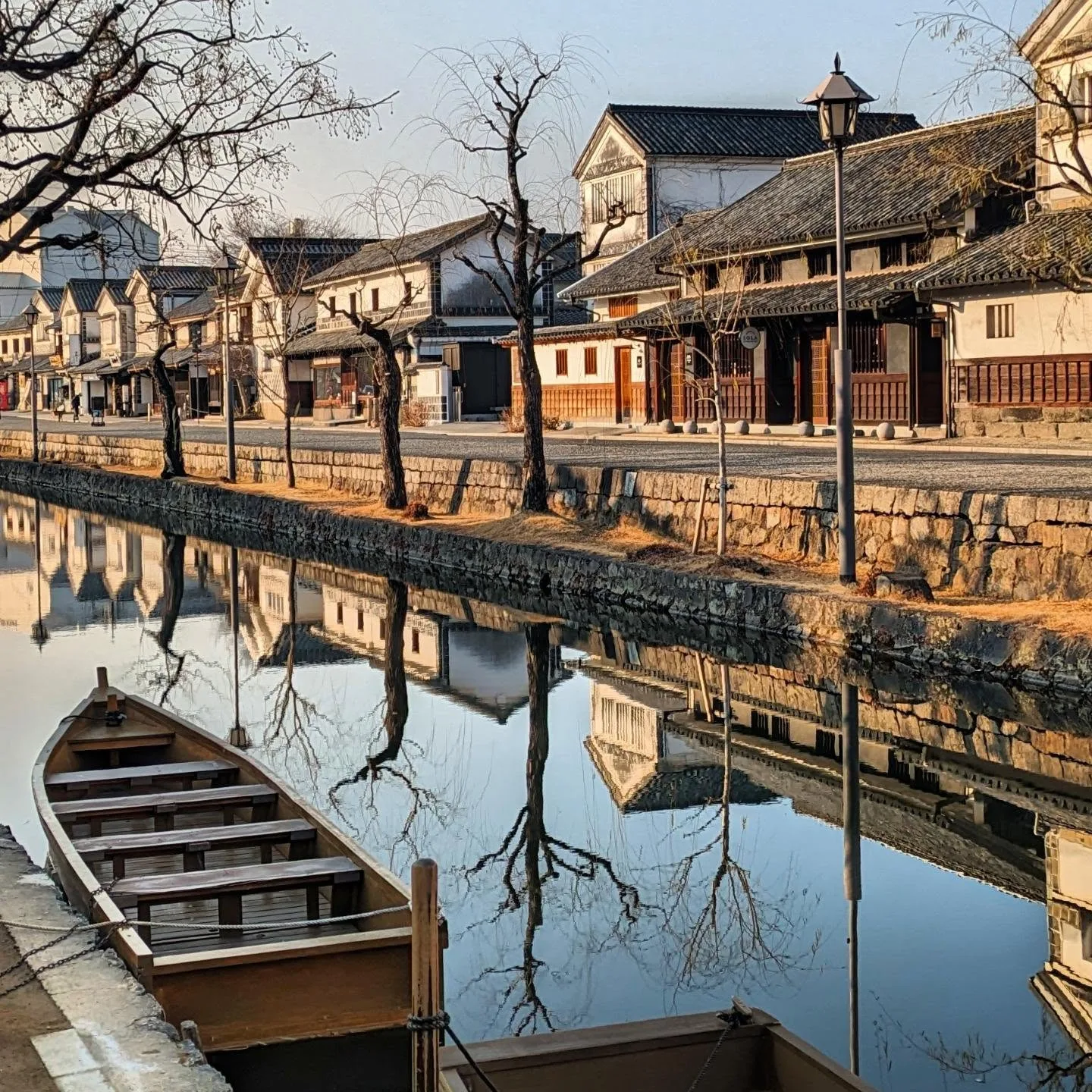
Kurashiki, in Okayama Prefecture, is known for its Bikan Historical Quarter, where willow trees line tranquil canals.
Old merchant warehouses have been transformed into museums, cafés, and galleries, creating a mix of history and creativity.
The Ohara Museum of Art, Japan’s first museum of Western art, adds to its cultural appeal.
Whether you’re riding a boat along the canals or strolling cobblestone streets, Kurashiki offers a romantic, old-world charm that feels refreshingly different from big cities.
17. Tomonoura: The Port Town of Ghibli Dreams
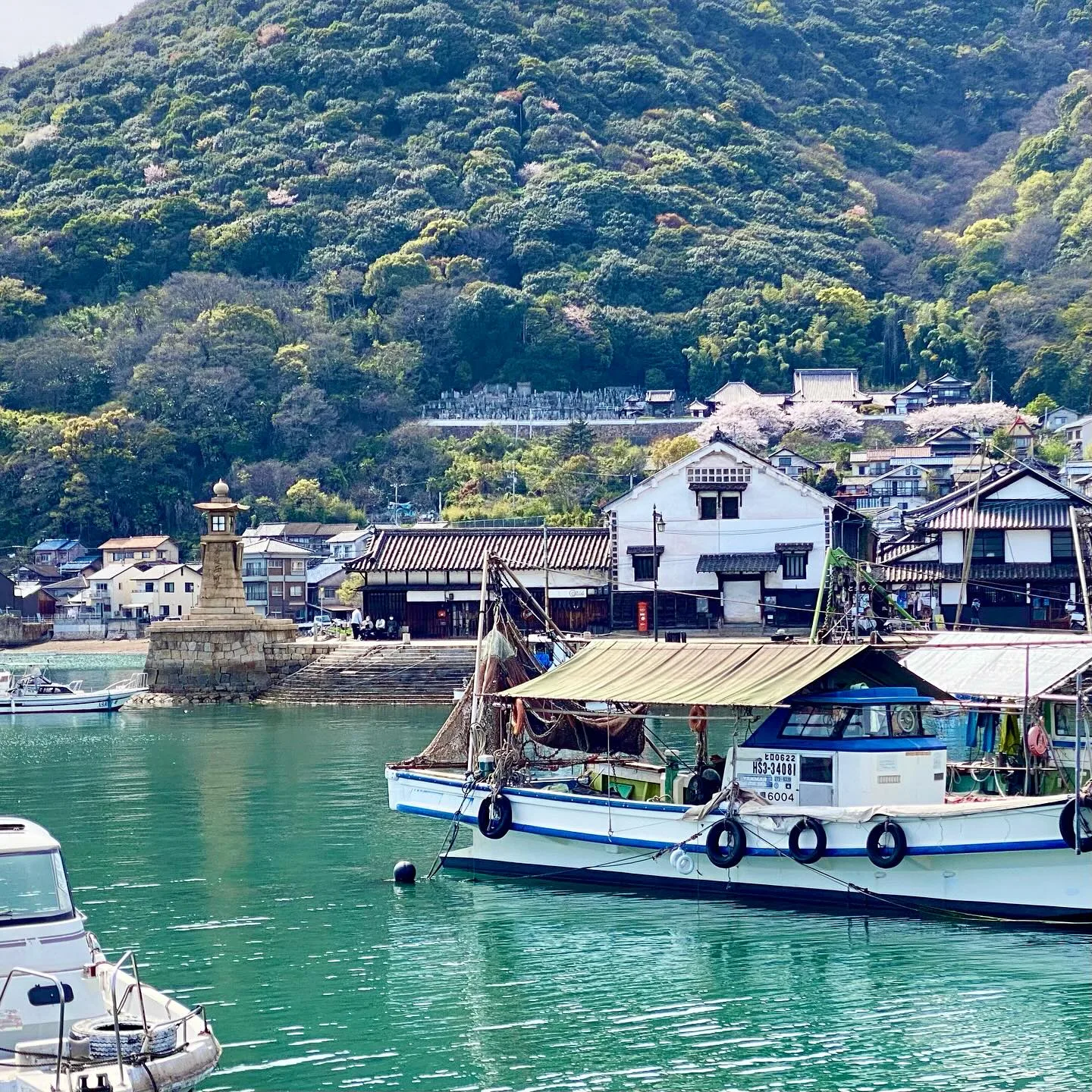
Perched along the Seto Inland Sea, Tomonoura is a picturesque fishing town that inspired Studio Ghibli’s Ponyo.
Its preserved Edo-period streets, stone lanterns, and scenic harbor views create a timeless atmosphere.
Tomonoura is also known for its medicinal herbal liquor, homeishu, enjoyed for centuries. The town’s blend of seaside beauty, history, and folklore makes it an enchanting stop.
Whether you’re a Ghibli fan or simply love charming port towns, Tomonoura is a gem to explore.
18. Teshima: The Art Lover’s Island
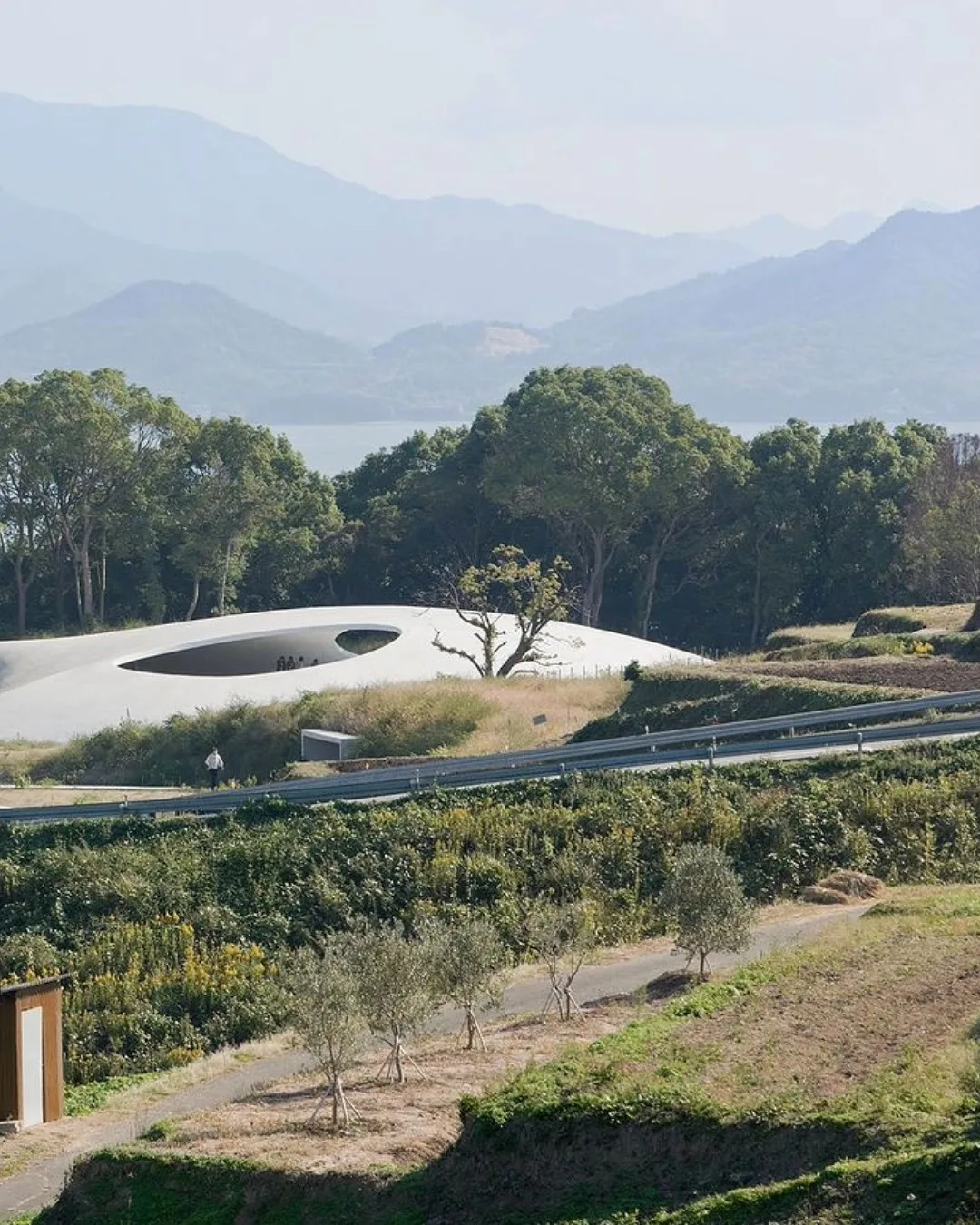
Neighboring Naoshima, Teshima is another art-filled island in the Seto Inland Sea. Its highlight is the Teshima Art Museum, a surreal space blending architecture with nature.
Scattered across the island are installations that make the entire landscape feel like a canvas. But Teshima also offers stunning rice terraces, peaceful cycling routes, and small fishing villages.
It’s the perfect mix of creativity and serenity, making it a must for travelers who want a slower, more artistic escape.
19. Kawagoe: The Little Edo Town
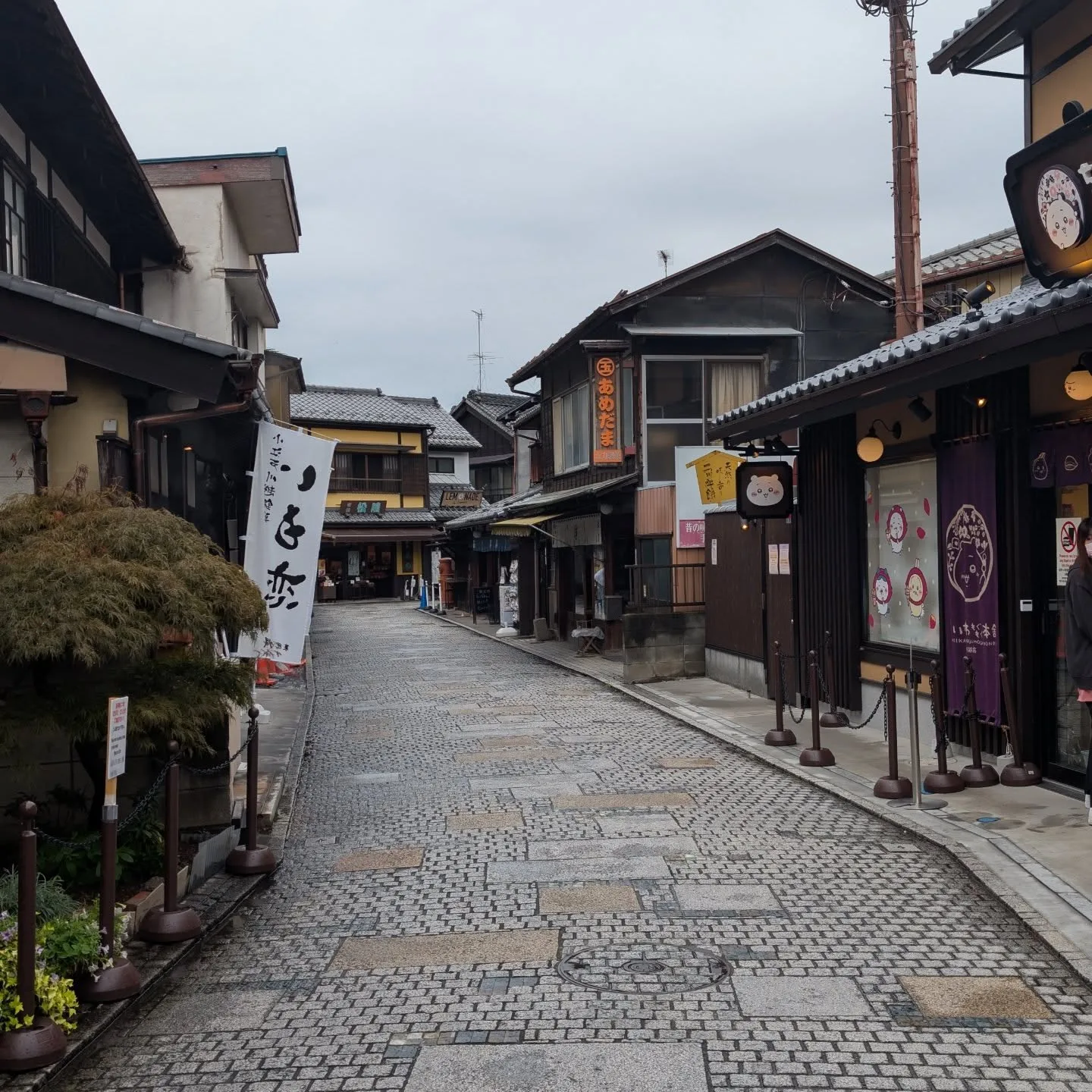
Nicknamed “Little Edo,” Kawagoe in Saitama Prefecture preserves the look and feel of Japan’s Edo period.
Its Kurazukuri Street is lined with traditional clay-walled warehouses, while the Time Bell Tower chimes over the town.
Kawagoe is also known for its sweet potato treats, a local specialty. Located just 30 minutes from Tokyo, it’s an easy day trip that transports you back centuries.
Kawagoe gives you the historical charm of Kyoto—without the long journey or heavy crowds.
20. Kurokawa Onsen: The Hot Spring Haven
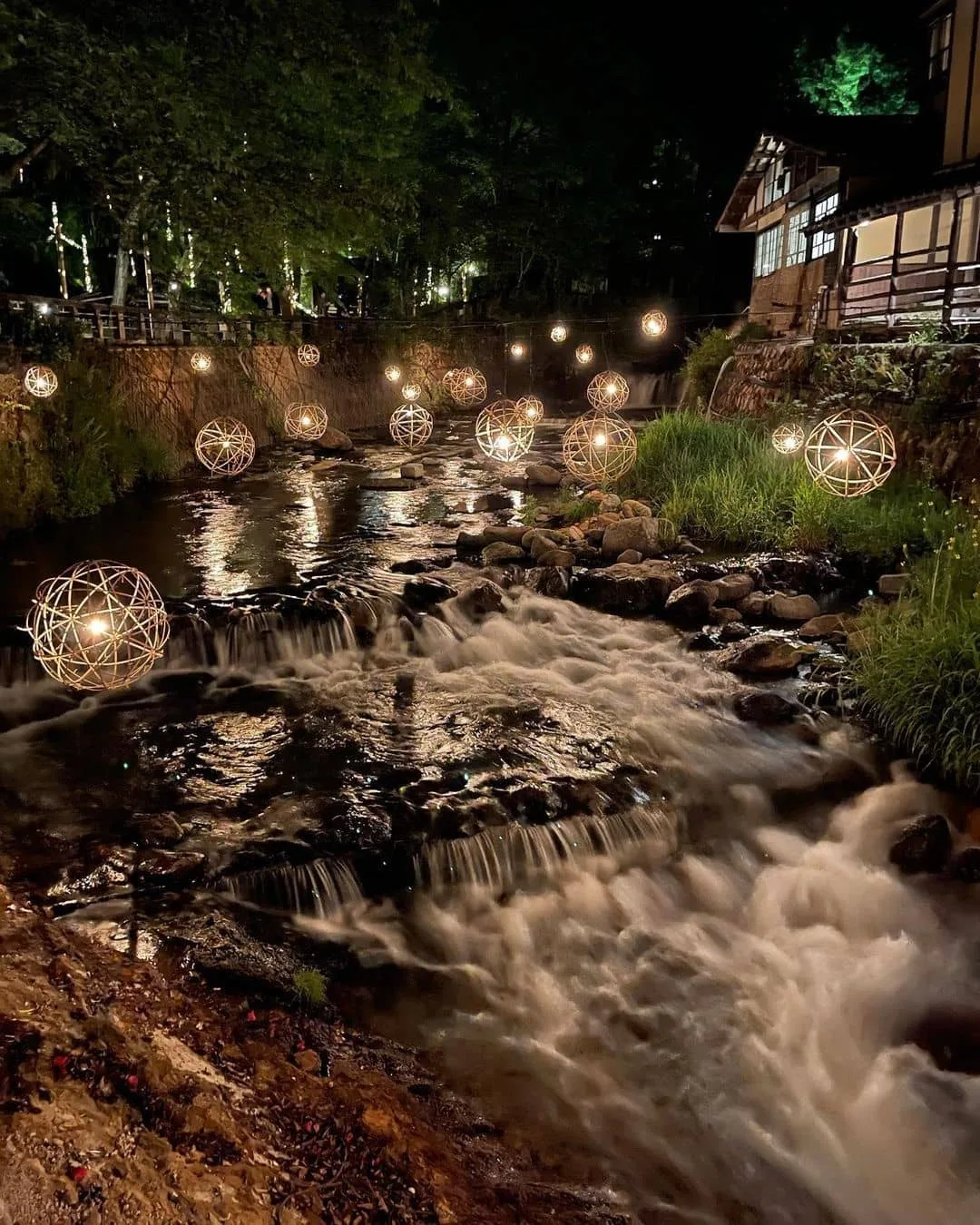
For a rustic onsen experience, Kurokawa Onsen in Kumamoto Prefecture is a dream come true.
This atmospheric hot spring town is tucked into the mountains, where ryokan inns line narrow streets.
What makes it unique is the onsen-hopping pass, allowing you to dip into multiple baths across different inns.
From riverside baths to hidden caves, each hot spring has its own charm. With its cozy lantern-lit streets and healing waters, Kurokawa is the ultimate relaxation retreat.
Quick Travel Tips for Exploring Hidden Gems in Japan
Exploring Japan’s hidden spots can feel like stepping into a different world, but it does take a little planning. These quick travel tips will help you move around smoothly, connect with locals, and make the most of your off-the-beaten-path adventures.
- Learn a few Japanese phrases: Locals in smaller towns appreciate even simple greetings.
- Cash is king: Many rural spots still don’t accept cards.
- Trains vs. buses: Some hidden gems are best reached by local buses, so plan ahead.
- Stay overnight: Don’t just day-trip—spend a night in a ryokan for the full experience.
Remember, patience is key. The best discoveries often take a little effort.
Final Thoughts on Discovering Japan’s Secrets
So, there you have it—my favorite Hidden Gems in Japan that go way beyond the usual tourist circuit. From bunny-filled islands to mystical forests, each spot has its own charm and story. Exploring them gave me a side of Japan I never thought I’d experience, and honestly, it made me fall in love with the country all over again.
If you’ve only been to Tokyo and Kyoto, maybe it’s time to widen your map. Who knows? Your favorite memory in Japan might not be at a world-famous shrine, but at a small-town noodle shop, a quiet mountain trail, or a seaside art island.
Next time you’re planning a trip, don’t just follow the crowd—chase the hidden gems.