Glazed Buttermilk Beignets Recipe
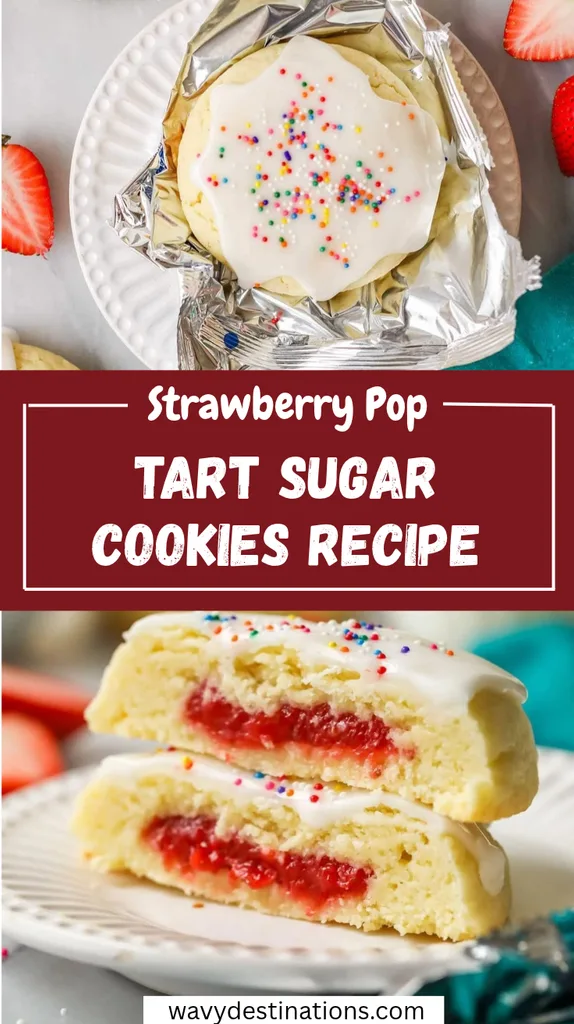
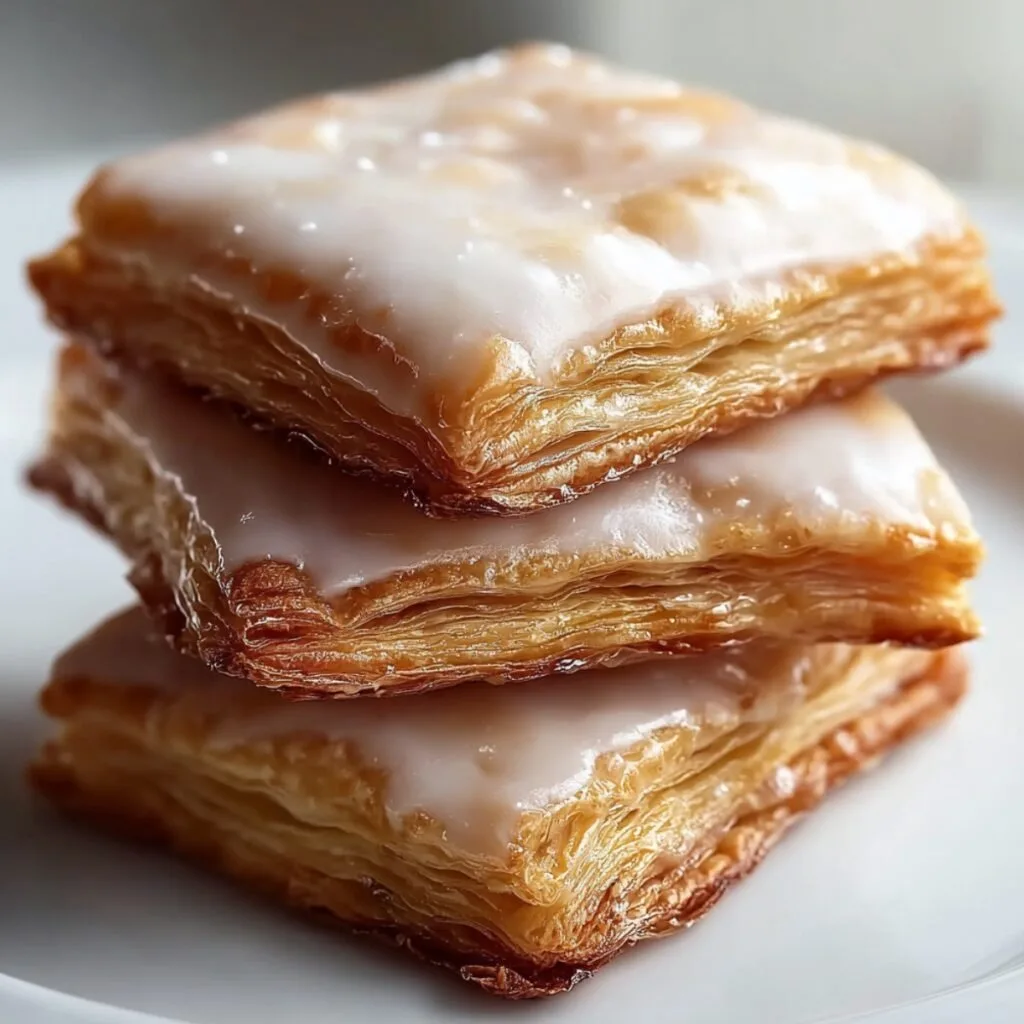
I made these decadent Glazed Buttermilk Beignets for a cozy weekend breakfast recently, and they were an absolute dream right out of the fryer. After making these myself, I can tell you that using warm buttermilk in the yeast dough creates an amazingly tender, airy interior, while laminating thin slices of cold butter into the layers gives you a flaky, croissant-like puff.
Dousing these pillowy squares in a smooth, vanilla-infused glaze while they are still warm forms a glossy, sweet coating that crackles delightfully with every single bite. I was so amazed by how effortlessly laminating the dough elevates standard beignets into a true French Quarter bakery experience.
Ingredients
Here is everything you will need to prepare these flaky, glazed buttermilk beignets, along with helpful pro tips on why each component works so well.
- 3 cups bread flour – plus extra for dusting; high-protein bread flour gives the dough the necessary structure to trap air and rise into light, puffy pockets.
- 1 cup warm buttermilk – heated gently to activate the yeast while bringing a signature tangy tenderizing quality to the pastry dough.
- 2 ¼ teaspoons active dry yeast – ensures a strong rise and fluffy crumb; make sure it is fresh for maximum puffiness.
- ½ cup cold unsalted butter – sliced thinly for laminating; creating layered butter folds gives the fried dough distinct, flaky layers.
- 2 tablespoons granulated sugar – feeds the yeast and adds subtle sweetness to the savory buttermilk base.
- 1 teaspoon table salt – balances the rich butter and sweet glaze while sharpening the overall flour flavors.
- 4 cups vegetable oil – a clean, high-smoke-point oil for frying the beignets up golden and crisp.
- 2 cups powdered sugar – sifted for the glaze to ensure a silky, lump-free finish over the warm pastries.
- 3 tablespoons whole milk – thins the powdered sugar into a pourable, dip-friendly glaze consistency.
- 1 teaspoon vanilla extract – infuses the glossy glaze with a warm, comforting bakery-style aroma.
Note: Serves 6 as a sweet breakfast or dessert treat (yields approximately 12 to 15 golden beignets).
Variations
If you want to tailor this recipe to suit different dietary needs or flavor twists, give these simple ingredient swaps a try.
- Classic Powdered Sugar Style: Skip the liquid milk-vanilla glaze entirely and dust the hot, fresh-fried beignets heavily with a mountain of plain powdered sugar.
- Spiced Glaze Twist: Add ½ teaspoon of ground cinnamon or a pinch of nutmeg to the powdered sugar glaze for a warm, spiced fall flavor profile.
- Chocolate Drizzle Option: Whisk 2 tablespoons of cocoa powder into the glaze ingredients for a rich chocolate-glazed beignet experience.
Cooking Time
Planning your pastry preparation and frying schedule is completely simple with this detailed time breakdown.
- Prep Time: 30 minutes
- Cooking Time: 15 minutes
- Total Time: 2 hours 15 minutes (includes 1 hour dough chilling and 30 minutes proofing time)
Equipment You Need
Having these essential kitchen tools ready before you begin will make shaping, laminating, and frying your beignets smooth and completely mess-free.
- Deep heavy pot – holds and maintains the 4 cups of vegetable oil at a steady, even temperature.
- Rolling pin – rolls the yeast dough out cleanly for laminating thin butter slices and shaping the final squares.
- Candy thermometer – crucial for monitoring the oil so it stays precisely at 350°F (175°C) without burning or soaking the dough.
- Sharp chef knife – cuts clean, sharp pastry edges without pinching the laminated dough layers together.
- Wire cooling rack – set over a baking sheet to drain excess oil and set the glossy glaze evenly.
How to Make Glazed Buttermilk Beignets?
Creating authentic, flaky beignets relies on properly laminating cold butter into the dough and maintaining a steady 350°F oil temperature. By dipping the pastries into the glaze while they are still warm, you ensure the sweet glaze sets into a smooth, crackly coating.
Activating the Yeast and Kneading the Dough
In a small bowl, whisk the warm buttermilk, 2 ¼ teaspoons active dry yeast, and 2 tablespoons granulated sugar together until the mixture becomes foamy and fragrant (about 5 minutes). In a large mixing bowl, combine the 3 cups bread flour and 1 teaspoon salt. Pour in the foamy yeast mixture and knead with your hands or a mixer into a smooth, cohesive dough.
Laminating the Dough Layers
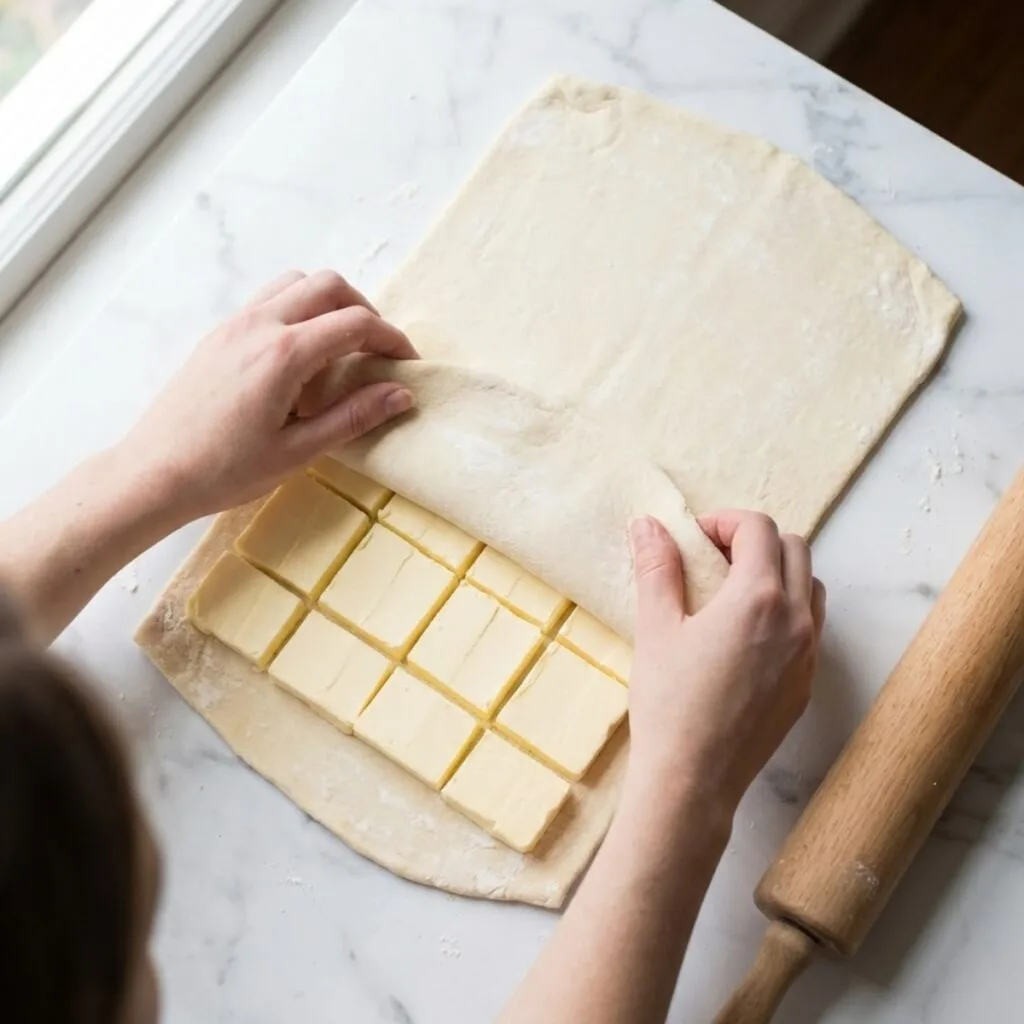
Roll the kneaded dough out on a lightly floured surface into a long rectangle. Arrange the thin slices of ½ cup cold unsalted butter evenly over one half of the dough, then fold the other half over to seal the butter inside. Roll the folded dough out again into a rectangle, fold it into thirds like a letter, wrap securely in plastic wrap, and chill in the refrigerator for 1 hour.
Cutting and Proofing the Squares
On a floured surface, roll the chilled laminated dough out to a ½-inch thickness. Using a sharp chef knife, cut the dough into even, sharp-edged squares. Transfer the cut squares onto a parchment paper-lined baking sheet, cover loosely with a towel, and let them rise for 30 minutes until noticeably puffy.
Frying, Glazing, and Draining
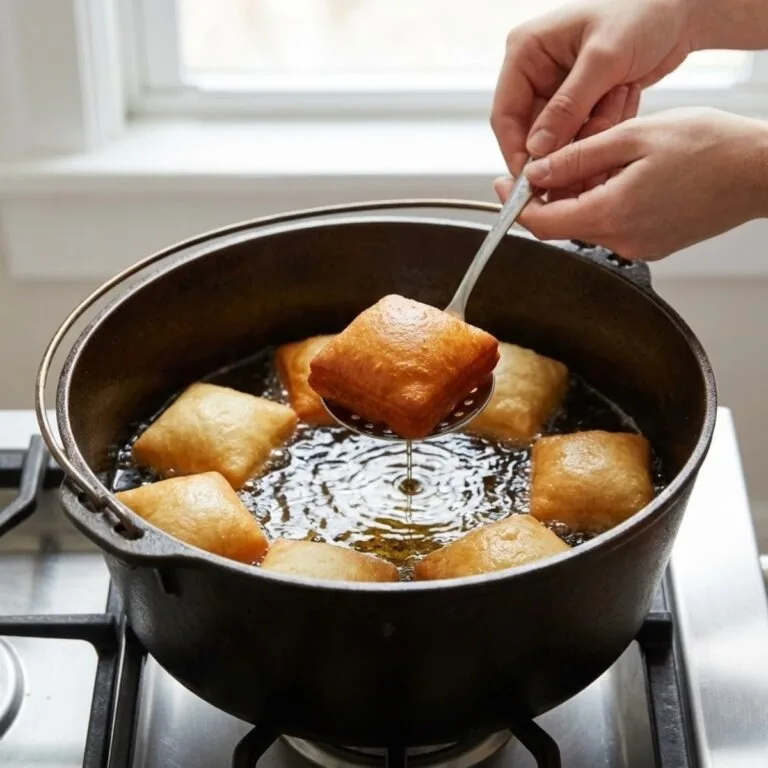
Heat the 4 cups of vegetable oil in a deep heavy pot until a candy thermometer registers 350°F (175°C). Fry the puffy dough squares in small batches for 1 to 2 minutes per side until golden brown on both sides. Meanwhile, whisk the 2 cups powdered sugar, 3 tablespoons whole milk, and 1 teaspoon vanilla extract in a shallow bowl until smooth. Dip the warm fried pastries directly into the glaze to coat, then transfer to a wire cooling rack to let excess glaze drip off before serving.
Additional Tips for Making this Recipe Better
Here are a few personal observations and tricks I learned while making these beignets that will help you achieve absolute perfection in your own kitchen.
- I always make sure the buttermilk is just warm to the touch (around 105°F–110°F) because milk that is too hot will kill the yeast.
- In my experience, using a sharp chef knife to press straight down rather than sawing the dough preserves the open edges so the dough puffs evenly in the fryer.
- I love dipping the beignets while they are still hot because the heat thins the glaze slightly, allowing it to coat every crevice smoothly.
- Whenever I make these, I make sure not to overcrowd the frying pot so the oil temperature remains steadily at 350°F.
How to Serve Glazed Buttermilk Beignets?
Present these shiny, golden glazed beignets stacked high on a warm serving platter or wire-lined display board to highlight their crackly, glossy tops. Serve these warm, glazed beignets stacked high on a warm platter immediately after dipping. Pair alongside a hot cup of café au lait, dark roast coffee, or fresh chicory tea for an authentic New Orleans breakfast experience.
Nutritional Information
Here is a quick overview of the key estimated nutritional metrics per serving (2 glazed beignets) for this recipe.
- Calories: 340 kcal
- Protein: 6 g
- Carbohydrates: 52 g
- Fat: 13 g
Make Ahead and Storage
Managing your pastry prep schedule or storing leftover glazed beignets is simple when following these easy guidelines.
Room Temperature Storage
Keep glazed beignets at room temperature in a loosely covered container for up to 24 hours. The glaze will stay set, though fresh-fried beignets are always best enjoyed on day one.
Refrigerator Guidelines
Store leftover beignets in an airtight container inside the refrigerator for up to 3 days. Reheat before eating to soften the interior.
Freezing Process
Freeze un-glazed, fried beignets in a single layer on a baking sheet until solid, then transfer to a freezer-safe bag for up to 1 month. Thaw and warm in an oven, then apply fresh glaze.
Reheating Instructions
Reheat stored beignets in a 350°F (175°C) oven or toaster oven for 3 to 5 minutes until warm and soft. Avoid microwaving if possible, as it can make the fried pastry tough.
Why You’ll Love This Recipe?
You are going to fall in love with how effortlessly this recipe transforms basic kitchen staples into a world-class bakery pastry.
- Flaky Laminated Texture: Layering cold butter into the buttermilk dough yields airy, croissant-style puffed centers.
- Glossy Vanilla Glaze: A sweet, crackly glaze coats the hot pastries for an incredible melt-in-your-mouth finish.
- Authentic Bakery Quality: Delivers restaurant-style New Orleans beignets straight from your own home kitchen.
- Fun & Rewarding Baking Project: Shaping, folding, and frying these dough squares makes for an engaging weekend baking routine.