Pancit Bihon Recipe
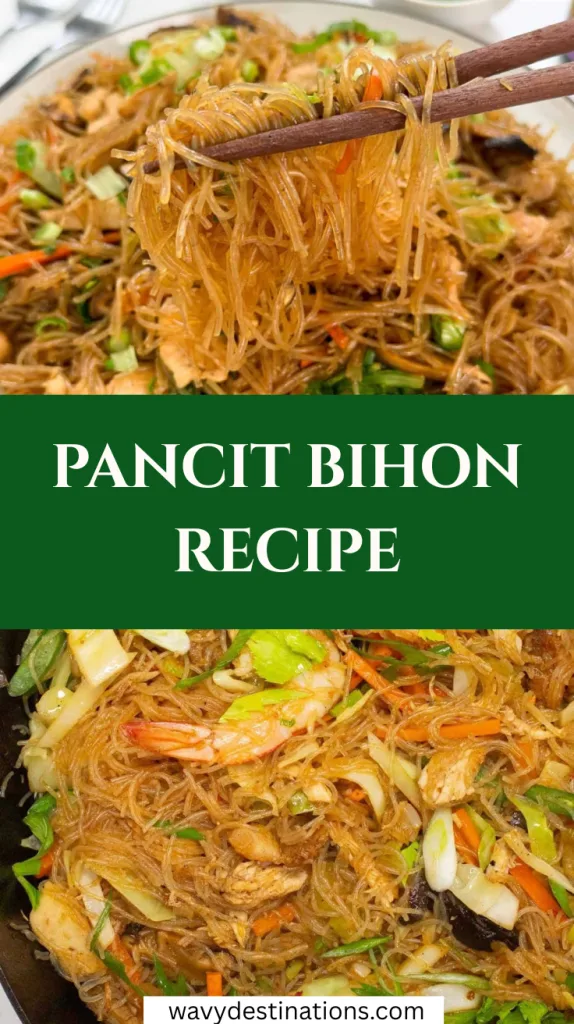
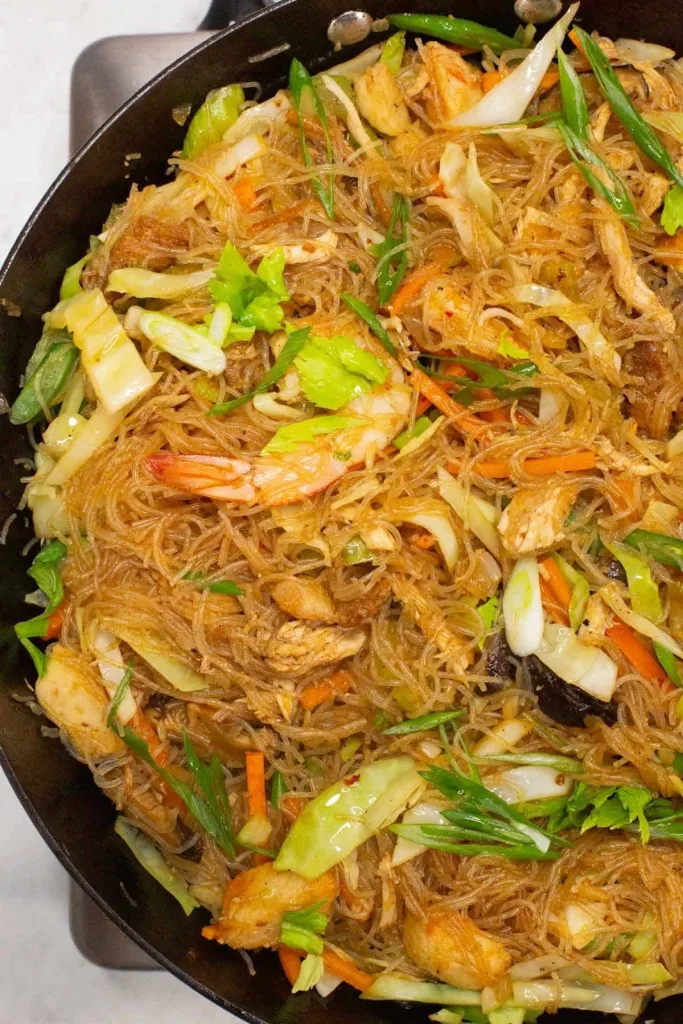
I just finished cooking up a huge wok of this Pancit Bihon Recipe, and the aroma has filled my entire house with that classic, comforting Filipino scent. The combination of savory soy sauce, tender meat, and crisp vegetables all tangled up with the delicate rice noodles is just perfect.
I love how quickly it all comes together once the prep is done. Taking that first bite, with a little squeeze of calamansi, instantly reminds me of family gatherings and celebrations. This is one of those dishes I could truly eat any day of the week.
Ingredients
Here are the ingredients you will need to create this beloved Filipino noodle dish.
- 1 lb pancit bihon (rice noodles): These are thin, dry rice sticks that form the base of the dish. Make sure to soak them briefly before cooking so they soften properly.
- 1/2 lb pork, cut into small thin slices: Pork belly or shoulder works well, providing a rich, savory flavor. Slicing it thinly ensures it cooks quickly.
- 1/2 lb chicken, cooked and sliced: Using pre-cooked chicken, like from a rotisserie chicken, is a great time-saver. It adds another layer of meaty flavor.
- 1/8 lb snow peas: These add a lovely, crisp texture and fresh green color. Don’t overcook them, so they retain their snap.
- 1 cup carrots, julienned: Carrots provide a subtle sweetness and a vibrant orange hue that makes the dish visually appealing.
- 1/2 small cabbage, chopped: Cabbage adds bulk and a tender-crisp texture. It soaks up the sauce beautifully.
- 1 cup celery leaves, chopped finely: Often overlooked, celery leaves add a unique, slightly peppery and herbaceous note that brightens the dish.
- 1 onion, chopped: A fundamental aromatic that builds the flavor base of the sauce.
- 1/2 tbsp garlic, minced: Freshly minced garlic provides a pungent, savory aroma and taste that is essential to any good stir-fry.
- 2 teaspoons chicken powder: This enhances the umami and savory notes of the broth.
- 5 tbsp soy sauce: Use a good quality Filipino or all-purpose soy sauce for the best salty and savory flavor.
- 3 to 4 cups water: This creates the broth that the noodles will absorb, making them flavorful and moist.
- 3 tbsp cooking oil: A neutral oil like canola or vegetable oil is perfect for sautéing.
Note: The listed ingredients will yield approximately 8 servings.
Variations
This Pancit Bihon recipe is wonderfully versatile. Here are a few ways you can customize it.
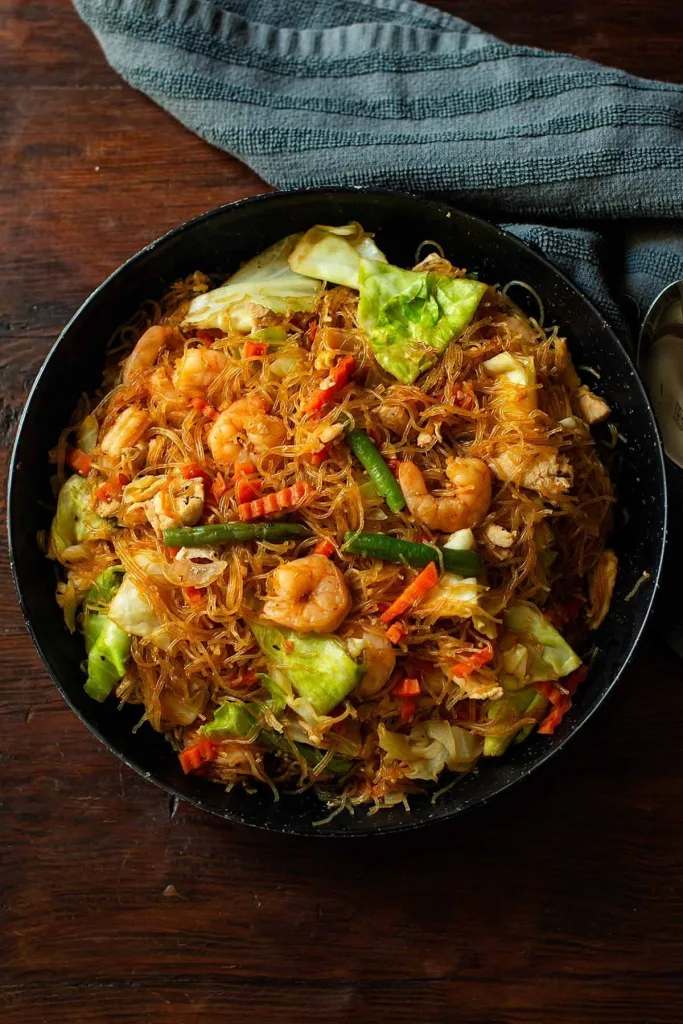
- Seafood Delight: Swap the pork and chicken for shrimp and squid. Add the shrimp in the last few minutes of cooking so they don’t get tough.
- Vegetarian Version: Omit the meat and chicken powder. Use vegetable broth instead of water and add fried tofu cubes for protein. You can also bulk it up with more vegetables like bell peppers and mushrooms.
- Add Chinese Sausage: For an extra layer of sweet and savory flavor, add thinly sliced Chinese sausage (chorizo de Macao) when you sauté the pork and chicken.
- A Different Noodle: While this is a bihon recipe, you can make a similar dish using flour stick noodles (pancit canton) or a mix of both bihon and canton for a “pancit mixed” experience.
Cooking Time
- Prep Time: 20 minutes
- Cooking Time: 25 minutes
- Total Time: 45 minutes
Equipment You Need
- Large Wok or Skillet: A wok is ideal as its high, sloped sides make it easy to toss all the ingredients without spilling.
- Large Bowl: You’ll need this for soaking the bihon noodles before you cook them.
- Knife and Cutting Board: Essential for chopping all the vegetables and slicing the meat.
- Spatula or Tongs: For sautéing and mixing the ingredients together effectively.
How to Make Pancit Bihon
Pancit Bihon is a classic Filipino noodle stir-fry that is surprisingly simple to make at home. The process involves sautéing aromatics and proteins, creating a flavorful broth, and then allowing the noodles to absorb all that goodness. The key is to have all your ingredients prepped and ready to go before you start cooking, as the stir-frying process moves quickly.
Step 1: Sauté Aromatics and Meats
First, heat the cooking oil in a large wok or skillet over medium-high heat. Once the oil is hot, add the minced garlic and chopped onion. Sauté them until they become fragrant and the onion turns translucent. Next, add the sliced pork and cook until it’s lightly browned. Follow with the cooked chicken slices and stir everything together for about two minutes.
Step 2: Create the Broth and Cook Vegetables
Now it’s time to build the flavor base. Sprinkle the chicken powder into the wok and pour in the water. Bring the mixture to a simmer and let it cook for about 15 minutes to allow the flavors from the meat to infuse into the liquid. Add the carrots, snow peas, cabbage, and celery leaves to the simmering broth. Cook for just a few minutes until the vegetables are tender-crisp. You don’t want them to get soggy. Remove all the vegetables and meat from the wok, setting them aside and leaving only the flavorful liquid behind.
Step 3: Cook the Noodles
Add the soy sauce to the liquid remaining in the wok and mix it well. Take your pancit bihon, which should have been soaking in water for about 10 minutes, drain it, and add it to the wok. Stir and toss the noodles continuously, allowing them to absorb the seasoned broth. Continue cooking until all the liquid has evaporated completely and the noodles are tender and infused with flavor.
Step 4: Combine and Serve
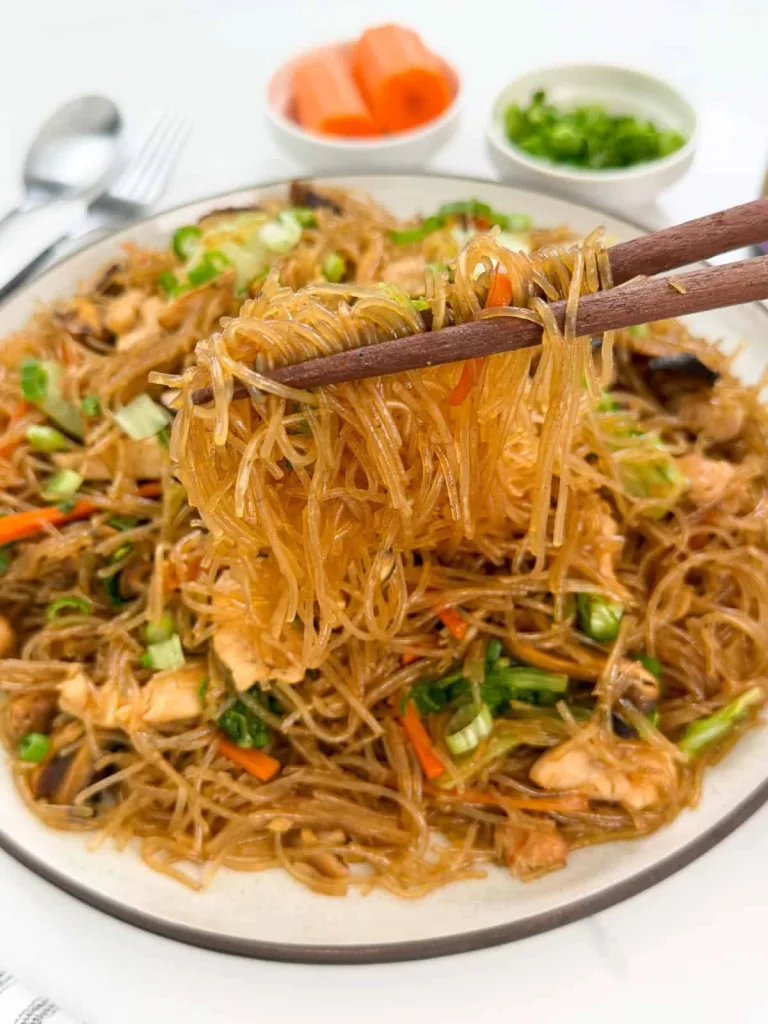
Return the cooked vegetables and meat that you set aside earlier back into the wok with the noodles. Gently toss everything together and let it simmer for another minute or two, just to heat everything through and allow the flavors to meld. Your Pancit Bihon is now ready. Serve it hot and enjoy this delicious Filipino classic.
Additional Tips for Making this Recipe Better
After making this dish countless times, I’ve learned a few things that really help perfect the outcome.
- I always soak the bihon noodles in room temperature water, not hot water. Hot water can make them too soft and cause them to break apart easily when you stir-fry them. A 10-minute soak is just right.
- Don’t be afraid to adjust the liquid. Sometimes, different brands of noodles absorb more or less liquid. If my noodles seem dry, I add a splash more water or broth until they reach the right consistency.
- For the best flavor, I always have all my ingredients chopped and ready to go before I even turn on the stove. Stir-frying is a fast process, and you don’t want to be scrambling to chop vegetables while your garlic is burning.
- I like to remove the vegetables when they are just tender-crisp. This prevents them from overcooking and becoming mushy while the noodles finish cooking. Adding them back at the end keeps them perfect.
How to Serve Pancit Bihon?
Pancit Bihon is traditionally served warm and is a staple at any Filipino celebration, especially birthdays, as the long noodles symbolize a long life. To serve, pile the noodles high on a platter. A classic and essential garnish is wedges of calamansi (or lime, if calamansi is unavailable) on the side. Squeezing the juice over the noodles just before eating adds a bright, citrusy tang that cuts through the savory flavors. It’s also common to serve it with a side of pandesal (Filipino bread rolls) or alongside other party favorites like lumpiang shanghai.
Nutritional Information
Here is an approximate nutritional breakdown for a single serving of this Pancit Bihon recipe.
- Calories: 240
- Protein: 13g
- Carbohydrates: 23g
- Fat: 11g
Make Ahead and Storage
Pancit is a great dish to prepare ahead of time, making it convenient for parties or weekly meal prep.
You can chop all the vegetables and slice the meat a day in advance and store them in separate airtight containers in the refrigerator. This cuts down the active cooking time significantly when you’re ready to make the dish.
Store any leftover pancit in an airtight container in the refrigerator for up to 3 days. To reheat, you can microwave it in 30-second intervals until heated through, adding a splash of water to prevent it from drying out. You can also reheat it in a skillet over medium heat with a little oil or water. Freezing is not highly recommended as the rice noodles can become mushy upon thawing.
Why You’ll Love This Recipe?
There are many reasons why this Pancit Bihon recipe will become a favorite in your household.
- Quick and Easy: Once you have your ingredients prepped, this dish comes together in under 30 minutes, making it a perfect option for a busy weeknight dinner or a last-minute potluck contribution.
- Crowd-Pleasing Flavor: The combination of savory soy sauce, tender meat, and fresh vegetables is a classic flavor profile that is loved by both kids and adults. It’s a true comfort food.
- Highly Customizable: You can easily swap out the proteins or add any vegetables you have on hand. This recipe is a great way to clean out your refrigerator and reduce food waste.
- Perfect for Any Occasion: Whether it’s a simple family meal or a large celebration, Pancit Bihon is always a welcome sight on the dining table. It’s a festive dish that carries a wonderful tradition.