
French Omelette Recipe
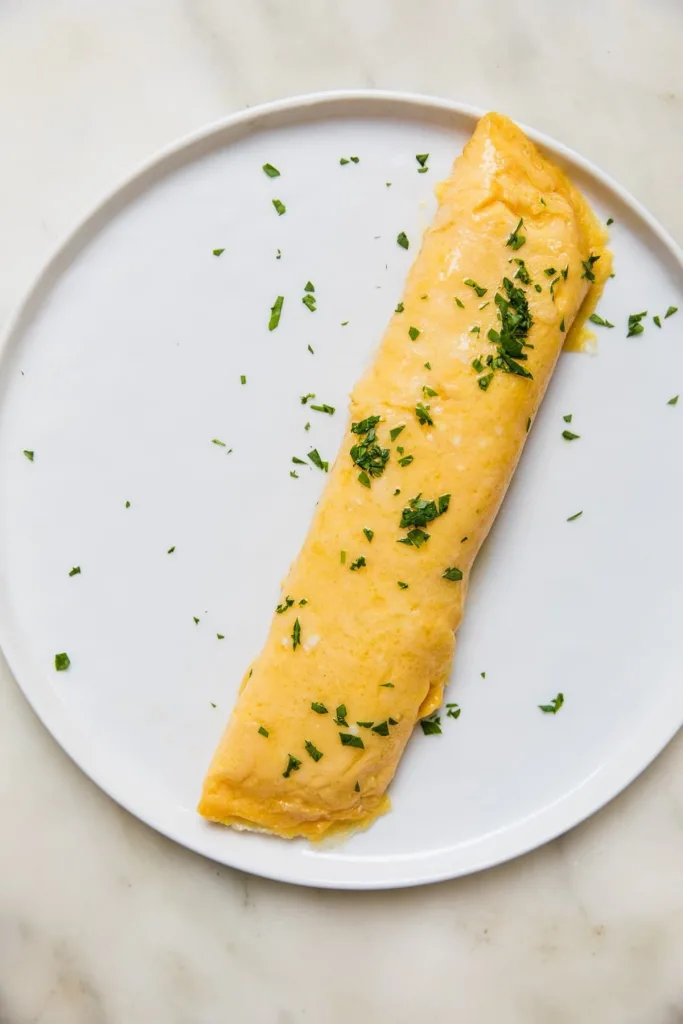
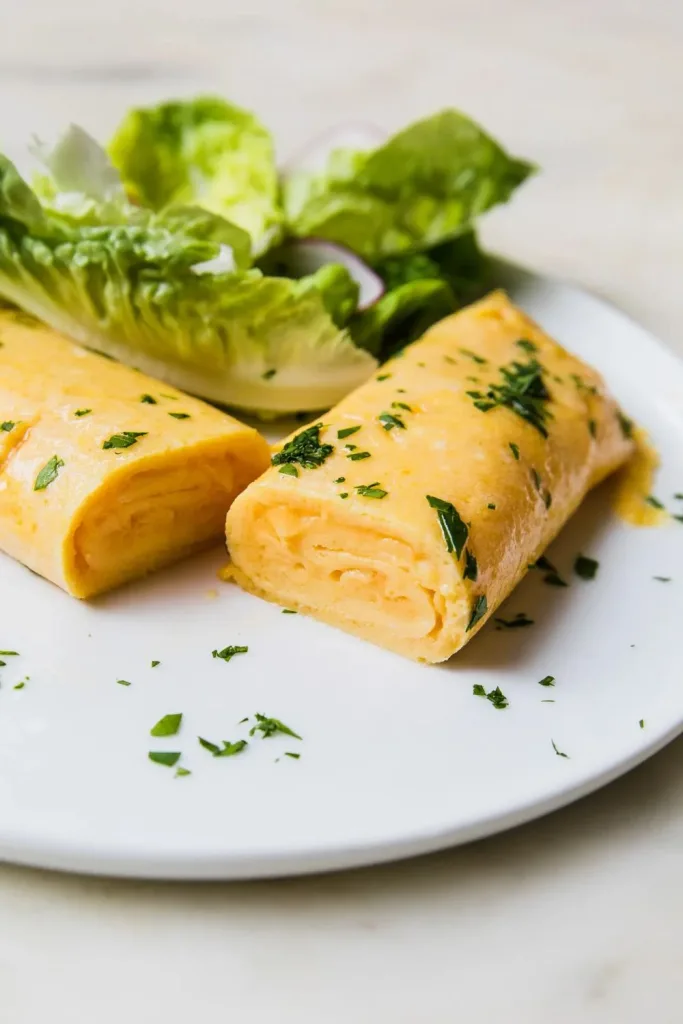
I remember the first time I nailed this recipe; sliding that pale gold, cigar-shaped omelette onto the plate felt like a major culinary victory. The exterior was smooth as silk, and cutting into it revealed soft, creamy curds that were rich and comforting.
It’s amazing how just three eggs and a bit of butter can transform into something so elegant with a little technique. Now that I’ve mastered the method, this has become my go-to quick dinner when I want something that feels fancy but takes minutes to make.

Ingredients
Here are the simple ingredients you’ll need to make a classic French omelette at home.
- 3 large eggs: Fresh eggs are key here as they are the star of the show; older eggs might have runnier whites which can affect the structure.
- 1 tablespoon unsalted butter: This adds the essential rich flavor and prevents sticking; using unsalted allows you to control the seasoning perfectly.
- Kosher salt: Enhances the natural flavor of the eggs; adding it before cooking helps retain moisture rather than making them tough.
- Freshly ground white pepper: Traditional French recipes use white pepper to avoid black specks in the pale yellow egg, but black pepper tastes just as good if you don’t mind the look.
Note: The ingredients listed above will yield 1 generous serving.
Variations
Once you have the technique down, you can easily customize your omelette with these variations.
- Fines Herbes: Whisk in a tablespoon of minced fresh herbs like chives, tarragon, parsley, and chervil for a classic, aromatic twist.
- Cheesy Center: Sprinkle grated Gruyère, Comté, or cheddar cheese over the eggs just before you start folding for a melty, savory surprise.
- Mushroom & Thyme: Sauté mushrooms with fresh thyme separately and spoon them into the center of the omelette before folding or serve them on top.
- Dairy-Free: Swap the butter for a high-quality olive oil or a plant-based butter alternative, though the flavor profile will shift slightly.
Cooking Time
- Prep Time: 5 minutes
- Cooking Time: 5 minutes
- Total Time: 10 minutes
Equipment You Need
- 8-inch Nonstick Skillet: A pristine nonstick surface is non-negotiable for this recipe to ensure the eggs release without tearing.
- Plastic or Wooden Fork: Used to vigorously stir the eggs without scratching or damaging the delicate coating of your nonstick pan.
- Mixing Bowl: Essential for beating the eggs until they are completely uniform and no streaks of white remain.
How to Make French Omelette Recipe?
Making a French omelette is less about a recipe and more about technique. The goal is a smooth, unbrowned exterior with a creamy, soft-scrambled interior. It moves fast, so have everything ready before you turn on the heat.
Step 1: Beat the Eggs
Crack your eggs into a mixing bowl and season them with a pinch of kosher salt and pepper. Using your fork, beat the eggs thoroughly until the whites and yolks are completely combined and no visible streaks of white remain. You want a uniform yellow mixture, but try not to whip in too much air; we aren’t looking for a fluffy soufflé texture, but rather a creamy curd.
Step 2: Cook the Eggs
Place your nonstick skillet over moderate heat and add the butter. Swirl it around until it’s fully melted and foamy, but be careful not to let it brown. Pour in the beaten eggs and immediately start stirring rapidly with your fork, moving the fork in circles around the pan while simultaneously shaking the pan back and forth. You are essentially making small, soft curds (like scrambled eggs) while the mixture is still fluid.
Step 3: Form the Omelette
Stop stirring when the eggs look soft and creamy but are still slightly runny on top—they should look a bit like wet scrambled eggs that have fused into a single layer. Use the fork to smooth the top and scrape down any wispy edges. Remove the pan from the heat. Tilt the handle up and use your fork to gently roll the top edge of the omelette down toward the center. Push the omelette toward the bottom edge of the pan so it starts to climb up the curved lip.
Step 4: Plate and Serve
Use your fork to tuck the bottom lip of the egg up over the roll to close the omelette. Hold your serving plate directly under the skillet and tip the pan to roll the omelette out onto the plate, seam-side down. It should be almond-shaped or cigar-shaped. If it looks a little messy, don’t worry—use a clean kitchen towel to gently mold it into a perfect shape while it’s still warm.
Additional Tips for Making this Recipe Better
I’ve learned a few tricks over the years that make the process smoother and the results tastier.
- I always pull my eggs out of the fridge about 15 minutes before cooking. Room-temperature eggs cook more evenly than cold ones, which helps prevent the outside from overcooking while the inside stays too runny.
- Don’t be afraid to take the pan off the heat while you are stirring. If you feel the eggs are cooking too fast or getting away from you, just lift the skillet for a few seconds to control the temperature.
- I prefer using a disposable plastic fork or a dedicated silicone tool. Metal forks can ruin a nonstick pan in seconds, and once that coating is scratched, your omelette will stick and tear.
- If your omelette isn’t shiny enough for your liking, rub a little cold butter over the surface right after plating. It gives it that professional restaurant sheen and adds a final hit of buttery aroma.
How to Serve French Omelette Recipe?
Simplicity is best when serving this delicate dish. A simple green salad with a sharp vinaigrette cuts through the richness of the eggs perfectly. For breakfast, serve it with a slice of toasted baguette and some high-quality salted butter. If you want to dress it up for brunch, top it with some chopped fresh chives or even a dollop of crème fraîche and smoked salmon.

Nutritional Information
- Calories: 322
- Protein: 19g
- Carbohydrates: 1g
- Fat: 26g
Make Ahead and Storage
French omelettes are really meant to be eaten immediately, right out of the pan.
Because the beauty of this dish lies in the contrast between the set exterior and the creamy interior, it does not reheat well. Reheating will cause the residual heat to cook the eggs all the way through, resulting in a rubbery texture. However, you can beat the egg mixture in advance and store it in the fridge for up to a day. If you have a leftover cooked omelette, it can be stored in the fridge for 1 day, but it’s best eaten cold or gently warmed for a sandwich rather than as a standalone dish.
Why You’ll Love This Recipe?
There are plenty of reasons why this classic technique will become a staple in your kitchen.
- Incredibly Fast: From cracking the eggs to plating, the whole process takes less than 10 minutes, making it the ultimate fast food.
- Luxurious Texture: Unlike fluffy diner omelettes, this version is creamy, custardy, and melts in your mouth.
- Pantry Staples: You don’t need fancy ingredients—just eggs, butter, and salt are enough to create a gourmet meal.
- Endlessly Versatile: It’s a perfect blank canvas. Whether you keep it plain or fill it with herbs, cheese, or vegetables, it works for any meal of the day.
