What to Eat in Marrakech: 10 Iconic Eats of Morocco’s Red City
So, you’ve booked your trip (or at least you’re daydreaming about it) and now you’re asking: what to eat in Marrakech? Honestly, you’re in for a treat.
Marrakech is a feast for all the senses—the vibrant souks, the call to prayer echoing across the city, the colors of spices piled high in the medina. But the real magic? It’s on the plate.
I still remember my first evening in Jemaa el-Fnaa, the city’s buzzing main square. Stalls lit up the night, sizzling grills sent up smoky aromas, and vendors were calling out like old friends. My first bite of smoky lamb tagine with preserved lemon sealed the deal—I knew Marrakech had officially won me over.
In this guide, I’ll walk you through the dishes, drinks, and sweet bites that make Marrakech a food lover’s dream. Whether you’re a street food explorer or a fine-dining fan, you’ll find something unforgettable here.
1. Tagine
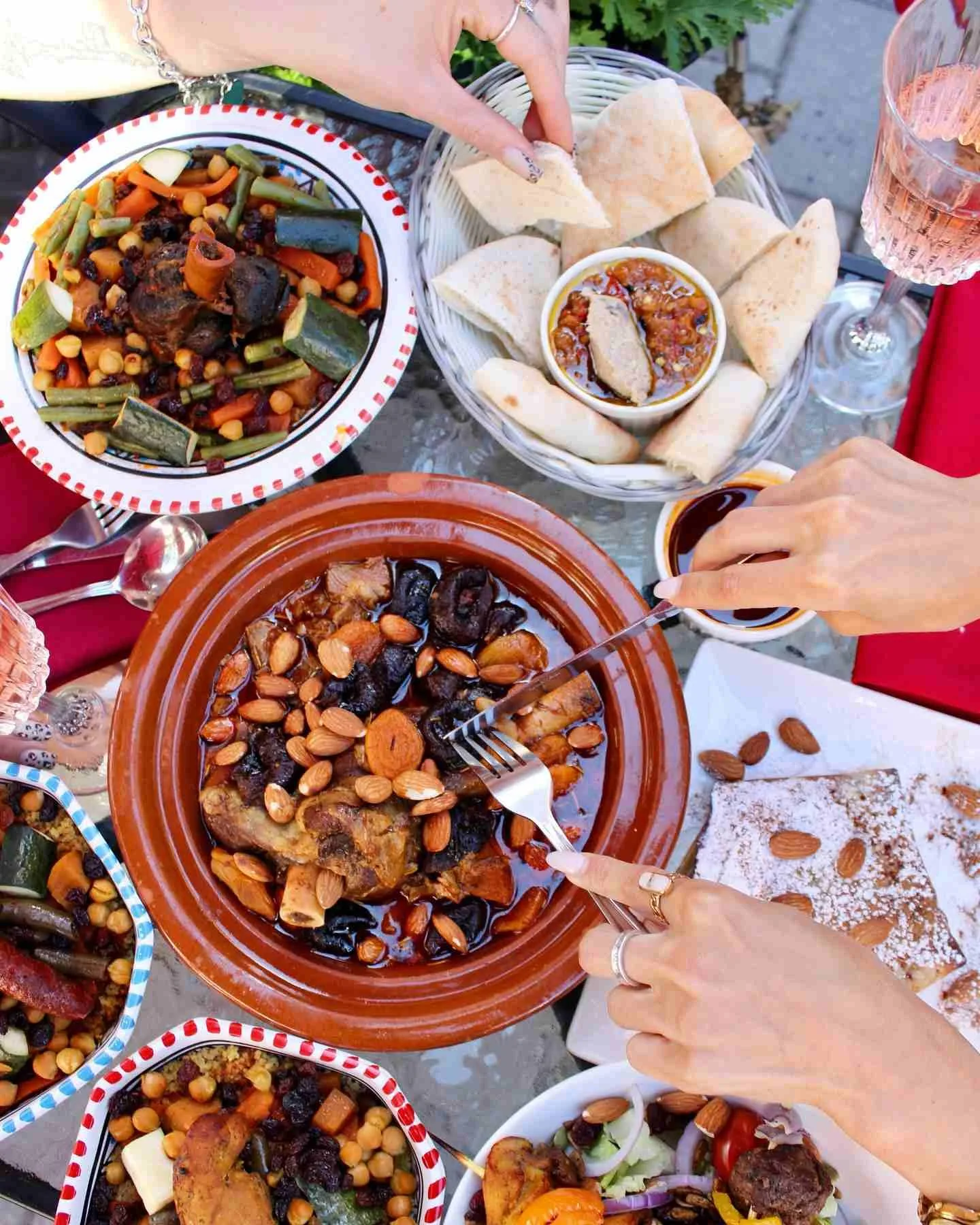
Tagine is perhaps Morocco’s most famous dish, named after the clay pot it’s cooked in. This slow-cooked stew blends tender meat—like lamb, chicken, or beef—with vegetables, dried fruits, and warming spices such as cinnamon, cumin, and saffron. The lid traps steam, allowing the flavors to meld into a rich, fragrant dish.
Tagines come in endless varieties, from chicken with preserved lemon and olives to lamb with prunes and almonds. In Marrakech, you’ll find tagine everywhere—from street cafés to elegant riads—each bite a taste of tradition.
2. Tanjia
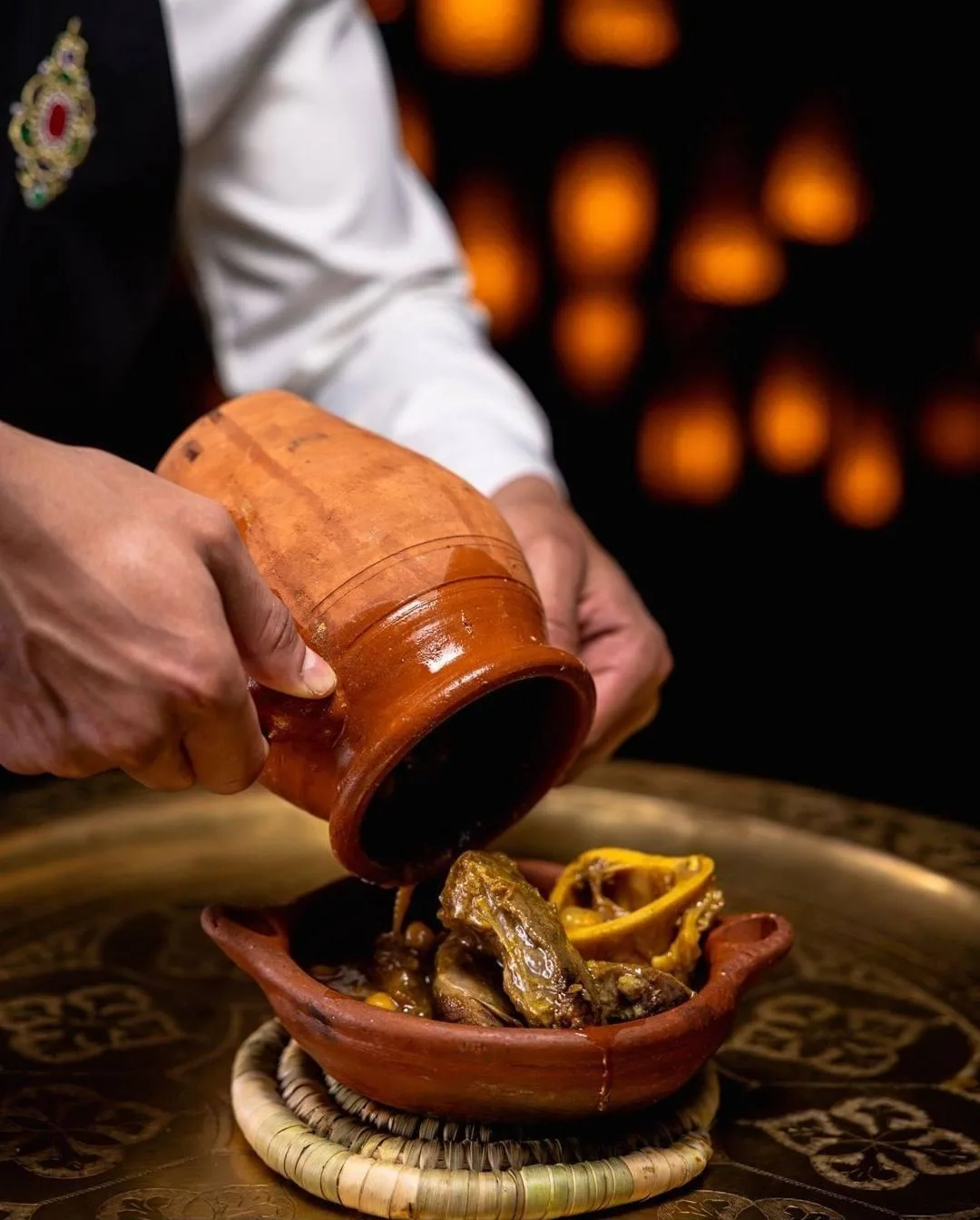
Unique to Marrakech, tanjia is a dish steeped in history and ritual. Unlike tagine, tanjia is prepared in a tall clay urn filled with chunks of beef or lamb, preserved lemon, garlic, and spices. The pot is sealed and traditionally slow-cooked in the embers of a hammam (public bathhouse).
The result is melt-in-your-mouth meat infused with smoky, tangy flavors. Tanjia isn’t just food—it’s an experience tied to Marrakech’s heritage. If you want to try something truly local, this dish is a must.
3. Couscous
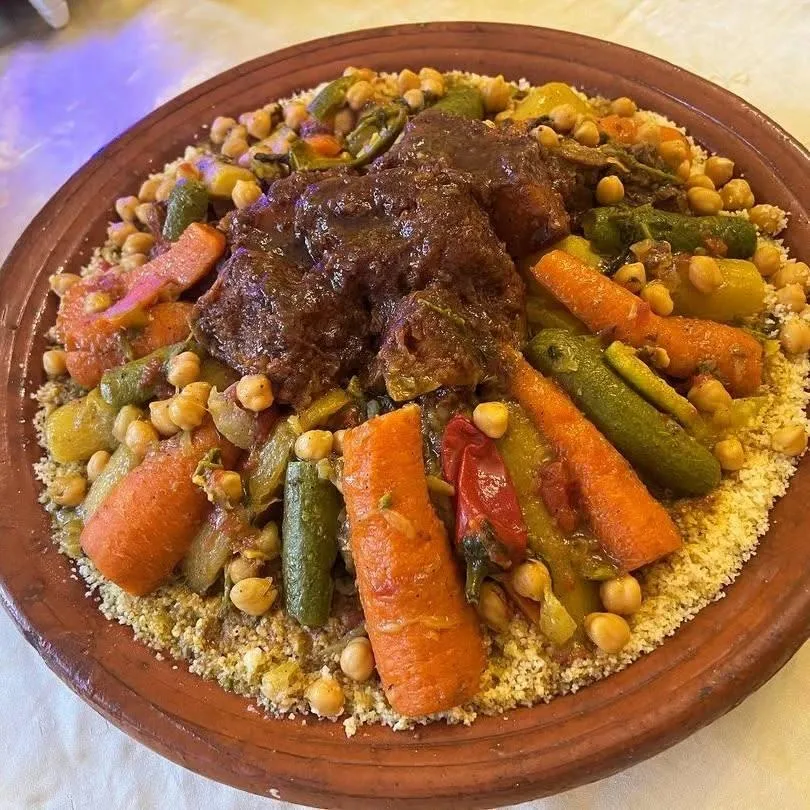
No Moroccan feast is complete without couscous, often considered the national dish. In Marrakech, couscous is traditionally prepared on Fridays after prayer. The fluffy semolina grains are steamed to perfection, then piled high with tender lamb, chicken, or beef, along with slow-cooked vegetables and chickpeas.
A rich broth flavored with saffron and spices is ladled on top, creating a dish that’s both hearty and comforting. Couscous is more than food—it’s a cultural tradition that brings families and friends together around the table.
4. Kebab (Brochettes)
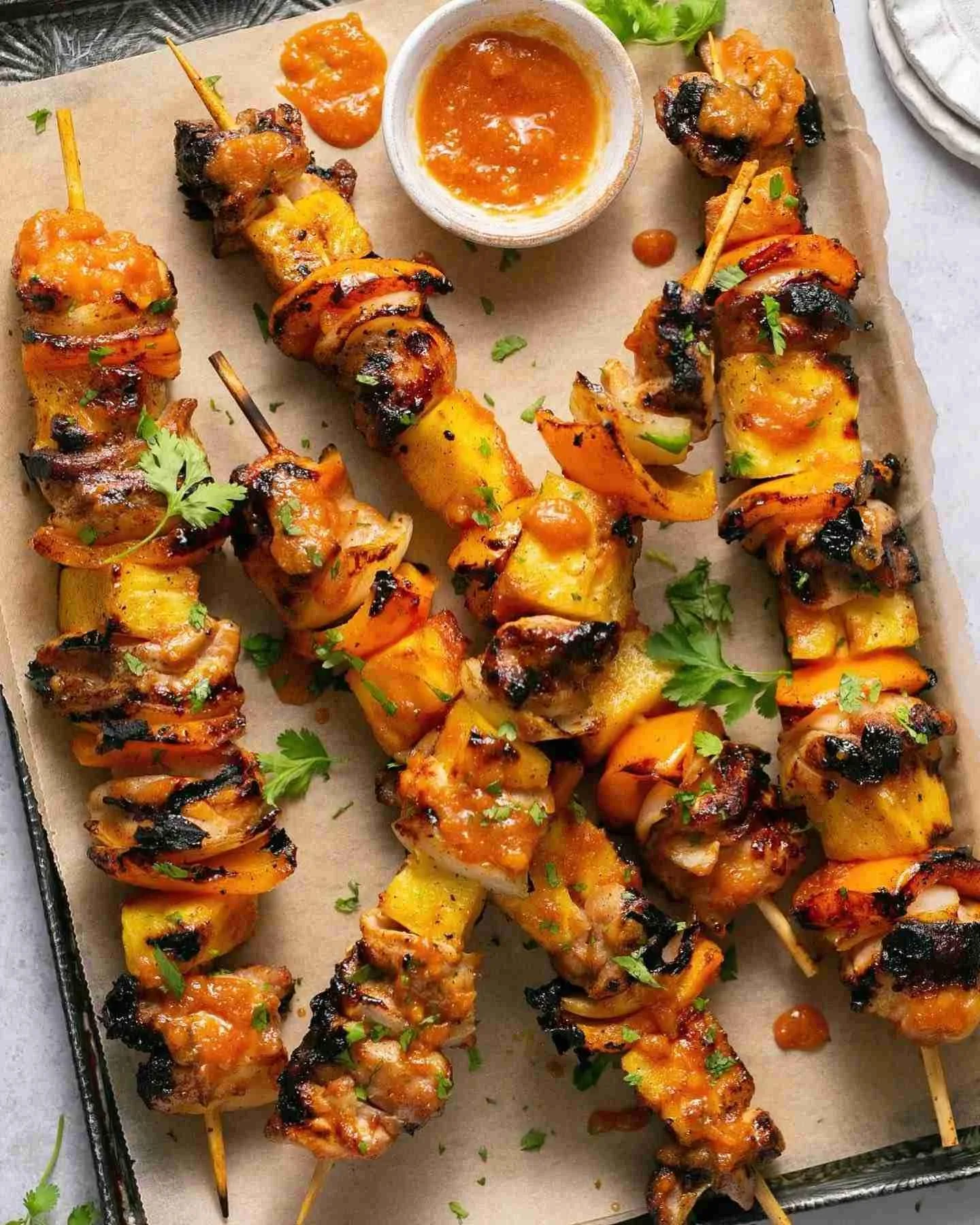
Marrakech’s bustling night markets are filled with the smoky aroma of kebabs, known locally as brochettes. Marinated chunks of lamb, beef, or chicken are skewered and grilled over open flames, often served with flatbread, salads, and spicy harissa.
Simple yet flavorful, kebabs are one of the city’s most popular street foods, perfect for a quick bite while exploring Jemaa el-Fnaa. Whether enjoyed as a snack or part of a full meal, these juicy skewers capture the lively spirit of Marrakech’s street food culture.
5. Briouates
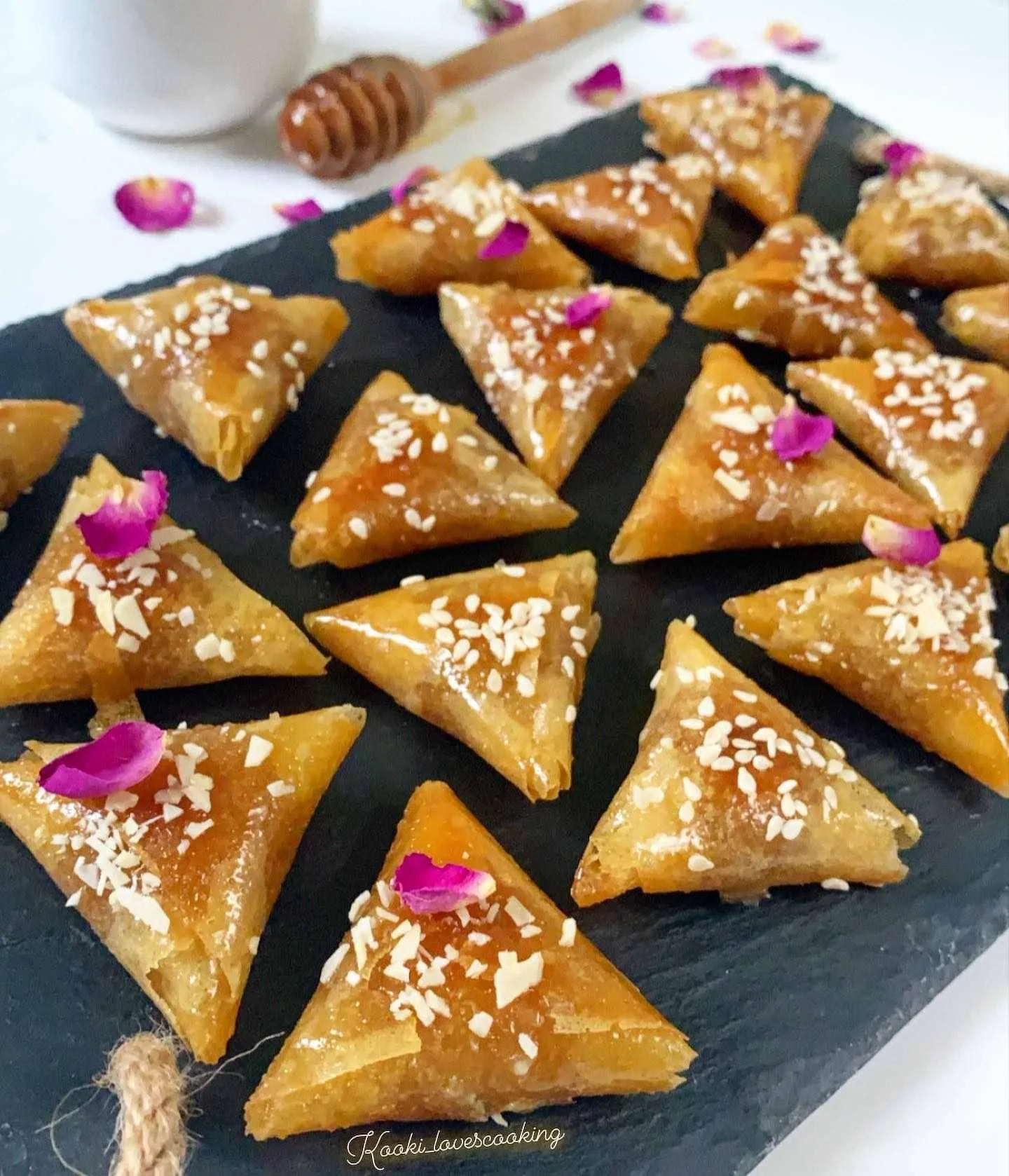
Briouates are delicious Moroccan pastries that come in both sweet and savory versions. The savory kind is filled with spiced meat, cheese, or vegetables, wrapped in thin pastry, and fried until golden and crispy.
Sweet briouates, often stuffed with almonds and flavored with orange blossom water, are coated in honey for a sticky, fragrant treat.
In Marrakech, you’ll find briouates in bakeries, restaurants, and street stalls. Bite-sized, flavorful, and versatile, they’re the perfect snack to enjoy with a glass of mint tea.
6. Harira
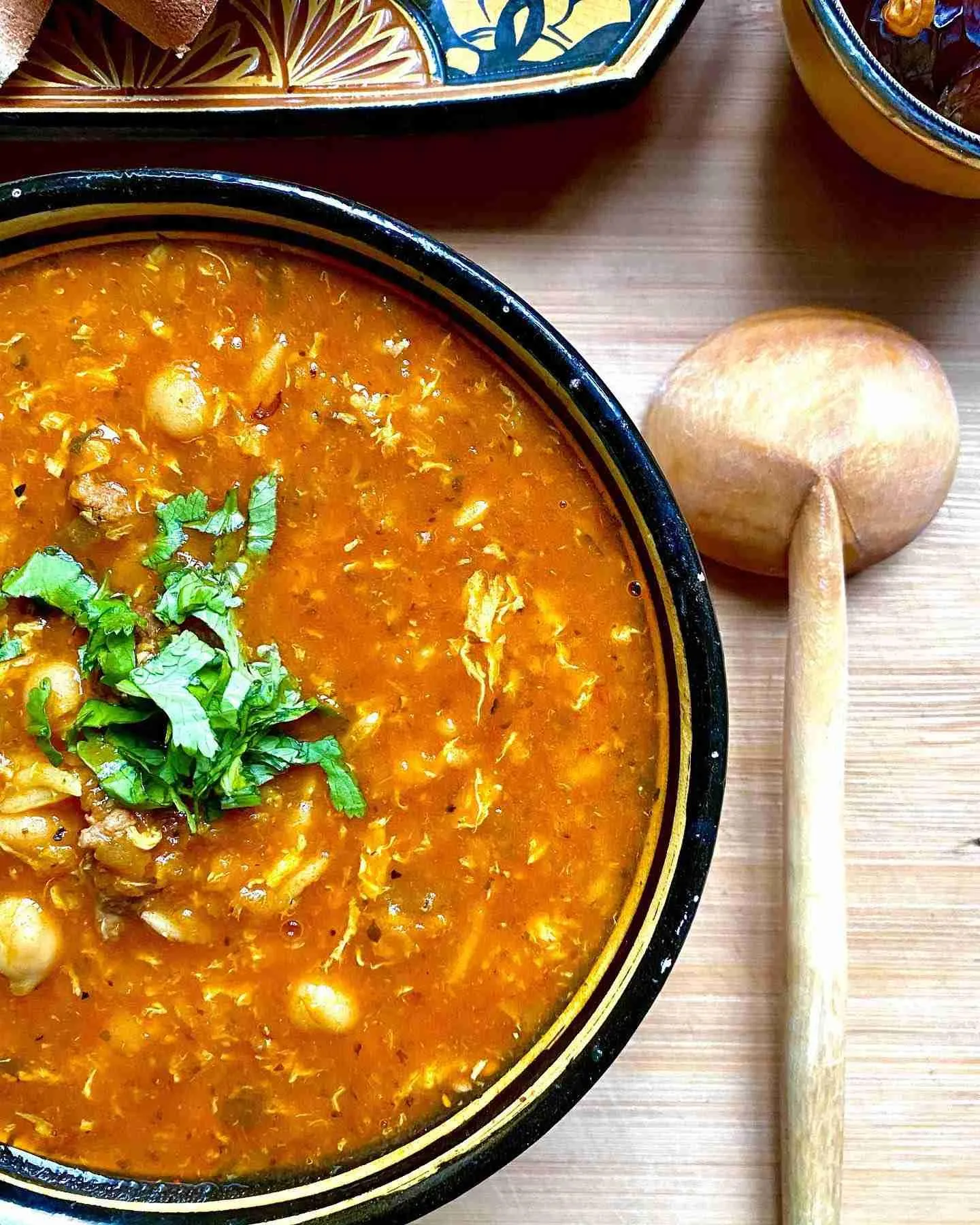
Harira is Morocco’s beloved soup, often enjoyed during Ramadan to break the fast. It’s a hearty, tomato-based soup made with lentils, chickpeas, lamb or beef, and a mix of spices like cinnamon, turmeric, and ginger. Vermicelli noodles and fresh herbs give it extra depth.
In Marrakech, harira is enjoyed year-round as a warming meal or appetizer, often served with dates and chebakia (sesame cookies). Filling yet comforting, harira is the kind of dish that feels like a hug in a bowl.
7. Pastilla (Bastilla)
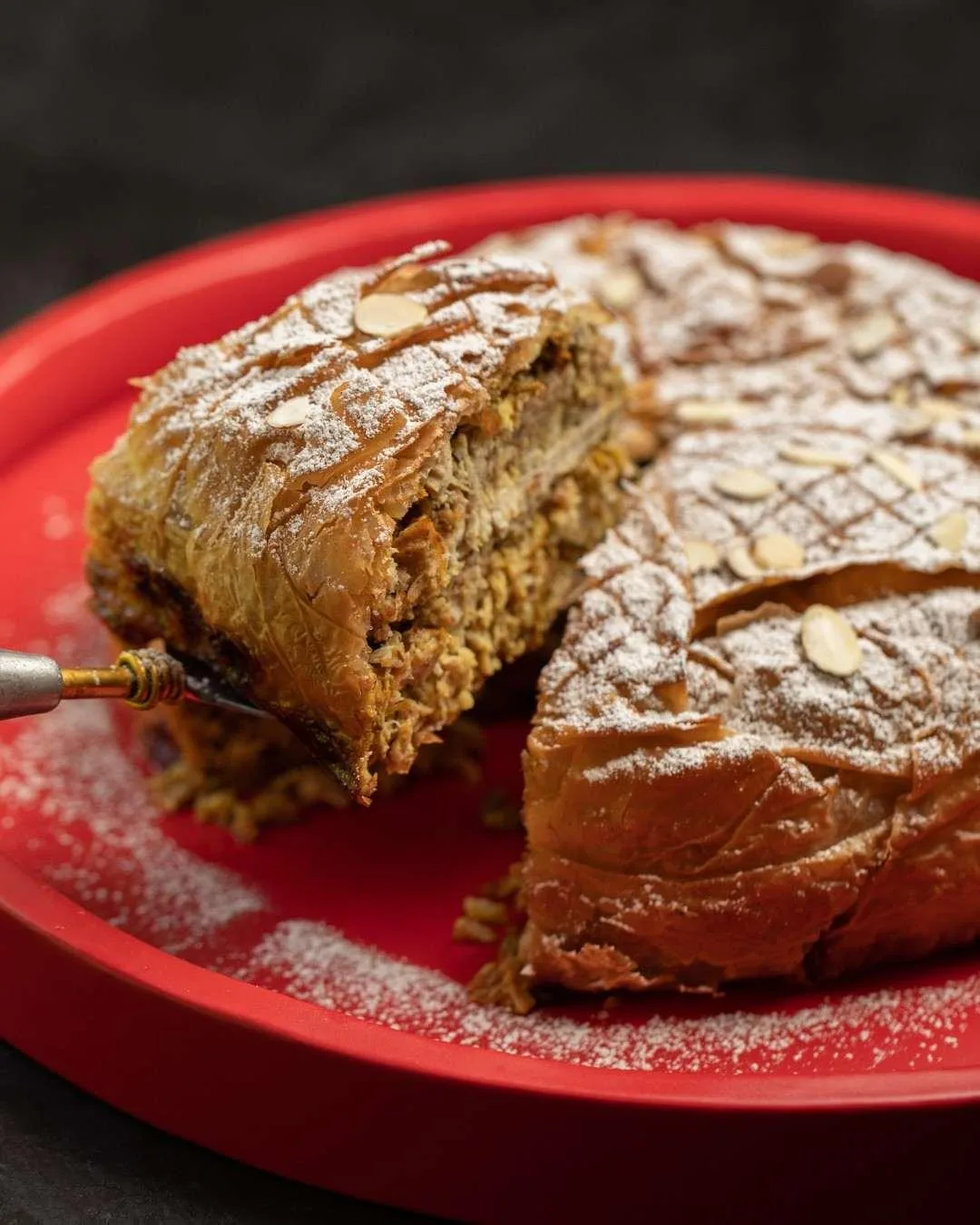
Pastilla is a festive Moroccan pie that combines sweet and savory flavors in a truly unique way.
Traditionally made with pigeon (now often chicken), it layers shredded meat with spiced almonds, cinnamon, and eggs, all wrapped in thin warqa pastry. Baked until crisp, it’s dusted with powdered sugar and cinnamon before serving.
In Marrakech, pastilla is usually served at weddings and special occasions, but many restaurants offer it for curious foodies. Rich, flaky, and unexpected, pastilla is a true Moroccan delicacy.
8. Mechoui (Slow-Roasted Lamb)
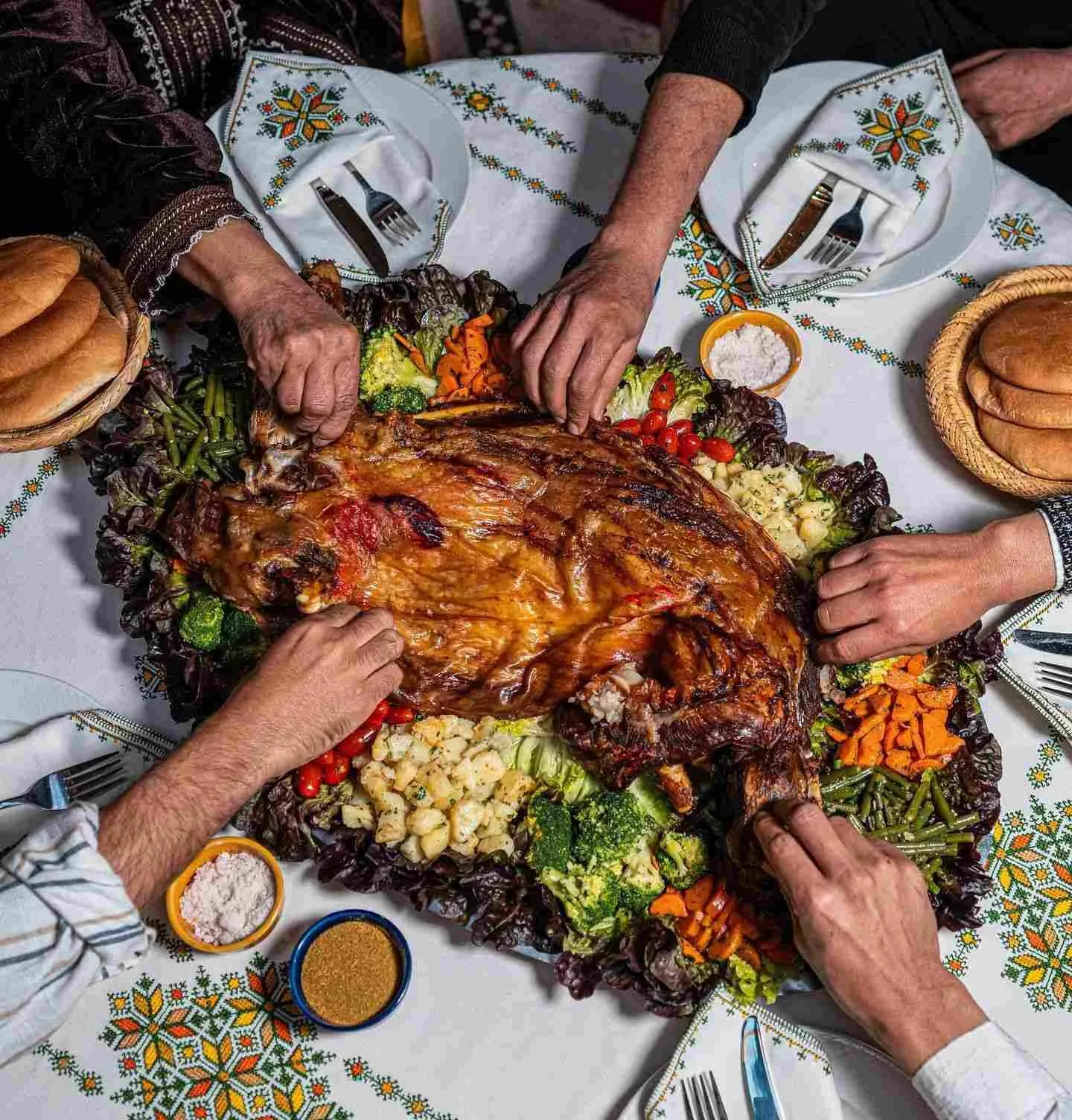
Mechoui is Marrakech’s signature celebration dish—whole lamb roasted slowly in a pit oven until the meat is tender enough to fall off the bone. Seasoned simply with salt, cumin, and sometimes butter, the lamb is smoky, juicy, and incredibly flavorful.
In Marrakech, mechoui is often enjoyed at large gatherings or festivals, but you’ll also find specialized restaurants that serve it by the plate. Eating mechoui is a communal experience, typically enjoyed with bread instead of utensils for an authentic touch.
9. Zaalouk
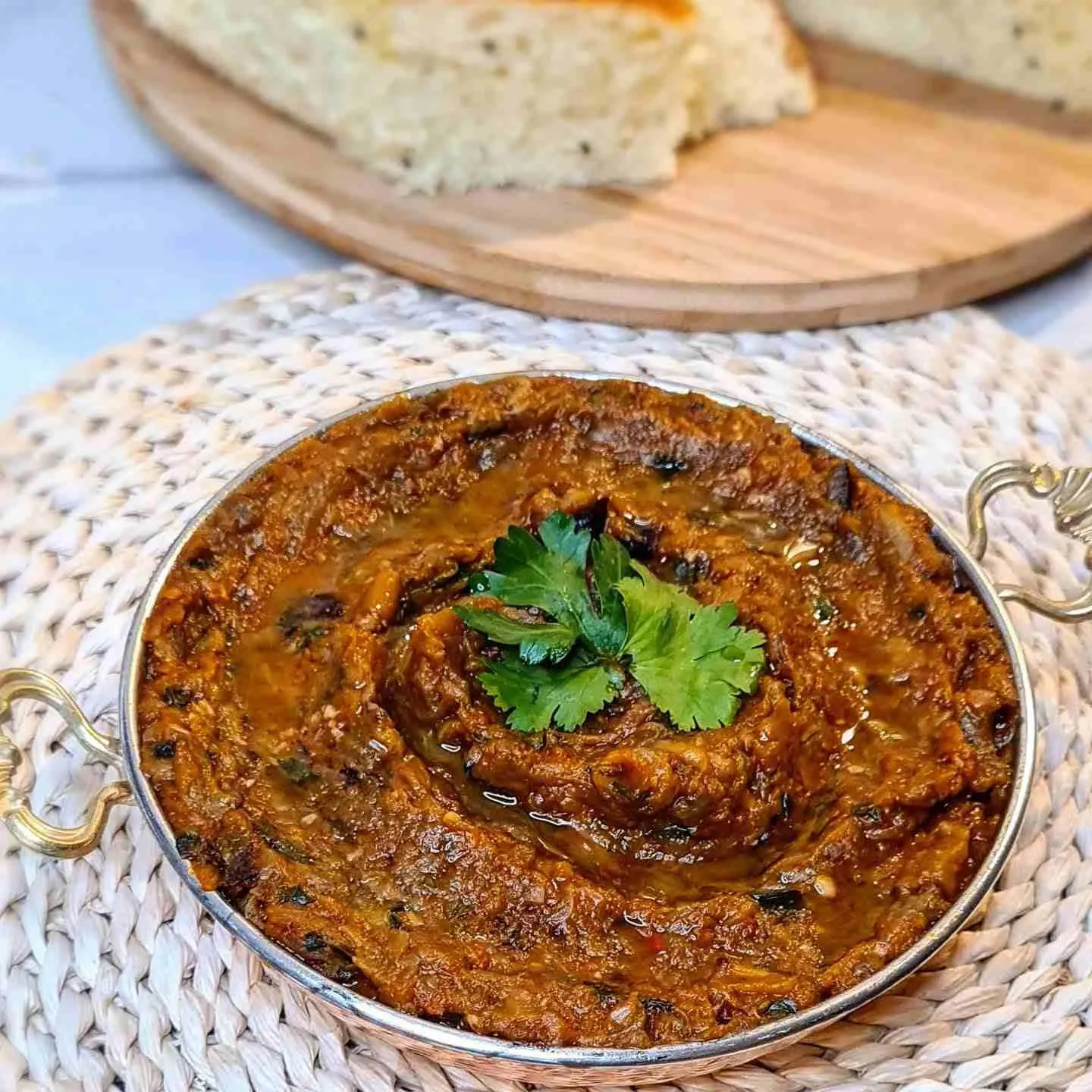
Zaalouk is a smoky, spiced eggplant and tomato dip that’s a staple side dish in Moroccan cuisine. The vegetables are roasted and cooked down with garlic, paprika, cumin, and olive oil, resulting in a flavorful spread that’s both healthy and satisfying.
Served with warm khobz (Moroccan bread), zaalouk is often part of a mezze platter alongside olives and salads. In Marrakech, you’ll encounter it as an appetizer in both homes and restaurants. Simple yet packed with flavor, zaalouk is a vegetarian favorite.
10. Chebakia
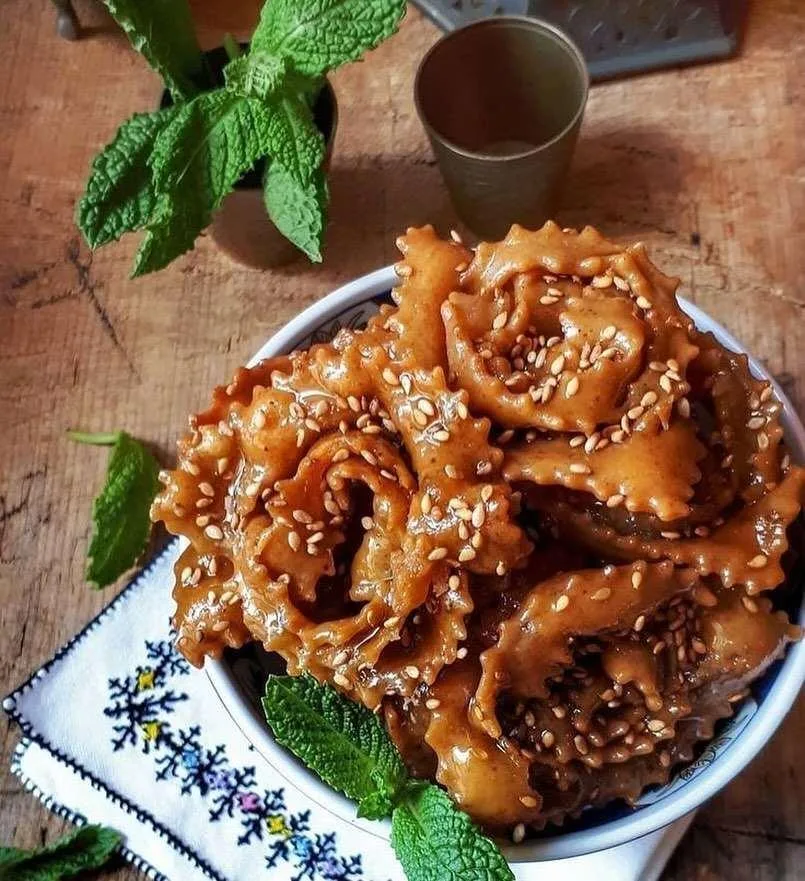
Chebakia is Morocco’s most iconic sweet treat, especially popular during Ramadan. Made from strips of dough shaped into flower-like patterns, they’re deep-fried, coated in honey, and sprinkled with sesame seeds. Fragrant with cinnamon, anise, and orange blossom water, chebakia is sticky, crunchy, and addictive.
In Marrakech, you’ll see them stacked high at bakeries and market stalls, especially around festive times. Paired with mint tea or harira soup, chebakia is the ultimate Moroccan dessert to end your culinary journey in Marrakech.
Pro Tips for Eating in Marrakech
- Eat with bread: Moroccan bread often replaces forks and spoons.
- Share meals: Many dishes are served family-style, so dig in together.
- Don’t rush: Meals are slow and social—embrace the pace.
- Follow your nose: The best street food often comes from the busiest stalls.
- Try something new: Even if snail soup sounds wild, give it a go.
Conclusion: Marrakech is a Feast for the Senses
So, what’s the final answer to what to eat in Marrakech? Everything you possibly can. From bubbling tagines and crispy msemen to sweet chebakia and refreshing mint tea, every bite tells a story of Morocco’s culture and hospitality.
Marrakech isn’t just about filling your stomach—it’s about slowing down, sharing meals, and savoring flavors that have been perfected over centuries.
My advice? Step into the medina, let the scents guide you, and don’t hold back. Because long after you’ve left the Red City, it won’t just be the photos of the souks you remember—it’ll be the taste of that first spoonful of harira that made you feel at home.
And hey, if you end up craving msemen at midnight back home, welcome to the foodie club. 😋