How does Waze make money? Revenue Streams & Business Model
Waze is one of the most recognizable navigation apps in the world, famous for its real-time alerts, community-driven updates, and clever approach to mapping. What makes it truly interesting is that millions of people rely on Waze every day—yet the app remains completely free to use. Naturally, this raises an important question:
How does Waze make money if it doesn’t charge its users?
The answer lies in a smart and efficient business model built around location intelligence, crowdsourced data, and targeted advertising. Over the years, Waze has adapted its revenue strategy, restructured certain services, and expanded into new opportunities.
This guide explains exactly how Waze works, how it earns revenue, and why its model continues to be successful in 2026.
What Is Waze? A Quick Overview
Waze is a GPS navigation app designed to give drivers the fastest, most accurate routes by using real-time user-generated information. Unlike traditional navigation systems that rely only on satellite data or static maps, Waze continuously adjusts to real-life conditions—because it’s powered by actual drivers on the road.
Every time a user drives with the app open, Waze automatically gathers data like:
- Driving speed
- Traffic slowdowns
- Road closures
- Accidents and hazards
- Map errors
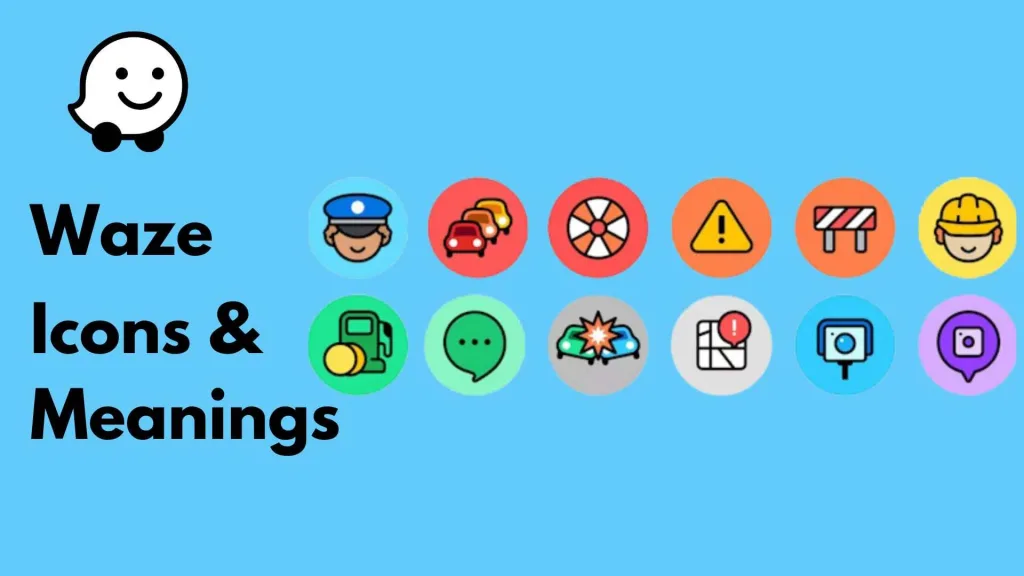
Additionally, users can manually report incidents such as:
- Police presence
- Traffic jams
- Weather hazards
- Construction
This constant flow of data creates a dynamic and highly accurate mapping system. The more people use Waze, the smarter it becomes.
How does Waze make money? Multiple Streams of Revenue
Waze’s revenue model has changed over the years. Some services were expanded, others were shut down, and some new ideas emerged. Below are the current and historical revenue streams that keep Waze profitable.
1. Advertising: Waze Ads
For many years, Waze’s largest revenue stream came from location-based ads. These ads were strategically shown at moments when the driver was stopped or searching for a place.
While the Waze Ads platform was discontinued in 2023, it operated for nearly a decade and was a major contributor to Waze’s earlier growth. Understanding this model is crucial because it explains the foundation of Waze’s business strategy.

Waze previously offered three types of ads:
✔ Sponsored Pins
Small branded icons that appeared on the map (like restaurants, cafés, or stores nearby).
These helped local businesses increase visibility among drivers passing through specific areas.
✔ Zero-Speed Takeovers
Full-screen ads that appeared only when a car was at complete stop—like at a red light.
These ensured the ad never distracted a moving driver.
✔ Promoted Search Results
Businesses paid to appear at the top of Waze’s in-app search results (e.g., “coffee,” “gas,” “burger”).
Why advertisers loved Waze:
- Highly targeted ads
- Location-based triggers
- Contextual relevance
- Millions of daily active users
Even though this exact ad platform has been discontinued, advertising remains one of Waze’s core capabilities because targeted navigation ads are uniquely powerful.
Steps in the Advertising Process:
- Different businesses create an account on the Waze Ads.
- Then they choose the type of ad that they want to display.
- Ads are set according to locations, offers, and brands.
- Then Waze shows these ads to drivers depending upon their location and driving.
- These businesses then also track the performance of their ads through Waze’s analytics.
2. Waze Beacons (Hardware Sales)
Waze sells Bluetooth-based devices called Waze Beacons, designed to improve navigation inside tunnels where GPS fails.
These beacons transmit signals that help keep navigation precise even without satellite connection.
Who buys Waze Beacons?
- Tunnel operators
- Highway authorities
- City transportation departments
- Public infrastructure organizations
Why this matters:
It creates a non-advertising revenue stream tied directly to mapping technology—a smart move for long-term sustainability.
3. Data Partnerships with Cities and Governments
Waze runs a program called Waze for Cities, which allows local governments and traffic departments to integrate Waze data into urban planning systems.
Waze does not directly charge for this program, but partnerships often lead to:
- Long-term collaboration contracts
- Government-backed mapping initiatives
- Joint transportation projects
- Integration with smart-city infrastructure
These relationships indirectly strengthen Waze’s ecosystem and open the door to future monetization through advanced location services.
4. Integration with Automotive & Mobility Platforms
Waze is integrated with:
- Android Auto
- Apple CarPlay
- Car manufacturers
- Ride-sharing platforms
- Delivery services
- Fleet management systems
These integrations help Waze stay relevant—and indirectly create revenue opportunities through:
- Enterprise partnerships
- API usage
- Co-development agreements
- In-car software collaborations
Waze does not publicly reveal all contract details, but mobility partnerships contribute to the company’s long-term revenue strategy.
5. Future Revenue Streams (Possible Developments)
Given that Waze Ads was shut down in 2023, many experts believe the app will introduce new ways to monetize its massive user base.
Here are potential sources of future revenue:
✔ Premium subscription features
Examples:
- Advanced route analytics
- Personalized commute insights
- Ad-free experience
- Early access to new features
✔ In-car marketplace integrations
Imagine ordering food, reserving parking, or booking services directly through Waze.
✔ Advanced data intelligence services
Cities and companies may pay for:
- Traffic flow predictions
- Real-time congestion analytics
- Logistics optimization tools
These future opportunities could transform Waze from a simple navigation app into a complete mobility-intelligence platform.

How Waze Works (Simplified Explanation)
Waze is built on crowdsourcing, which means users contribute to the app while using it.
Here’s how it works step-by-step:
1. User drives with Waze open
The app automatically collects anonymous data (speed, route, direction).
2. Waze analyzes the traffic flow
If 20 cars slow down on the same road, Waze instantly knows there is congestion.
3. The app sends alerts in real-time
Drivers receive warnings such as:
- Heavy traffic ahead
- Accident reported
- Police detected
- Road hazard nearby
4. The system re-routes drivers dynamically
Waze finds alternative faster paths within seconds.
5. Map editors update errors
Thousands of volunteer map editors keep roads updated.
The more people use the app, the smarter it becomes—this is Waze’s biggest advantage over traditional GPS systems.
Why Waze’s Business Model Works
Waze is successful because it solves a real problem:
People want to save time while driving.
Here’s what makes the business model powerful:
1. Massive user-generated data
More users → more data → more accurate maps → more users.
This creates a self-reinforcing loop that competitors cannot easily replicate.
2. High user engagement
Waze is not just a navigation tool; it’s a real-time communication platform between drivers.
Frequent use increases opportunities for monetization.
3. Low operational cost
Because map updates come from users, Waze does not need thousands of employees or expensive mapping teams.
4. Perfect environment for advertising
Even though the Waze Ads program was discontinued, the platform still provides the perfect ad environment:
- Drivers are nearby businesses
- They have buying intent
- Ads appear at the right moment
Navigation apps have some of the highest conversion rates in mobile advertising.
5. Strong backing from Google
Waze benefits from:
- Google’s infrastructure
- Google Maps technology
- Machine learning tools
- Cloud resources
This makes Waze more powerful without increasing costs drastically.
Waze vs. Competitors (Clear Comparison)
| Feature | Waze | Google Maps | Apple Maps |
|---|---|---|---|
| Real-time crowdsourcing | ⭐⭐⭐⭐⭐ | ⭐⭐⭐⭐ | ⭐⭐⭐ |
| Community interaction | ⭐⭐⭐⭐⭐ | ⭐⭐ | ⭐ |
| Advertising potential | ⭐⭐⭐⭐⭐ | ⭐⭐⭐⭐ | ⭐⭐ |
| Offline navigation | ⭐⭐ | ⭐⭐⭐⭐⭐ | ⭐⭐⭐⭐ |
| Accuracy in traffic alerts | ⭐⭐⭐⭐⭐ | ⭐⭐⭐⭐ | ⭐⭐⭐ |
| Customization (voices, icons, alerts) | ⭐⭐⭐⭐⭐ | ⭐⭐⭐ | ⭐⭐ |
Waze stands out in community involvement and real-time responsiveness, while Google Maps leads in completeness and offline features.
What Makes Users Stick to Waze?
Here are the features that keep Waze’s community loyal:
✔ Live police alerts
✔ Instant rerouting
✔ Crowd-sourced map updates
✔ Fun voice navigation
✔ Social features
✔ Gamification (points & leaderboards)
✔ Hyper-personalized route suggestions
These unique features build loyalty and keep the platform strong.
The Future of Waze (2026 and Beyond)
Waze is expected to grow in several areas:
1. Deeper integration into cars
More car manufacturers are adding Waze natively into dashboards.
2. Expansion into AI-driven navigation
Machine learning can improve:
- Route prediction
- User behavior analysis
- Real-time traffic forecasting
3. New mobility ecosystems
Waze could integrate with:
- Scooter rentals
- Car-sharing services
- Electric vehicle charging networks
4. Data monetization
Cities and businesses increasingly need live traffic intelligence.
5. Potential premium subscription
An ad-free or feature-rich subscription could emerge.
FAQs:
Q. Does Waze make a profit?
Yes, Waze makes a profit, as it makes money through location-based and other advertisements.
Q. How much money did Google pay for Waze?
Google’s pay money for Waze is about $1.3 billion. More than 100 employees of Waze earned about an average of $1.2 million.
Q. How is Waze free?
You can download Waze free from the Google Play Store or Apple Store. You can make money through advertising support from the Waze.
Conclusion
Waze’s business model is a powerful combination of community-driven data, smart advertising (historically), strategic partnerships, and innovative hardware solutions. The company’s unique approach to navigation—built on real-time crowdsourced information—has made it one of the most valuable traffic platforms in the world.
While the shutdown of the Waze Ads platform changed its monetization approach, Waze continues to generate value through partnerships, data initiatives, mobility integrations, and hardware sales. As it evolves, Waze remains one of the most influential players in the navigation industry, shaping how millions of people move every day.