
Traditional Korean Dishes: 10 Dishes That Tell a Story Through Flavor
So, you’re curious about traditional Korean dishes? Excellent choice! Korean food isn’t just about satisfying your hunger—it’s about culture, community, and a full sensory experience. From sizzling barbecue to bubbling stews, every meal feels like a celebration.
I still remember the first time I tried bibimbap at a cozy spot in Seoul. The mix of rice, veggies, egg, and spicy gochujang all stirred together created this explosion of flavor that was unlike anything I’d ever had. And let’s be real—Korean food has a way of pulling you in with its bold tastes, beautiful presentation, and balance of textures.
What makes Korean cuisine so special? It’s rooted in history, shaped by the seasons, and built around the idea of balance—spicy, savory, sour, sweet, and salty. Ready to explore?
Let’s dive into the most iconic dishes that make Korea’s food scene unforgettable.
1. Kimchi

Kimchi is the heart of Korean cuisine, a fermented vegetable dish most often made with napa cabbage, radish, garlic, ginger, and gochugaru (chili flakes). It’s tangy, spicy, and slightly sour, offering probiotics and nutrients that make it both delicious and healthy. Kimchi is eaten daily in Korea, served alongside nearly every meal as a side dish.
With hundreds of regional and seasonal variations, it represents Korean heritage and resilience. Beyond tradition, kimchi has become a global icon, beloved for its bold, complex flavors and versatility.
2. Bibimbap

Bibimbap, meaning “mixed rice,” is a colorful Korean dish served with rice topped with vegetables, beef, a fried egg, and spicy gochujang sauce. Diners mix everything together before eating, creating a balance of textures and flavors—crunchy, savory, spicy, and slightly sweet. Traditionally, bibimbap was a way to use up leftovers, but it has evolved into a celebrated dish representing harmony and nutrition.
Hot stone versions (dolsot bibimbap) create a crispy rice crust. Today, bibimbap is not only a staple in Korea but also a global favorite.
3. Bulgogi

Bulgogi, often called “fire meat,” is a classic Korean barbecue dish featuring thinly sliced beef marinated in soy sauce, sesame oil, garlic, sugar, and pepper. The meat is grilled or stir-fried, resulting in tender, slightly sweet, and savory bites. Traditionally cooked over charcoal, bulgogi delivers a smoky aroma that enhances its flavor.
Often wrapped in lettuce leaves with garlic, rice, and ssamjang, it’s a communal dish enjoyed with family and friends. Bulgogi exemplifies Korea’s mastery of marinades and remains one of its most internationally recognized dishes.
4. Japchae

Japchae is a beloved Korean noodle dish made with chewy sweet potato starch noodles stir-fried with vegetables, beef, mushrooms, and a soy-sesame sauce. Lightly sweet and savory, it’s often served at celebrations and holidays for its festive look and comforting taste. Japchae’s glossy noodles absorb the flavors beautifully, while the colorful mix of vegetables creates a vibrant presentation.
Originally a royal dish, japchae has become accessible and popular across Korea. Today, it’s enjoyed warm or cold, showcasing Korean cooking’s balance between nutrition, elegance, and flavor.
5. Samgyetang

Samgyetang is a nourishing Korean soup made by simmering a whole young chicken stuffed with glutinous rice, garlic, jujubes, and ginseng. Traditionally eaten during the hottest summer days, it’s believed to restore energy and strengthen the body.
The broth is light yet deeply flavorful, enriched by the herbal notes of ginseng. Samgyetang reflects Korea’s approach to food as medicine, combining taste with health benefits.
Served bubbling hot, this dish remains a seasonal favorite, symbolizing comfort, wellness, and the importance of balance in Korean culinary tradition.
6. Tteokguk

Tteokguk, or rice cake soup, is a traditional dish eaten during Seollal, the Korean Lunar New Year. Sliced rice cakes are simmered in a clear beef broth, often garnished with eggs, seaweed, and green onions. Eating tteokguk symbolizes gaining a year in age and welcoming good fortune. Its mild, chewy, and comforting taste makes it suitable for all ages.
More than just food, tteokguk represents tradition, family, and renewal. This simple yet meaningful dish highlights Korea’s deep connection between culinary practices and cultural celebrations.
7. Sundubu-jjigae
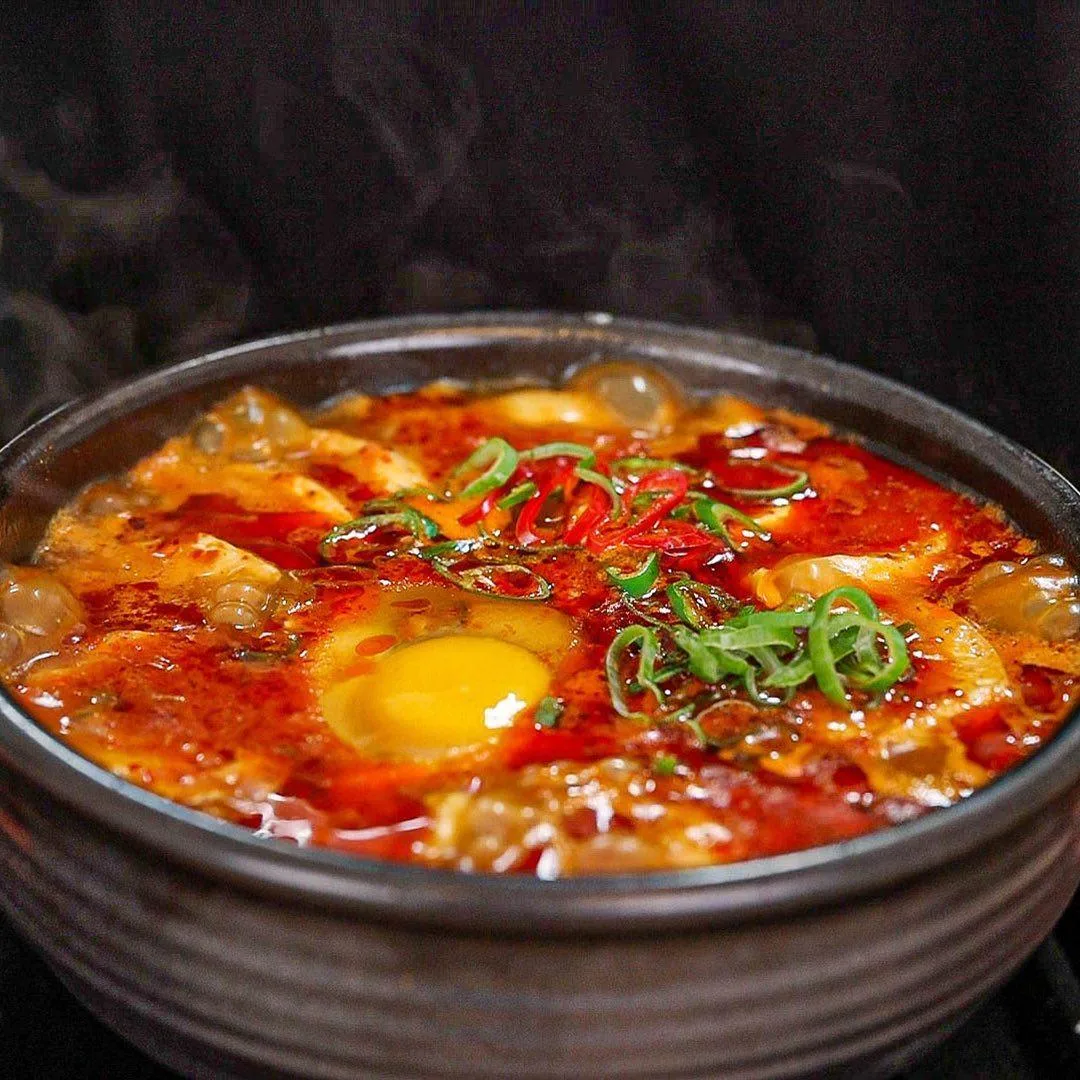
Sundubu-jjigae is a comforting spicy stew made with uncurdled soft tofu, vegetables, seafood or meat, and gochujang or gochugaru. Served bubbling hot in a stone pot, it’s often finished with a raw egg cracked into the broth. The tofu’s silky texture pairs beautifully with the spicy, savory soup, making it a warming dish during cold seasons.
Sundubu-jjigae showcases Korea’s love of hearty, flavorful stews that provide comfort and energy. Both humble and bold, it’s a favorite in restaurants and homes across the country.
8. Galbi

Galbi, or Korean short ribs, is a signature barbecue dish often marinated in a mixture of soy sauce, garlic, sugar, and sesame oil before being grilled to perfection. Juicy, tender, and slightly sweet, galbi is usually served with lettuce wraps, kimchi, and dipping sauces. The dish is central to Korean gatherings, embodying the communal joy of barbecue dining.
Galbi reflects Korea’s expertise in balancing flavors and techniques, elevating simple cuts of meat into celebratory meals. Its smoky aroma and rich taste make it unforgettable.
9. Kimchi-jjigae

Kimchi-jjigae is a beloved Korean stew made with aged kimchi, tofu, pork or tuna, and vegetables simmered in a spicy, savory broth. The longer the kimchi ferments, the deeper and richer the flavor becomes, giving the stew a tangy, umami punch. Often eaten as an everyday meal, kimchi-jjigae is both affordable and deeply satisfying.
Served with rice and banchan, it’s comfort food at its finest. Kimchi-jjigae illustrates how Koreans creatively repurpose staples, transforming leftovers into one of the country’s most iconic and heartwarming dishes.
10. Banchan

Banchan refers to the small side dishes served with Korean meals, often including kimchi, seasoned vegetables, pickles, and small portions of fish or meat. These dishes are meant to be shared and complement the main meal, creating variety and balance. Banchan highlights Korea’s communal dining culture, where multiple flavors and textures enhance the experience.
They change seasonally and regionally, ensuring freshness and diversity. Banchan isn’t one dish but a tradition, reflecting abundance, harmony, and the importance of sharing in Korean culinary life.
Conclusion: Ready to Taste Korea?
So, what have we learned about traditional Korean dishes? From iconic staples like kimchi and bibimbap to comforting stews like kimchi jjigae and street food favorites like tteokbokki, Korean cuisine offers something for everyone. It’s spicy, savory, colorful, and above all—fun to share.
If you’re visiting Korea, don’t just stick to the famous barbecue spots. Explore street stalls, local markets, and family-run eateries—you’ll uncover flavors you didn’t even know existed. And if you’re at home, why not whip up some kimchi fried rice or try your hand at bulgogi? Your taste buds will thank you.
Food in Korea isn’t just about eating. It’s about tradition, community, and joy. And IMO, once you’ve had your first sizzling plate of bulgogi or bubbling bowl of jjigae, you’ll be hooked for life. Now, who’s hungry? 😋