
Safeway French Bread Recipe
I can still smell the incredible aroma of the Safeway French Bread Recipe that filled my kitchen the first time I made this recipe. There’s truly nothing like tearing into a warm loaf that you’ve made from scratch.
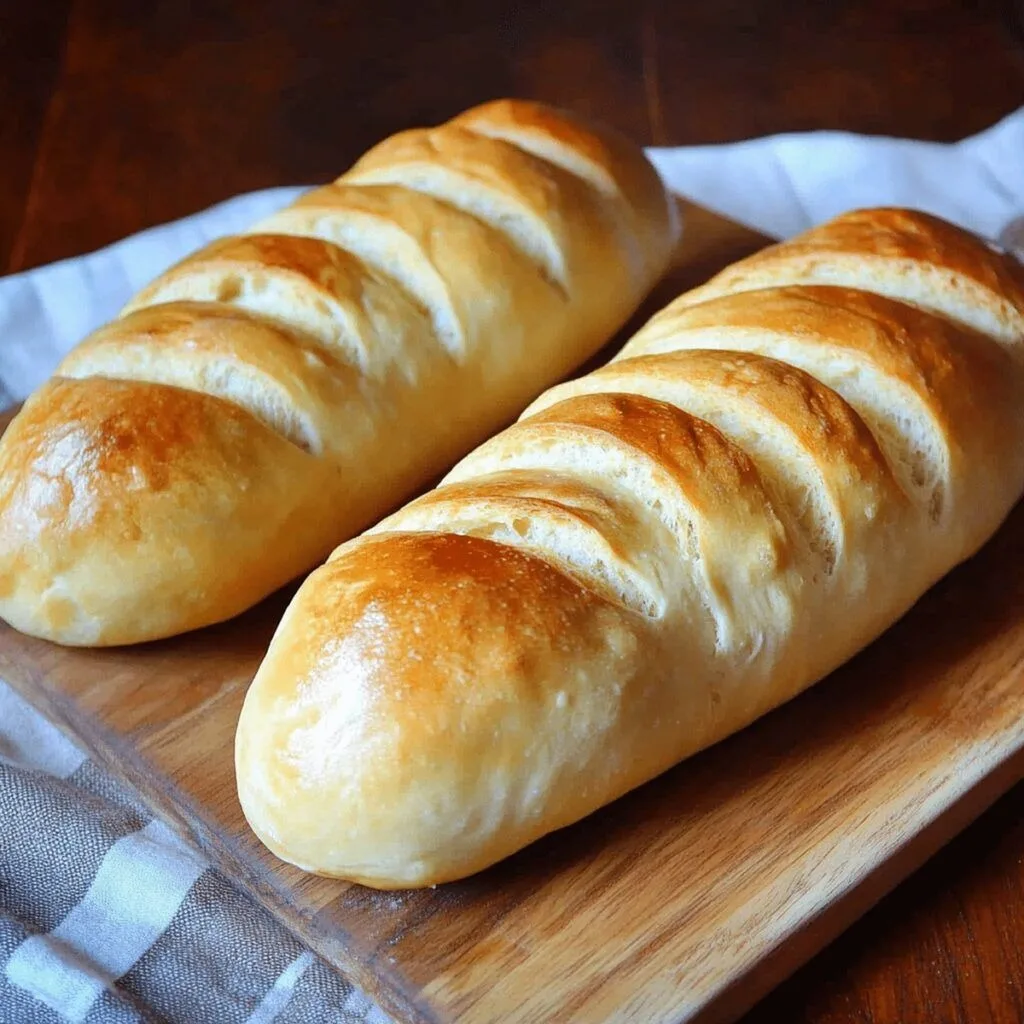
This copycat Safeway French bread turned out perfectly—a beautifully golden, crusty exterior giving way to a soft, fluffy inside.
It was so much easier than I expected, and my family devoured it. I know this will become a staple in your home, just like it has in mine.
Ingredients for Safeway French Bread
Here are the simple ingredients you’ll need to create this delicious bread at home. Using high-quality, fresh ingredients will give you the best results.
- Active Dry Yeast (1 packet, 7g): This is the magic ingredient that makes the bread rise. Ensure your yeast is fresh and not expired for a light and airy texture.
- Warm Water (1 1/2 cups): The water should be around 110°F (45°C) to properly activate the yeast. If it’s too hot, it can kill the yeast; too cold, and it won’t activate.
- Sugar (2 tbsp): Sugar feeds the yeast, helping it to activate and grow, and also adds a subtle sweetness to the bread.
- All-Purpose Flour (4 cups): This is the foundation of your bread. For best results, spoon the flour into your measuring cup and level it off rather than scooping it directly from the bag.
- Salt (2 tsp): Salt is crucial for flavor and also helps control the yeast’s activity, ensuring a steady, even rise.
- Olive Oil or Melted Butter (2 tbsp): This adds richness and softness to the dough, contributing to a tender crumb.
- Extra Flour for Dusting: You’ll need this for your work surface to prevent the dough from sticking while you knead.
Note: This recipe makes approximately 4 small loaves, perfect for several servings.
Recipe Variations
One of the best things about homemade bread is how easily you can customize it. Here are a few variations to try.
- Herb-Infused Bread: Mix in 1-2 tablespoons of dried herbs like rosemary, thyme, or oregano with the dry ingredients for an aromatic loaf that pairs perfectly with Italian dishes.
- Whole Wheat Version: For a healthier, nuttier flavor, substitute half of the all-purpose flour with whole wheat flour. The bread will be slightly denser but packed with more fiber.
- Cheesy Garlic Bread: Before the final bake, brush the loaves with melted butter mixed with minced garlic and sprinkle generously with grated Parmesan cheese.
- Seed-Topped Loaves: After shaping the loaves and just before the second rise, brush them with a little water or an egg wash and sprinkle with sesame, poppy, or sunflower seeds for extra texture and flavor.

Cooking Time
Planning is key when baking bread. Here’s a breakdown of how much time you’ll need.
- Prep Time: 20 minutes
- Cook Time: 25-30 minutes
- Total Time: 45-50 minutes (plus about 1.5 hours for rising)
Equipment You Need
You don’t need any fancy gadgets to make great bread. Here is the essential equipment for this recipe.
- Large Mixing Bowl: For combining the ingredients and the first rise of the dough.
- Measuring Cups and Spoons: To accurately measure all your wet and dry ingredients.
- Baking Sheet: A flat pan for baking your loaves to a perfect golden brown.
- Parchment Paper: To line the baking sheet, preventing the bread from sticking.
- Sharp Knife or Bread Lame: For scoring the tops of the loaves, which allows them to expand evenly in the oven.
- Kitchen Towel: To cover the dough while it rises, keeping it warm and moist.

How to Make Safeway French Bread Recipe?
This step-by-step guide will walk you through creating your own beautiful loaves of French bread. The process is simple and incredibly rewarding.
1. Activate the Yeast
First, grab a small bowl and combine the warm water and sugar. Sprinkle the active dry yeast over the top of the water. Let it sit for about 5 to 10 minutes, without stirring, until the mixture becomes foamy and frothy on the surface. This is how you know your yeast is alive and ready to work.
2. Mix the Dough
In a large mixing bowl, combine the flour and salt. Create a well in the center and pour in the activated yeast mixture along with the olive oil or melted butter. Use a wooden spoon or spatula to stir everything together until a shaggy, cohesive dough begins to form.
3. Knead the Dough
Turn the dough out onto a lightly floured surface. Begin to knead by pushing the dough away from you with the heel of your hand, then folding it over and repeating. Continue this process for about 8 to 10 minutes until the dough is smooth, elastic, and no longer sticky.
4. Let the Dough Rise
Lightly grease the inside of your large mixing bowl with a little oil. Place the kneaded dough into the bowl and turn it over once to coat the top. Cover the bowl with a clean kitchen towel and place it in a warm, draft-free spot for about 1 hour, or until the dough has doubled in size.
5. Shape the Loaves
Once the dough has risen, gently punch it down to release the air. Transfer it to your floured surface and divide it into four equal portions. Roll each portion into a long, thin loaf shape, about 12-15 inches long, tapering the ends slightly for that classic baguette look.
6. Allow for a Second Rise
Place the shaped loaves on a baking sheet lined with parchment paper, leaving space between them. Cover the loaves loosely with the kitchen towel and let them rise for another 30 minutes. During this time, preheat your oven to 400°F (200°C) and place a small pan of water on the bottom rack to create steam.
7. Score and Bake the Bread
Just before baking, use a very sharp knife or a bread lame to make 3-4 shallow diagonal cuts across the top of each loaf. This allows the bread to expand properly while baking. Place the baking sheet in the preheated oven and bake for 25 to 30 minutes, until the loaves are a deep golden brown and sound hollow when tapped on the bottom.
8. Cool Before Serving
Remove the bread from the oven and transfer the loaves to a wire rack. It’s important to let them cool for at least 15-20 minutes before slicing. This allows the internal structure to set, preventing the bread from becoming gummy when you cut into it.
Additional Tips for Making this Recipe Better
Over the times I’ve made this, I’ve picked up a few tricks that really elevate the final result.
- I find that adding a pan of hot water to the bottom rack of the oven creates a steamy environment. This is my secret weapon for achieving that perfectly crisp, crackly crust just like you get from a professional bakery.
- When kneading, I try not to add too much extra flour. A slightly tacky dough is actually a good thing; it results in a more moist and tender crumb. Just use enough flour to keep it from sticking to your hands and the counter.
- I always let the bread cool completely on a wire rack. Slicing into it while it’s still hot is tempting, but I’ve learned that patience pays off. Allowing it to cool ensures the texture is perfect and not doughy inside.
How to Serve Safeway French Bread Recipe?
This versatile bread can be served in countless ways. For a simple and classic approach, serve slices warm with a side of quality butter or a dish of olive oil for dipping.
You can also toast slices and top them with fresh avocado and a sprinkle of sea salt for a quick breakfast or snack. It’s the perfect companion for a hearty soup or stew, ideal for soaking up every last drop.
Finally, this bread makes an excellent base for sandwiches or a fantastic homemade garlic bread to serve with pasta.

Nutritional Information
Here is an approximate nutritional breakdown for one serving of this bread.
- Calories: 180 kcal
- Carbohydrates: 35 g
- Protein: 5 g
- Fat: 3 g
Make Ahead and Storage
Knowing how to store your homemade bread will keep it fresh for days.
Properly stored at room temperature in a paper bag or bread box, your French bread will stay fresh for about 2-3 days. Avoid plastic bags, as they can trap moisture and make the crust soft. For longer storage, you can freeze the loaves. Wrap them tightly in plastic wrap and then place them in a freezer-safe bag for up to one month. To reheat, simply place a frozen or day-old loaf in a 350°F (175°C) oven for about 10-15 minutes until it’s warm and the crust is crisp again.
Why You’ll Love This Recipe?
There are so many reasons to fall in love with making your own bread at home. Here are just a few.
- Incredibly Fresh Flavor: There is simply no comparison to the taste and smell of bread straight from your own oven. You control the ingredients, so you know it’s free from preservatives.
- Simple and Rewarding Process: While it takes time for the dough to rise, the active steps are straightforward and easy to follow. The feeling of accomplishment when you pull those golden loaves from the oven is unbeatable.
- Perfect for Any Meal: This bread is incredibly versatile. Use it for sandwiches, toast, garlic bread, or simply serve it alongside your favorite soup or salad.
- Customizable to Your Tastes: You can easily add herbs, seeds, or cheese to create different flavor profiles. It’s a base recipe that invites creativity and experimentation.