13 Japan Sakura Cherry Blossoms: A Complete Guide to Japan’s Blooming Magic
If you’ve ever dreamed of stepping into a scene straight out of a Japanese postcard, Japan sakura cherry blossoms are your ticket to that magical reality.
Honestly, the first time I saw cherry blossoms in Kyoto, I was utterly mesmerized—the soft pink petals drifting in the wind, the air buzzing with excitement from locals and tourists alike—it’s like nature decided to throw a festival just for you! 🌸
Whether you’re planning your first trip to Japan or just curious about the phenomenon, this guide will walk you through everything you need to know.
From the best viewing spots to the timing of the blooms, and even tips on how to make your photos Instagram-worthy, I’ve got you covered

What Are Sakura Cherry Blossoms?
When people talk about sakura, they’re referring to the iconic cherry blossom trees that bloom every spring in Japan. But what makes them so special?
The Beauty of Sakura
- Delicate pink petals: Most cherry blossom varieties flaunt soft pink or pure white petals, which create an ethereal atmosphere.
- Short blooming period: Sakura blooms last only about one to two weeks, making the timing crucial for travelers.
- Cultural significance: In Japan, cherry blossoms symbolize the transient nature of life, a reminder to cherish every moment.
Different Types of Sakura
You might not know this, but there are over 200 varieties of sakura in Japan! Some popular types include:
- Somei Yoshino: The most common variety, with pale pink petals and a subtle fragrance.
- Shidarezakura (Weeping Cherry): Graceful branches that cascade toward the ground like a natural curtain.
- Yaezakura: Known for its multiple layers of petals, giving a fuller, fluffy appearance.
1. Somei Yoshino: The Classic Bloom
Somei Yoshino is Japan’s most famous cherry blossom variety, known for its soft, pale pink petals that often appear almost white.
It blooms in early spring, typically in late March to early April, and is prized for its delicate fragrance and elegant appearance.
Most of Japan’s urban parks, like Tokyo’s Ueno Park, feature rows of Somei Yoshino trees.
Their short blooming period, usually around a week, emphasizes the fleeting beauty that sakura represents in Japanese culture.

2. Yamazakura: The Mountain Cherry
Yamazakura, or mountain cherry, is native to Japan’s forests and mountainous regions. Unlike Somei Yoshino, its flowers are slightly darker pink and have a subtle, natural fragrance.
This species blooms a bit later than the classic varieties, making it ideal for regions where early sakura may have passed.
Yamazakura is valued for its rustic charm and is often used in traditional landscapes and rural hanami spots, providing a more serene and authentic cherry blossom experience away from city crowds.

3. Shidare Zakura: The Weeping Beauty
Shidare Zakura, also known as weeping cherry, is instantly recognizable by its gracefully drooping branches.
Its vibrant pink blossoms cascade downwards, creating a curtain-like effect that looks stunning both in gardens and along riversides.
Blooming in late March to early April, these trees are often illuminated at night during festivals, adding a magical ambiance.
Shidare Zakura symbolizes elegance and grace, and visiting a park lined with these trees feels like stepping into a dreamy, poetic Japanese painting.

4. Kanzakura: The Early Spring Herald
Kanzakura is among Japan’s earliest blooming sakura varieties, often flowering in mid-January to early February in regions like Kyushu and Shikoku.
Its soft pink petals are small but abundant, and the tree’s compact shape makes it perfect for urban gardens.
Because it blooms so early, Kanzakura heralds the arrival of spring and is celebrated in local festivals.
Its blossoms are often paired with winter landscapes, creating a beautiful contrast between the soft pink petals and bare winter branches.

5. Kanhizakura: Vibrant Early Bloomer
Kanhizakura, sometimes called winter cherry, blooms in late February to early March.
Native to southern Japan, this variety is cherished for its bright pink flowers and slightly stronger fragrance compared to other early-blooming sakura.
Its blooms signal the end of winter and are often planted in public parks and along streets to welcome the new season.
Though smaller in size than Somei Yoshino, Kanhizakura’s vivid color and early arrival make it a favorite for photographers and early hanami enthusiasts.
6. Kawazuzakura: The Pink Wonder
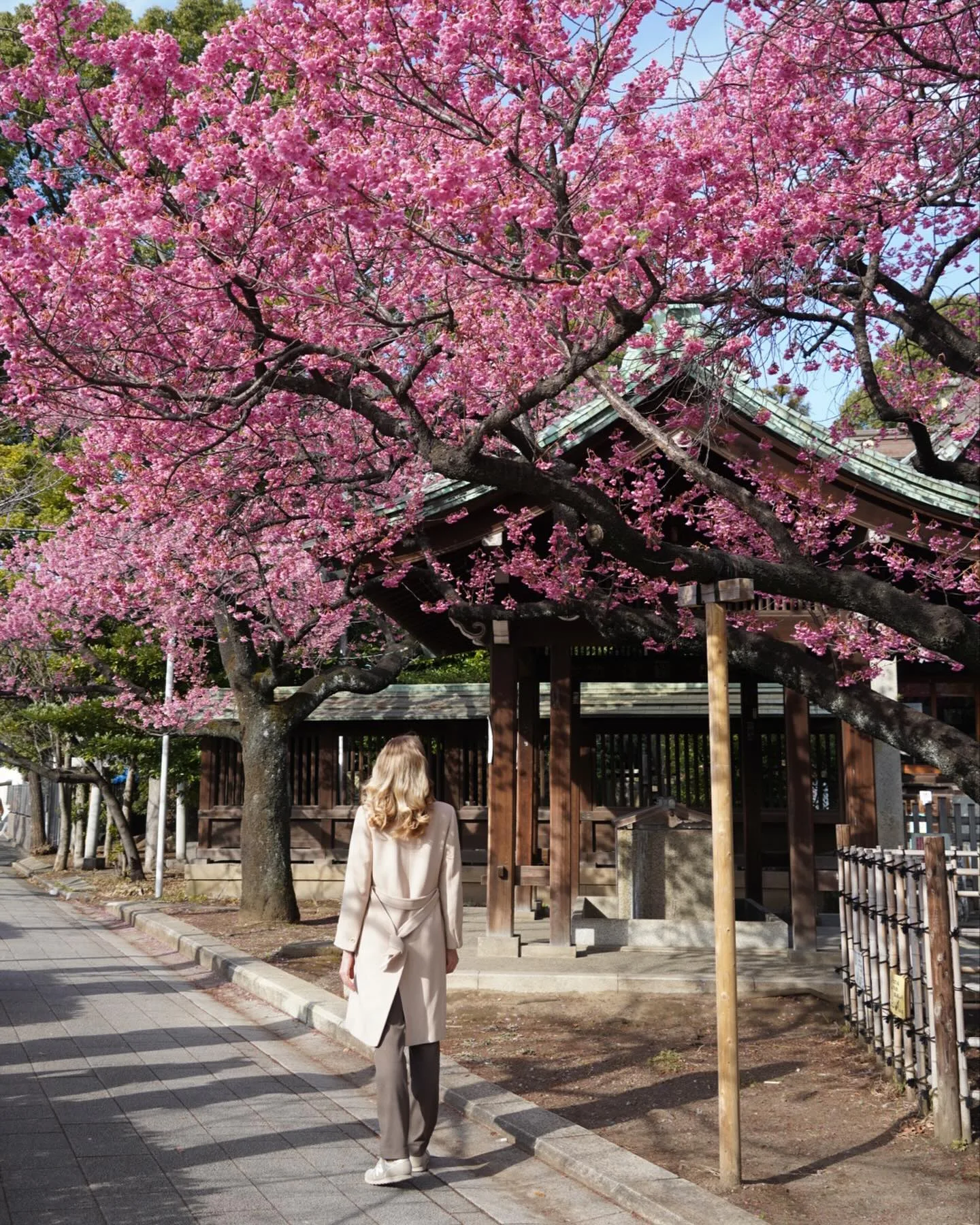
Kawazuzakura is a striking early-blooming cherry tree, particularly common in the Shizuoka and Izu regions.
Blooming from mid-February to early March, it is known for its deep pink, slightly fragrant petals and thick clusters of flowers that create an almost cotton-candy appearance.
Kawazuzakura trees often line rivers and canals, producing stunning reflections in the water.
Their early bloom provides a perfect opportunity to enjoy sakura without the large crowds typical of peak season, making them a favorite for serene hanami experiences.

7. Ichiyo: Elegant Mid-Season Bloomer
Ichiyo is a mid-season sakura variety that typically blooms in early to mid-April. Its flowers are double-petaled, giving them a lush, full appearance with a gentle pink hue.
Often planted in public gardens and temple grounds, Ichiyo sakura exudes elegance and calm, making it ideal for contemplative walks.
The tree’s dense petals can sometimes make it look like a pink cloud, creating a dreamy atmosphere that perfectly embodies the fleeting beauty and poetic nature of sakura in Japanese culture.

8. Shogetsu: Delicate Double Blossoms
Shogetsu is a double-flowered sakura variety admired for its large, soft pink blossoms and elegant form. Blooming in mid-April, it stands out for its fluffy petals that give a more abundant, romantic look compared to single-petaled sakura.
Shogetsu trees are often featured in parks and historic sites for their visual impact. Their aesthetic appeal and subtle fragrance make them a popular choice for hanami picnics and photography, adding depth and variety to Japan’s cherry blossom season beyond the classic early blooms.
9. Kanzan: The Showy Pink Explosion
Kanzan, also known as Sekiyama, is a late-blooming sakura famous for its rich, deep pink double blossoms.
Blooming in mid to late April, Kanzan’s flowers are larger and fuller than most varieties, creating a spectacular visual display.
Often seen in parks and along avenues, this variety is perfect for those seeking a vibrant, photogenic experience.
Kanzan symbolizes happiness and abundance, and its long-lasting blooms make it one of the most celebrated sakura for both tourists and locals alike.

10. Ukon: Unique Green-Tinted Sakura
Ukon is a rare and distinctive late-blooming cherry tree, notable for its pale yellow-green petals.
Blooming in mid to late April, Ukon’s unusual color sets it apart from traditional pink sakura, making it highly sought after by enthusiasts and photographers.
Often planted in temple grounds and historic gardens, Ukon provides a subtle, refreshing contrast among more common varieties.
Its delicate, soft fragrance and unique hue make it a symbol of individuality and calm beauty within Japan’s sakura tradition.

11. Fugenzo: The Graceful Double Blossom
Fugenzo is a late-blooming cherry variety admired for its large, densely packed pink petals.
Blooming from late April to early May, it creates a rich, almost plush appearance that feels luxurious.
Often planted in parks and temple gardens, Fugenzo sakura is particularly popular for hanami picnics and artistic photography.
Its gentle fragrance and soft, romantic petals symbolize refinement and serenity, making it a favorite among those seeking a quieter, more contemplative sakura experience away from the crowded peak season.

12. Kikuzakura (Chrysanthemum Cherry): Chrysanthemum-Inspired Elegance
Kikuzakura, or Chrysanthemum Cherry, is a late-blooming sakura with uniquely layered petals resembling a chrysanthemum flower.
Blooming in mid to late April, the blossoms are fuller and denser than typical sakura, giving the tree a striking ornamental appeal.
Kikuzakura is often planted in historic gardens and cultural sites, admired for its majestic form and delicate fragrance.
This variety highlights the intricate artistry of Japanese horticulture, combining traditional aesthetics with natural beauty, making it a must-see for dedicated cherry blossom enthusiasts.

13. Jugatsuzakura (Autumn Cherry): The Fall-Blooming Wonder
Jugatsuzakura, also called Autumn Cherry, is unusual because it blooms twice a year, with a smaller flowering period in autumn.
Its pale pink flowers appear on a compact, graceful tree, offering a unique chance to experience sakura outside the typical spring season.
Jugatsuzakura is often planted in gardens and urban streets, where its blossoms provide a gentle reminder of nature’s rhythm.
This rare variety is cherished for its adaptability and delicate beauty, adding seasonal diversity to Japan’s iconic cherry blossom landscape.

Conclusion
So, there you have it—Japan sakura cherry blossoms aren’t just trees; they’re an experience, a cultural treasure, and a feast for your senses.
Whether you’re strolling through Kyoto’s ancient streets, picnicking under Tokyo’s bustling cherry tree canopies, or capturing that perfect photo, these fleeting blooms leave an unforgettable mark.
Remember, the sakura season is short, so plan wisely, soak in every moment, and don’t forget to pause and appreciate the beauty around you. Who knows? Maybe next spring, you’ll be the one sharing your own cherry blossom stories with friends. 🌸