
HelloFresh Bulgogi Sauce Recipe
I fell in love with this HelloFresh Bulgogi Sauce Recipe the moment I drizzled it over my beef bowl, and I knew I had to figure out how to make it from scratch so I could eat it every single week.
It has that incredible balance of sweet and savory flavors that just makes everything taste restaurant-quality, yet it is honestly one of the easiest things you will ever whisk together in your own kitchen.
You are going to be shocked at how simple it is to get that authentic Korean BBQ flavor without buying expensive bottled marinades.
Ingredients Section
Creating this sauce relies on a few powerhouse pantry staples that come together to form a complex flavor profile.
- 4 tablespoons soy sauce: This provides the salty, umami base that defines the sauce; for the best depth of flavor, try to use a high-quality Japanese or Korean brand rather than a generic light soy sauce.
- 2 tablespoons gochujang: This fermented chili paste is the heart of the recipe, offering a distinct savory heat that isn’t just spicy but also adds a rich, thick texture to the final mixture.
- 2 tablespoons of rice wine vinegar: The acidity here is crucial for cutting through the salt and sugar, brightening up the sauce so it tastes fresh rather than heavy or overly syrup-like.
- 2 tablespoons sesame oil: You absolutely cannot skip this because it adds that signature toasted nutty aroma that fills the kitchen and makes the sauce taste authentically Korean.
- 1 tablespoon brown sugar: This helps to caramelize the meat when you cook it and provides the necessary sweetness to balance out the salty soy sauce and spicy chili paste.
- 1 teaspoon ginger paste: While fresh root is great, the paste blends more smoothly into the liquid without leaving stringy bits, making it a perfect time-saver for busy weeknights.
- 3 cloves garlic: Mincing these fresh is highly recommended over using jarred garlic because the biting, pungent flavor of fresh cloves really wakes up the entire marinade.
- 1 tablespoon red pepper flakes: These are optional, but I find they add a nice textural contrast and an extra layer of dry heat that hits the palate differently than the paste.
- Black pepper: A few cracks of fresh black pepper add an earthiness that rounds out the sweetness and spice, grounding the flavors nicely.
Note: This recipe yields approximately 6 servings, depending on how heavily you sauce your dish.
Variations
If you have dietary restrictions or simply want to tweak the flavor profile, this recipe is incredibly forgiving and adaptable.
- Make it Gluten-Free: Traditional soy sauce contains wheat, so you can easily swap it out for Tamari or coconut aminos. Coconut aminos will add a bit more sweetness and less salt, so you might want to reduce the brown sugar slightly if you go this route.
- Adjust the Heat: If you are sensitive to spice or cooking for kids, you can reduce the gochujang by half or omit the red pepper flakes entirely. Conversely, if you love heat, adding a dash of cayenne or fresh sliced bird’s eye chilies can really kick it up a notch.
- Sweetener Swaps: If you want to avoid refined sugars, honey or maple syrup work beautifully as substitutes for brown sugar. Honey will give it a thicker consistency and a floral note, while maple syrup adds a rich, woody sweetness that pairs perfectly with the sesame oil.
Cooking Time
This is one of the fastest recipes you will ever make, perfect for last-minute dinners.
- Prep Time: 5 minutes
- Cooking Time: 0 minutes
- Total Time: 5 minutes
Equipment You Need
You don’t need any fancy gadgets to pull this off, just a few basic kitchen tools.
- Medium Mixing Bowl: You need enough room to whisk vigorously without splashing dark soy sauce all over your countertop.
- Wire Whisk: This is essential for emulsifying the oil and vinegar together and breaking up the thick gochujang paste so the sauce is smooth.
- Measuring Spoons: Precision matters with strong flavors like sesame oil and vinegar, so use proper spoons rather than eyeballing it.
- Microplane or Grater: If you decide to use fresh ginger instead of paste, a microplane is the best tool to get a pulp-like consistency.
- Airtight Jar: A mason jar or glass container with a tight lid is perfect for storing any leftovers in the fridge.
How to Make HelloFresh Bulgogi Sauce Recipe?
Follow these simple steps to recreate that restaurant-quality flavor right in your own kitchen.
Prepare the Aromatics
Start by handling your fresh ingredients, specifically the garlic and ginger, to ensure they release maximum flavor. Peel your garlic cloves and mince them as finely as possible so they almost melt into the sauce, preventing anyone from biting into a large, raw chunk of garlic later. If you are using fresh ginger root instead of paste, peel the skin using the edge of a spoon and grate it directly into your bowl to catch all those precious juices.
Combine the Liquids and Pastes
Take your medium mixing bowl and measure out the soy sauce, rice wine vinegar, and sesame oil first to create a liquid base. Add the sticky ingredients like the gochujang paste and brown sugar next, as the oil already in the bowl will help prevent them from sticking to the bottom. Sprinkle in your red pepper flakes and black pepper last so they float on top and distribute evenly when you start mixing.
Whisk to Emulsify
Using your wire whisk, beat the mixture vigorously in a circular motion to break down the thick gochujang and dissolve the brown sugar crystals. You want to keep whisking until the sauce changes from a separated oil-and-vinegar look to a glossy, unified dark brown liquid with a consistent texture throughout. This usually takes about 45 to 60 seconds of steady whisking to ensure you don’t have any lumps of chili paste remaining.
Chill and Marinate
At this point, your sauce is ready to use immediately, but letting it sit for a few minutes allows the flavors to meld together beautifully. You can pour it directly over your raw beef or pork as a marinade, or drizzle it over cooked vegetables as a finishing sauce. If you aren’t using it right away, transfer it to a storage container immediately to preserve that fresh garlic aroma.
Additional Tips for Making This Recipe Better
I have made this recipe dozens of times, and I have picked up a few tricks to make it taste even better than the original.
- I always let the sauce sit in the fridge for at least 30 minutes before using it because it gives the dried spices and fresh garlic time to infuse into the liquids.
- If I want a stickier glaze for meatballs, I will simmer the sauce in a small pan with a teaspoon of cornstarch slurry for two minutes until it coats the back of a spoon.
- I sometimes toast the sesame seeds in a dry pan for a minute before adding them as a garnish, which amplifies that nutty flavor profile significantly.
- I recommend using “low sodium” soy sauce if you plan on using this as a dipping sauce, otherwise, it can be a little too salty when consumed directly.
- I have found that adding a splash of pear juice or grated Asian pear is a secret traditional Korean trick that tenderizes meat and adds a lovely fruity sweetness.
How to Serve HelloFresh Bulgogi Sauce?
This sauce is incredibly versatile and can be the star of many different meals beyond just beef bowls.
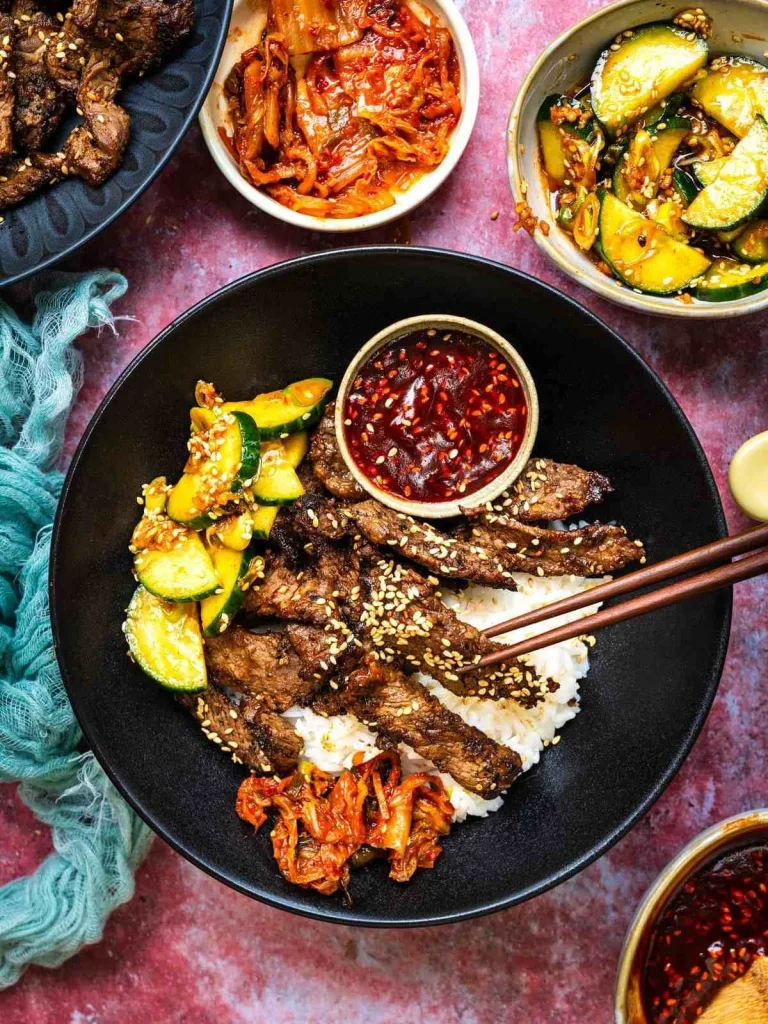
The most classic way to serve this is over thinly sliced beef ribeye or ground beef, served on top of steamed white rice with pickled cucumbers and carrots. It works amazingly well as a glaze for Korean-style meatballs; simply toss baked meatballs in the sauce and garnish with green onions and sesame seeds for a visually stunning appetizer. You can also use it to flavor a stir-fry of udon noodles and crunchy vegetables like bok choy and bell peppers, as the sauce coats the thick noodles perfectly.
Nutritional Information
Here is a quick breakdown of the nutritional profile for this sauce, keeping in mind these are estimates for small serving sizes.
- Calories: 7kcal
- Protein: 1g
- Carbohydrates: 1g
- Fat: 0.01g
Make Ahead and Storage
This sauce actually tastes better after it has had some time to sit, making it a perfect candidate for meal prepping.
Storing in the Fridge
You can keep this sauce fresh in the refrigerator for up to 3 days if stored in a sealed, airtight container. The vinegar acts as a preservative, but because of the fresh garlic, you don’t want to keep it much longer than that or the flavors will start to turn.
Freezing the Sauce
If you want to make a big batch, this sauce freezes surprisingly well for up to 3 months. I like to pour the sauce into ice cube trays, freeze them solid, and then transfer the cubes to a freezer bag so I can pop out a single serving whenever I need it.
Reheating and Restoring
When you are ready to use the sauce from the fridge, you might notice the sesame oil has solidified slightly or the ingredients have separated. This is totally normal; just let it come to room temperature and give it a vigorous whisk to bring the emulsion back together before serving.
Why You’ll Love This Recipe?
There are so many reasons why this copycat recipe has become a permanent fixture in my weekly meal rotation.
- Authentic Flavor at Home: It captures that distinct Korean BBQ taste with the perfect trifecta of salty, sweet, and spicy notes without needing a restaurant reservation.
- Incredibly Versatile: You aren’t limited to just beef; this sauce tastes amazing on chicken thighs, pork tenderloin, tofu, or even roasted vegetables like broccoli and cauliflower.
- Control Over Ingredients: Making it yourself means you can control the sodium and sugar levels, avoiding the preservatives and high fructose corn syrup often found in store-bought bottles.
- Speed and Convenience: It literally takes five minutes to throw together, which is faster than ordering takeout or even driving to the grocery store to buy a bottle of marinade.
- Customizable Heat: Unlike a pre-made bottle where you are stuck with the spice level, here you can tweak the gochujang and pepper flakes to match your exact tolerance perfectly.
