
Ham and Bean Soup Recipe
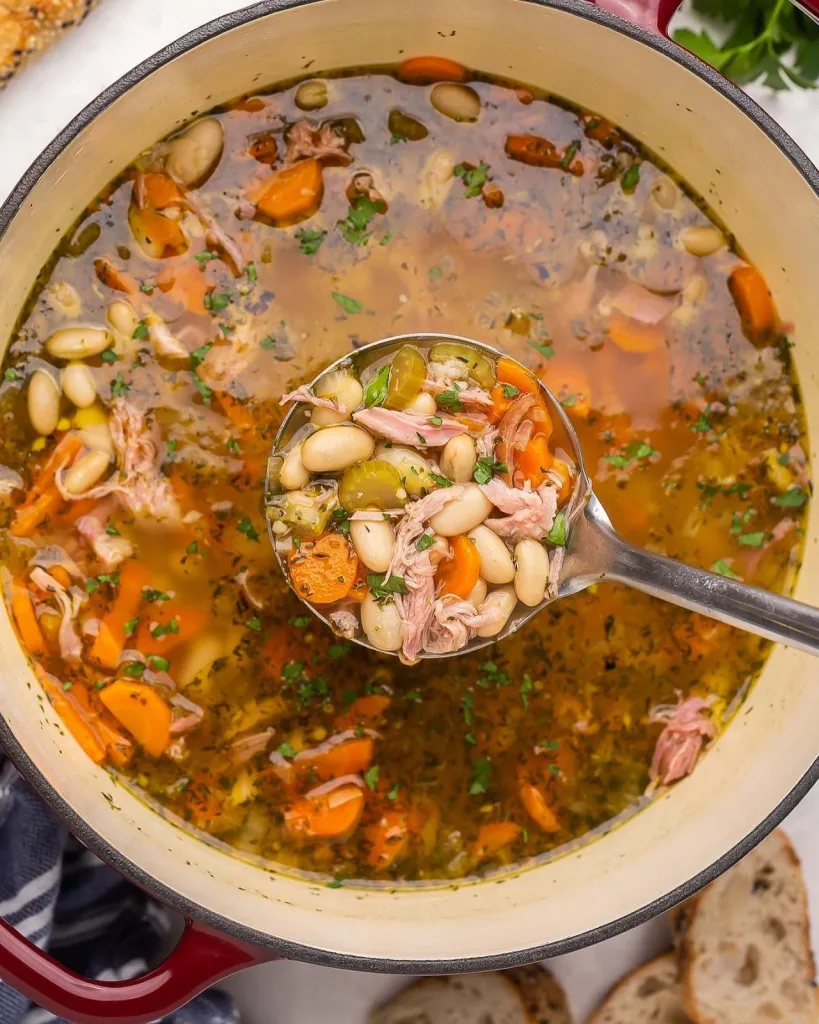
This ham and bean soup is a recipe I return to time and time again, especially when the weather starts to cool down. It’s my go-to for using up leftover holiday ham, and the result is always a rich, comforting meal that feels like a warm hug in a bowl.
The combination of tender beans, savory ham, and aromatic vegetables creates a depth of flavor that I find absolutely irresistible. This soup fills my kitchen with the most wonderful smell, and it’s a dish my whole family gets excited about.

Ingredients
Here are the ingredients you’ll need to create this hearty and flavorful soup.
- 1 lb dried Great Northern beans: I find these beans hold their shape well and become perfectly creamy. You can also use navy beans.
- 8 cups chicken or vegetable broth: Use a low-sodium version to better control the saltiness, as the ham is already salty.
- 2 cups diced cooked ham: A leftover ham bone is a fantastic addition for extra flavor; just remove it before serving.
- 1 large onion, chopped: This builds the aromatic base of the soup.
- 2 medium carrots, peeled and sliced – They add a touch of sweetness and color.
- 2 celery stalks, sliced: For that classic savory soup flavor.
- 4 cloves garlic, minced: Don’t be shy with the garlic; use fresh cloves for the best taste.
- 1 teaspoon dried thyme: This herb pairs beautifully with ham and beans.
- 2 bay leaves: Remember to remove them before serving, as they are just for flavor.
- 1/4 cup chopped fresh parsley: Added at the end for a fresh, bright finish.
- 2 tablespoons olive oil: For sautéing the vegetables.
- Salt and black pepper to taste: Adjust at the end, as the ham and broth contribute a lot of salt.
Note: This recipe makes approximately 8-10 servings.
Variations
Feel free to customize this soup to your liking with these simple variations.
- Spice it Up: Add a pinch of red pepper flakes along with the garlic for a gentle kick of heat. A diced jalapeño can also be sautéed with the onions for more spice.
- Smoky Flavor: A teaspoon of smoked paprika or a dash of liquid smoke can enhance the smokiness, especially if you’re not using a smoked ham.
- Different Beans: While Great Northern beans are classic, you can easily substitute them with pinto beans, cannellini beans, or a 15-bean soup mix for a different texture and flavor.
- Add More Veggies: Bulk up the soup by adding a cup of corn (frozen works well), diced potatoes, or chopped kale in the last 20-30 minutes of cooking.
Cooking Time
This recipe requires some patience, but the results are well worth it.
- Prep Time: 20 minutes (plus bean soaking time)
- Cooking Time: 2 hours
- Total Time: 2 hours 20 minutes
Equipment You Need
Having the right tools makes the cooking process much smoother.
- Large pot or Dutch oven: Essential for simmering the soup without worrying about overflow.
- Cutting board and sharp knife: For safely and efficiently chopping your vegetables and ham.
- Measuring cups and spoons: To ensure your ingredient ratios are accurate for the best flavor.
- Ladle: For serving the finished soup without making a mess.
How to Make Ham and Bean Soup Recipe?
Follow these simple steps to create a delicious and comforting pot of soup. This process breaks down the cooking into manageable stages, from preparing the beans to the final simmer, ensuring every ingredient contributes its maximum flavor to the finished dish.
Step 1: Prepare the Beans
First, you need to prepare the dried beans. Rinse them under cold water, picking out any debris or shriveled beans. Place the rinsed beans in a large bowl and cover them with water by at least two inches. Let them soak overnight, or for at least 8 hours.
If you’re short on time, you can use the quick-soak method: place beans in a pot, cover with water, bring to a boil for 2 minutes, then remove from heat, cover, and let stand for 1 hour. Drain and rinse the beans before using.
Step 2: Sauté the Aromatics
In your large pot or Dutch oven, heat the olive oil over medium heat. Add the chopped onion, carrots, and celery. Sauté the vegetables for about 5-7 minutes, or until the onion becomes translucent and they begin to soften.
This step, known as building a mirepoix, creates a deeply flavorful foundation for your soup. Add the minced garlic and cook for another minute until fragrant, being careful not to let it burn.
Step 3: Simmer the Soup
Add the soaked and drained beans, diced ham, chicken broth, thyme, and bay leaves to the pot with the sautéed vegetables. Stir everything together and bring the mixture to a boil.
Once boiling, reduce the heat to low, cover the pot, and let the soup simmer gently for about 1.5 to 2 hours. The beans should be tender and the flavors well-melded. If you’re using a ham bone, add it at this stage.
Step 4: Finish and Serve
Once the beans are tender, remove the bay leaves (and the ham bone, if you used one). If desired, you can shred any meat from the bone and return it to the soup. Stir in the fresh parsley. Give the soup a taste and season with salt and black pepper as needed.
I find it’s best to wait until the end to adjust the salt, as the ham and broth can be quite salty on their own. Let it sit for a few minutes before serving to allow the parsley’s freshness to infuse the soup.
Additional Tips for Making This Recipe Better
Over the years, I’ve picked up a few tricks that take this soup from great to amazing.
- I always try to use a leftover ham bone if I have one. It adds an incredible depth of flavor that you just can’t get from diced ham alone. I just let it simmer with the soup and remove it at the end.
- To thicken the soup naturally, I take about a cup of the cooked beans and broth, mash them with a fork or blend them, and then stir the mixture back into the pot. This creates a creamier consistency without adding any flour or cornstarch.
- A small squeeze of lemon juice or a splash of apple cider vinegar stirred in right before serving really brightens up all the flavors. I find it cuts through the richness of the ham perfectly.
- Don’t skip sautéing the vegetables. I’ve tried just dumping everything in the pot before, and the flavor is noticeably less complex. Taking those few extra minutes to soften the aromatics makes a huge difference.
How to Serve Ham and Bean Soup Recipe?
This soup is a hearty meal on its own, but a few simple touches can make it even better. I love serving it in deep, rustic bowls to emphasize its comforting nature. A slice of crusty bread or a warm cornbread muffin on the side is a must for dipping.
For garnish, a sprinkle of extra fresh parsley adds a pop of color and freshness. You can also offer a dollop of sour cream or some shredded cheddar cheese on top for extra creaminess.
Nutritional Information
Here is an approximate nutritional breakdown per serving for this recipe.
- Calories: Around 350-450 kcal
- Protein: Approximately 25-30g
- Carbohydrates: Roughly 45-55g
- Fat: About 8-12g
Make Ahead and Storage
This soup is a fantastic make-ahead meal, as the flavors continue to develop over time.
For storing, allow the soup to cool completely before transferring it to an airtight container. It will stay fresh in the refrigerator for up to 4-5 days.
To freeze this soup, let it cool and then pour it into freezer-safe containers or bags, leaving a little space at the top for expansion. It can be frozen for up to 3 months. Thaw it in the refrigerator overnight before reheating.
To reheat, gently warm the soup on the stovetop over medium-low heat until it is heated through, stirring occasionally. You may need to add a splash of broth or water to thin it out, as it can thicken upon standing.
Why You’ll Love This Recipe
There are so many reasons this simple soup has become a staple in my kitchen.
- It’s incredibly budget-friendly. Using dried beans and leftover ham makes this a very economical meal that can feed a crowd without breaking the bank.
- The flavor is rich and satisfying. This soup tastes like it has been simmering all day, developing a deep, savory flavor that is pure comfort food.
- It’s a perfect make-ahead meal. The flavors get even better the next day, making it an ideal recipe for meal prep or for having leftovers ready for a quick lunch.
- The recipe is easily adaptable. You can easily add more vegetables, use different beans, or adjust the seasonings to make it your own. It’s a great base recipe to experiment with.