Chicken Saganaki Recipe
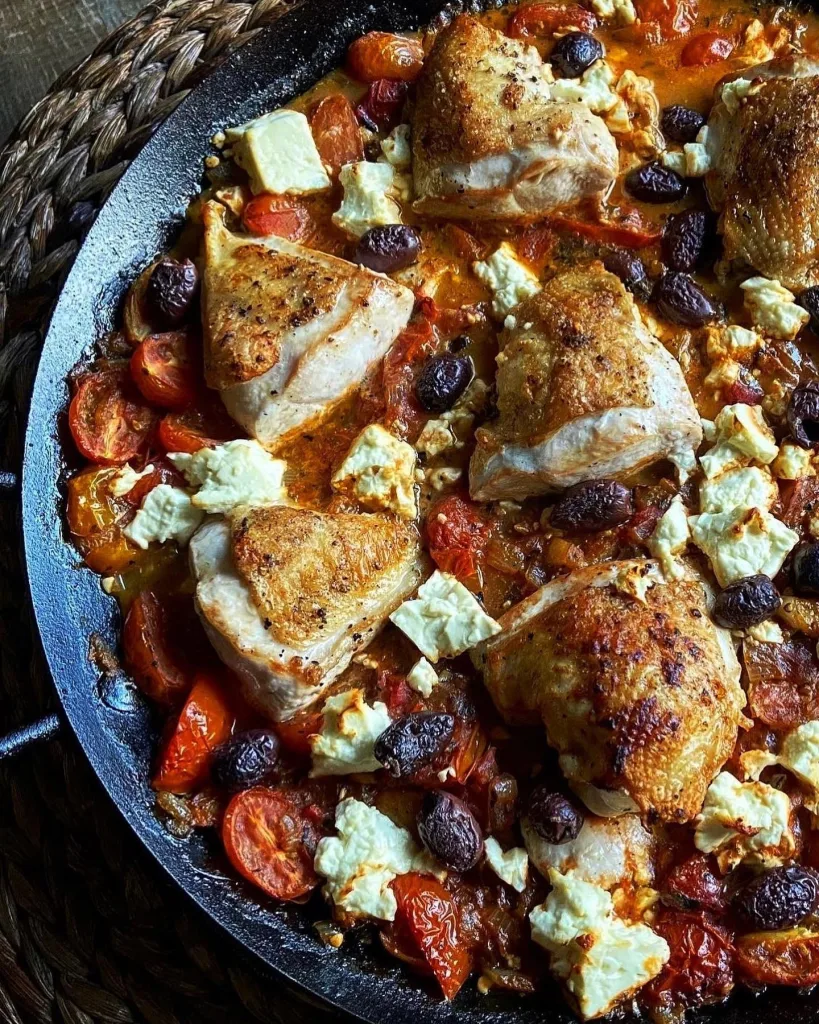
I still remember the first time I made this Chicken Saganaki Recipe, and it was a Tuesday night, I had chicken tenderloins in the fridge and a craving for something bold and comforting. One pan, thirty minutes, and a generous crumble of Greek feta later, I had a meal that felt straight out of a seaside taverna.
Chicken Saganaki has since become one of my most-cooked recipes, and honestly, I’m not surprised. The combination of rich tomato sauce, fragrant garlic, warming chilli, and creamy feta is the kind of thing that makes you go back for seconds every single time.
Ingredients
Here’s what you’ll need to make Chicken Saganaki. I’ve kept the list simple and included a few notes to help you get the most out of each ingredient.
- 60ml olive oil: use a good-quality extra virgin olive oil here; it forms the flavor base of the sauce, so it’s worth using one you enjoy eating.
- 3 garlic cloves: finely minced or grated; garlic is the backbone of this dish, so don’t skimp on it.
- 1 red onion: diced; red onion adds a mild sweetness that softens beautifully as it cooks down in the oil.
- 1/4 tsp dried chilli flakes: just enough to add warmth without overpowering the dish; feel free to adjust to your heat preference.
- 8 slices artisan cheese bread: this is what you’ll chargrill and serve alongside the chicken; the cheese in the bread melts slightly and pairs perfectly with the tomato sauce.
- 600g chicken tenderloins, halved crossways: tenderloins cook quickly and stay juicy, making them ideal for this recipe; halving them helps them absorb more sauce.
- 2 x 400g cans diced tomatoes: canned tomatoes work brilliantly here and give you a rich, consistent sauce; choose a good-quality brand if you can.
- 125ml cold water: this thins the sauce slightly so it doesn’t reduce too quickly during cooking.
- 1 tsp dried oregano leaves: a classic Mediterranean herb that adds depth and earthiness to the tomato base.
- 100g Greek feta, crumbled: go for authentic Greek feta if possible; it has a firmer texture and saltier, creamier flavor than imitation varieties.
- 1/4 cup chopped fresh continental parsley: added at the end for freshness and color; don’t skip it.
- Mixed salad leaves, to serve: a simple side that balances the richness of the dish.
Note: This recipe serves 4.
Variations
This recipe is wonderfully flexible. Here are a few ways I’ve adapted it depending on what I had on hand or who I was cooking for.
- Dairy-free: Skip the feta entirely or substitute it with a dairy-free feta alternative made from tofu or cashew. You’ll lose a little of the creaminess, but the tomato sauce is flavorful enough to carry the dish on its own.
- Sugar-free: This recipe contains no added sugar, so it’s already suitable for sugar-free diets. If your canned tomatoes contain added sugar, switch to a no-added-sugar variety.
- Flavor-enhancing add-ins: A splash of dry white wine added after the onion softens brings a beautiful depth to the sauce. Kalamata olives or capers stirred in toward the end add a briny, savory punch that complements the feta beautifully.
- Alternative ingredient options: If you can’t find chicken tenderloins, boneless chicken thighs work just as well—just slice them into similar-sized pieces. No artisan cheese bread? A good sourdough or crusty ciabatta chargrilled with olive oil and a sprinkle of parmesan is a great substitute.
Cooking Time
- Prep Time: 10 minutes
- Cooking Time: 20 minutes
- Total Time: 30 minutes
Equipment You Need
- Large, deep frying pan or skillet: used to cook the chicken and build the tomato sauce all in one vessel.
- Wooden spoon or silicone spatula: for stirring the sauce and scraping up any caramelized bits from the pan.
- Sharp knife and cutting board: for prepping the onion, garlic, and chicken.
- Grill pan or sandwich press: for chargrilling the artisan cheese bread until golden.
- Measuring cups and spoons: for accurate ingredient quantities.
How to Make Chicken Saganaki?
Making Chicken Saganaki is simpler than it looks, and once you’ve done it once, you’ll have the process memorized. The key is building flavor at each stage—taking a few extra minutes with the onion and garlic makes a real difference to the finished dish. I always have everything prepped and measured before I turn on the heat, which keeps things moving smoothly.
Step 1: Sauté the Aromatics
Heat the olive oil in a large, deep frying pan over medium heat. Add the diced red onion and cook, stirring occasionally, for about 3–4 minutes until softened and just starting to turn translucent. Add the minced garlic and dried chilli flakes and cook for another minute, stirring constantly so the garlic doesn’t burn.
Step 2: Sear the Chicken
Increase the heat to medium-high and add the chicken tenderloins to the pan in a single layer. Cook for 2–3 minutes on each side until lightly golden on the outside. The chicken doesn’t need to be fully cooked through at this stage—it will finish cooking in the sauce.
Step 3: Build the Tomato Sauce
Pour in the two cans of diced tomatoes along with 125ml of cold water. Stir in the dried oregano and season with salt and pepper to taste. Bring the mixture to a gentle boil, then reduce the heat to medium-low and let it simmer for 10–12 minutes, stirring occasionally, until the sauce has thickened and the chicken is cooked through.
Step 4: Add the Feta and Parsley
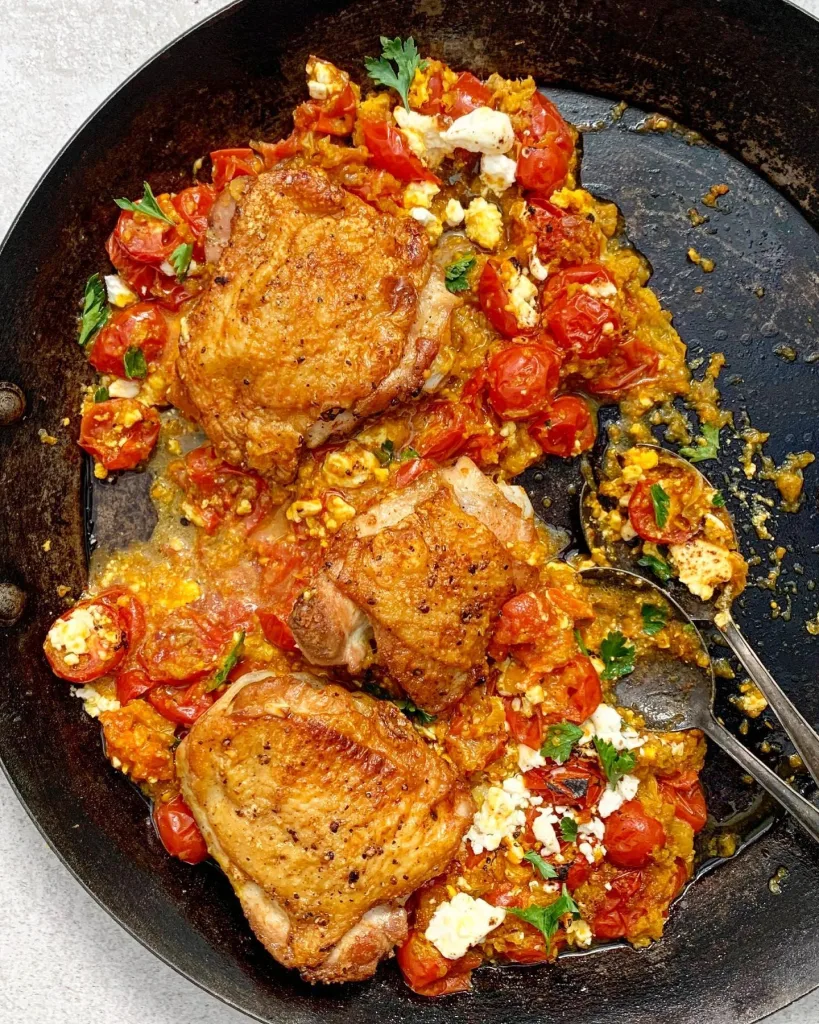
Remove the pan from the heat and scatter the crumbled Greek feta evenly over the top of the chicken and sauce. Follow with the chopped fresh parsley. The feta will soften slightly from the heat of the sauce without fully melting, giving you pockets of creamy, salty goodness throughout.
Step 5: Chargrill the Bread
While the sauce is simmering, heat a grill pan over high heat. Add the artisan cheese bread slices and grill for 1–2 minutes on each side until golden grill marks appear and the cheese in the bread is slightly melted. Serve immediately alongside the Chicken Saganaki.

Additional Tips for Making this Recipe Better
A few things I’ve learned after making this dish many times over:
- I always use room-temperature chicken rather than cold straight from the fridge—it sears more evenly and cooks faster in the sauce.
- In my experience, crumbling the feta by hand (rather than using pre-crumbled feta) gives you better texture and a fresher flavor.
- I’ve found that letting the sauce reduce a little longer than you think it needs gives you a richer, more concentrated result—don’t rush it.
- When I want to add extra depth, I deglaze the pan with a splash of white wine just before adding the tomatoes; it makes a noticeable difference.
- I always taste the sauce before adding the feta, since feta is quite salty on its own—this way I avoid over-seasoning the dish.
- If I’m serving guests, I like to transfer the pan to the oven at 180°C for the last 5 minutes to give the feta a slightly golden finish on top.
How to Serve Chicken Saganaki?
This dish is made for sharing. I like to bring the pan straight to the table and let everyone serve themselves—it feels relaxed and generous, which suits the Mediterranean spirit of the recipe perfectly.
Spoon the chicken and sauce generously into shallow bowls or onto wide plates. Arrange the chargrilled cheese bread on the side for dipping into that rich tomato sauce (trust me, you’ll want every last drop). Add a handful of mixed salad leaves alongside for freshness and color.
For garnishing, a little extra crumbled feta on top never goes astray, and a light drizzle of olive oil adds a glossy, restaurant-quality finish. Fresh parsley or even a few fresh oregano leaves scattered over the top make it look as good as it tastes. A wedge of lemon on the side is a nice touch too—a small squeeze brightens everything up beautifully.
Nutritional Information
Here’s a breakdown of the nutritional values per serving. Keep in mind that the bread and salad are included in these figures.
- Calories: Each serving comes in at 637 calories, making it a satisfying, well-rounded meal.
- Protein: At 50g of protein per serving, this dish is a great high-protein option for active individuals.
- Carbohydrates: Each serving contains 38g of carbohydrates, largely from the artisan cheese bread.
- Fat: With 31g of fat per serving, primarily from the olive oil and feta, this dish is rich but nutritionally balanced.
Make Ahead and Storage
One of the things I appreciate most about this recipe is how well it holds up after cooking.
Storing: Once cooled, transfer leftover Chicken Saganaki to an airtight container and refrigerate for up to 3 days. The sauce actually deepens in flavor overnight, so leftovers are genuinely worth looking forward to. Store the bread separately to keep it from going soggy.
Freezing: The chicken and tomato sauce freeze well for up to 2 months. I recommend freezing without the feta and adding it fresh when reheating, as feta can become grainy after freezing. Portion the sauce into freezer-safe containers for easy individual servings.
Reheating: Reheat the chicken and sauce in a covered saucepan over medium-low heat, adding a splash of water if the sauce has thickened too much. Stir gently and heat until warmed through. Chargrill fresh bread to serve alongside rather than reheating leftovers.
Why You’ll Love This Recipe?
If you need a few more reasons to give this one a go, here they are.
- It’s a genuine 30-minute meal. With only 10 minutes of prep and 20 minutes of cooking, this recipe fits into even the busiest weeknights without any compromise on flavor. No long marinating times, no complex techniques—just good, honest food on the table fast.
- The flavor is next-level for the effort involved. The combination of slow-softened onion, garlic, chilli, and oregano in a rich tomato base creates a sauce that tastes like it took hours. Topped with creamy Greek feta, the result is bold, complex, and deeply satisfying.
- It’s a one-pan dish. Everything except the bread is cooked in a single pan, which means less washing up and more time enjoying your meal. I’m always grateful for that at the end of a long day.
- It’s endlessly adaptable. Whether you’re cooking for dietary restrictions, a different flavor profile, or just using what’s in the fridge, this recipe handles substitutions gracefully. Dairy-free, gluten-free (swap the bread), extra spicy—it all works.
- It feels special enough to serve to guests. The crumbled feta, vibrant sauce, and chargrilled bread make this dish look beautiful on the table. I’ve served it at dinner parties to rave reviews, and nobody ever guesses how simple it was to make.