
Camping Site: 10 Hidden Gems for a Relaxing Nature Break
Let me guess you’re planning a camping trip but can’t stop wondering how to pick the perfect camping site? You’re not alone. Every camper (including me!) has stared at maps, reviews, and campsites wondering, “Will this actually feel peaceful or end up next to a noisy family reunion?” 😂
As someone who has camped everywhere from forest clearings to windy cliff edges, I can tell you this: the right Camping Site makes or breaks the whole experience. A great spot feels magical, safe, comfortable, and scenic. A bad one? Well… let’s just say I’ve once woken up with goats chewing my shoe. True story.
So today, consider me your camping buddy. Let’s talk through everything you need to know — simply, casually, and like two friends swapping tips over a cup of campfire chai.

What Makes a Great Camping Site?
Before diving into locations and gear, let’s talk about what actually defines a good camping site.
Key Qualities of an Ideal Spot
A great campsite usually offers:
- Safety: No loose branches, flooding risks, or unsafe wildlife zones.
- Comfortable terrain: Flat ground with minimal rocks for easy tent pitching.
- Accessibility: Uncomplicated paths that don’t require you to drag heavy gear for miles.
- Privacy: Enough distance from other campers to feel relaxed.
- Natural beauty: Forest, lake, mountains, or sky views (because vibes matter).
If a spot checks these boxes, you’re off to a pretty great start.
Ask Yourself Before Choosing
To make the decision easier, consider:
- Do you prefer solitude or a social space?
- How far are you willing to walk from your car?
- Do you want water sources nearby?
- Is weather a concern at this time of year?
These little questions help you match the site to your comfort level not just to Instagram aesthetics.
Types of Camping Sites You Can Choose From
Not all camping spots are the same. IMO, your camping style should match your personality. Want luxury vibes? Want rugged adventure? There’s a campsite for everyone.
1. Established Campgrounds
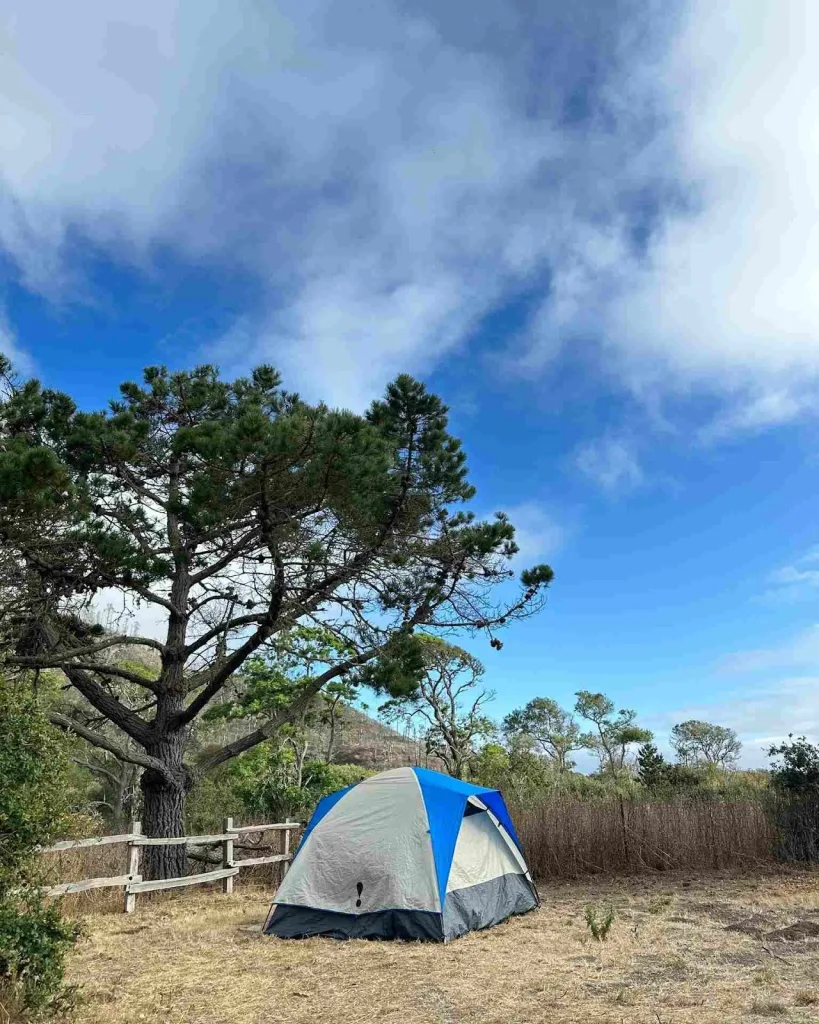
These are the most beginner-friendly options.
- Designated tents pads
- Fire rings
- Picnic tables
- Bathrooms or latrines
- Nearby parking
Why choose this:
Perfect for new campers or families who want comfort without hassle.
Downside:
Can get crowded, especially during holidays.
2. Backcountry or Wilderness Camping
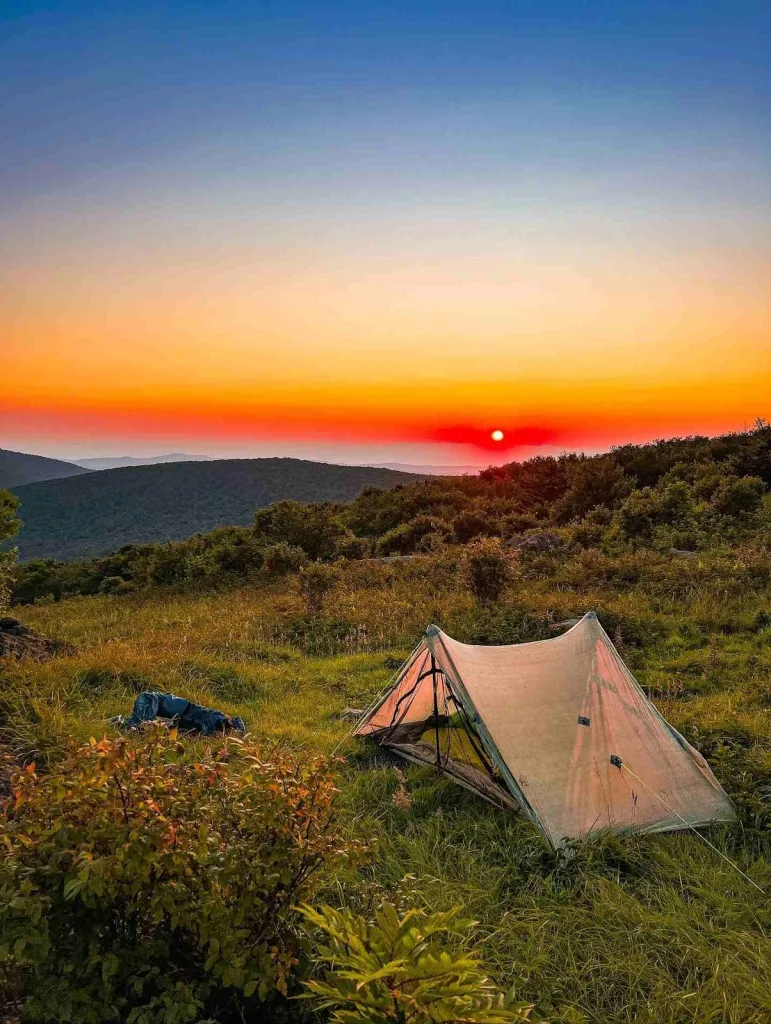
This is for people who want solitude and adventure.
Expect:
- Zero facilities
- Long hiking distances
- Untouched natural surroundings
Why choose this:
You want peace, quiet, and a deeper connection with nature.
Downside:
Not ideal for beginners unless you go with someone experienced.
3. Beach or Coastal Camping

Salt air, waves, and sunrise light need I say more?
Pros:
- Stunning views
- Great photography potential
- Calming environment
Cons:
- Windy weather
- Sand everywhere (EVERYWHERE 😅)
- Tides can be unpredictable
4. Mountain or High-Altitude Sites
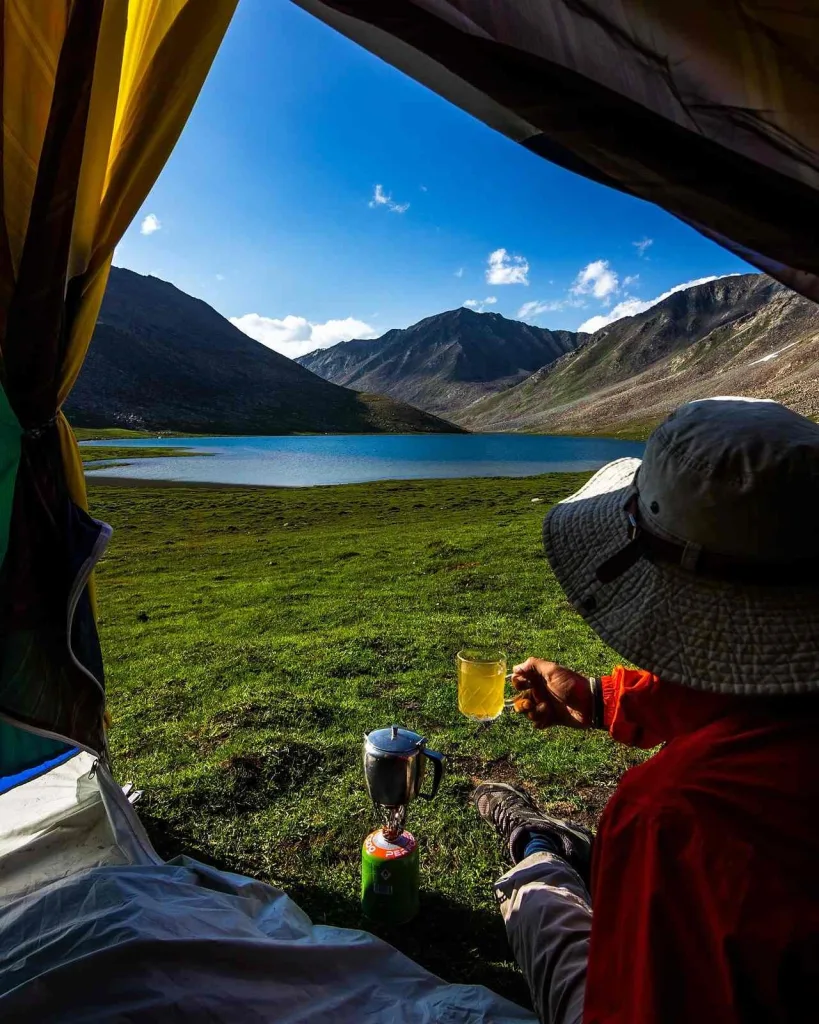
These spots feel cinematic.
Expect:
- Crisp air
- Dramatic landscapes
- Cooler temperatures
Warning:
Nights get cold fast. Pack layers!
5. Private / Glamping Sites

If you want comfort with style, private campsites are your best friend.
They often include:
- Pre-set canvas tents
- Beds or mattresses
- Decor and string lights
- Fire pits and sometimes toilets
This is camping with a luxury twist. No shame, it’s fun and aesthetic.
How to Choose the Best Camping Site for Your Trip
Beyond knowing the types of campsites, let’s break down how to pick one that actually works for you.
Consider Your Camping Goals
Different trips need different setups:
- Adventure weekend? Choose the backcountry or mountains.
- Relaxing getaway? Go to lakeside or forest camps.
- Romantic night? A private or secluded area works best.
- Family trip? Established campgrounds are safer and easier.
Knowing your purpose helps you avoid mismatched expectations.
Think About Weather
Weather is one of the biggest decision factors.
- If it’s hot: Choose shaded forest sites or breezy coastal locations.
- If it’s cold: Pick sheltered areas. Avoid hilltops unless you’re well-prepared.
- If rain is expected: Choose well-drained ground, not dips or depressions.
Because trust me, waking up floating inside your tent is not fun.
Check Water Availability
Water makes camping smooth.
Ask:
- Is there a stream?
- A nearby pump?
- Do I need to bring all the drinking and cooking water myself?
Water access affects weight, gear, and your whole experience.
Essential Features to Look for at Any Camping Site
Some details seem small but make a huge difference.
1. Flat, Even Ground
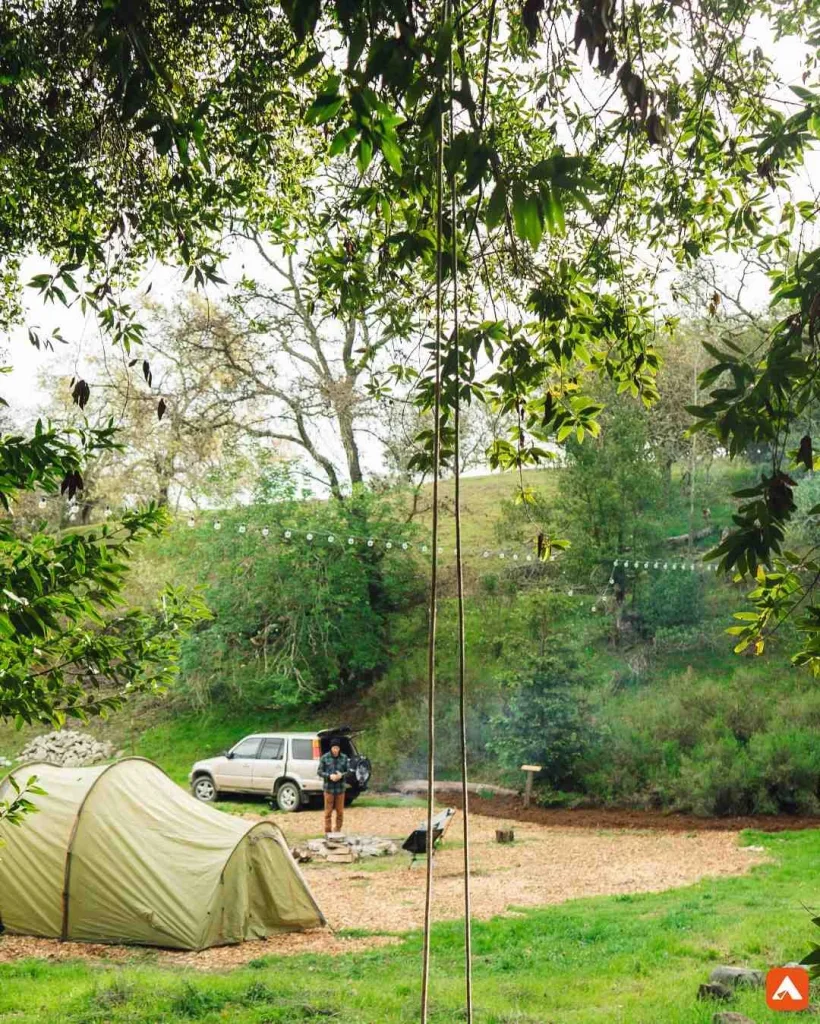
This is non-negotiable.
Sleeping on a slope means sliding down all night.
2. Distance From Water (But Not Too Far)

Ideal distance: 60–70 meters away.
Close enough for convenience, far enough to avoid flooding or animals.
3. Natural Wind Protection
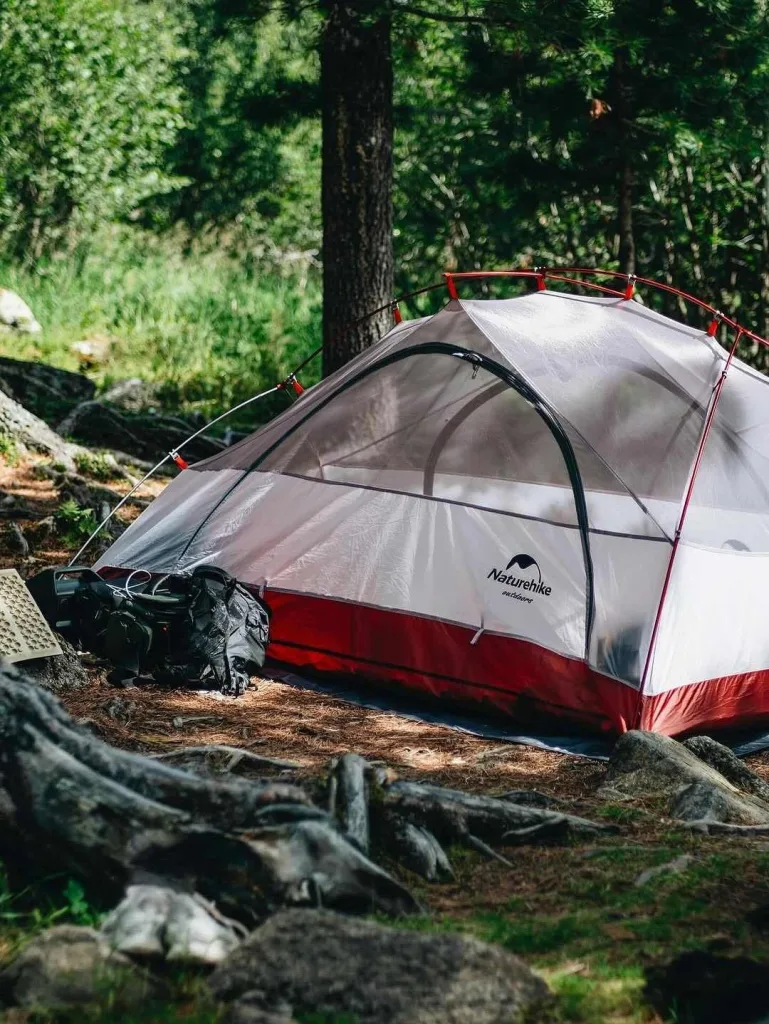
Look for:
- Bushes
- Large rocks
- Tree lines
These block harsh winds and create a cozy, safe atmosphere.
4. Tree Cover (But Safe Ones)
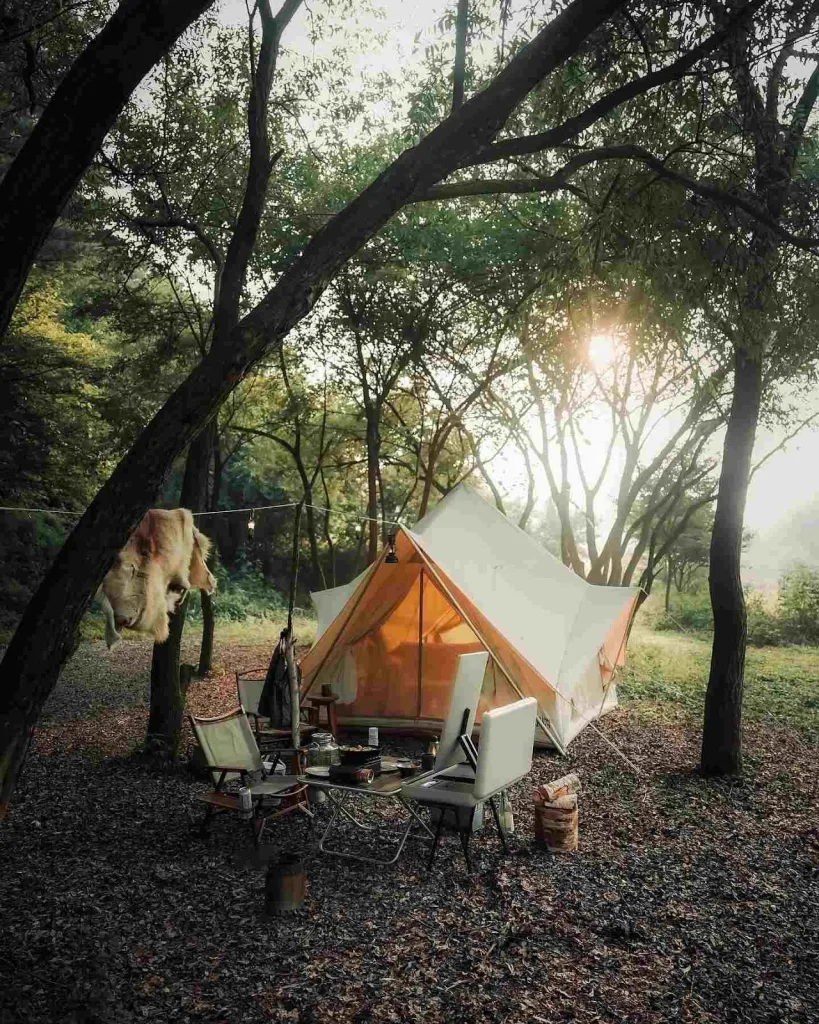
Trees help with shade and hammock setups.
Avoid:
- Dead branches
- Leaning trunks
- Old, hollow trees
These can fall during winds.
5. Fire Safety Zone

Check:
- Fire ring availability
- Enough clear space around the site
- Local rules (FYI: some areas ban fires in summer)
6. Wildlife Considerations
Look for signs of:
- Scat
- Burrows
- Tracks
You don’t want to set up next to a bear’s favorite trail.
Camping Gear That Complements Any Camping Site
Even the best spot feels terrible without the right equipment.
Tent Considerations
Choose a tent that is:
- Weather-appropriate
- Easy to set up
- Spacious enough for comfort
A 2-person tent is fine, but a 3-person tent gives extra space.
Sleeping Gear
For a good night’s rest, bring:
- Sleeping bags rated for nighttime temps
- Sleeping pads or inflatable mats
- Compact pillows
These basics turn rough terrain into comfort.
Lighting Essentials
Try to carry:
- LED lanterns
- Headlamps
- Small string lights (for warm ambiance)
Lighting completely changes the mood of your campsite.
Cooking Setup
Depending on the rules of the site:
- Portable stove
- Fire grill
- Mess kit
- Lightweight cookware
Having the right tools makes cooking fun rather than frustrating.
Common Mistakes Campers Make When Choosing a Site
Let’s save you from avoidable stress.
- Camping Too Close to Other Groups: It kills privacy and peace. Pick a site at least a few meters away from others.
- Ignoring Shade and Wind Direction: A few degrees of sunlight or wind can change your entire experience.
- Forgetting to Check Ground Quality: Soft soil? Your tent won’t stay stable. Rocky ground? Your back will hate you later.
- Not Checking Local Regulations: Some areas require permits or have fire bans. A quick check saves trouble.
How to Make Any Camping Site Feel Cozy and Personal
Whatever camping site you choose, you can enhance the vibe with small touches.
Add Warm Lighting
Nothing beats:
- Soft lanterns
- Twinkle lights
- Candle-style lamps
Warm light = cozy mood.
Bring Soft Textures
Blankets, mats, cushions, simple but effective.
Keep It Organized
Clutter stresses you out subconsciously.
A clean camp looks prettier and feels calmer.
Create a Hangout Zone
Add two chairs facing nature.
It becomes your morning coffee spot, reading zone, or star-watching seat.
Safety Tips for Any Camping Site
Let’s keep things safe so you can enjoy the experience without worries. Always:
- Check weather forecast
- Keep food secured
- Know the nearest exit route
- Store trash properly
- Use fire responsibly
- Carry a first-aid kit
Invisible preparation = visible peace.
Conclusion: Explore, Unwind & Enjoy
Finding the right camping site isn’t just about maps or listings. It’s about knowing what you want — peace, adventure, scenery, comfort — and choosing a spot that matches your vibe. With the right location, thoughtful setup, and a little prep, you can turn any outdoor space into a memorable retreat.
So go ahead, pack your tent, your snacks, and your sense of wonder. Your perfect camping site is out there waiting for you. And hey, if you end up waking to goats chewing your shoes… at least it’s a story worth telling IMO 😉
Happy camping, friend. 🌲🔥
Check Out Some Similar Posts About Camping;
- Couple Camping Aesthetic: 10 Dreamy Ways to Make Your Campsite Feel Romantic
- Beach Camping Aesthetic: 10 Aesthetic Moments to Creating Coastal Magic Outdoors
- Aesthetic Camping: Your Guide to the Most Beautiful Outdoor Experience
- Camping Photos: 10 Cozy Camp Moments W
- Nature Camping: 10 Ideas for Reconnecting with the Wild
- Camping Resort: 10 Family-Friendly Getaways Surrounded by Nature
- Summer Camping Aesthetic: 10 Inspiring Ideas for Nature Lovers
- Camping Stickers: 10 Cute Outdoor Designs for Adventure Lovers


