
Bubur Kacang Hijau Recipe
I recently whipped up a batch of this comforting Bubur Kacang Hijau Recipe, and honestly, the aroma of pandan and coconut milk filled my kitchen with such warmth.
It reminded me that sometimes the simplest desserts are truly the most satisfying, especially on a rainy afternoon.
There is something so rewarding about watching hard mung beans transform into a creamy, sweet porridge that feels like a hug in a bowl.
I can’t wait to share this traditional favorite with you because it’s incredibly easy to pull off at home. Trust me, once you try this homemade version, you’ll be making it on repeat for your family too.
Ingredients
Here are the key ingredients you’ll need to create this rich, creamy dessert. I always recommend using the best quality items you can find for the most authentic flavor.
- 200g Mung Beans (whole): These are the small green beans you need to rinse well; make sure to get the unhusked kind for the right texture.
- 2L Water (for soaking): Using plenty of water helps the beans expand fully overnight, which is crucial for reducing cooking time later.
- 1.5L Water (for cooking): This amount ensures the beans have enough liquid to boil down into a soft consistency without burning.
- 2 Pandan Leaves: Tie these into a knot before adding them; fresh leaves give a far superior aroma compared to extracts.
- 100g Gula Melaka (Dark Palm Sugar): This provides that signature caramel-like sweetness; if you can find the dark blocks, shave them down for easier melting.
- 60g White Sugar: This helps balance the sweetness without overpowering the deep molasses flavor of the palm sugar.
- 400ml Coconut Milk: I prefer full-fat canned coconut milk for a richer consistency, but fresh is even better if you can get it.
- 1 small pinch Salt: A tiny bit of salt is the secret weapon here; it pops the sweetness and cuts through the richness of the coconut.
Note: This recipe yields approximately 3-4 hearty servings.
Variations
If you want to tweak this recipe to suit different diets or tastes, there are plenty of easy swaps.
- Dairy-Free: The original recipe is naturally dairy-free since it uses coconut milk, but you could try oat milk for a lighter, nuttier twist.
- Sugar-Free Option: Swap the Gula Melaka and white sugar for a monk fruit sweetener or stevia, though the caramel flavor will be lighter.
- Add-Ins: Toss in some sago pearls during the last 15 minutes of cooking for a fun, chewy texture contrast.
- Durian Lover’s Twist: For those who enjoy the bold flavor, adding a pod of durian near the end creates a rich, creamy, and pungent variation.
Cooking Time
Here is a quick breakdown of how much time you’ll need to set aside for this recipe.
- Prep Time: 10 minutes (plus overnight soaking)
- Cooking Time: 1 hour 20 minutes
- Total Time: 1 hour 30 minutes
Equipment You Need
You don’t need fancy gadgets for this, just a few kitchen basics will do the trick.
- Large Bowl: Essential for soaking the beans overnight with plenty of water.
- Large Heavy-Bottomed Pot: Prevents the beans and sugar from scorching at the bottom during the long simmer.
- Colander or Sieve: Used for draining and rinsing the beans after soaking.
- Wooden Spoon: Perfect for stirring the mixture gently without breaking up the beans too much.
How to Make Bubur Kacang Hijau Recipe?
Here is the step-by-step process to get that perfect creamy consistency.
Preparing the Beans
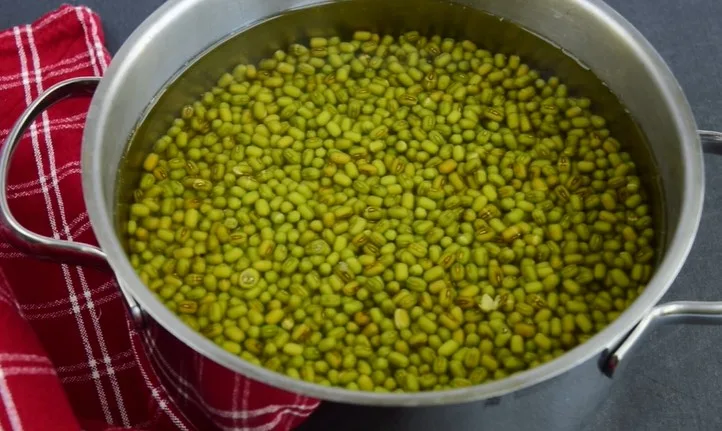
Start by giving your mung beans a good rinse under cold water to remove any dust or debris, then place them in a large bowl. Cover them with about 2 liters of water and let them sit on your counter overnight, or for at least 4 hours. This soaking step is vital because it softens the beans significantly, ensuring they cook evenly and become tender much faster than if you started with dry beans.
Boiling the Beans
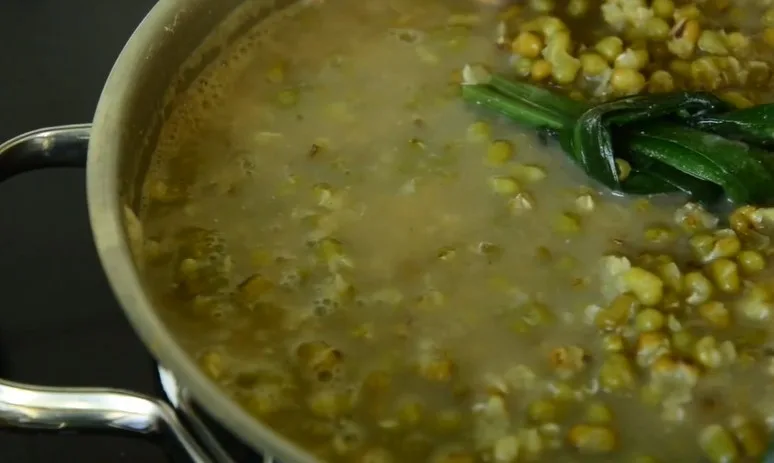
Once your beans have soaked, drain the soaking water and give them another quick rinse before transferring them to your pot. Add the 1.5 liters of fresh water, bring the heat up to high, and let it come to a rolling boil. Skim off any white foam that rises to the top, then toss in your knotted pandan leaves, reducing the heat to a gentle simmer to let the flavors infuse slowly.
Sweetening the Porridge
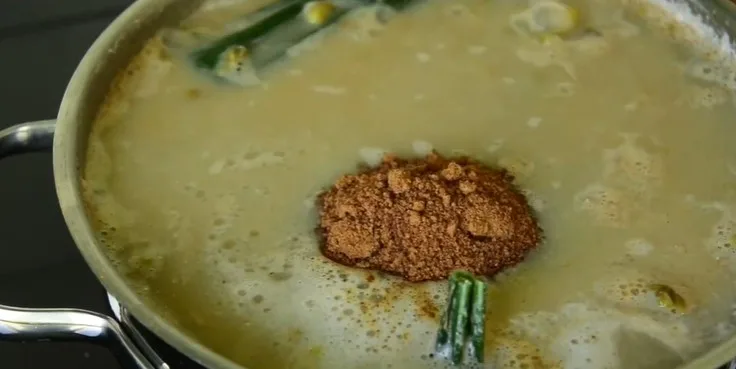
After simmering for about an hour, check that the beans have split open and are soft to the touch. Now, add both the Gula Melaka and white sugar, stirring continuously until everything has dissolved completely into the hot liquid. It’s important to add the sugar only after the beans are soft, as adding it too early can sometimes prevent the beans from softening properly.
Adding the Creaminess
Finally, pour in most of your coconut milk, reserving a little bit for garnish if you like, and add that pinch of salt. Let the pot simmer gently for another 10 minutes so the coconut milk thickens the soup slightly and the flavors meld together beautifully. Turn off the heat and let it rest for a few minutes; the porridge will continue to thicken as it cools down, ready for serving.

Additional Tips for Making this Recipe Better
Based on my experience making this, here are a few things that really elevate the final dish.
- I always double-check the water level during the boiling phase because if it gets too low, the beans can stick to the pot quickly.
- For me, the texture is best when about half the beans have completely broken down, so I sometimes use a potato masher to lightly crush them in the pot.
- I find that using premium quality Gula Melaka makes a massive difference; the cheap stuff just tastes like brown sugar, but the real deal has complex toffee notes.
- I suggest adding a slice of fresh ginger if you want a subtle warmth that cuts through the sweetness, especially on cold days.
How to Serve Bubur Kacang Hijau Recipe?
You can serve this porridge hot straight from the pot, which is my personal preference, or chilled for a refreshing treat on a hot day. Ladle it into small bowls and drizzle the reserved thick coconut milk over the top to create a beautiful white swirl against the dark soup. For a bit of crunch, you can garnish with toasted sesame seeds or even serve it alongside a piece of fried dough (youtiao) for dipping.

Nutritional Information
Here is a quick look at the nutritional profile per serving to help you track your intake.
- Calories: 501 kcal
- Protein: 14g
- Carbohydrates: 71g
- Fat: 21g
Make Ahead and Storage
If you have leftovers, this dish stores surprisingly well for later enjoyment.
Refrigerating
You can keep the cooled porridge in an airtight container in the fridge for up to 3 days. It will thicken significantly as it chills, almost becoming pudding-like.
Freezing
I don’t recommend freezing this dish once the coconut milk is added, as the texture can become grainy and split upon thawing. It is best enjoyed fresh or from the fridge.
Reheating
To reheat, place the porridge in a saucepan over low heat and splash in a little water or extra coconut milk to loosen the consistency. Stir gently until it is warmed through completely.
Why You’ll Love This Recipe?
There are so many reasons this traditional dessert deserves a spot in your recipe rotation.
- Incredibly Comforting: The warm, sweet, and creamy texture provides instant comfort and nostalgia in every spoonful.
- Budget-Friendly: Mung beans are very affordable, making this an economical dessert that feeds a whole family easily.
- Naturally Vegan: It’s a fantastic plant-based dessert option that doesn’t require any weird substitutions or expensive ingredients.
- Customizable Sweetness: You have total control over the sugar levels, so you can make it as decadent or as light as you prefer.
- Nutrient-Dense: Unlike many empty-calorie desserts, mung beans provide a good dose of protein and fiber.