Ride and Reveal: How Windsurfing Shows the Ocean’s Secrets
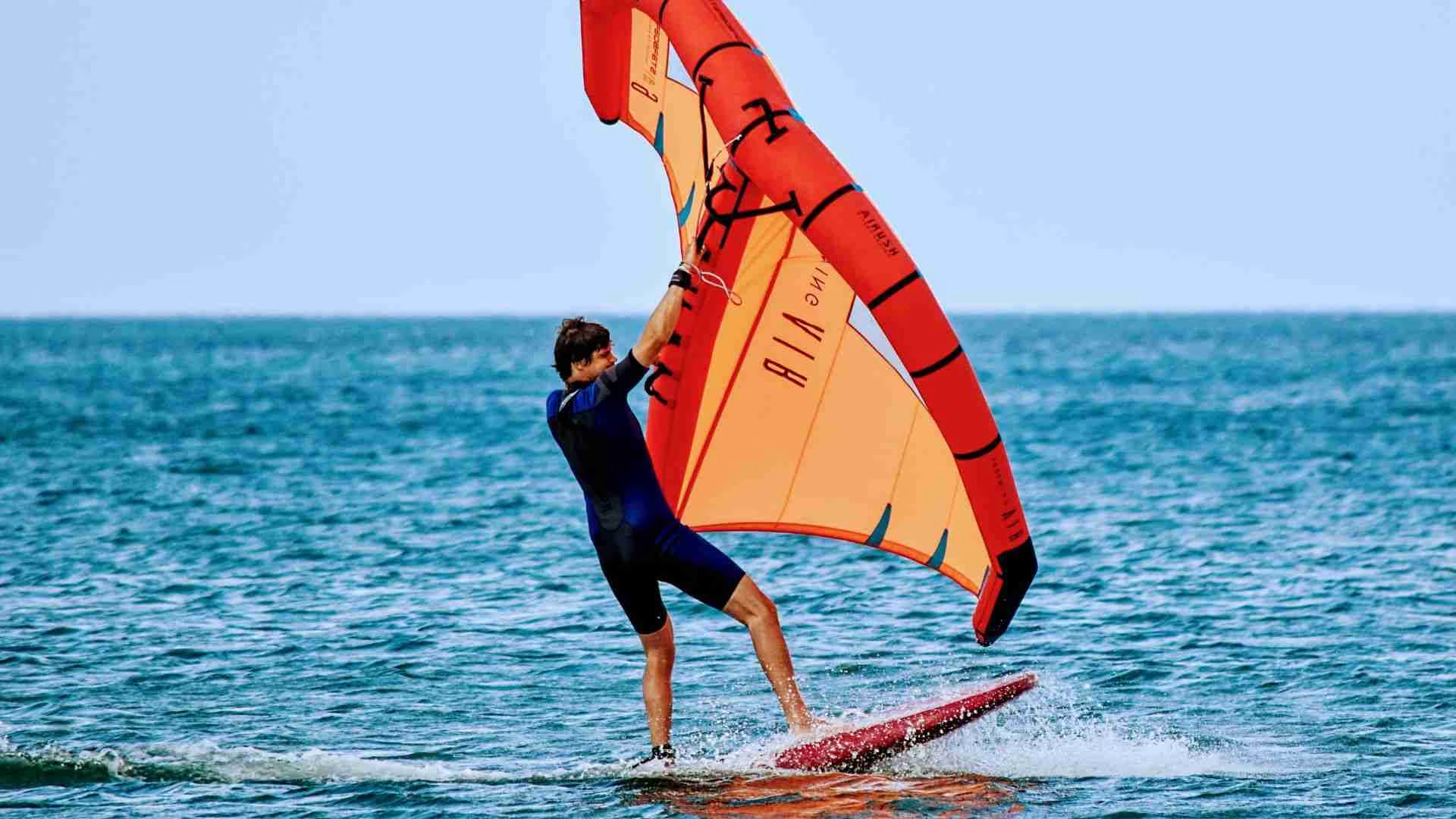
The ocean hides its patterns in plain sight. Most beachgoers watch from shore and miss what the water tells them. But when you stand on a windsurf board with a sail in your hands, the sea becomes readable. Every gust leaves marks on the surface.
Every current shows itself through color and texture. There is no better way to explore the ocean than windsurfing because you feel wind shifts in your sail and water texture under your feet.
Getting Started With Windsurfing
Getting started takes less gear than you might think. You need a board, a sail, and a wetsuit for cooler days. Finding the right equipment matters, and a wind sports shop that makes gearing up easy can help you pick what works for your local conditions. Once you have gear, the ocean becomes your classroom. You can buy windsurf gear on Windance’s website to start your journey into reading water and wind.
Spotting Ocean Phenomena From Shore
Your first windsurfing ocean phenomena lesson starts before you leave the beach. Watch the water for ten minutes. Dark patches racing across the surface are catspaws, the footprints of approaching gusts.
These patches show you where the wind will hit before it reaches you. Count the seconds between seeing a catspaw and feeling the gust. This timing helps you prepare your sail position and stay balanced when the wind arrives.
Understanding the Seabreeze Cycle
The seabreeze tells its own story through the day. Morning water often sits flat and glassy. Around noon, you might see the first ripples forming offshore. By two o’clock, the seabreeze builds into steady lines of whitecaps marching toward shore.
Windsurfers know this pattern means the thermal wind has kicked in. The best sessions often happen in the late afternoon when the seabreeze reaches full strength but before it dies at sunset.
Reading Water Colors
Water color reveals what lies beneath. Deep blue or green marks channels where the bottom drops away. Brown or pale green shows shallow reef or sand. These color changes matter when you’re sailing. Shallow water creates different wave shapes than deep water.
When you cross from dark to light water while windsurfing, you often feel the board slow down as waves steepen over the shallow bottom. This change warns you to watch for breaking waves ahead.
Learning From Swell Lines
Swell lines teach you about the seafloor you cannot see. Long, straight lines of swell mean deep water with no obstacles. But when swells bend or peak in certain spots, they show where a reef shapes waves.
Windsurfers use these bent swell lines to find reef breaks where waves form predictably. The swell period, or time between waves, tells you if the waves came from a distant storm or local wind. Long periods mean powerful waves from far away.
Trade Winds vs. Local Breezes
Trade winds create different conditions than local breezes. These steady winds blow for days and build organized wave patterns. When you windsurf in trade winds, you learn to read the ocean’s rhythm.
The wind pushes against the water consistently, creating regular whitecaps and predictable gusts. Local winds change more often and create messier surface conditions that challenge your balance and sail control.
Wind Shadows and Their Role
Wind shadow spots hide near cliffs, buildings, or tall trees. These calm zones trap beginners who sail into them and lose power. But wind shadows also mark safe launch areas where you can practice in lighter wind. Look for the line where dark, wind-rippled water meets smooth, glassy water. That boundary shows exactly where the wind shadow ends and the breeze begins.
Tidal Currents in Windsurfing
Tidal currents show themselves through surface texture and debris lines. When tide flows against wind, the water surface turns choppy and confused. When tide and wind move together, the surface smooths out.
Windsurfers feel these tidal currents as their boards drift sideways or speed up in certain directions. Leaves, foam, or seaweed often collect in lines where currents meet, marking the edges of different water masses.
Rip Currents: Risks and Opportunities
The rip current edge offers both danger and opportunity. These narrow streams of water flowing seaward create calm channels between breaking waves. You can spot rips by looking for gaps in the breaking waves, discolored or churning water, and lines of foam moving away from shore. While swimmers should avoid rips, experienced windsurfers sometimes use the rip current edge to sail out through surf more easily.
Beginner Tips for Safe Windsurfing
Reading windsurfing ocean phenomena takes practice.
- Start by choosing days with steady wind between ten and fifteen knots.
- Look for beaches with sandy bottoms and no rocks for your first sessions.
- Pick a safe launch spot away from swimmers and obstacles.
- Keep your first runs short, just fifteen or twenty minutes, to avoid getting tired.
- Stay close to shore where you can stand if you fall.
Learning From Experienced Windsurfers
Watch other windsurfers to learn local patterns. They know where the wind bends around points, where currents run strong, and where waves break safely. Notice how they adjust their sails when catspaws approach. See how they position themselves to catch the best wind lines. Their movements teach you what the conditions really do, not what they look like from shore.
Weather Clues on the Water
Weather changes show in the water before they reach land. A sudden glassy patch in steady wind might mean a wind shift coming. Dark water under clear skies could signal a squall approaching. When whitecaps suddenly increase or decrease, pressure changes are moving through. Windsurfing ocean phenomena become obvious when you spend time on the water regularly.
Final Thoughts
Plan a mellow morning at your local beach. Scan the water for wind lines and color changes. Watch how waves bend around points or over reefs. Then let your windsurf board teach you what the ocean is really doing out there.