5 Key Cultural Corridors Across the Northern Hemisphere

Travelling across the Northern Hemisphere often follows familiar paths, but some routes stand out for how much everyday culture they pack into a single journey. These aren’t abstract ideas or romanticised regions. They’re corridors shaped by trade, migration, geography, and the simple reality of how people move from one place to another.
For travellers who like to understand where they are rather than just pass through, these areas offer a sense of continuity. You’ll notice how food changes gradually, how architecture shifts by region, and how transport networks quietly influence daily life.
This guide looks at five cultural corridors that reward slower travel and a bit of planning. They suit travellers who rely on navigation apps, regional rail, and well-mapped driving routes, and who prefer clarity over spectacle.
East Asia: Cultural Exploration
East Asia works best when approached as a connected region rather than a collection of highlights. Japan, South Korea, and parts of eastern China share historical influences, but the differences show up quickly once you start moving between cities.
In Japan, routes between Tokyo, Kyoto, and Kanazawa are efficient and predictable, which makes it easy to explore smaller stops like Takayama or Matsumoto without much friction. Local trains run on time, signage is clear, and even rural stations feel manageable with a decent navigation app.
Cultural exploration here often comes down to context. A temple visit in Kyoto means more if you’ve seen how neighbourhood shrines still function as community spaces. This is where guided Japan tours with local experts can be genuinely useful, not as a shortcut, but as a way to understand why certain rituals still matter or why neighbourhoods are laid out the way they are. These insights don’t always come from guidebooks.
Across the region, food is a reliable entry point. In Seoul, traditional markets like Gwangjang sit alongside modern transit hubs. In Osaka, everyday meals explain more about local culture than any museum. Travel here is practical, dense, and rewarding if you give it time.
Scandinavia: Scenic Driving Routes
Scandinavia is often framed around landscapes, but the real value for travellers comes from how well the region supports long-distance driving. Norway’s Atlantic Road, Sweden’s Inlandsvägen, and Denmark’s coastal highways are designed for people who actually live there, not just visitors. That makes them intuitive to navigate, even when conditions change. Weather updates, road closures, and ferry crossings are clearly signposted and easy to track digitally.
Driving through western Norway, you’ll pass small towns like Åndalsnes or Lærdal, where daily life continues regardless of the scenery outside. Stops aren’t curated experiences. They’re supermarkets, petrol stations, and bakeries that happen to sit next to fjords. That normality is part of the appeal. Sweden’s long interior routes offer a different rhythm, with forests, lakes, and sparse settlements stretching for hours.
Scandinavia rewards travellers who plan distances carefully and don’t rush. Accommodation can be limited outside cities, so knowing where you’ll stop matters. The payoff is a sense of continuity, moving through regions that feel coherent rather than staged.
Western Europe: Vineyard Tours
Western Europe’s vineyard corridors are shaped by centuries of land use rather than tourism trends. In France, regions like Bordeaux, Burgundy, and the Loire Valley aren’t isolated wine stops. They’re working landscapes connected by small roads, rail lines, and villages that revolve around seasonal rhythms. Travelling through these areas makes more sense as a route rather than a base-and-day-trip approach.
Wine tours in Bordeaux work best when treated as longer touring holidays. Moving between Saint-Émilion, Médoc, and Graves over several days gives context to how soil, climate, and history differ within short distances. You’ll notice changes in architecture, town layouts, and even shop opening hours. It’s not about tasting as much as possible. It’s about seeing how wine fits into everyday life.
Similar patterns appear in northern Spain’s Rioja region or Italy’s Piedmont. Transport is slower, signage is less obvious, and planning matters. Navigation apps are essential, especially on rural roads. These corridors suit travellers who prefer understanding systems over ticking boxes.
The Mediterranean: Coastal Relaxation
The Mediterranean corridor stretches across countries that share a relationship with the sea but handle it differently. Coastal travel here isn’t about constant movement. It’s about settling into towns that balance tourism with daily routines. In southern Italy, routes along the Cilento coast feel markedly different from the Amalfi stretch, even though they’re close geographically. Fewer tour buses, more local traffic, and quieter beaches shape the experience.
In Greece, island hopping follows predictable ferry networks, but mainland coastal routes, like the Peloponnese, offer more flexibility. Towns such as Nafplio or Pylos function year-round, which makes them easier to navigate outside peak season. Spain’s Costa Brava shows another side of Mediterranean travel, where walking paths connect small coves and old fishing villages.
Practical details matter here. Parking, ferry schedules, and seasonal closures can affect plans quickly. Travellers who check routes daily and stay adaptable tend to enjoy these corridors more than those chasing fixed itineraries.
Central Europe: City Break Destinations
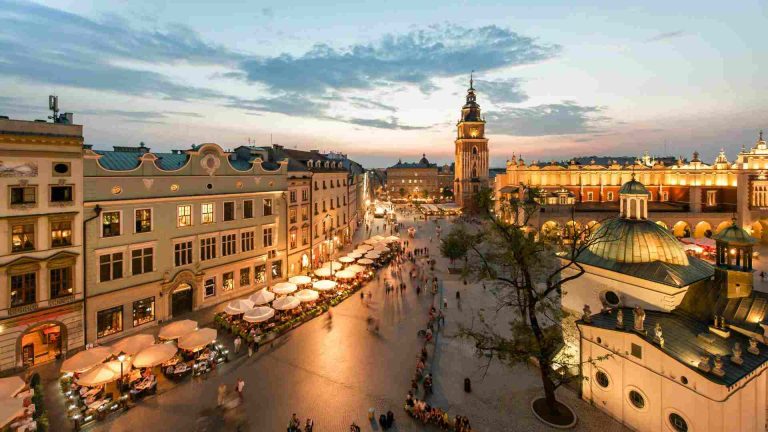
Central Europe’s strength lies in its compactness and connectivity. Cities like Vienna, Prague, Budapest, and Kraków sit within a few hours of each other by train, making multi-city trips straightforward. Rail networks are reliable, affordable, and well integrated with local transport. This makes short stays efficient without feeling rushed.
Each city offers a different layer of history. Vienna’s imperial planning contrasts with Prague’s medieval layout. Budapest’s thermal baths reveal how infrastructure from past empires still shapes daily life. These aren’t places that require deep immersion to be rewarding, but they do benefit from a bit of background knowledge.
Navigation is simple, English signage is common, and accommodation options are varied. Central Europe suits travellers who want cultural density without logistical stress. It’s possible to arrive in the morning, explore on foot, and still feel orientated by evening. That ease is part of why these city corridors work so well.
What Makes These Cultural Corridors Worth Following?
These five corridors show how travel becomes more meaningful when routes are treated as experiences rather than obstacles. They highlight places where infrastructure supports curiosity, not just movement.
For anyone using travel and navigation apps to plan realistic journeys, these corridors offer clarity. They’re not about chasing extremes or rare moments. They’re about understanding how geography, culture, and daily life intersect across regions people actually live in, and moving through them with purpose rather than urgency.