Alaska Roll Sushi Recipe
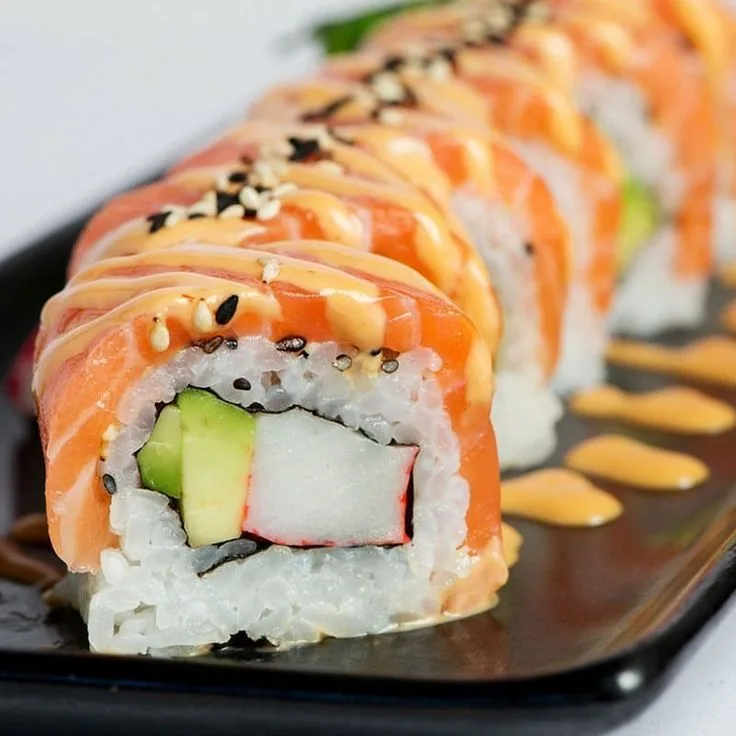
I used to think making sushi at home was something only professional chefs could do, but discovering this Alaska Roll Sushi Recipe completely changed my mind.
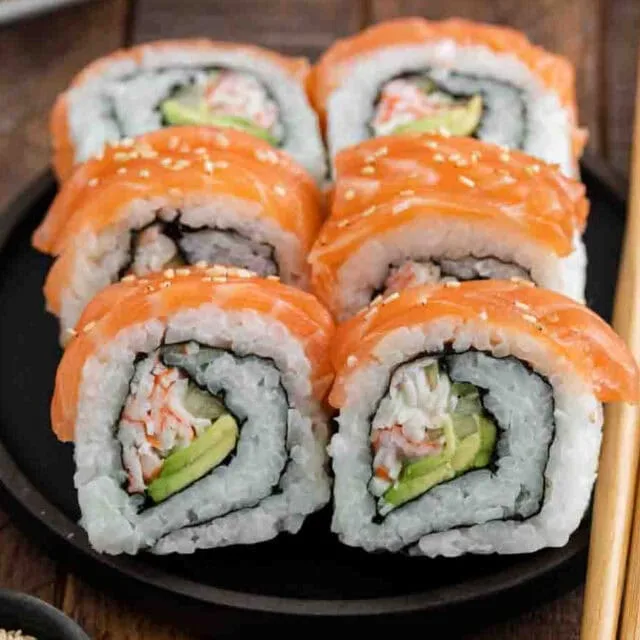
The first time I successfully rolled one, with the beautiful pink salmon on the outside and the creamy crab filling, I felt like a culinary genius.
It’s so satisfying to create something that looks and tastes like it came from a high-end restaurant right in my own kitchen.
The combination of fresh fish, creamy avocado, and crisp cucumber is just perfect. I love making a batch for a light dinner or to impress friends when they come over.
Ingredients
Here are the key components you’ll need to assemble this delicious roll.
- 1 cup sushi rice: Use a short or medium-grain white rice for the best sticky texture. Brands like Calrose or Nishiki are excellent choices.
- 1 cup + 1 tbsp water: The right ratio of water to rice is crucial for getting that perfect, fluffy consistency.
- 2 tbsp seasoned rice vinegar: This gives the rice its signature tangy flavor; you can find it pre-seasoned or make your own by mixing rice vinegar with sugar and salt.
- 1 tsp salt: For seasoning the sushi rice while it cooks.
- 1 sheet nori (seaweed paper): This is the wrapper that holds everything together. Look for dark, crisp sheets.
- 6 oz sushi-grade salmon, thinly sliced: It is essential to use fish labeled “sushi-grade” for safety and quality. Ask your local fishmonger or the sushi counter at a fine foods store.
- ¼ cup imitation or real Alaskan crab meat: Imitation crab (kanikama) is easy to find and shreds nicely for the spicy filling, but cooked real crab meat also works beautifully.
- 1 tbsp mayonnaise: Use a full-fat Japanese mayo like Kewpie for the creamiest, richest flavor in your crab mix.
- ½ tsp sriracha: This gives the crab filling a gentle kick. Adjust the amount based on your spice preference.
- 2-3 slices cucumber, cut into matchsticks: Provides a refreshing, crunchy texture.
- 2-3 slices avocado: Adds a creamy, buttery element that complements the salmon perfectly.
Note: This recipe makes enough for one full sushi roll, which yields about 6-8 pieces.
Variations
Here are a few ways to customize your Alaska roll to suit your taste.
- For a different flavor profile, you can swap the salmon for sushi-grade tuna or yellowtail. If you’re not a fan of crab, cooked shrimp or even scallops can be used in the filling.
- To make it vegetarian, omit the seafood and use extra avocado, cucumber, and perhaps some baked sweet potato strips or marinated tofu.
- For an extra layer of flavor and texture, you can add a thin layer of cream cheese inside the roll, similar to a Philadelphia roll.
Cooking Time
Here’s a breakdown of how long it will take to prepare this dish.
- Prep Time: 10 minutes
- Cook Time: 30 minutes (includes rice cooking and cooling)
- Total Time: 45 minutes
Equipment You Need
Having the right tools makes the sushi-making process much smoother.
- Bamboo sushi mat (makisu): This is essential for tightly rolling the sushi into a uniform log.
- Instant Pot or rice cooker: Helps cook the sushi rice to the perfect consistency with minimal effort.
- Fine mesh strainer: Used for rinsing the rice to remove excess starch, which prevents it from becoming gummy.
- Plastic wrap: Cover your bamboo mat with this to prevent the rice from sticking.
- Sharp knife: A very sharp knife is crucial for getting clean slices without squishing the roll.
How to Make Alaska Roll Sushi Recipe?
Making this beautiful sushi roll at home is easier than you think. By breaking it down into a few manageable parts—preparing the rice, making the filling, and rolling—you can create a restaurant-quality dish. The key is to have all your ingredients prepped and ready before you start assembling. This method creates an “inside-out” roll where the rice and salmon are on the outside.
Make the Sushi Rice
First, rinse the sushi rice in a fine mesh strainer under cold water until the water runs clear. This removes the excess starch and is key to getting the right texture. Shake off any excess water. Add the rinsed rice, salt, and water to your Instant Pot or rice cooker and cook according to the machine’s instructions. Once cooked, transfer the hot rice to a large, non-metallic bowl and drizzle the seasoned rice vinegar over it. Gently fold the vinegar into the rice using a spatula, being careful not to smash the grains.
Prepare the Spicy Crab Mix
While the rice is cooling slightly, prepare your filling. If you are using imitation crab sticks, shred them by hand into fine pieces. If using real crab meat, flake it apart with a fork. In a small bowl, combine the shredded crab meat with the mayonnaise and sriracha. Mix everything together until the crab is evenly coated. You can adjust the amount of sriracha and mayonnaise to achieve your desired level of spiciness and creaminess.
Assemble and Roll the Sushi
Cover your bamboo rolling mat with a layer of plastic wrap. Place a sheet of nori on top. Dip your hands in a small bowl of water to prevent the rice from sticking to them, then spread about one cup of the prepared sushi rice evenly over the entire surface of the nori. Carefully lay the thin slices of salmon over half of the rice. Now, flip the entire sheet over so the nori side is facing up and the rice and salmon are against the plastic wrap.
Fill and Shape the Roll
Arrange your fillings lengthwise in a strip about one inch from the bottom edge of the nori. Place a line of the spicy crab mix, a few slices of avocado, and a few cucumber matchsticks. Be careful not to overfill the roll, as this will make it difficult to close. Using the bamboo mat, lift the edge of the nori up and over the filling, tucking it in securely with your fingers to start the roll. Continue rolling tightly, using the mat to press and shape the log, until it’s completely sealed.
Additional Tips for Making this Recipe Better
Through my own trial and error, I’ve picked up a few tricks that make the process much easier and the results more delicious. The most important lesson I learned was to keep a small bowl of water nearby to constantly wet my hands when handling the rice; it’s the only way to stop it from sticking to everything! Also, don’t rush the cooling of the rice, as warm rice can make the nori tough.
- When slicing the roll, wipe your knife with a damp cloth between each cut. This prevents the sticky rice from building up and helps you get clean, perfect pieces.
- For the best flavor, use high-quality Japanese mayonnaise (like Kewpie) for the spicy crab mix. It’s creamier and has a richer taste than American mayo.
- Don’t press down too hard when spreading the rice on the nori. A gentle touch keeps the grains fluffy instead of mushy.
- Make sure your avocado is perfectly ripe—not too hard and not too soft. It should give slightly to a gentle squeeze.
How to Serve Alaska Roll Sushi?
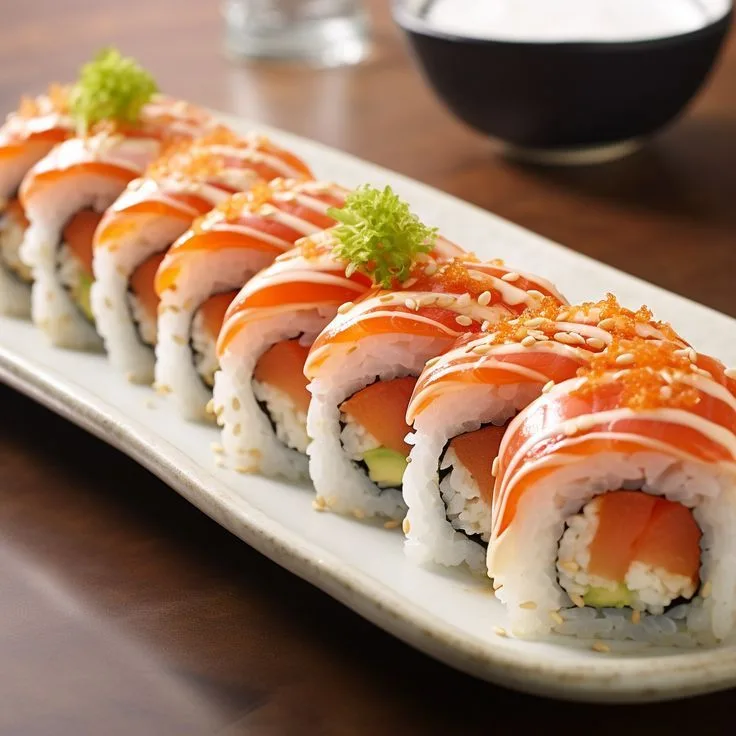
Arrange the sliced sushi pieces on a platter or a traditional Japanese wooden sushi board (geta). Serve alongside small dishes of soy sauce for dipping, a small mound of wasabi for a spicy kick, and a pile of pickled ginger (gari) to cleanse the palate between bites. For an extra touch, you can drizzle the roll with some spicy mayo or eel sauce and sprinkle with toasted sesame seeds or tobiko (flying fish roe).
Nutritional Information
Here is an approximate nutritional breakdown for one roll.
- Calories: 1399 kcal
- Protein: 55g
- Carbohydrates: 173g
- Fat: 55g
Make Ahead and Storage
Follow these guidelines for storing any potential leftovers.
Make-Ahead
You can cook the sushi rice and prepare the crab mixture a few hours ahead of time. Keep the rice covered at room temperature and the crab mix in an airtight container in the refrigerator. It’s best to slice the avocado and assemble the rolls just before serving to ensure everything is fresh.
Storage
Sushi is best eaten immediately after it’s made. If you have leftovers, you can store them in an airtight container in the refrigerator for up to 24 hours, but be aware that the rice will harden and the texture of the other ingredients will change.
Freezing
Freezing is not recommended for this recipe. The texture of the raw salmon, avocado, and rice will degrade significantly upon thawing, resulting in a mushy and unappetizing roll.
Why You’ll Love This Recipe?
You’ll enjoy making and eating this recipe for a variety of reasons.
- Restaurant-Quality at Home: This recipe allows you to create a visually impressive and delicious sushi roll that rivals what you’d find in a Japanese restaurant, which is incredibly rewarding.
- Healthy and Protein-Packed: Filled with fresh salmon, crab, and vegetables, this roll is a light yet satisfying meal that’s packed with protein and omega-3 fatty acids.
- Completely Customizable: You can easily swap out the fillings based on what you have on hand or what your personal preferences are. Add cream cheese, try a different fish, or make it spicy!
- A Fun Culinary Project: Rolling sushi is a fun and engaging activity, perfect for a date night in or a project to do with friends or family.