
Traditional Swiss Food: 10 Swiss Comfort Foods That Melt Hearts (Like Cheese!)
When you picture Switzerland, what comes to mind? Snow-capped Alps, cozy chalets, and maybe world-class chocolate, right? But here’s the thing: Switzerland is also home to an incredibly rich and hearty food culture that deserves just as much attention.
Traditional Swiss food is the kind of cuisine that wraps you up like a warm blanket—it’s comforting, flavorful, and deeply tied to the country’s history and geography.
I still remember my first Swiss food experience: sitting in a rustic mountain lodge after skiing all day, sharing a bubbling pot of fondue with friends. Dunking chunks of bread into that pool of melted cheese wasn’t just a meal—it was an event. That moment made me realize that Swiss food isn’t just about eating; it’s about connection, comfort, and celebration.
From cheese heaven to sweet delights, this guide will walk you through the most iconic traditional Swiss dishes you need to try. Let’s dive in!
1. Fondue
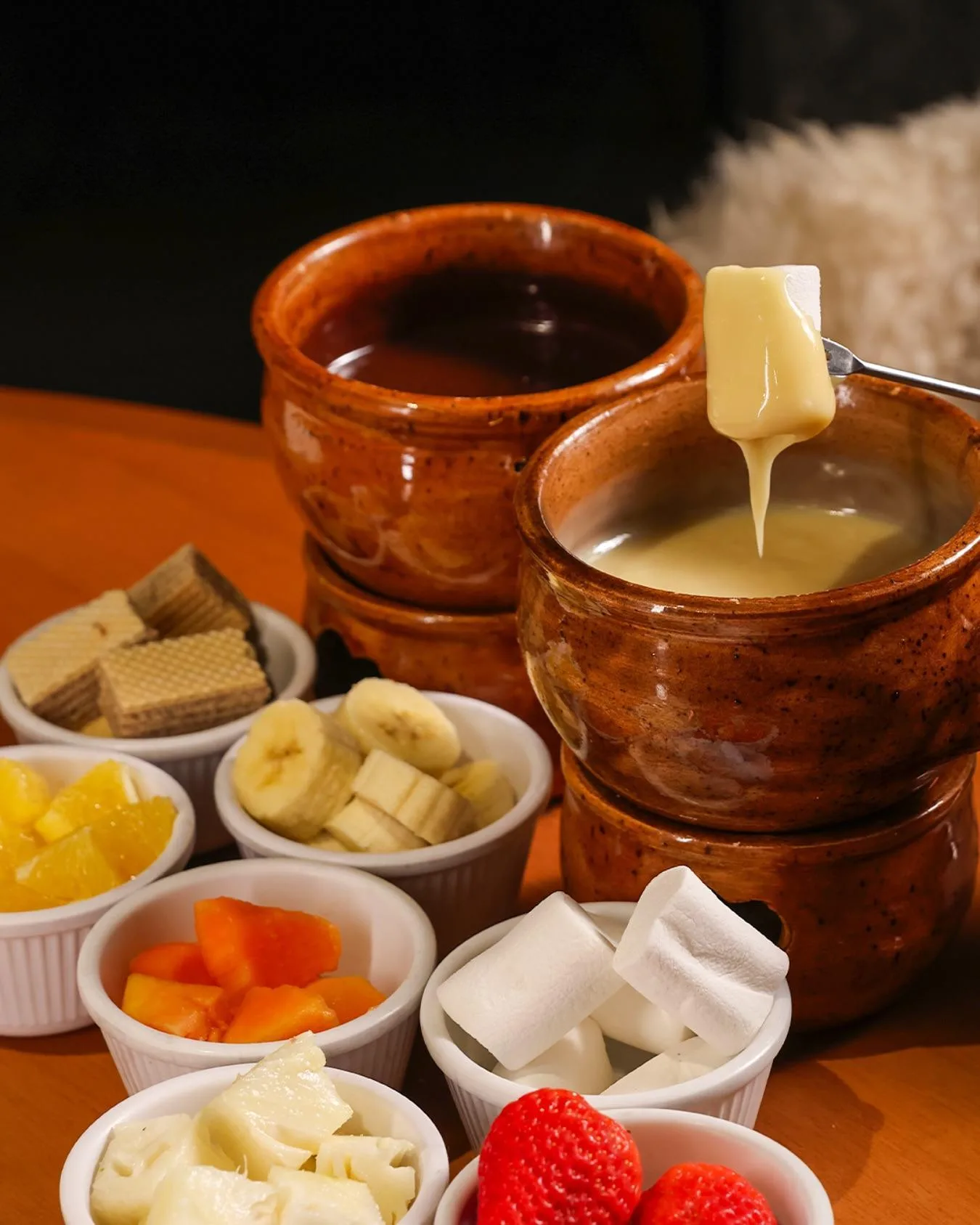
Fondue is Switzerland’s most famous dish, featuring melted cheese served in a communal pot. Diners dip bread cubes into the rich, bubbling mixture of Gruyère, Emmental, or other Alpine cheeses mixed with white wine and garlic. It’s a social dish, often enjoyed with friends and family, especially during winter.
Fondue reflects Swiss culinary tradition and hospitality, transforming simple ingredients into a cozy, communal experience. This iconic dish symbolizes the country’s alpine culture, warmth, and love for hearty, comforting meals shared together.
2. Raclette
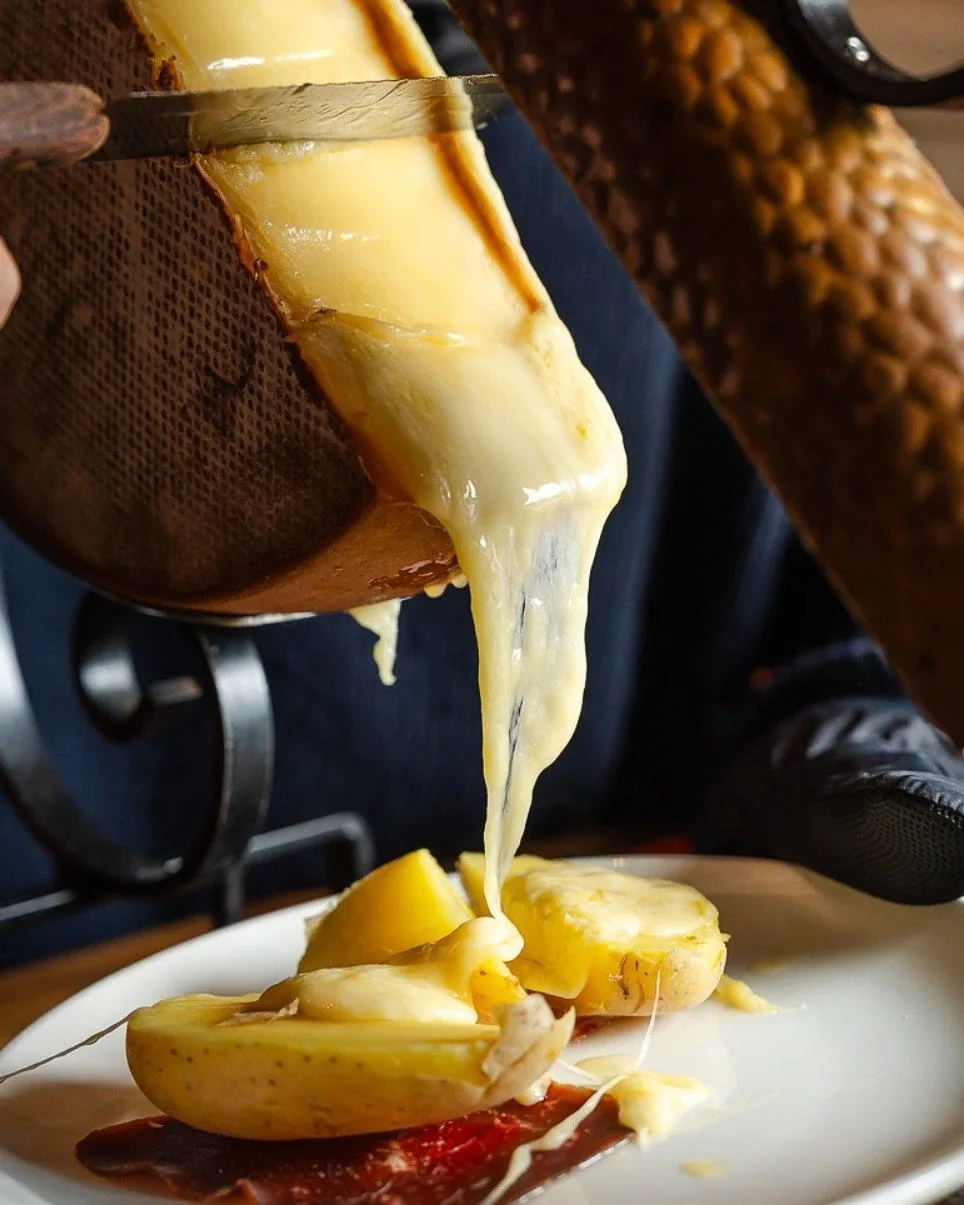
Raclette is a traditional Swiss cheese dish where wheels of semi-hard cheese are melted and scraped onto boiled potatoes, pickles, and cured meats. Originating in the Alps, it was once a shepherd’s meal, offering warmth and nourishment after long days outdoors. Today, Raclette remains popular in homes and restaurants, especially during winter gatherings.
Its gooey, savory flavor and interactive serving style make it both satisfying and social. Raclette highlights Swiss mountain traditions, showcasing the importance of cheese in the nation’s culinary identity.
3. Rösti
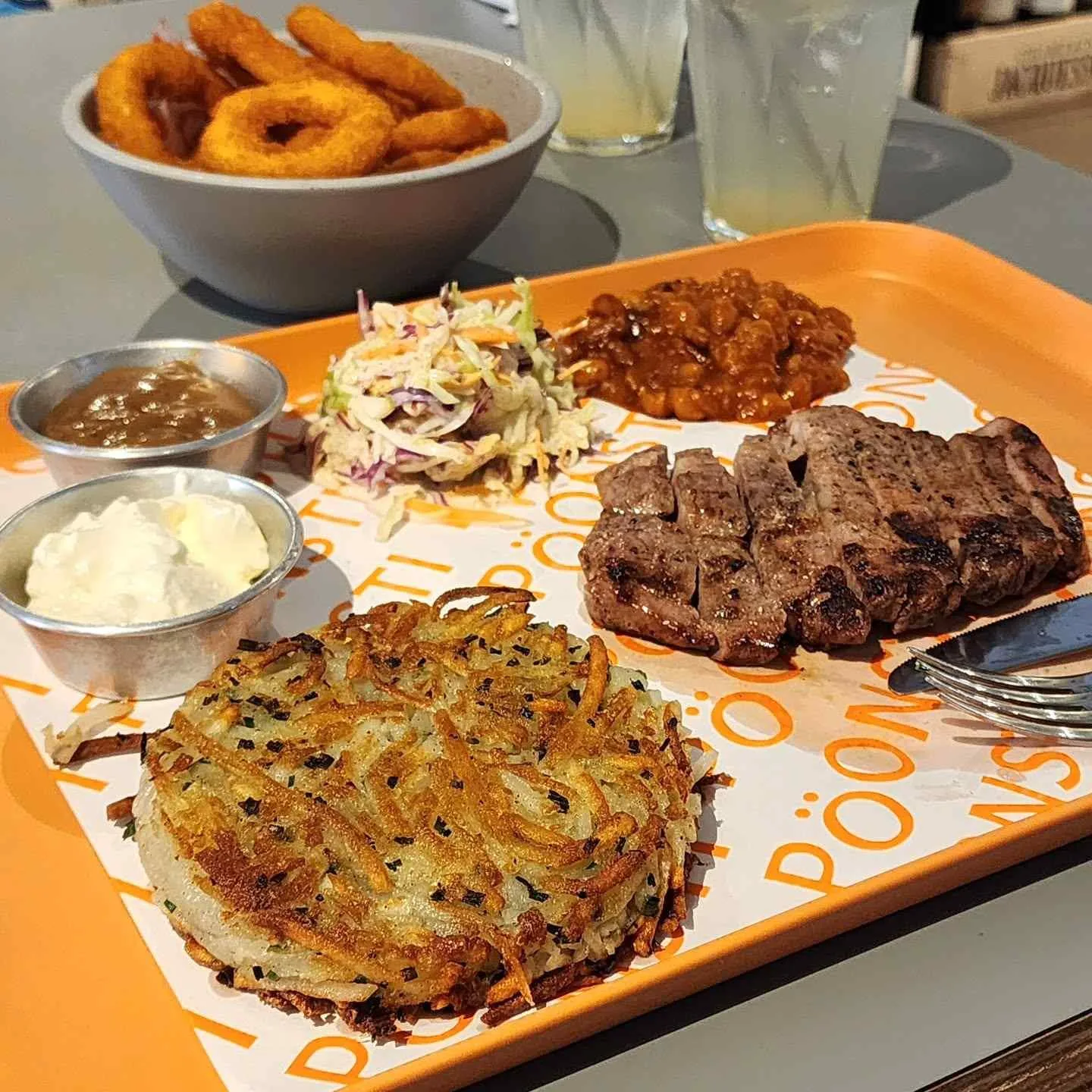
Rösti is a crispy, golden potato pancake, often served as a side dish to meats, eggs, or cheese. Originally a farmer’s breakfast in the canton of Bern, it has become a national favorite. Shredded potatoes are pan-fried until crunchy outside and tender inside, creating a simple yet satisfying dish. Rösti reflects Swiss resourcefulness, turning humble potatoes into something iconic.
Whether eaten plain or with toppings, Rösti represents comfort and tradition, embodying Switzerland’s ability to make hearty, delicious meals from everyday ingredients.
4. Zürcher Geschnetzeltes

Zürcher Geschnetzeltes, or Zurich-style sliced meat, is a creamy dish made with thin strips of veal, mushrooms, onions, and white wine sauce. Traditionally served with Rösti, it balances tender meat with a rich, savory sauce. Originating from Zurich, it is now enjoyed throughout Switzerland as a classic main course. This dish highlights Swiss culinary refinement, combining simple ingredients with careful cooking techniques.
Zürcher Geschnetzeltes embodies elegance and tradition, offering a comforting yet sophisticated meal that reflects Switzerland’s regional diversity and love for hearty dishes.
5. Älplermagronen
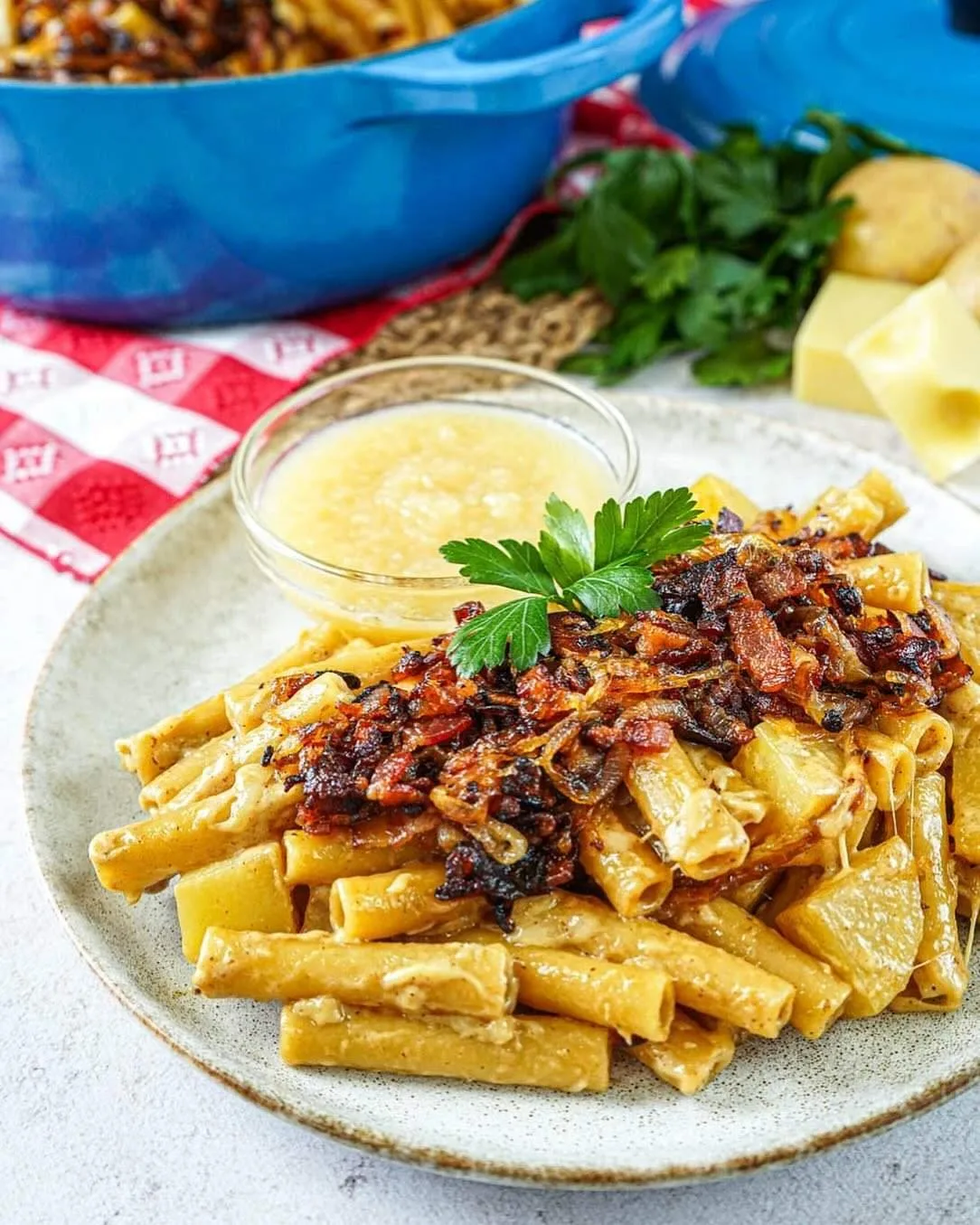
Älplermagronen, often called Alpine macaroni, is a Swiss comfort food made with pasta, potatoes, cream, cheese, and onions, often served with applesauce on the side. Originating from mountain herders, it’s hearty and nourishing, ideal for cold alpine climates. The contrast of savory, creamy pasta with sweet applesauce creates a unique balance of flavors.
Älplermagronen reflects Swiss ingenuity, combining accessible ingredients into a satisfying dish. It represents rustic home cooking, embodying the country’s alpine heritage and love for simple yet flavorful meals shared in family settings.
6. Saffron Risotto (Risotto alla Milanese Ticinese)

In the southern canton of Ticino, influenced by Italian cuisine, saffron risotto is a beloved specialty. Creamy Arborio rice is cooked slowly with saffron, butter, onions, and white wine, creating a rich, golden dish. This variation is lighter than the Milanese version yet distinctly Swiss in its regional identity.
Often served with local meats or sausages, it highlights Ticino’s fusion of Italian technique and Swiss tradition. Saffron risotto represents Switzerland’s culinary diversity, showcasing how cross-cultural influences enrich the nation’s authentic food heritage.
7. Basler Läckerli
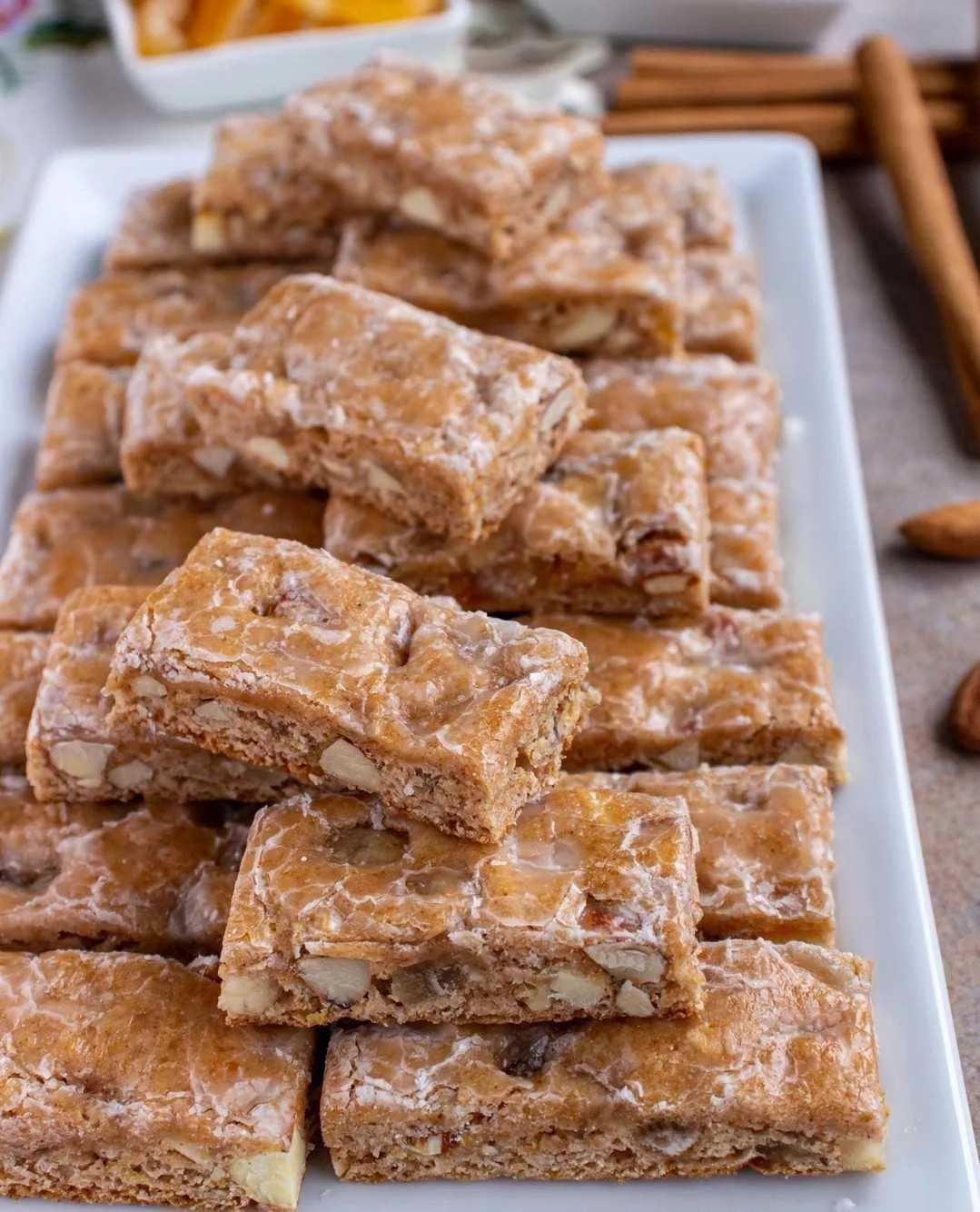
Basler Läckerli is a traditional Swiss spiced biscuit originating from Basel. Made with honey, nuts, candied peel, and spices, it has a chewy texture and sweet, aromatic flavor. Originally created by medieval monks, it remains a festive treat, especially during Christmas.
Often enjoyed with coffee or tea, Basler Läckerli reflects Switzerland’s baking heritage and love for seasonal specialties. Its unique flavor and history make it more than just a cookie—it’s a cultural symbol of Swiss tradition, craftsmanship, and the festive spirit of sharing.
8. Swiss Chocolate
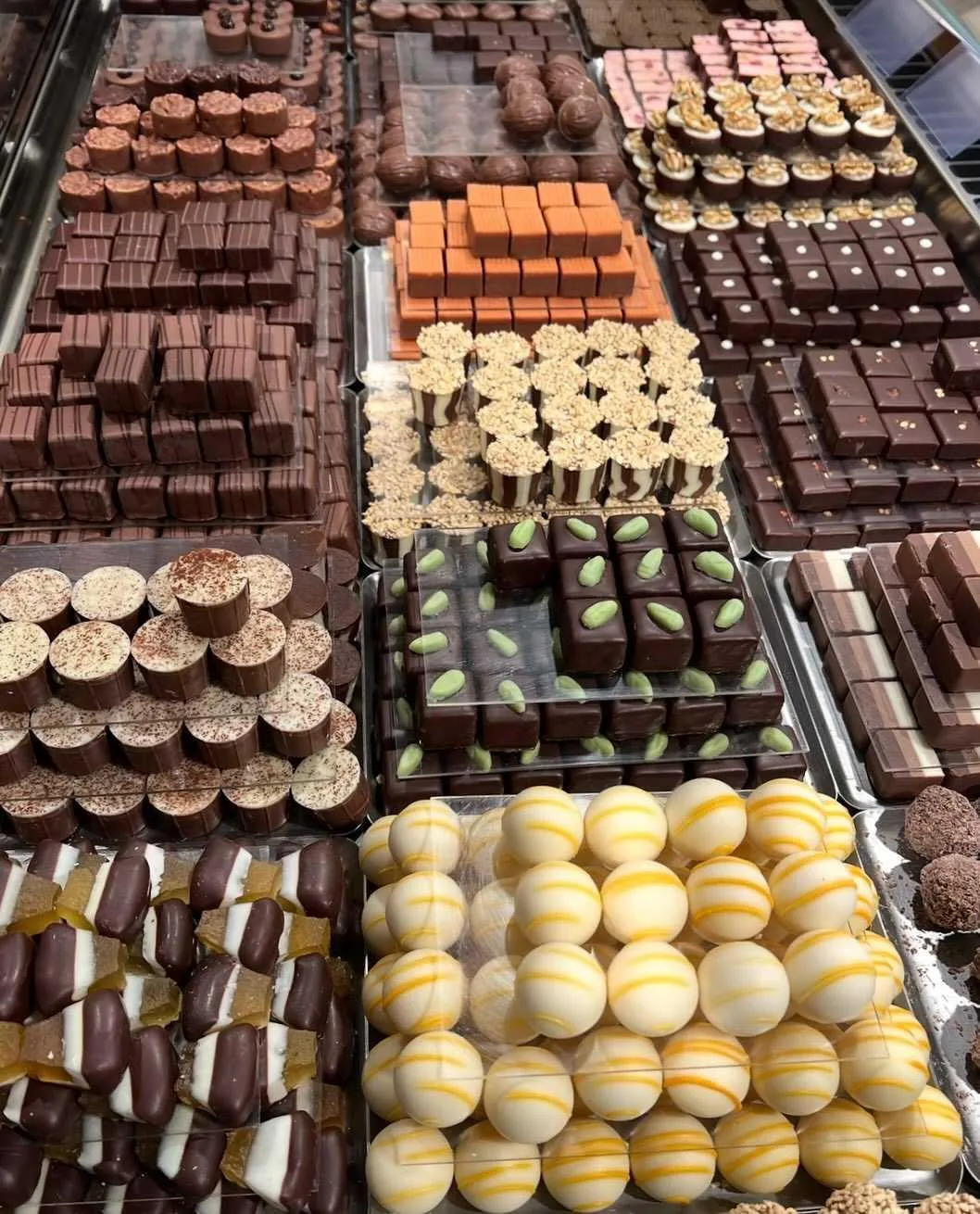
Swiss chocolate is world-renowned, celebrated for its smooth texture and exceptional quality. Using Alpine milk and carefully sourced cocoa, Swiss chocolatiers pioneered techniques that revolutionized chocolate-making, such as conching and milk chocolate production. From artisanal brands to global names, Swiss chocolate embodies craftsmanship, luxury, and indulgence.
It’s more than a sweet—it represents Swiss innovation and global culinary influence. Whether enjoyed in bars, pralines, or truffles, Swiss chocolate highlights the nation’s dedication to perfection, making it one of Switzerland’s most iconic and cherished exports.
9. Birchermüesli
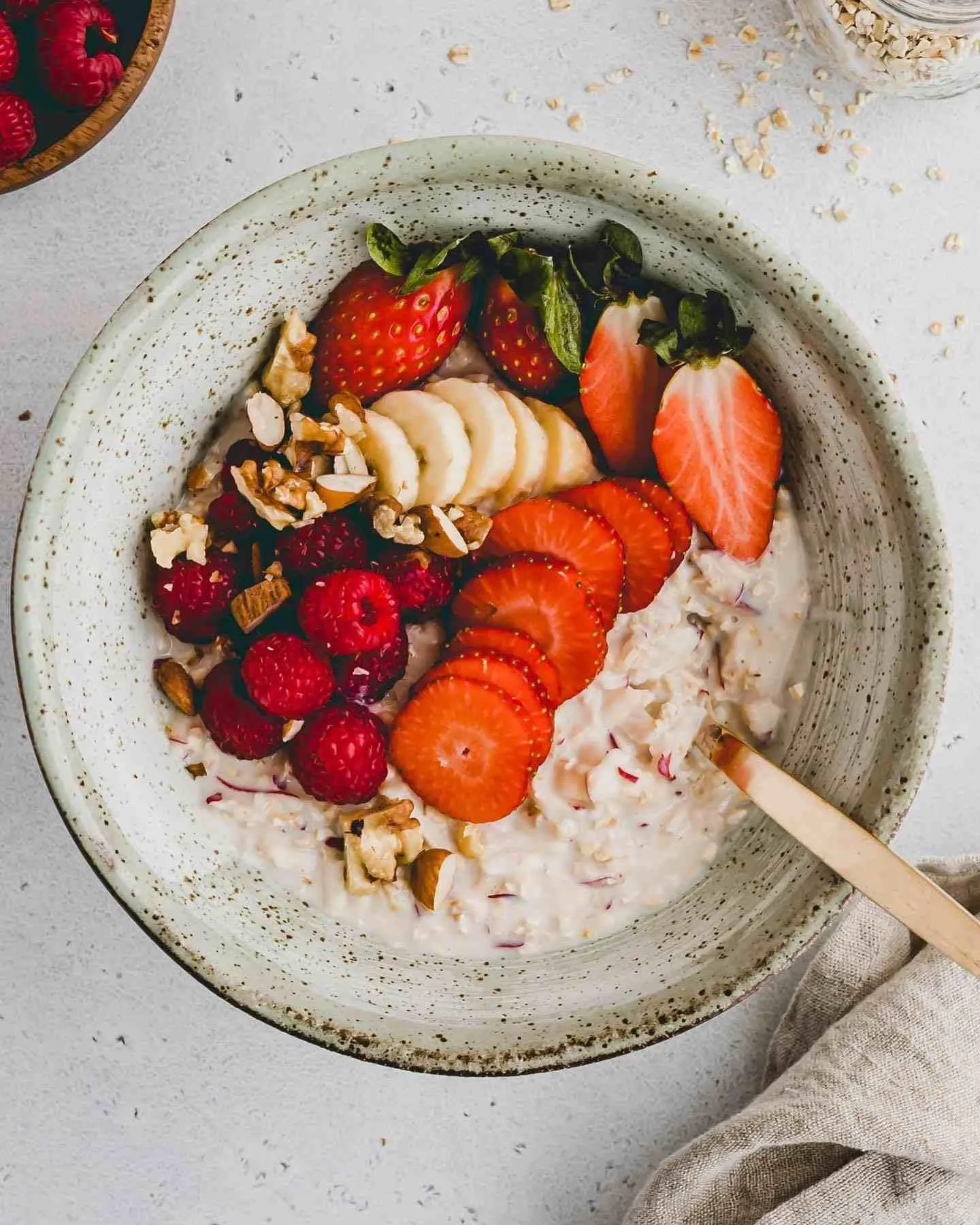
Birchermüesli is a Swiss breakfast dish created by Dr. Maximilian Bircher-Benner in the early 20th century. It combines rolled oats soaked in milk or yogurt, fresh fruit, nuts, and honey, offering a healthy, balanced meal. Originally developed for hospital patients, it has since become a global breakfast staple.
Birchermüesli reflects Swiss focus on nutrition, freshness, and balance. Its versatility allows endless variations, making it suitable for all tastes. This dish symbolizes Switzerland’s contribution to modern healthy eating, rooted in tradition and simplicity.
10. Nusstorte (Engadine Nut Tart)

Nusstorte, or Engadine Nut Tart, is a traditional Swiss pastry filled with caramelized walnuts, cream, and honey. Originating from the Engadine region, it has a rich, buttery crust and a sweet, nutty filling. Often served with coffee or as a dessert, Nusstorte is beloved for its indulgent flavor and rustic charm.
This tart reflects Swiss baking traditions, emphasizing quality ingredients and hearty, satisfying desserts. Nusstorte symbolizes regional pride and craftsmanship, making it a delicious example of Switzerland’s culinary heritage and love for sweet, comforting treats.
Drinks to Pair with Swiss Food
- Wine: Switzerland produces excellent wines, especially whites like Chasselas.
- Beer: A staple at festivals and sausage stands.
- Rivella: A quirky Swiss soft drink made from milk whey.
- Coffee: Central to Swiss café culture, often paired with cake or pastries.
Don’t skip the wine—Swiss bottles are rarely exported, so the best way to enjoy them is right there in the country.
Conclusion: Take a Bite of Switzerland
So, what makes traditional Swiss food worth exploring? It’s not just the cheese, chocolate, or hearty potato dishes—it’s the way food here reflects tradition, culture, and togetherness. From a bubbling pot of fondue shared with friends to a sweet slice of Apfelstrudel in a café, every dish carries a piece of Switzerland’s story.
Whether you’re visiting the Alps, wandering through Zurich’s old town, or cooking at home, Swiss cuisine will give you comfort, joy, and a taste of Alpine life. So, grab your fork, maybe pour yourself a glass of Swiss wine, and get ready to savor Switzerland one delicious bite at a time!