
Traditional Malaysian Dishes: 10 Authentic Must Eats from Malaysia
Ever wondered what traditional Malaysian dishes really taste like? If you haven’t experienced them yet, you’re missing out on one of Southeast Asia’s most diverse and flavorful cuisines!
Malaysia’s culinary landscape is a rich blend of Malay, Chinese, Indian, and indigenous influences, creating dishes that are bold, aromatic, and packed with umami.
I still remember my first taste of Nasi Lemak at a roadside stall in Kuala Lumpur—the fragrant coconut rice, paired with spicy sambal, crunchy peanuts, and perfectly fried anchovies, was an explosion of flavors that immediately won me over.
Eating Malaysian food isn’t just about taste—it’s about culture, history, and community. Curious to know which dishes are a must-try? Let’s dive in!
1. Nasi Lemak

Nasi Lemak is Malaysia’s national dish, celebrated for its fragrant coconut rice cooked with pandan leaves. Typically served with spicy sambal, fried anchovies, peanuts, boiled egg, and cucumber slices, it delivers a perfect balance of creamy, spicy, salty, and fresh flavors. Often eaten for breakfast but enjoyed all day, Nasi Lemak reflects Malaysia’s diverse culinary heritage.
Its simplicity and harmony of textures make it a comfort food staple, representing the country’s love for aromatic rice dishes and bold yet balanced flavors.
2. Rendang

Rendang is a slow-cooked meat dish, usually beef, simmered in coconut milk, lemongrass, garlic, ginger, and chili until tender and richly flavored. This dish, originally from the Minangkabau people, has become popular throughout Malaysia, symbolizing celebration and special occasions. The long cooking process intensifies its spices, creating a deep, savory, and slightly sweet profile.
Served with rice or ketupat, Rendang exemplifies Malaysian culinary artistry. Its combination of complex flavors and tender meat makes it a festive favorite that highlights the nation’s love for aromatic, hearty dishes.
3. Laksa
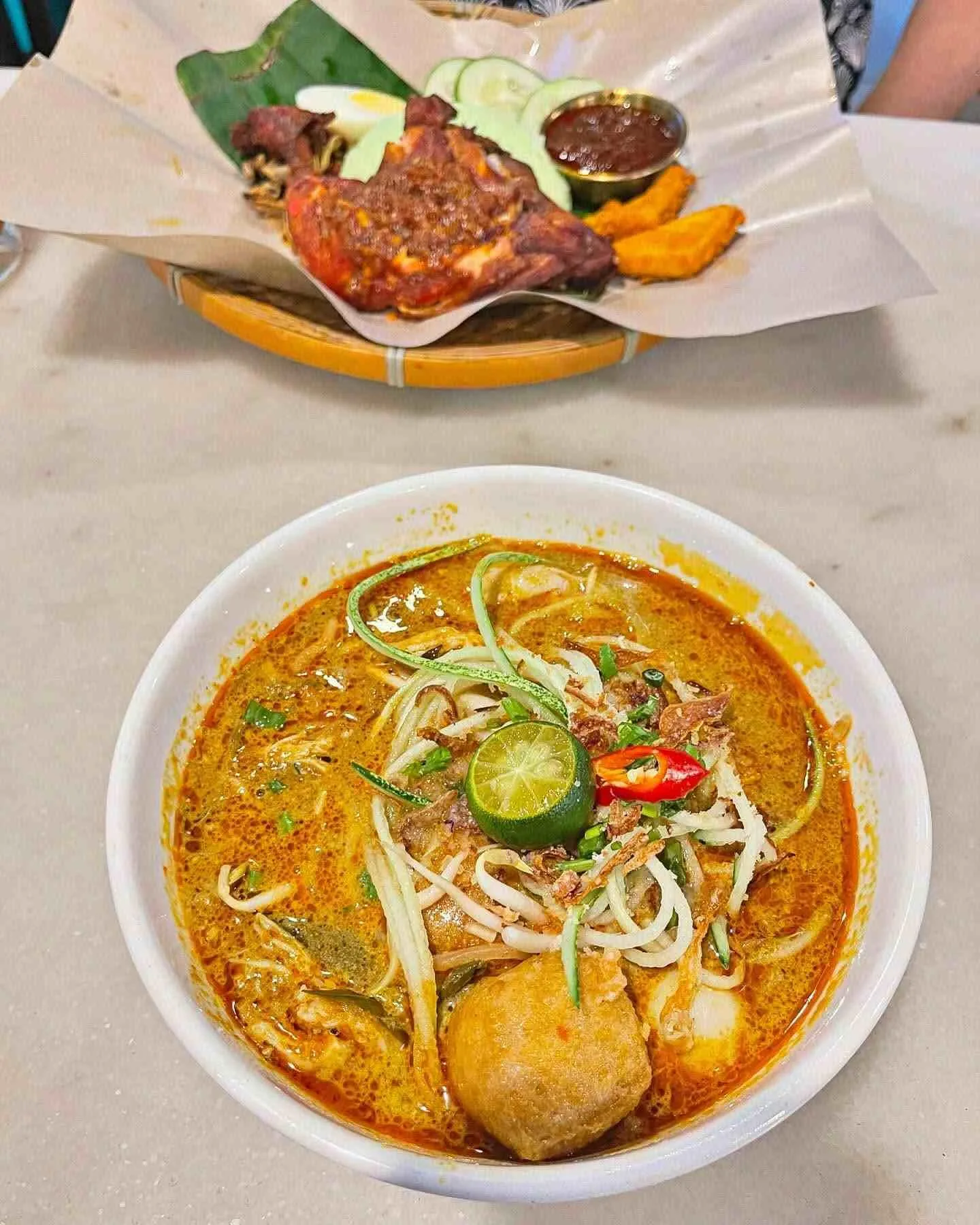
Laksa is a spicy noodle soup combining Chinese and Malay culinary influences. It features rice noodles in a rich coconut or tamarind-based broth, often with shrimp, chicken, or fish, garnished with fresh herbs. The soup’s vibrant aroma and balance of spicy, sour, and savory flavors make it irresistible. Regional variations include Penang’s Asam Laksa and Sarawak Laksa, each with unique ingredients.
Laksa exemplifies Malaysia’s multicultural cuisine, blending flavors and textures in every bowl. Its hearty yet refreshing qualities have made it a favorite among locals and tourists alike.
4. Char Kway Teow

Char Kway Teow is a beloved Malaysian stir-fried noodle dish made with flat rice noodles, prawns, Chinese sausage, eggs, bean sprouts, and chives. Traditionally cooked over high heat in a wok, the noodles develop a smoky, slightly charred flavor known as “wok hei.” Sweet soy sauce and chili paste enhance the savory taste.
Often enjoyed at hawker stalls, Char Kway Teow is both affordable and filling. This iconic street food reflects Malaysia’s culinary diversity and mastery of flavors, combining textures, aromas, and heat in every satisfying bite.
5. Satay

Satay is a popular Malaysian dish consisting of skewered, grilled meat served with a rich, spicy peanut sauce. Chicken, beef, and lamb are commonly used, marinated with aromatic spices before grilling. Served with rice cakes, cucumbers, and onions, Satay is often enjoyed as street food or at festive gatherings.
Its smoky aroma and flavorful sauce highlight Malaysia’s expertise in balancing sweet, savory, and spicy elements. Satay represents communal dining and local tradition, offering a simple yet extraordinary experience for anyone exploring Malaysian cuisine.
6. Hainanese Chicken Rice

Hainanese Chicken Rice is a Malaysian adaptation of a Chinese dish, featuring poached chicken served with fragrant rice cooked in chicken stock, garlic, and ginger. Accompanied by chili sauce, ginger paste, and soy sauce, it’s both aromatic and comforting. Often served with light broth and fresh vegetables, this dish balances simplicity with flavor.
Hainanese Chicken Rice exemplifies Malaysia’s multicultural heritage, blending Chinese techniques with local ingredients. Its tender, juicy chicken and flavorful rice make it a staple in both hawker centers and upscale restaurants.
7. Roti Canai

Roti Canai is a flaky, crispy flatbread brought to Malaysia by Indian Muslim migrants. Made with flour, water, and ghee, it’s pan-fried until golden and served with dhal, curry, or sugar. Its crispy exterior and soft, chewy layers make it a versatile dish for breakfast, lunch, or dinner.
Roti Canai is often enjoyed as street food, reflecting Malaysia’s multicultural influences and love for bread paired with rich, spiced sauces. Its simplicity, affordability, and satisfying texture make it a beloved traditional dish across the country.
8. Nasi Kerabu

Nasi Kerabu is a vibrant Malaysian dish featuring blue rice colored naturally with butterfly pea flowers. Served with herbs, vegetables, fried fish, crackers, and sambal, it’s both visually striking and flavorful. The combination of fresh herbs, coconut milk, and spicy sambal creates a balanced and aromatic experience. Nasi Kerabu is a specialty of Kelantan in northeastern Malaysia, showcasing regional culinary traditions.
Its unique presentation and mix of textures and flavors make it a standout dish, representing Malaysia’s creativity and deep appreciation for local ingredients.
9. Kuih

Kuih refers to a variety of traditional Malaysian bite-sized snacks or desserts made from rice flour, coconut milk, and palm sugar. They can be steamed, baked, or fried, often featuring vibrant colors and intricate patterns. Popular varieties include Kuih Lapis, Onde-Onde, and Seri Muka. Served during festivals, tea time, or celebrations, Kuih is both sweet and visually appealing.
It reflects Malaysia’s rich culinary diversity and cultural heritage, showcasing creativity, skill, and a love for natural ingredients like coconut and pandan in bite-sized delights.
10. Asam Pedas

Asam Pedas is a sour and spicy fish stew popular in the Malay Peninsula. The broth is flavored with tamarind, chili, garlic, and various herbs, creating a tangy, aromatic, and spicy profile. Usually made with mackerel or other firm fish, it’s simmered until tender and served with steamed rice.
Asam Pedas reflects Malaysia’s coastal culinary traditions and love for bold flavors. Its combination of sour, savory, and spicy notes makes it a standout dish, highlighting the balance and vibrancy that define traditional Malaysian cuisine.
Conclusion: Time to Savor Malaysia!
So, what makes traditional Malaysian dishes so special? From fragrant nasi lemak and smoky char kway teow to spicy laksa and flaky roti canai, Malaysian cuisine is vibrant, diverse, and deeply rooted in history and culture. Each bite is an adventure, offering a glimpse into Malaysia’s multicultural heritage.
Next time you’re in Malaysia—or exploring Malaysian restaurants abroad—don’t just stick to familiar dishes. Venture into hawker stalls, try street snacks, and embrace the local flavors.
Because Malaysian food isn’t just about nourishment—it’s about connection, culture, and joy. Ready to dig in? 🍴

