
What to Eat in Bali: 10 Iconic Foods That Define Island Flavor
So, you’re planning a trip to Bali, or maybe you’re already there, scrolling your phone while sipping on a coconut at the beach. Either way, I bet you’re wondering one thing: what to eat in Bali that’s truly worth the hype?
Sure, the island is famous for its sunsets, rice terraces, and yoga retreats, but IMO (in my opinion 😉), the real treasure is found on the plate.
I’ll admit it—I fell hard for Bali, not just because of its breathtaking views but because of the food. Every corner I turned seemed to hide another warung (that’s what locals call small, family-run eateries) serving up something unforgettable.
From smoky satays grilled on open flames to sweet tropical desserts that make you feel like you’re eating sunshine, Bali’s food scene is as vibrant as its landscapes.
This guide is for you—whether you’re a first-timer, a returning traveler, or just someone daydreaming about future foodie adventures.
Together, we’ll dive into the dishes you simply can’t miss, the drinks you’ll want to toast with, and the hidden gems that make Bali a paradise for your taste buds. Ready to eat your way around the island? Let’s go!
1. Gado Gado
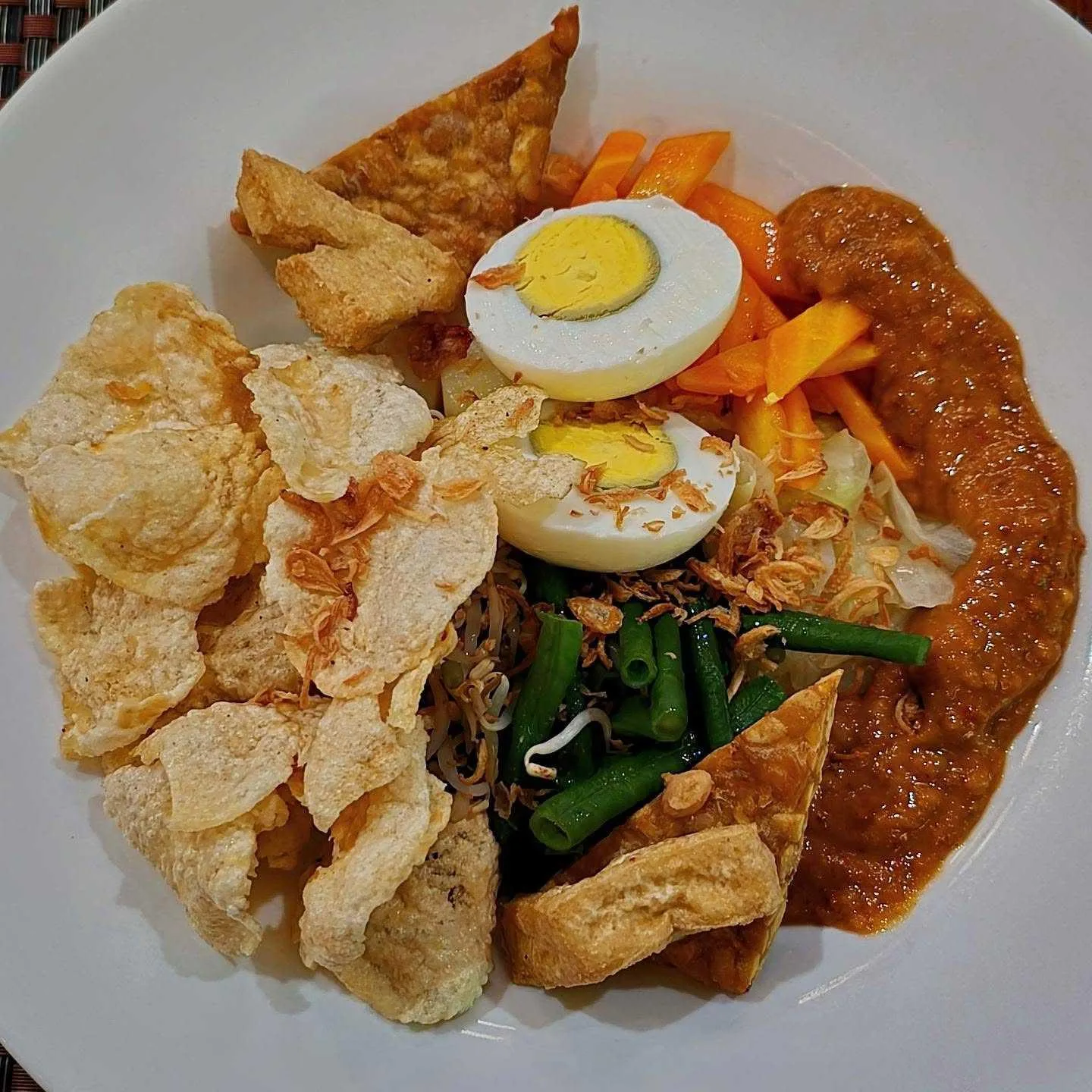
Gado gado is a colorful Indonesian salad that’s as nourishing as it is delicious. It features a mix of blanched vegetables like cabbage, spinach, bean sprouts, and green beans, often combined with tofu, tempeh, and hard-boiled eggs. The star of the dish is its creamy peanut sauce, which adds richness and a sweet-spicy kick.
Topped with crispy crackers for crunch, gado gado offers a satisfying balance of textures and flavors. It’s a popular vegetarian-friendly option and a refreshing yet hearty dish you’ll find across Bali.
2. Lumpia Rolls

Lumpia rolls are Bali’s take on spring rolls, influenced by Chinese cuisine but adapted with local flair. These thin, crispy wrappers are filled with a mix of vegetables, glass noodles, and sometimes chicken or prawns. Served with a sweet chili dipping sauce, they make for the perfect snack or appetizer.
Lumpia is often enjoyed at street stalls or family gatherings, where they’re freshly fried and irresistibly crunchy. Whether eaten on their own or as a side dish, lumpia rolls showcase Bali’s love for light, flavorful bites.
3. Mie Goreng (Fried Noodles)
Mie goreng is one of Bali’s most comforting and versatile street foods. Stir-fried egg noodles are tossed with garlic, soy sauce, vegetables, and protein options like chicken, prawns, or tofu. Topped with a fried egg and a squeeze of lime, the dish delivers savory, slightly sweet, and smoky flavors.
Often served with pickles or prawn crackers, mie goreng is a filling yet affordable meal found everywhere from warungs to upscale restaurants. It’s a must-try for anyone wanting a quick, flavorful taste of Indonesian home cooking.
4. Sate (Satay)
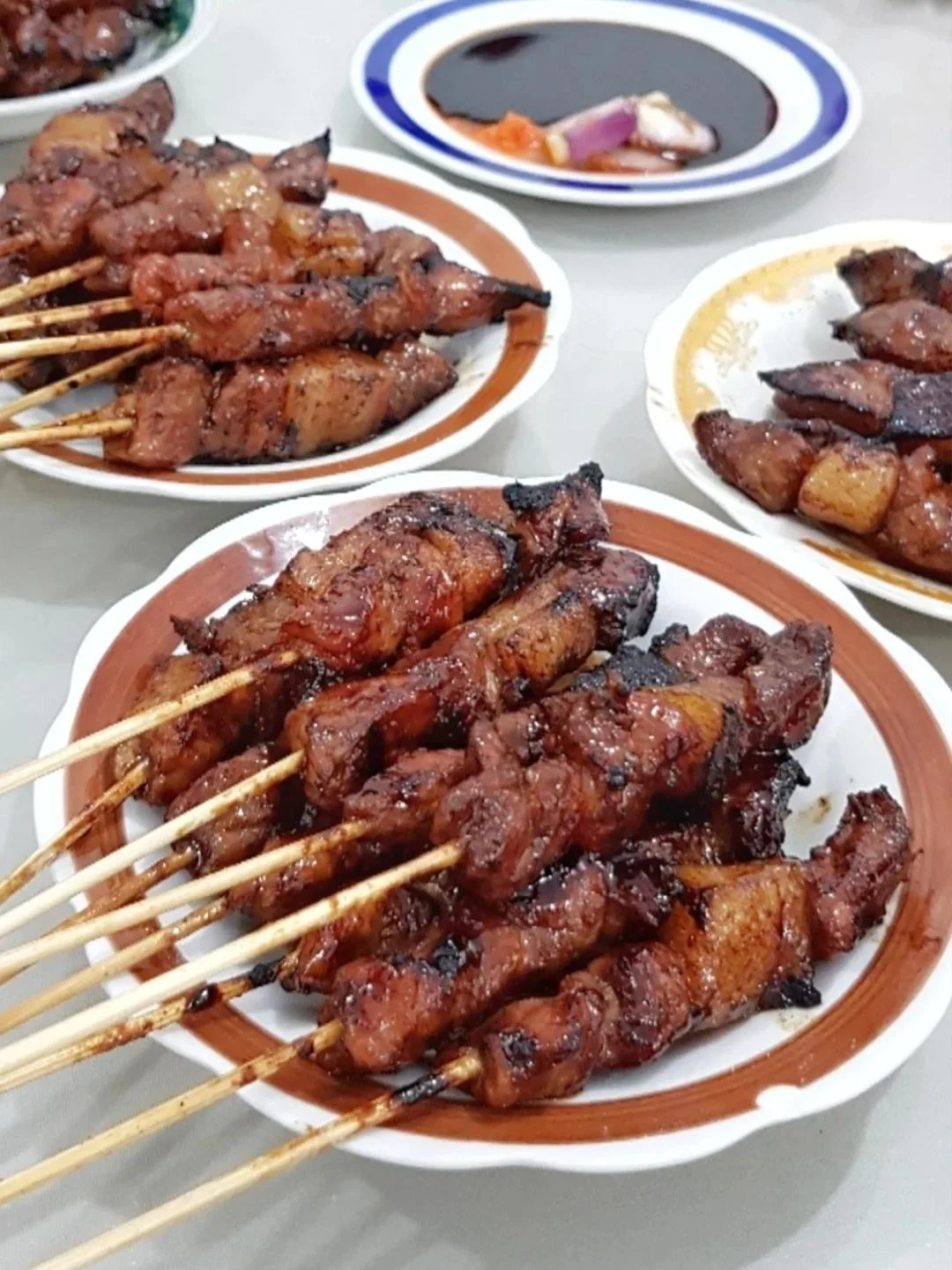
Sate is a beloved Indonesian street food that’s popular all across Bali. Skewers of marinated meat—usually chicken, beef, or lamb—are grilled over charcoal until smoky and tender.
Served with a thick, savory peanut sauce, sate is both a snack and a satisfying meal. The marinade, often infused with turmeric and spices, gives the meat its irresistible flavor and aroma.
Whether eaten at roadside stalls or traditional ceremonies, sate captures the communal spirit of Balinese dining. It’s a dish best enjoyed hot off the grill.
5. Sate Lilit
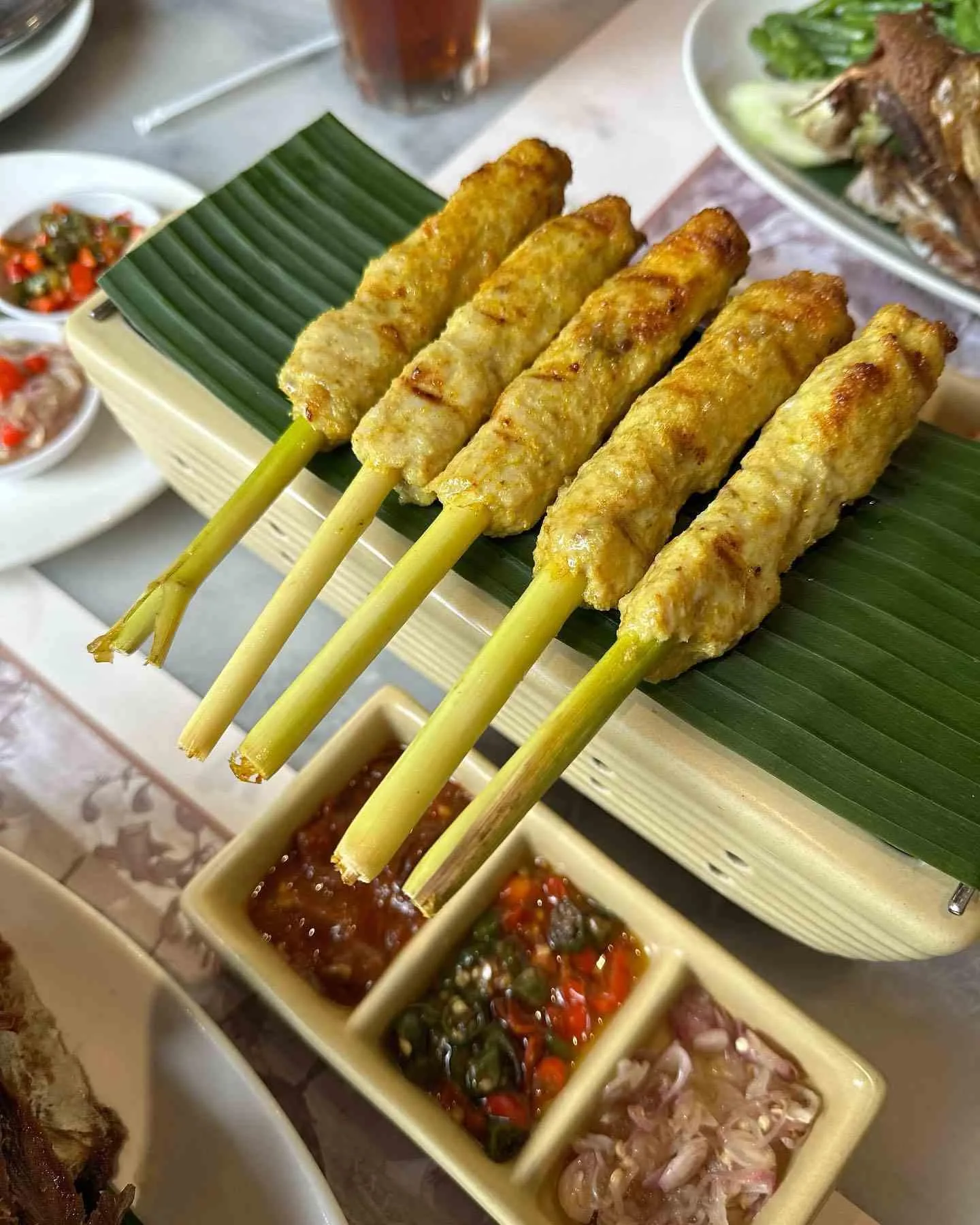
Unique to Bali, sate lilit takes satay to another level. Instead of whole meat chunks, minced fish or chicken is mixed with grated coconut, lime leaves, and aromatic spices, then wrapped around bamboo sticks before being grilled. The result is juicy, fragrant, and full of flavor, with a subtle smokiness from the fire.
Sate lilit is often served at religious ceremonies but is also widely available at local eateries. Its combination of texture, spice, and aroma makes it a distinctly Balinese delicacy you can’t miss.
6. Nasi Campur
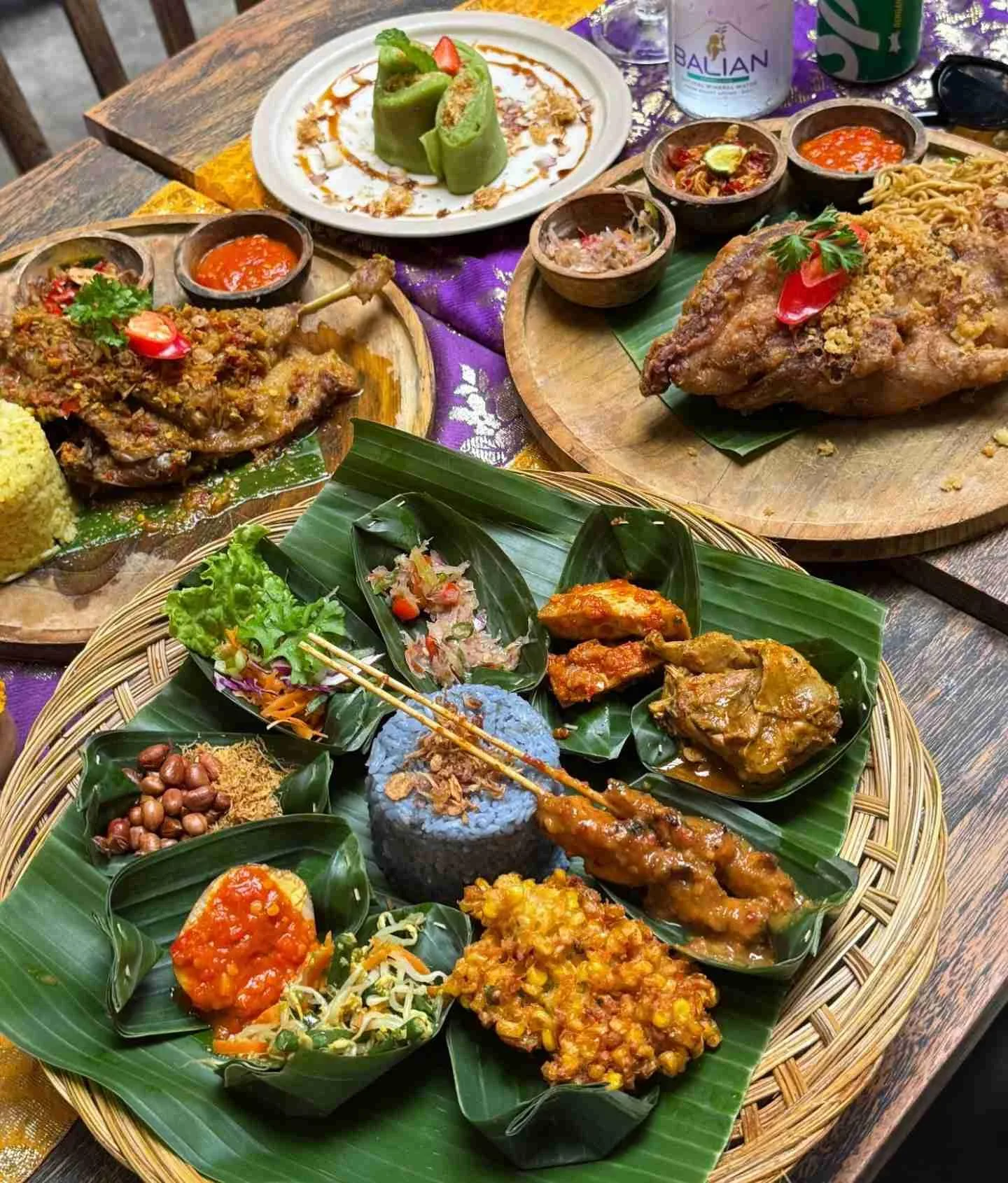
Nasi campur, meaning “mixed rice,” is the ultimate way to taste Bali on a single plate. A scoop of steamed rice is served with an assortment of side dishes, which may include sate, vegetables, fried tempeh, shredded chicken, spicy sambal, and sometimes beef rendang. No two plates of nasi campur are ever the same, making it an adventure every time.
Affordable, versatile, and filling, nasi campur is a staple at warungs and restaurants alike. It’s the perfect introduction to Bali’s diverse and colorful food culture.
7. Tempeh

Tempeh is a traditional Indonesian soy product that’s especially beloved in Bali. Made by fermenting soybeans into firm cakes, tempeh has a nutty flavor and dense texture. It’s often sliced and fried until crispy, then tossed in sweet soy sauce or sambal for a flavorful bite.
A staple protein for vegetarians and vegans, tempeh is also served alongside rice, salads, or curries. Beyond being tasty, it’s highly nutritious, packed with protein and fiber. In Bali, tempeh isn’t just food—it’s part of the island’s daily diet.
8. Nasi Goreng (Fried Rice)
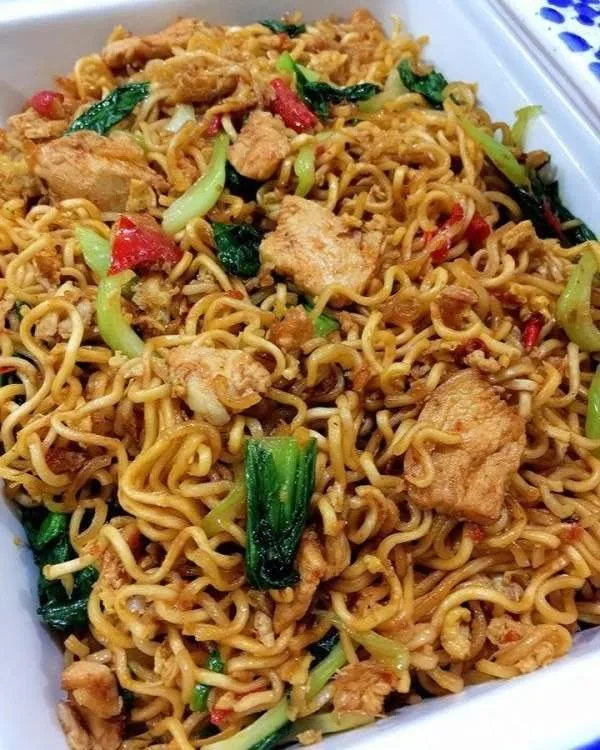
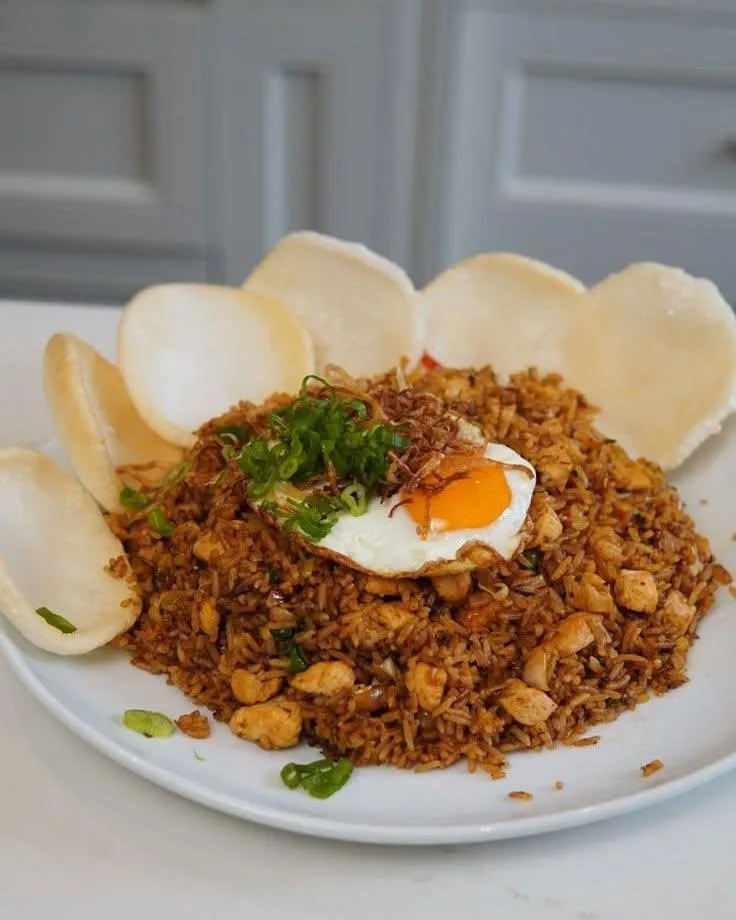
Nasi goreng is Indonesia’s national dish, and in Bali, it’s a must-have comfort food. Fried rice is cooked with garlic, shallots, chili, and kecap manis (sweet soy sauce), then topped with a fried egg. Often accompanied by satay skewers, pickled vegetables, and prawn crackers, it’s a complete meal in itself.
The dish can be customized with chicken, prawns, or tempeh, making it versatile and satisfying. Affordable, flavorful, and found everywhere from street stalls to hotels, nasi goreng is the dish that unites locals and visitors alike.
9. Babi Guling
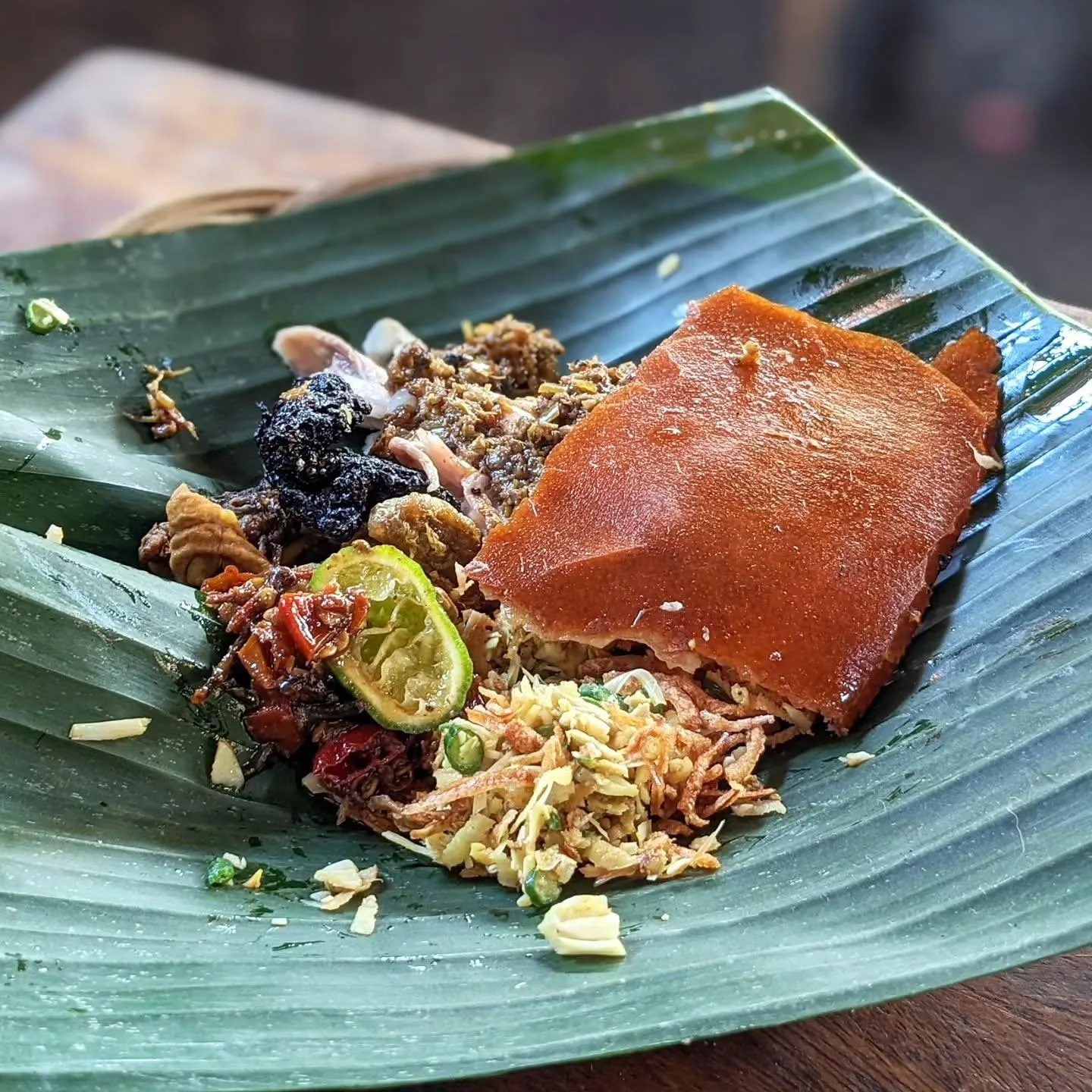
Babi guling, or Balinese suckling pig, is one of the island’s most iconic ceremonial dishes. The pig is marinated with turmeric, garlic, ginger, and a blend of local spices, then slow-roasted over an open fire until the skin turns crispy and golden.
The meat inside remains tender and juicy, often served with rice, lawar (spiced vegetables), and sambal.
Traditionally prepared for festivals and temple ceremonies, babi guling is now available at specialty restaurants across Bali. It’s a must-try for meat lovers seeking authentic Balinese flavors.
10. Sayur Urap
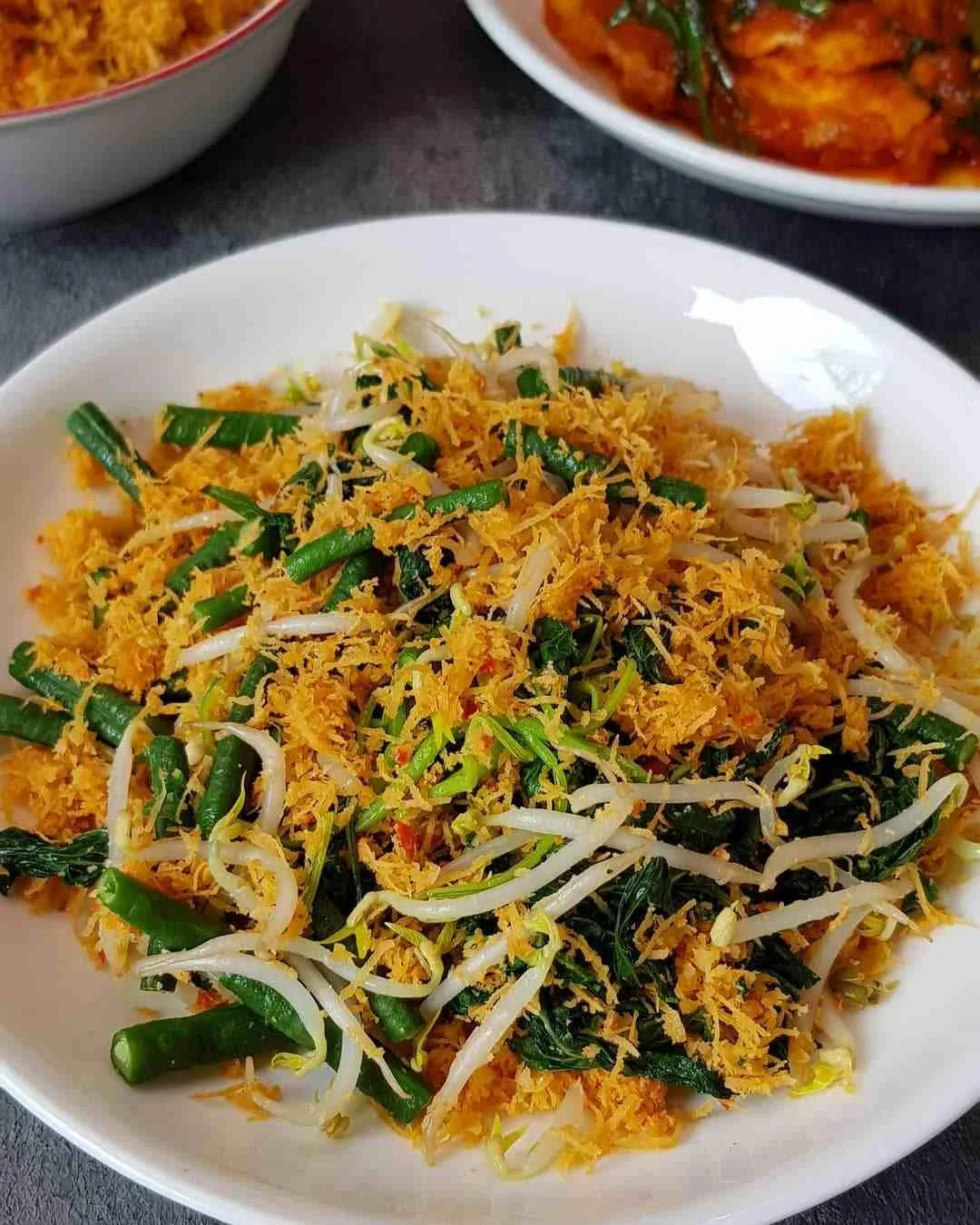
Sayur urap is a refreshing vegetable dish that balances flavor and nutrition beautifully. A medley of blanched greens—such as spinach, bean sprouts, cabbage, and long beans—is tossed with grated coconut seasoned with garlic, chili, and kaffir lime leaves.
Light, fragrant, and slightly spicy, it’s often served as a side dish with rice or part of a nasi campur plate.
Urap highlights Bali’s use of fresh produce and coconut in everyday cooking. For vegetarians and health-conscious eaters, sayur urap is a flavorful and wholesome choice.
Pro Tips for Foodies in Bali
- Eat at warungs: Local spots often serve the most authentic and affordable meals.
- Mind the spice: Balinese sambal can be fiery, so taste before you dive in.
- Try everything once: Even if it looks unusual, you might discover your new favorite dish.
- Respect traditions: Some foods are tied to ceremonies—when in doubt, ask.
Conclusion: Eating in Bali Is an Adventure for the Soul
So, after all this, what’s the verdict on what to eat in Bali? Honestly, everything. From the first spoonful of nasi goreng to the last bite of klepon, eating here isn’t just about filling your stomach—it’s about experiencing Bali’s culture, history, and love for the community.
Food in Bali has this magical way of connecting you to the island itself. It tells stories of families, traditions, and celebrations. It keeps you grounded, even while you’re chasing sunsets and hopping temples.
If you’re heading to Bali soon, promise me one thing: don’t just stick to fancy cafés or hotel restaurants. Step into the warungs, wander through night markets, sip coffee with locals, and say yes to dishes you’ve never heard of before. Because trust me, every bite brings you closer to the heart of the island.
And hey, if you’re already there, what are you waiting for? Go out, grab that plate of babi guling, and let Bali work its magic—one delicious bite at a time.