
Nara Japan Winter Travel Guide: Temples, Deer & Festivals
Have you ever wondered what makes Nara, Japan in winter such a dreamy destination? Most people think of Kyoto’s temples or Tokyo’s neon streets when planning a Japan trip, but let me tell you—Nara in winter is on another level.
I still remember walking through Nara Park with snowflakes falling on my coat, spotting deer peacefully grazing under white-dusted trees. It felt like stepping into a painting.
If you’re planning a winter getaway, this guide will help you explore the charm of Nara in the colder months. From snowy shrines to cozy food experiences, I’ll break it all down so you know exactly what to expect.
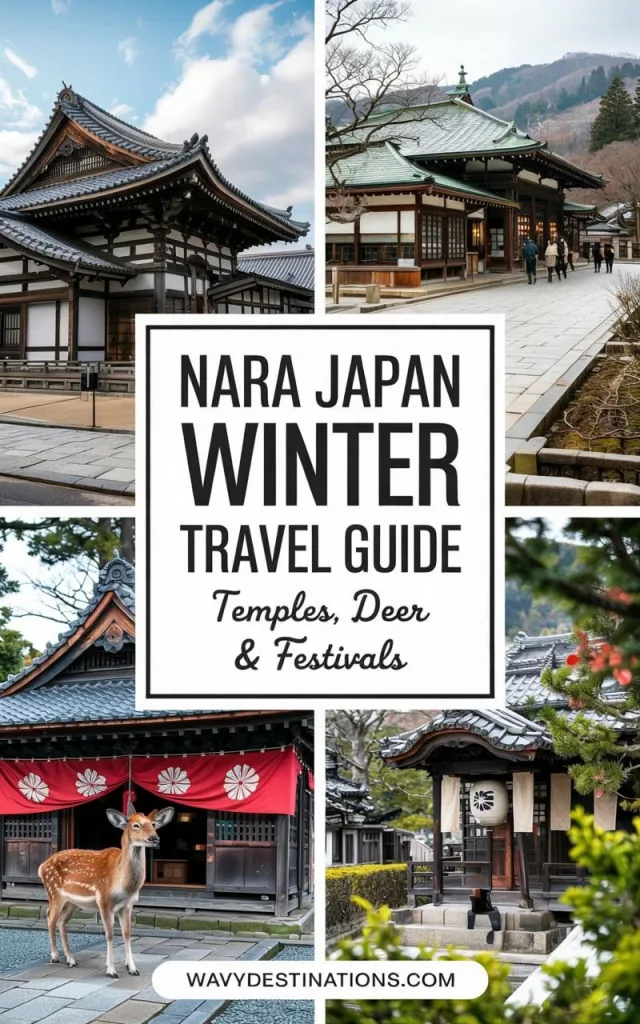
1. Snowy Nara Park with Deer
Nara Park is magical in winter, especially when light snow dusts the ground. The famous deer still roam freely, adding charm to the frosty scenery.
Feeding them shika senbei crackers while bundled up in a coat feels like stepping into a fairytale.
With fewer tourists around, you can enjoy quiet walks, watch deer wander under snow-covered trees.
And take in the peaceful atmosphere that makes Nara Park one of the most unique winter destinations in Japan.

2. Peaceful Todai-ji Temple
Todai-ji, home to the massive Great Buddha, is especially captivating in winter. The crisp, cold air and the occasional layer of snow make the temple grounds look even more majestic.
Unlike busier seasons, winter offers fewer crowds, giving visitors the chance to appreciate the temple’s calm atmosphere.
Walking up to the enormous wooden gate, hearing the crunch of snow beneath your feet, and entering the vast hall feels serene and unforgettable. It’s a must-see winter highlight in Nara.

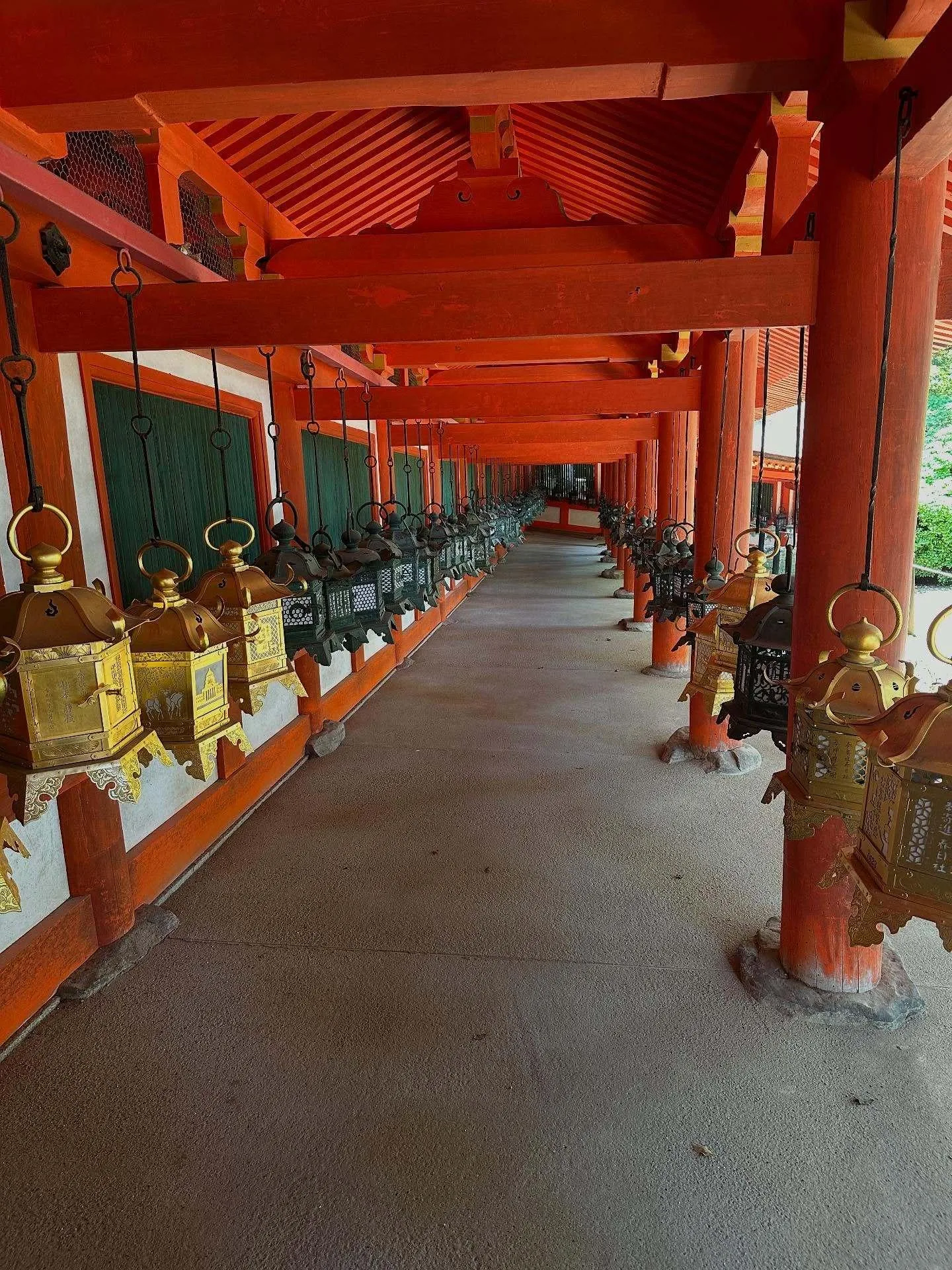
3. Lantern Glow at Kasuga Taisha
Kasuga Taisha Shrine is famous for its hundreds of stone and bronze lanterns, and in winter, they look breathtaking against a frosty backdrop.
Walking along the lantern-lined paths in the soft winter light feels like entering a mystical world.
The atmosphere is quiet and reflective, especially when snow gently rests on the mossy stone bases.
Visiting this sacred shrine during winter gives you a chance to appreciate its beauty without the usual crowds, making it even more special.
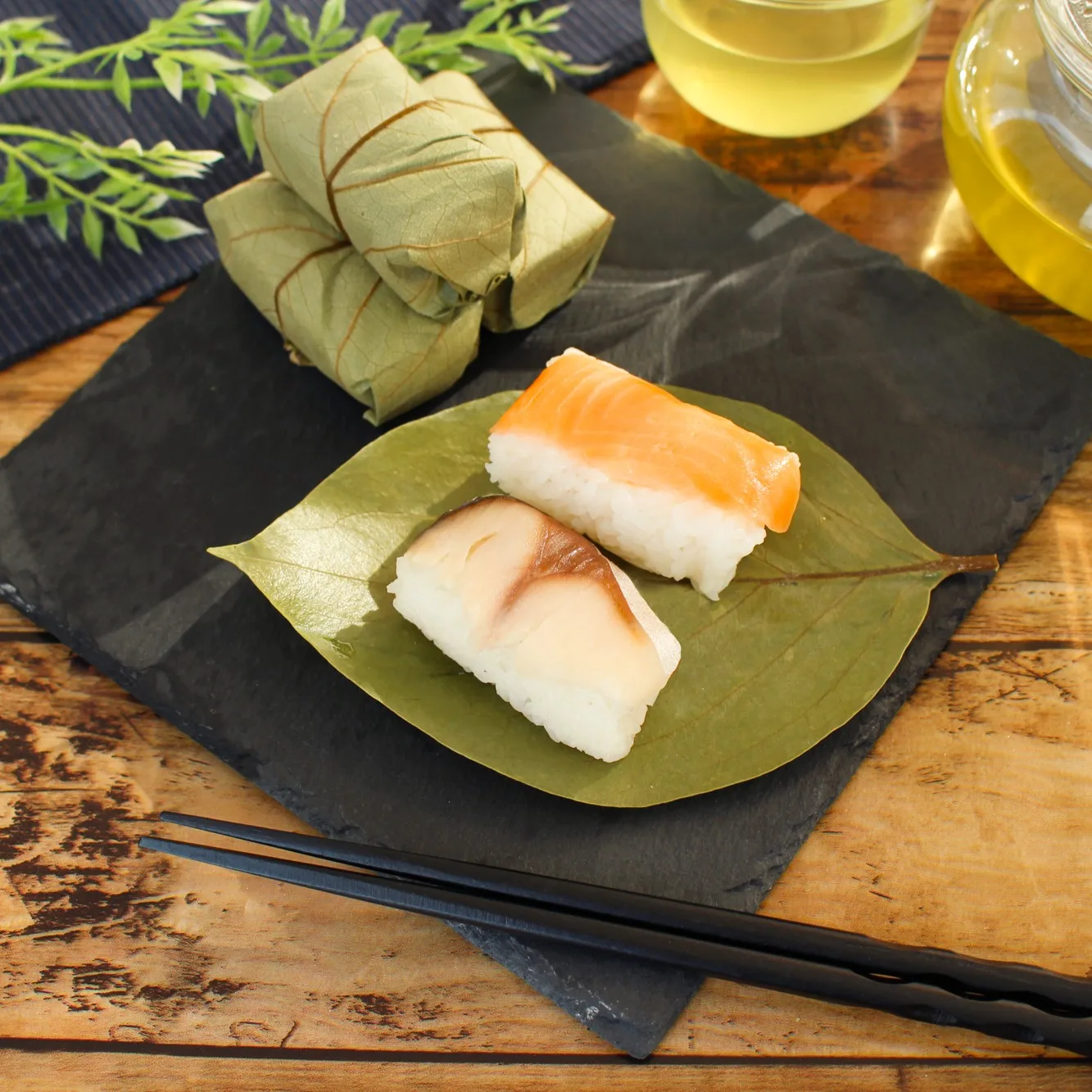
4. Warm Winter Foods
One of the best parts of visiting Nara in winter is indulging in its seasonal food.
Cold weather makes warm dishes like steaming bowls of udon, hearty oden stew, and rich ramen even more satisfying.
Don’t miss trying Kaki no Ha-zushi, Nara’s famous sushi wrapped in persimmon leaves. Pair your meal with locally brewed hot sake, and you’ll feel instantly cozy.
After exploring frosty temples and deer parks, nothing beats sitting down to enjoy Nara’s comforting winter flavors.
5. Wakakusa Yamayaki Festival
Held every January, the Wakakusa Yamayaki Festival is one of Nara’s most striking winter traditions.
Locals set fire to Mt. Wakakusa, creating a dramatic blaze that lights up the night sky.
The spectacle is paired with an impressive fireworks display, making it a breathtaking event to witness.
The festival combines cultural rituals with sheer visual wonder, and the sight of a burning mountain glowing against the cold winter night is something you’ll never forget. It’s pure winter magic.

6. Omizutori Fire Ceremony
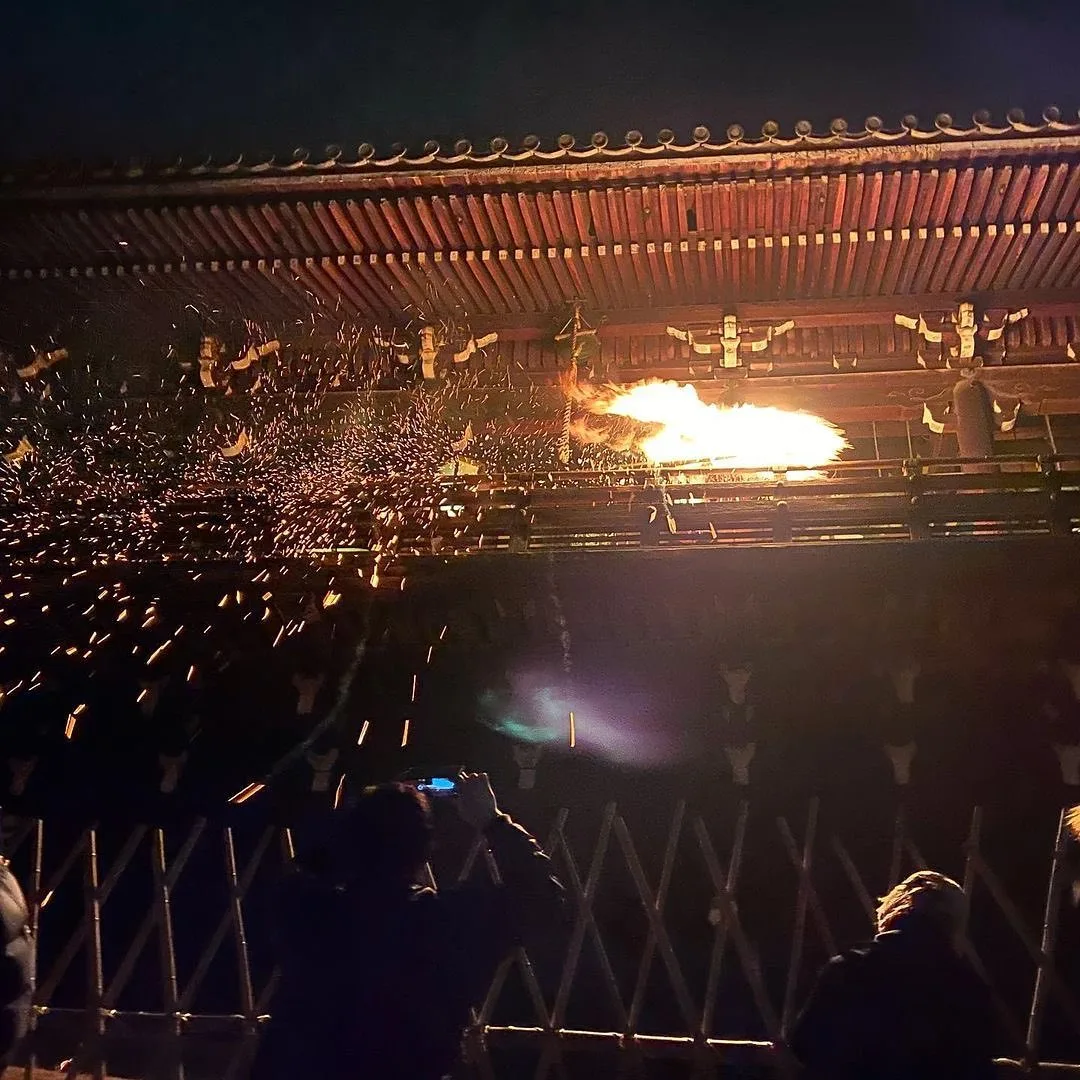
The Omizutori ceremony at Todai-ji’s Nigatsu-do Hall is a tradition dating back over 1,200 years.
Taking place in March, this ritual involves monks carrying massive torches, showering sparks into the night as a prayer for good fortune and the coming of spring.
Watching flames illuminate the ancient temple in the cold night air is an unforgettable experience.
The mix of spiritual energy, history, and fire against the winter sky makes Omizutori one of Nara’s most iconic events.
7. Cozy Ryokan Stays
Winter in Nara is the perfect time to book a stay at a traditional ryokan.
Imagine sliding open shoji doors to look out over a frosty garden, then curling up under a fluffy futon after a hot onsen bath.
Many ryokans serve multi-course kaiseki dinners, making the experience both relaxing and indulgent.
The combination of warmth, hospitality, and traditional charm makes winter stays especially cozy. Trust me—spending a night in a ryokan is a memory you won’t forget.

8. Easy Day Trip Access
One of the great things about Nara is how easily accessible it is, even in winter. From Kyoto or Osaka, you can reach Nara in under an hour by train, making it an ideal day trip.
The short travel time means you can explore temples, meet the deer, and enjoy local food all in one day without feeling rushed.
The convenience, paired with winter’s quiet atmosphere, makes Nara a stress-free and rewarding addition to any Japan itinerary.

9. Perfect Winter Photos
If you’re into photography, Nara in winter is a dream. Snow-dusted pagodas, deer standing against frosty trees, and the lanterns of Kasuga Taisha.
Glowing in soft light make incredible photo subjects. Even simple street views feel cinematic in the crisp winter air.
Early mornings are especially rewarding, as you’ll capture the serene beauty of temples and parks with almost no one around.
Whether you’re a casual traveler or a pro with a camera, Nara’s winter scenery is unforgettable.

10. Relaxed Atmosphere
Unlike the busy spring cherry blossom season or the colorful autumn crowds, winter in Nara is refreshingly calm.
The slower pace lets you enjoy temples, shrines, and deer encounters without feeling rushed or overwhelmed.
Streets feel quieter, shops less crowded, and the whole city carries a peaceful winter charm.
If you’re the type of traveler who prefers space to breathe and moments of stillness, visiting Nara in winter is the perfect way to experience Japan’s cultural beauty.

What to Wear in Nara in Winter?
Packing right makes or breaks a winter trip. Don’t worry, I’ve got you covered.
Essentials to bring:
- Layered clothing → Base layer, sweater, and a warm coat.
- Gloves and hat → For temple walks and deer feeding.
- Comfortable shoes → Warm socks are a must if you’re walking a lot.
- Heat packs (kairo) → You can buy them at convenience stores for cheap.
Trust me, staying warm means you’ll enjoy exploring instead of shivering.
How to Get to Nara in Winter?
One of the best things about Nara? It’s super accessible.
- From Osaka → 45 minutes by train.
- From Kyoto → About 35–40 minutes.
- From Tokyo → 3–4 hours via Shinkansen + local train.
Pro tip: Stay in Osaka or Kyoto and make Nara a day trip. But if you want to soak up the atmosphere, an overnight stay in Nara is amazing.
Conclusion: Nara in Winter—Worth It?
So, is Nara Japan winter travel worth the trip? IMO, absolutely. Between snow-dusted temples, playful deer, warm winter food, and unforgettable festivals, Nara offers a side of Japan that feels both peaceful and magical.
If you’re planning a Japan trip, don’t just stick to the big cities—make space for Nara in your itinerary. Who knows? You might end up, like me, standing in Nara Park with a deer by your side, snowflakes in your hair, thinking, “This is the Japan I’ve always dreamed of.”