
What to Eat in Rome –10 Iconic Roman Dishes You Must Try in the Eternal City
If you’ve ever strolled Rome’s cobbled lanes with an empty stomach, you know the struggle is real: trattorie on every corner, menus shouting carbonara! amatriciana! cacio e pepe! and your brain whispering, uh, where do I even begin? Same.
On my first visit, I spent half an afternoon chasing the smell of sizzling guanciale through Trastevere before realizing the city itself was my menu.
Roman food isn’t about pomp—it’s about history, bold flavor, and a touch of la dolce vita. Recipes here have survived centuries, handed down nonna-to-nonna, shaped by farm life, the Jewish Ghetto, and a deep love for seasonality.
Whether you’re a pasta purist or curious about offal stews, figuring out what to eat in Rome is part treasure hunt, part rite of passage.
So grab your appetite (and maybe stretchy pants), because we’re about to map out the city’s can’t-miss bites.

1. Spaghetti alla Carbonara
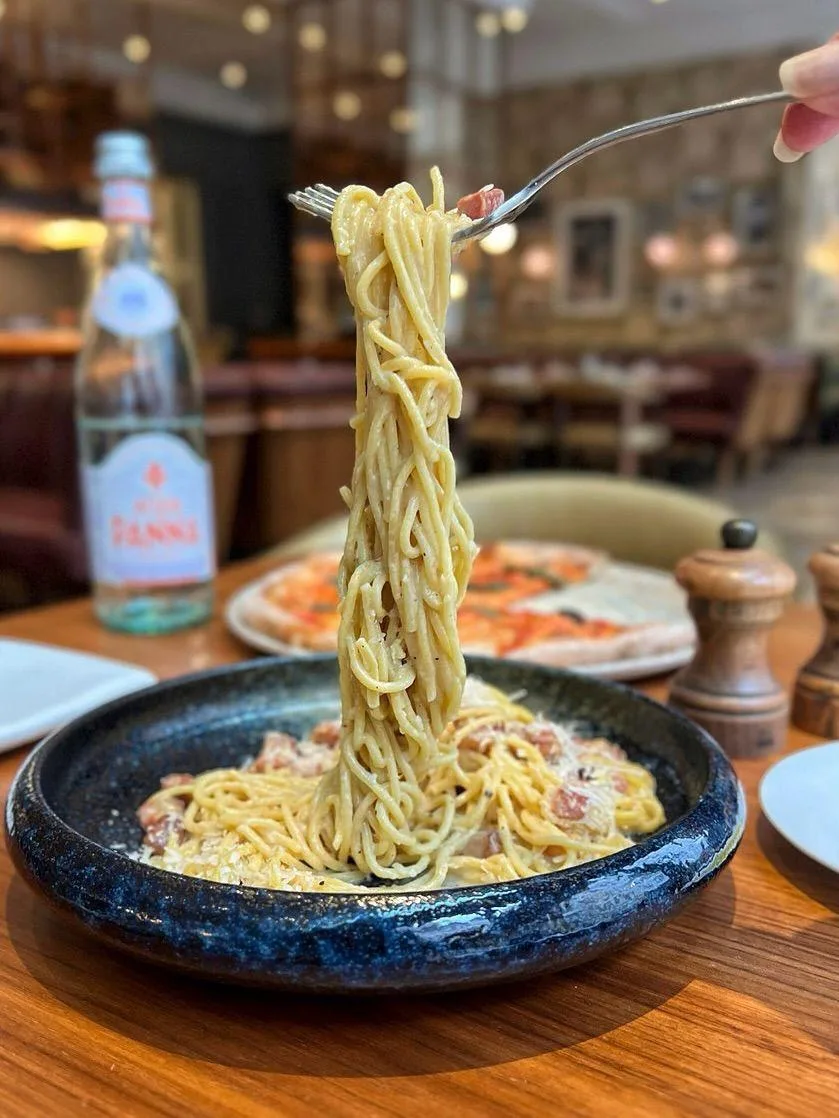
This quintessential Roman pasta combines al dente spaghetti with a silky emulsion of eggs, pecorino Romano, guanciale (cured pork cheek), and freshly cracked black pepper.
No cream is needed — the starch from the pasta and the gentle heat create the sauce’s luscious texture.
Each bite delivers a perfect marriage of salty pork, tangy cheese, and gentle spice, embodying Rome’s knack for turning humble ingredients into an indulgent classic. Best enjoyed hot, straight from the pan, with a sprinkle of extra pecorino for bite.
2. Cacio e Pepe
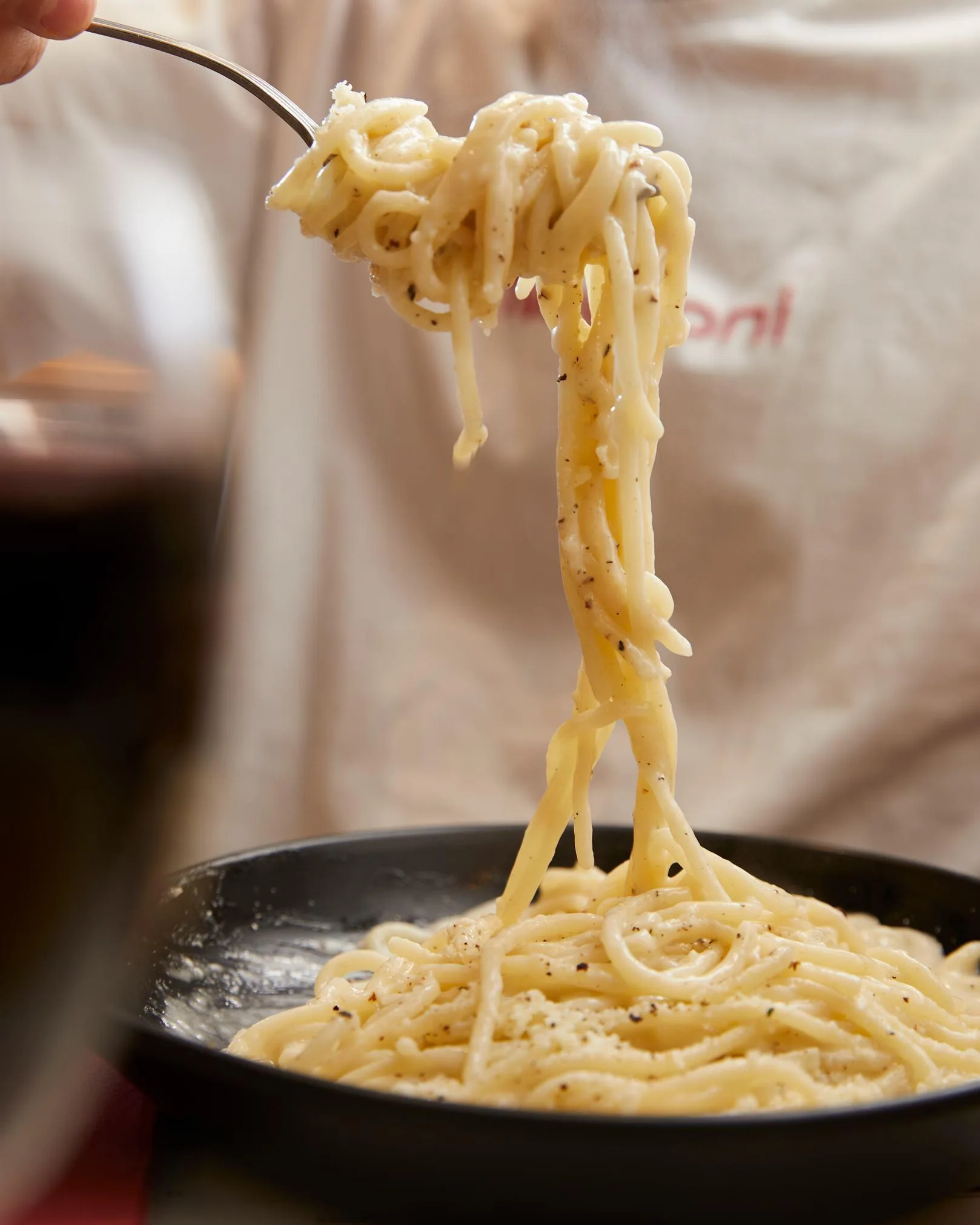
Literally meaning “cheese and pepper,” this dish distills Roman pasta to its essence. Spaghetti or tonnarelli is tossed with finely grated pecorino Romano and plenty of cracked black pepper, creating a glossy, creamy sauce without butter or cream.
Its brilliance lies in technique — the cheese melts with pasta water to coat every strand. Bold yet minimal, cacio e pepe showcases how two ingredients can produce a dish bursting with flavor, proving less is more in the Eternal City’s kitchens.
3. Pasta alla Gricia

Pasta alla gricia marries guanciale, pecorino Romano, and black pepper — leaving out tomato to let the pork’s savory richness shine. Originating in Lazio’s countryside, it’s sometimes called “white amatriciana,” offering a direct line to Rome’s pastoral past.
The rendered fat from the guanciale envelops the pasta, mingling with pecorino’s sharp tang to create a coating that is deeply satisfying.
Gricia’s understated elegance makes it a local favorite for lunch or late-night suppers, a dish that whispers Rome’s culinary roots.
4. Pasta all’Amatriciana

Named after the town of Amatrice, this pasta features guanciale sautéed until crisp, then simmered in a bright tomato sauce with pecorino Romano for tang.
Its rich red hue and comforting aroma have made it a Roman trattoria standard.
Amatriciana strikes a balance of savory, sweet, and sharp — the guanciale’s depth complements the tomatoes’ acidity.
Traditionally served with bucatini or spaghetti, it embodies Lazio’s rural traditions while delivering a modern burst of flavor beloved by locals and visitors alike.
5. Gnocchi alla Romana

Unlike potato gnocchi, Rome’s version is crafted from semolina, milk, butter, eggs, and pecorino.
The mixture is rolled out, cut into discs, layered in a baking dish, sprinkled with cheese, and baked until bubbly and golden.
The result is tender, airy rounds with a subtle nutty sweetness and a comforting richness that makes it a beloved comfort food.
Served hot, gnocchi alla Romana is perfect for chilly evenings, pairing beautifully with a crisp white wine or as a hearty first course.
6. Saltimbocca alla Romana

Thin veal slices are layered with prosciutto and sage, then gently sautéed in butter and white wine.
Saltimbocca’s name means “jump in the mouth,” a nod to its vibrant yet subtle flavor. The salty prosciutto infuses the tender veal, while sage adds a fragrant herbal note.
The pan juices reduce into a delicate sauce, creating a dish that feels both luxurious and approachable. Served alongside sautéed greens or roast potatoes, it’s a Roman restaurant favorite that balances elegance with ease.
7. Abbacchio Scottadito
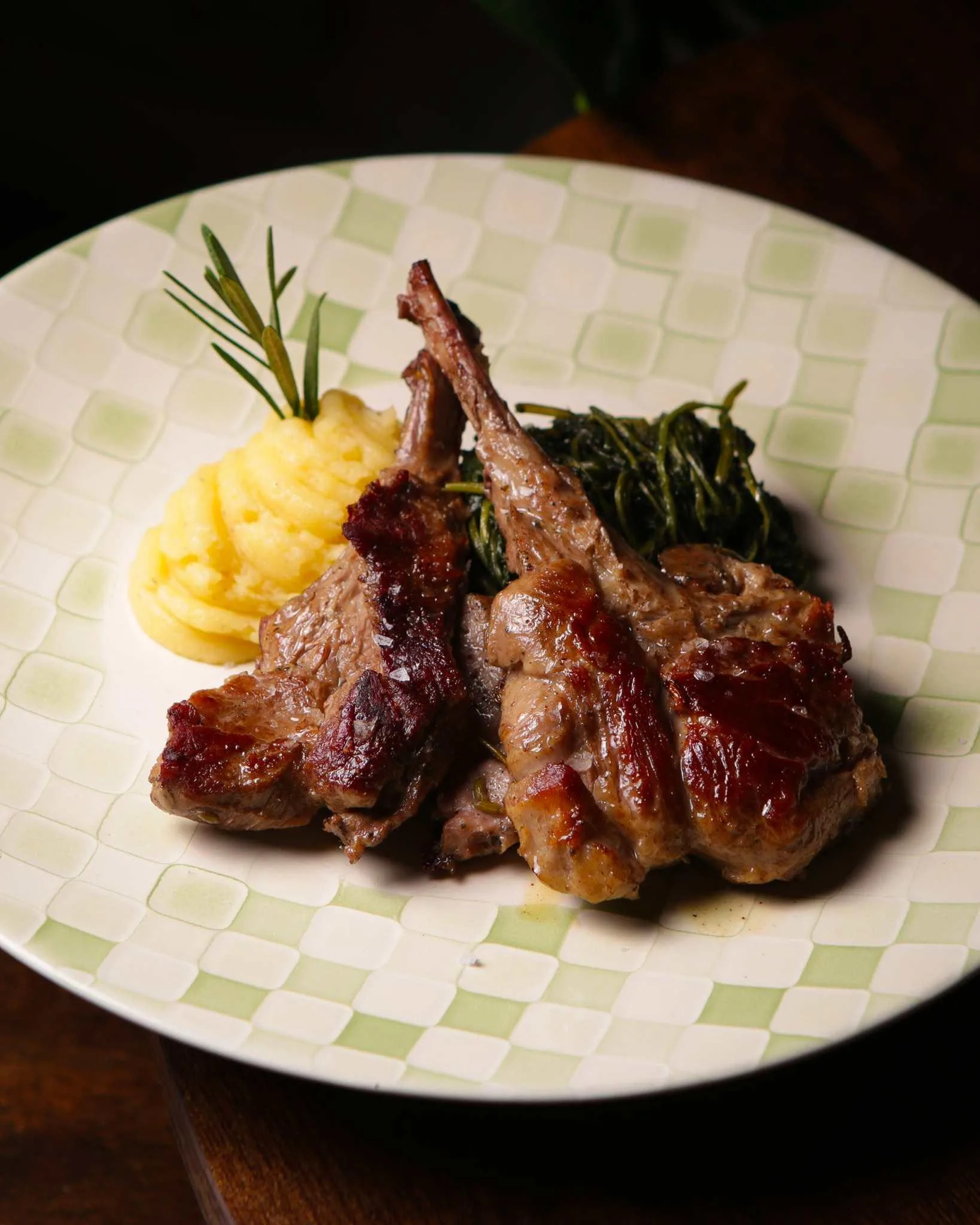
Traditionally prepared for spring festivals, abbacchio scottadito features young lamb chops marinated with olive oil, garlic, and herbs before being grilled over high heat.
“Scottadito” translates to “burnt fingers,” implying they’re so tempting you’ll grab them while still sizzling.
The meat’s tenderness and mild flavor pair beautifully with rosemary or thyme, offering a rustic, satisfying taste of Rome’s pastoral heritage.
Served with roasted potatoes or a crisp salad, these chops remain a timeless symbol of Lazio’s seasonal celebrations.
8. Coda alla Vaccinara

Oxtail is simmered for hours with celery, carrots, onions, tomatoes, and a splash of wine until the meat falls off the bone. This robust stew traces its roots to Rome’s historic slaughterhouse district, where butchers made the most of every cut.
The resulting sauce is thick, velvety, and layered with savory sweetness, perfect for mopping up with crusty bread.
Coda alla vaccinara is a wintertime staple, embodying Roman cucina povera the art of transforming humble ingredients into extraordinary, soulful meals.
9. Trippa alla Romana

Tripe (beef stomach) is gently simmered in tomato sauce with onions, mint, and pecorino Romano, producing a tender, savory plate infused with herbal brightness.
Though it’s an acquired taste for some, Romans prize trippa as a nostalgic comfort food reflecting the city’s frugal ingenuity. Its subtle chew contrasts with the sauce’s hearty depth, making each bite complex yet approachable.
Served hot on Sundays in many trattorias, trippa alla Romana offers a glimpse into the capital’s culinary resilience and resourceful past.
10. Carciofi alla Giudia

Born in Rome’s Jewish Ghetto, this dish transforms whole artichokes into golden, crunchy marvels. The artichokes are flattened and twice-fried in olive oil until the leaves bloom outward, crisp like petals, while the heart remains tender and nutty.
Lightly salted, carciofi alla Giudia bridges cultures and centuries, symbolizing the fusion of Jewish and Roman traditions.
Its irresistible crunch and earthy sweetness make it a must-try spring delicacy, equally delightful as a starter, side, or snack alongside a glass of chilled white wine.
Quick Tips for Eating Like a Local
- Timing matters: Romans dine later—aim for 8 p.m. or later for dinner.
- Look for crowds of locals: A packed trattoria with no English menu is your friend.
- Respect pasta rules: Al dente isn’t negotiable!
- Don’t overtip: Service is usually included; round up a euro or two.
Final Bite—Taste of Eternity
Roman cuisine isn’t about complexity — it’s about character. Every forkful of carbonara, every crisp artichoke, every slow-braised oxtail speaks of centuries of craft passed quietly from one kitchen to the next. Eating in Rome is more than satisfying hunger; it’s sharing in the city’s history, its markets, and the pride of generations.
Whether you’re perched on a trattoria terrace or cooking at home, these ten dishes bring you closer to the Eternal City with every delicious, memory-making bite.