
10 Japan Foodie Guide: Explore Iconic Dishes & Flavors
If you’ve ever dreamed of eating your way through Japan, you’re in the right place. This Japan Foodie Guide is all about exploring the country’s culinary treasures in a way that feels like you’re traveling with a foodie friend (yep, that’s me). From sizzling street eats to elegant Kaiseki dinners, Japan’s food scene is not just a meal—it’s a cultural adventure.
I still remember my first trip to Tokyo. I walked into a tiny ramen shop, ordered from a vending machine without knowing a word of Japanese, and ended up with one of the best bowls of noodles in my life.
That’s when it hit me: food here is more than just sustenance—it’s an art form. And trust me, once you dive into Japan’s flavors, you’ll never see “Japanese food” in the same way again.
Ready to eat your way across Japan? Let’s dig in. 🍜

Why Japan Is a Foodie Paradise?
Before we start slurping noodles and nibbling on sushi, let’s talk about why Japan is such a dream for food lovers.
- Diversity of flavors: From umami-rich broths to delicate sushi, there’s something for every palate.
- Seasonality: Japanese chefs pride themselves on highlighting seasonal ingredients.
- Cultural depth: Every dish has a story, often tied to regional traditions.
- Street food + fine dining: Where else can you eat a ¥300 yakitori skewer one night and enjoy a Michelin-starred Kaiseki the next?
IMO, Japan strikes the perfect balance between casual comfort eats and refined, Instagram-worthy experiences.
1. Sushi (寿司): Japan’s Bite-Sized Masterpiece
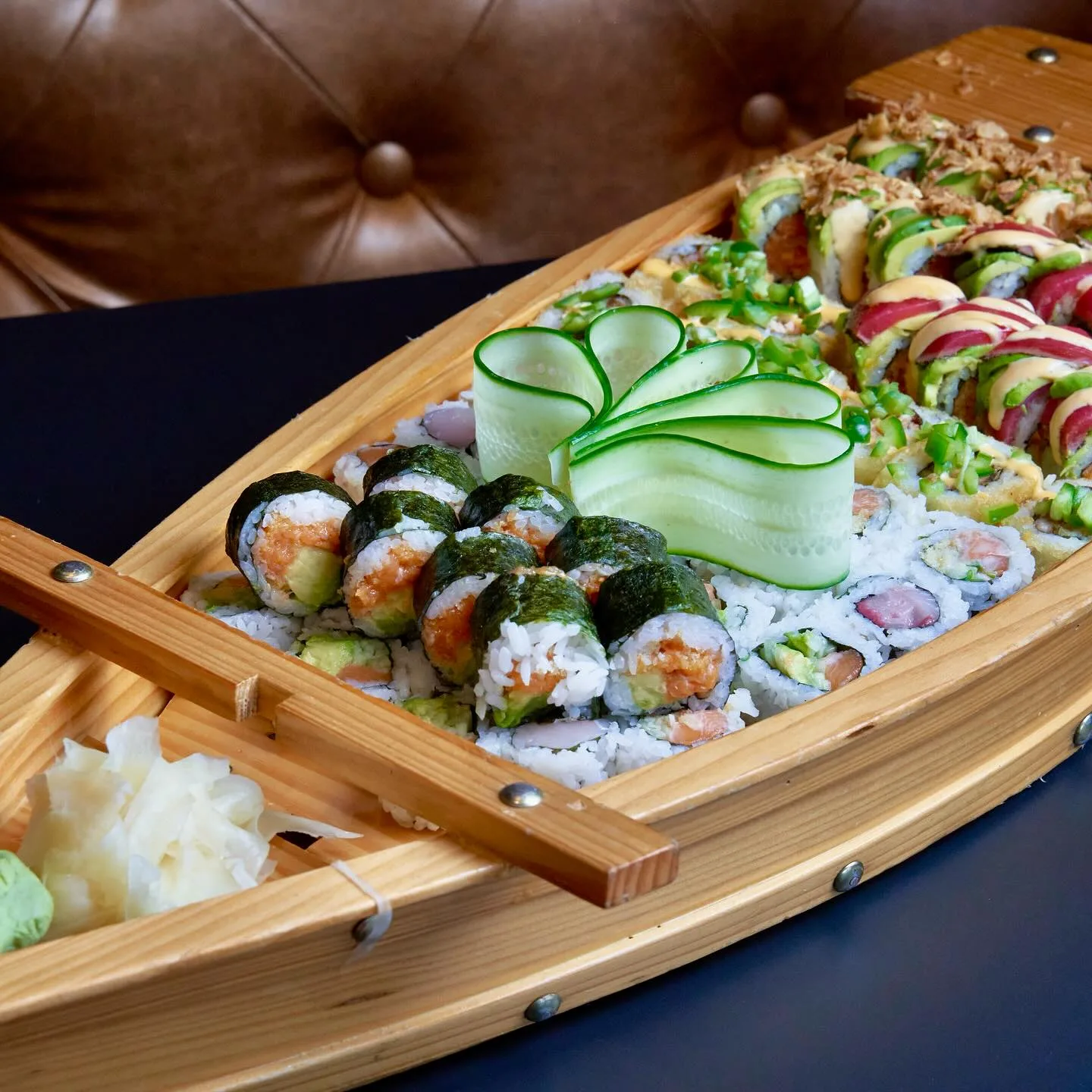
Sushi is Japan’s most famous export, but nothing compares to eating it right at the source. Here, sushi is elevated to an art form, with chefs dedicating years to mastering knife skills, rice preparation, and presentation.
Why You Need to Try Sushi?
- Unmatched Freshness: From markets straight to the table, the seafood is top-tier. Even the sushi rice, seasoned with just the right touch of vinegar, sugar, and salt, plays a starring role.
- So Many Styles: Japan’s sushi scene goes far beyond rolls. Sample chirashi (sashimi over rice), temaki (hand rolls), or the traditional edomae sushi that originated in Tokyo.
- Cultural Insight: Sushi reflects Japan’s respect for precision and balance. Dining at a proper sushi-ya is like experiencing tradition on a plate.
2. Ramen (ラーメン): The Soul-Warming Noodle Bowl
Ramen isn’t just a quick bowl of noodles—it’s a symbol of Japanese comfort food. Though its roots trace back to China, Japan has completely transformed ramen into something uniquely its own. Every region adds its personal touch, making ramen one of the most exciting foods to explore as you travel across the country.
Why You Need to Try Ramen?
- Endless Flavors: Whether you’re into the creamy, hearty tonkotsu broth of Fukuoka, the light shio ramen of Hakodate, or the bold miso version from Sapporo, there’s a bowl for every taste bud.
- Cultural Vibe: Eating ramen at a local ramen-ya (ramen shop) is more than food—it’s a cultural experience. The fast-paced, lively atmosphere adds to the magic.

3. Tempura (天ぷら): Golden, Crispy Perfection in Every Bite
Tempura is one of Japan’s most iconic dishes, and for good reason. Fresh seafood, seasonal veggies, or even mushrooms are dipped in a light batter and fried to create that crispy, airy crunch everyone loves. It’s never greasy—just perfectly delicate and flavorful.
Why Tempura is a Must-Try?
- Light & Crispy Batter: The secret lies in icy-cold water and minimal mixing—techniques Japanese chefs have mastered to keep tempura airy and crisp.
- Endless Variety: From shrimp and white fish to mushrooms, sweet potatoes, and eggplant, every bite highlights a different flavor.
- Different Serving Styles: Enjoy it dipped in a soy-based tentsuyu sauce, paired with noodles as tempura soba, or served over rice in a tendon bowl.

4. Okonomiyaki (お好み焼き): The Art of Fine Japanese Dining
Think of okonomiyaki as Japan’s answer to comfort food—a savory pancake layered with flavor. The name literally means “grill what you like,” and true to form, it’s endlessly customizable. Osaka and Hiroshima are famous for their own unique takes on this dish.
The Appeal of Okonomiyaki
- Custom Creations: Add pork belly, shrimp, cheese, or even mochi. There’s no “wrong” way to build your pancake.
- Cook-It-Yourself Fun: Many restaurants let you grill your own okonomiyaki right at the table, making it a fun, interactive meal.
- Regional Styles: Osaka mixes all ingredients together, while Hiroshima layers them for a completely different taste and texture. Both are worth trying.

5. Kaiseki (懐石料理): The Art of Fine Japanese Dining
Kaiseki is the pinnacle of Japanese fine dining—a multi-course meal designed around harmony, seasonality, and artistry. Every dish, from the smallest appetizer to the final sweet, is beautifully crafted to reflect nature and the season.
Why Kaiseki Is a Foodie’s Dream?
- Visual Artistry: Each plate looks like a painting, with colors, textures, and garnishes arranged with care. Even the tableware complements the season.
- Fresh & Seasonal: Kaiseki chefs use only the freshest local ingredients, creating a true reflection of the time of year.
- Showcase of Technique: Expect a progression of cooking styles—grilled, simmered, steamed, and fried—each highlighting the depth of Japanese cuisine.

6. Takoyaki (たこ焼き): Osaka’s Irresistible Octopus Snack
If Osaka had a mascot food, it would be takoyaki. These golden, round balls are made from batter filled with diced octopus, green onion, and tempura crumbs, then cooked in a special griddle until crisp outside and gooey inside.
Why Takoyaki Wins Hearts?
- Layered Flavors: Topped with tangy takoyaki sauce, creamy mayo, and bonito flakes that “dance” from the heat, every bite is a flavor bomb.
- Street Food at Its Best: Quick, fun to eat, and cheap—you’ll find stalls at festivals, street corners, and markets across Japan.
- Osaka’s Pride: While you can eat takoyaki anywhere, Osaka’s local shops each add their own spin, making it a must-have when visiting the city.

7. Sukiyaki (すき焼き): A Sweet & Savory Hotpot Experience
Sukiyaki is a warm, communal hot pot dish that’s perfect for sharing. Thinly sliced beef, tofu, vegetables, and noodles are simmered in a sweet-savory broth right at the table, then dipped into raw egg for extra richness.
Why Sukiyaki is Unforgettable?
- Comforting Flavors: The combination of soy sauce, sugar, and mirin creates a sweet yet savory broth that pairs beautifully with tender beef.
- Interactive Dining: Cooking together at the table makes it both social and delicious—a meal and experience rolled into one.
- Traditional Roots: Often served on special occasions, sukiyaki gives you a taste of Japanese family traditions and celebrations.

8. Unagi (うなぎ): Grilled Eel with Legendary Flavor
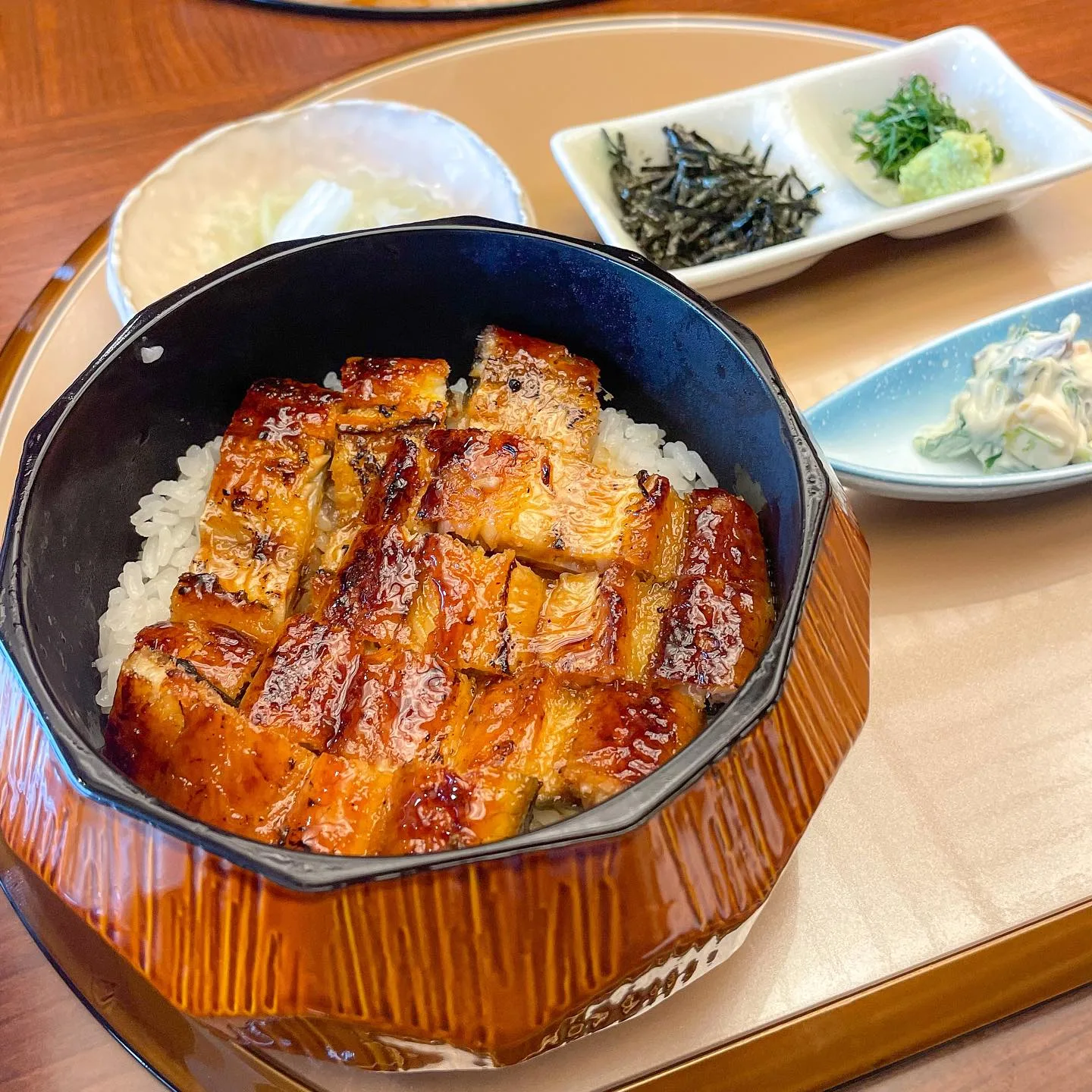
Unagi, or freshwater eel, is considered a luxury dish in Japan, especially popular during the hot summer months. Grilled to perfection and brushed with a sweet soy-based sauce called kabayaki, unagi is typically served over rice.
Why Unagi is a Treasure?
- Deep Flavor: The rich, buttery meat with its caramelized kabayaki glaze is unlike any other Japanese dish.
- Cultural Tradition: Japanese people eat unagi on “Doyo no Ushi no Hi,” a midsummer day believed to boost stamina and fight fatigue.
- Premium Experience: Properly grilled unagi is a skillful art, often found in specialty restaurants that elevate it to a fine-dining experience.
9. Mochi (餅): Chewy Sweet Treat with a Cultural Twist
Mochi is more than just a sweet—it’s a cultural symbol in Japan. Made by pounding glutinous rice until sticky and elastic, mochi comes in endless forms, from desserts like daifuku (filled with red bean paste) to savory grilled mochi dipped in soy sauce.
Why Mochi is Special?
- Variety Galore: Mochi can be soft and sweet, stuffed with ice cream, or even grilled for a chewy-savory bite.
- Cultural Importance: Mochi is tied to tradition, especially the New Year’s mochitsuki ceremony where families pound rice together.
- Unique Texture: That chewy, stretchy bite is unlike anything else—an experience in itself.

10. Tonkatsu (とんかつ): Crispy Cutlet That Steals the Show
If you love comfort food, tonkatsu is going to be your best friend in Japan. This dish is basically a thick, juicy pork cutlet that’s breaded with panko crumbs and deep-fried until golden brown. It’s crunchy on the outside, tender inside, and usually served with shredded cabbage and a tangy, slightly sweet tonkatsu sauce.
Why Tonkatsu Deserves a Spot on Your Plate?
- Crispy & Juicy Combo: That panko coating delivers the ultimate crunch, while the pork stays juicy and satisfying.
- Versatile Dish: Enjoy it solo with rice and miso soup, tucked into a sandwich as katsu sando, or as katsu curry smothered in rich Japanese curry sauce.
- Everyday Favorite: Unlike Kaiseki or Unagi, tonkatsu is casual and easy to find, making it a go-to comfort meal for locals and travelers alike.

Japanese Street Food You Can’t Miss
Street food culture in Japan is vibrant, especially during festivals. Here are some favorites:
- Taiyaki: Fish-shaped pastry filled with sweet red bean paste or custard.
- Ikayaki: Grilled squid on a stick.
- Kakigori: Shaved ice with colorful syrups, perfect for summer.
- Dango: Skewered rice dumplings with sweet soy glaze.
FYI: Street food in Japan is generally super affordable, so you can try a little of everything without breaking the bank.
Drinking Culture: Beyond Just Sake
Japanese food is even better when paired with drinks. Here’s the lowdown:
- Sake (Nihonshu): Made from rice, can be enjoyed warm or chilled.
- Shochu: A distilled spirit, lighter than whiskey but stronger than sake.
- Highballs: Whiskey mixed with soda water—popular at izakayas.
- Green tea & Matcha: Non-alcoholic but essential for the Japanese dining experience.
Conclusion
And there you have it—your ultimate Japan Foodie Guide. From slurping ramen in Fukuoka to savoring Kaiseki in Kyoto, every bite in Japan tells a story.
Food here isn’t just about flavor; it’s about culture, tradition, and sometimes even surprise (looking at you, Takoyaki filled with piping-hot octopus 🐙).
So, are you ready to pack your chopsticks and hop on a plane? Because Japan is waiting, and its food scene is calling your name. Whether you’re a first-time traveler or a seasoned globetrotter, one thing’s for sure: Japan will turn you into a lifelong foodie.