
Gluten-Free Potato Flatbread Recipe
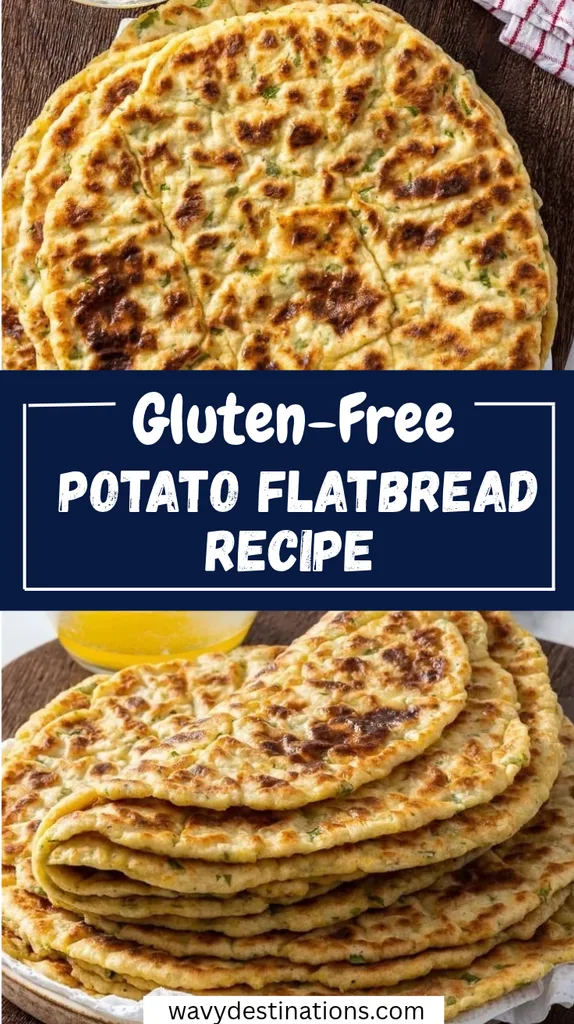
I made these soft Gluten-Free Potato Flatbreads for a cozy weekend lunch recently, and they were an absolute triumph on the table. After kneading and pan-searing this dough myself, I can tell you that combining fluffy riced potatoes with millet flour, psyllium husk, shredded cheddar, and fresh parsley yields the ultimate tender, pliable flatbread. The psyllium gel works absolute miracles to give gluten-free dough genuine elasticity, preventing any tearing when rolled paper-thin.
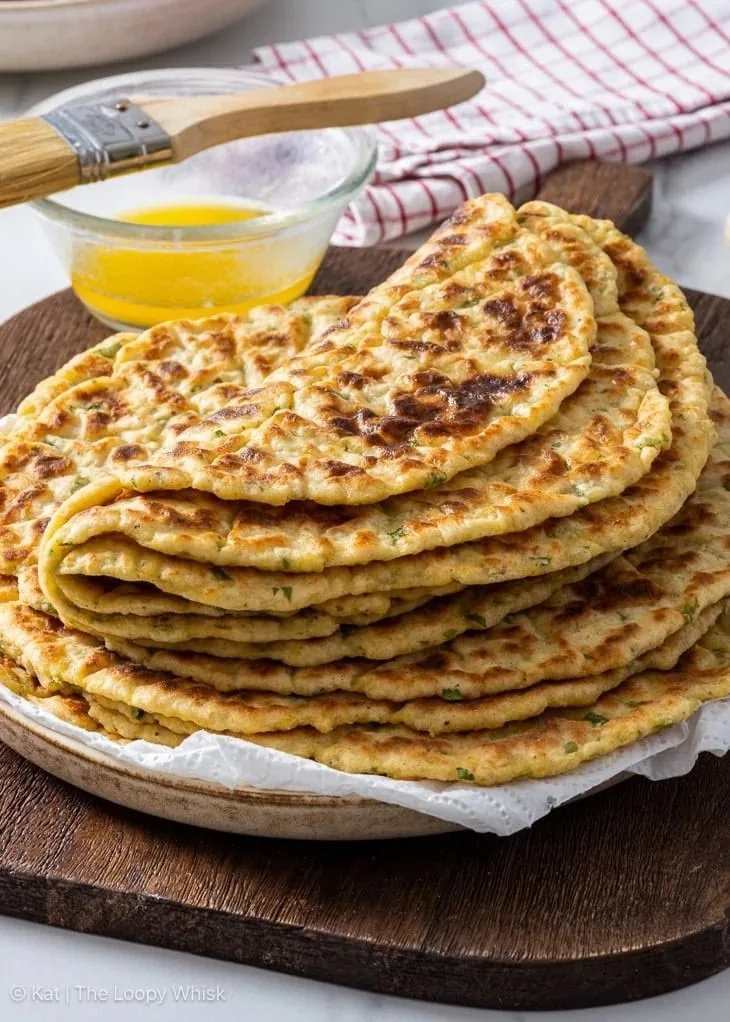
I was so amazed by how effortlessly brushing melted butter over the hot flatbreads creates those irresistible, browned, skillet-seared spots. Trust me, once you stack these warm, herb-speckled flatbreads straight off the cast-iron pan, they will quickly become your absolute favorite gluten-free bread recipe!
Ingredients
Here is everything you will need to prepare these pliable, cheese-and-herb flatbreads, along with helpful pro tips on why each component works so well.
- 2 medium potatoes (300g or 3 cups riced / 1½ cups mashed) – riced or mashed; provides moisture, tenderness, and a pillowy crumb texture.
- 25 g (5 tbsp) whole psyllium husk (or 21g psyllium husk powder) – essential binder that creates an elastic gel, supplying structure and pliability to gluten-free dough.
- 330 g (1¼ cups + 2 tbsp) lukewarm water – hydrates the psyllium husk to form a firm, springy dough gel.
- 180 g (1⅓ cups) millet flour (plus extra for dusting) – light, neutral gluten-free grain flour that mimics standard wheat flour elasticity (brown rice flour works equally well).
- 30 g (3½ tbsp) sorghum flour – adds a tender crumb and mild flavor balance (light buckwheat, teff, or oat flour can be substituted).
- ½ tsp baking powder – gives a subtle rise and keeps the flatbreads soft and airy inside as they sear.
- 1 tsp salt – seasons the grain flours and enhances the savory potato profile.
- ½ tsp ground pepper – provides a gentle spicy warmth throughout the dough.
- ½ tsp garlic powder – infuses every flatbread with a subtle, aromatic garlic depth.
- 50 g (about ½ cup) coarsely grated cheddar cheese – melts into the warm dough, adding richness and savory flavor.
- 6 tbsp chopped fresh parsley – adds a pop of vibrant green color and herbaceous freshness to the dough.
- 55 g (½ stick) unsalted butter, melted – brushed liberally over the flatbreads while searing to lock in softness and flavor.
Note: Yields 8 large flatbreads (about 9-inch diameter each).
Variations
If you want to tailor these flatbreads for different dietary needs or savory flavor twists, try these simple ingredient swaps.
- Dairy-Free / Vegan Alternative: Swap the shredded cheddar for your favorite plant-based cheese or nutritional yeast, and brush with melted vegan butter or olive oil.
- Garlic-Herb Infused Butter: Stir minced fresh garlic and extra chopped chives into the melted butter before brushing for a restaurant-style garlic naan feel.
- Spiced Curry Twist: Add ½ teaspoon of ground cumin, turmeric, and smoked paprika into the dry flours for a vibrant, golden spiced flatbread.
Cooking Time
Planning your bread-making schedule is completely simple with this clear time breakdown.
- Prep Time: 25 minutes
- Cooking Time: 20 minutes
- Total Time: 45 minutes (excluding potato boiling time if starting from raw)
Equipment You Need
Having these essential kitchen tools ready before you begin will make kneading, rolling, and searing your flatbreads completely smooth and effortless.
- Large cast-iron skillet or heavy pan – holds heat evenly to produce authentic golden-brown seared spots on the flatbread surface.
- Potato ricer – yields light, lump-free potato shreds that blend seamlessly into the gluten-free flour dough.
- Rolling pin – rolls the springy dough balls out into thin, 9-inch rounds.
- Pastry brush – brushes melted butter evenly over both sides of the flatbreads as they cook in the skillet.
How to Make Gluten-Free Potato Flatbread?
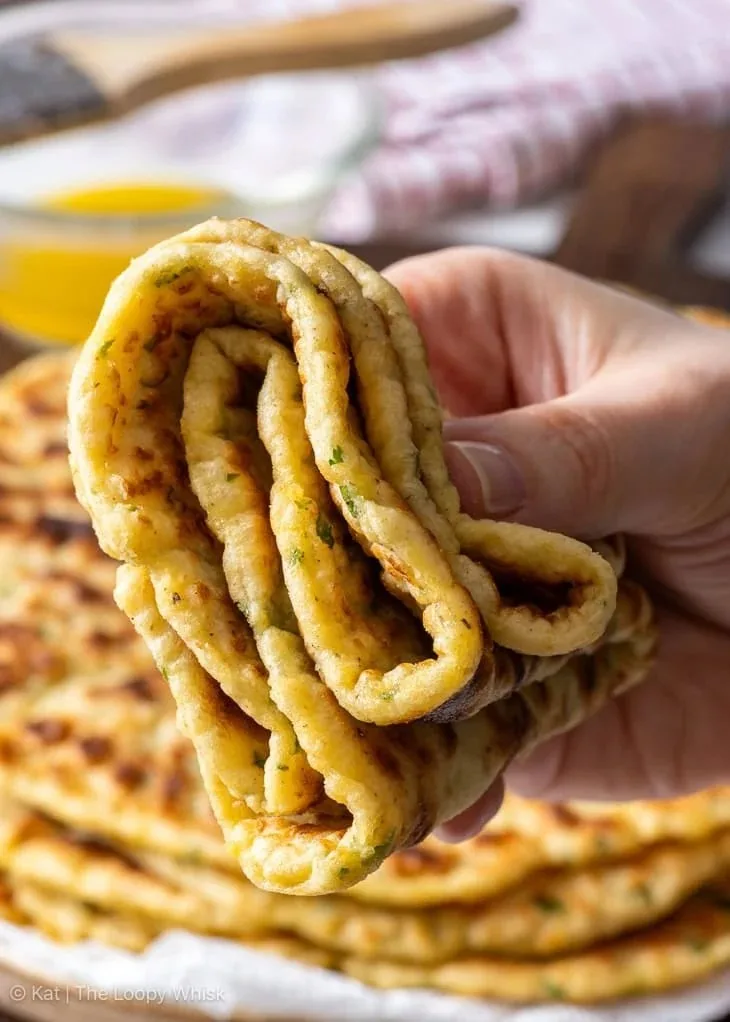
Creating tender, non-crumbly gluten-free flatbread relies on making a hydrated psyllium gel first and rolling the dough paper-thin. By searing in a dry, hot skillet and brushing with melted butter during flipping, you achieve a soft, restaurant-quality flatbread that folds easily.
Preparing the Potatoes
If using raw potatoes, place washed skin-on potatoes into a pot of cold water, bring to a boil, and cook until fork-tender (about 30 minutes). Cool until warm, peel, and press through a potato ricer to yield 300g (3 cups) of light riced potatoes. If using leftover mashed potatoes, ensure you have 300g (1½ cups) at room temperature that are not overly laden with heavy cream or milk.
Making the Psyllium Dough
In a large bowl or stand mixer bowl, whisk the 25g whole psyllium husk with 330g lukewarm water and let sit for 30 to 45 seconds until a firm gel forms. In a separate bowl, whisk together the 180g millet flour, 30g sorghum flour, ½ tsp baking powder, 1 tsp salt, ½ tsp pepper, and ½ tsp garlic powder. Add the riced potatoes, 50g grated cheddar, 6 tbsp chopped parsley, and the dry flour mixture into the psyllium gel. Knead by hand or with a dough hook until a smooth, springy, non-sticky dough forms.
Dividing and Rolling the Flatbreads
Turn out the dough onto a floured surface and divide evenly into 8 equal portions (about 115g each). Roll into dough balls and keep covered with a clean towel. Dust your work surface with flour and roll a dough ball out into a round, 9-to-9½-inch flatbread (about 1-2mm thin), rotating frequently to prevent sticking. Stack rolled flatbreads between sheets of parchment paper under a towel.
Searing in the Skillet
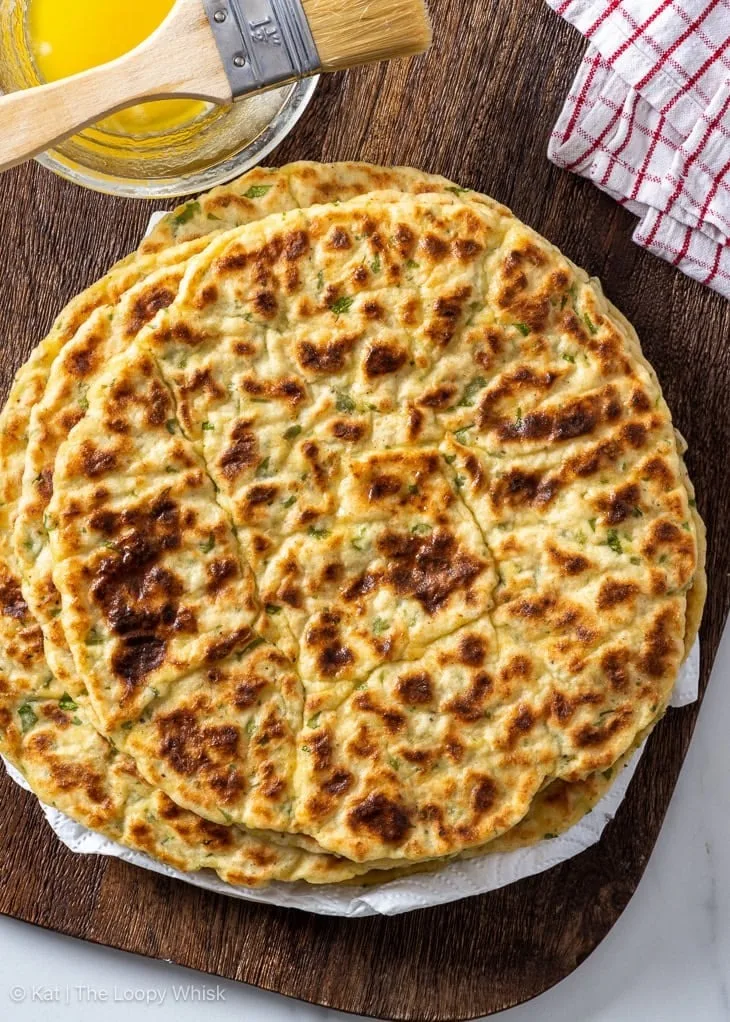
Preheat a heavy skillet over medium-high heat until a water droplet sizzles on contact. Lay a flatbread into the dry pan and cook the first side for 1 to 1¼ minutes until golden spots form. Flip, brush the top generously with melted butter, and cook the second side for 1 minute. Flip again, brush with melted butter, cook for 45 seconds until deep brown spots appear, and flip one final time for 30 seconds to finish. Repeat with remaining flatbreads and stack on a paper-towel-lined plate.
Additional Tips for Making this Recipe Better
Here are a few personal observations and tricks I learned while making these flatbreads that will help you achieve absolute perfection in your own kitchen.
- I always make sure to weigh the riced potatoes on a digital scale because density varies greatly depending on how tightly packed a measuring cup is.
- In my experience, if your dough feels a bit dry or sticky, adjust with just 1 tablespoon of extra water or millet flour to reach a supple, clay-like consistency.
- I love stacking the freshly cooked flatbreads on a paper-towel-lined plate without covering them with a towel, as they stay incredibly soft naturally without steaming into a soggy texture.
- Whenever I make these, I make sure the skillet is hot before dropping in the dough so the flatbread sears quickly instead of drying out over low heat.
How to Serve Gluten-Free Potato Flatbread?
Present these golden, herb-flecked flatbreads stacked warm on a wooden board or serving plate alongside extra melted butter for dipping. Serve them warm as a soft wrap for grilled meats, roasted vegetables, and falafel, or use them to mop up rich curry sauces, creamy hummus, and hearty winter stews.
Nutritional Information
Here is a quick overview of the estimated key nutritional metrics per serving (1 flatbread) for this recipe.
- Calories: 185 kcal
- Protein: 4 g
- Carbohydrates: 27 g
- Fat: 7 g
Make Ahead and Storage
Managing your meal prep or storing leftover gluten-free flatbreads is simple when following these easy guidelines.
Room Temperature Storage
Keep freshly seared flatbreads at room temperature in a covered dish or container for up to 12 hours. They will remain wonderfully soft and flexible throughout the day.
Refrigerator Guidelines
Store leftover flatbreads inside an airtight container in the refrigerator for 2 to 3 days. Reheat before serving to restore their original pillowy texture.
Freezing Process
Stack cooled flatbreads separated by parchment paper, wrap tightly in plastic wrap and aluminum foil, and freeze for up to 2 months. Thaw at room temperature before reheating.
Reheating Instructions
Reheat in a microwave for 30 to 45 seconds for rapid softness, or warm in a hot, dry skillet over medium heat for 30 to 45 seconds per side after lightly misting with water.
Why You’ll Love This Recipe?
You are going to fall in love with how effortlessly this recipe creates authentic, bakery-quality flatbreads without any gluten.
- Incredible Pliable Texture: Psyllium husk and riced potatoes create a soft, flexible flatbread that rolls and folds without cracking.
- Savory Cheddar & Herb Flavor: Packed with grated cheddar cheese, garlic, pepper, and fresh parsley for delicious taste in every bite.
- Great Use for Leftover Mashed Potatoes: Ideal recipe for transforming leftover holiday or dinner mashed potatoes into fresh bread.
- Easy Stovetop Prep: Requires zero oven baking or long yeast risings, making it a quick 45-minute stovetop bread project.


