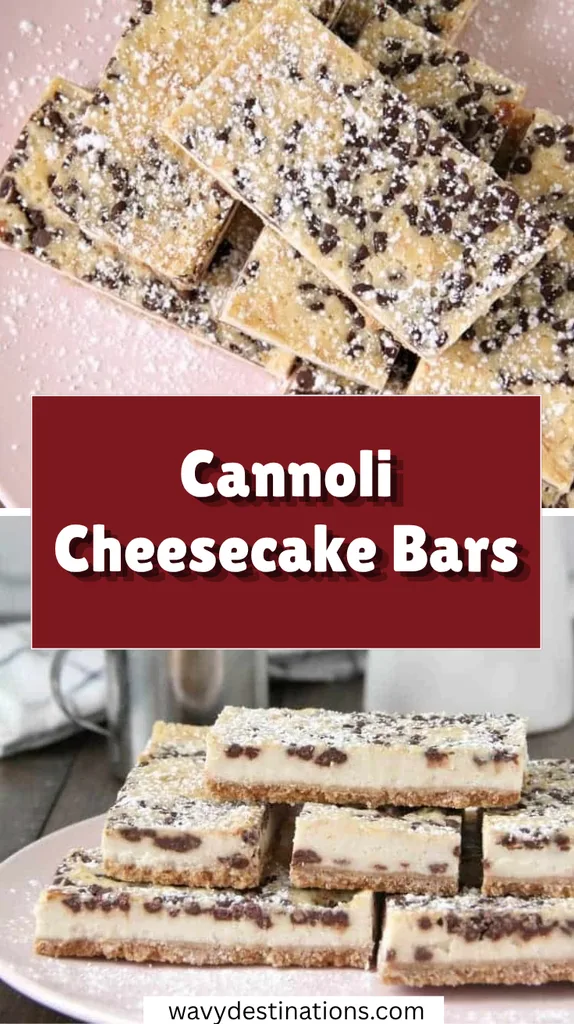
Japanese Katsu Bowls With Tonkatsu Sauce Recipe
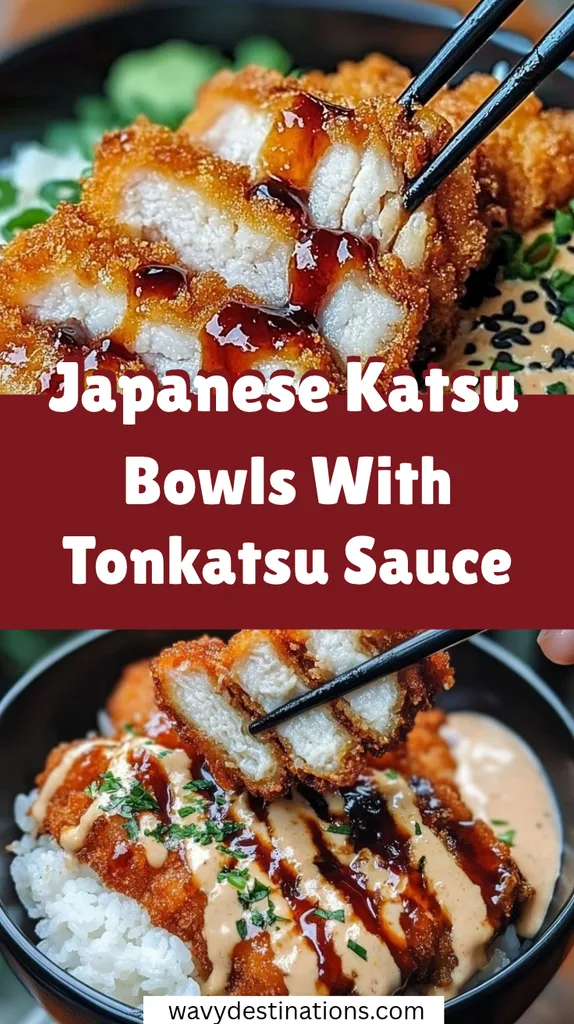
I made these crisp Japanese Katsu Bowls With Tonkatsu Sauce for a cozy weeknight dinner recently, and they were an absolute sensation right off the frying pan. After preparing this authentic recipe myself, I can tell you that coating tender cutlets in light panko breadcrumbs and frying them to a golden crunch yields the ultimate Japanese comfort meal.
The tangy, sweet, and savory homemade tonkatsu sauce cuts right through the crispy fried coating, while a bed of warm white rice absorbs all those incredible savory juices. I was so amazed by how effortlessly combining everyday pantry staples like ketchup, Worcestershire, and soy sauce creates an authentic, restaurant-quality tonkatsu sauce in seconds.
Ingredients
Here is everything you will need to prepare these authentic crispy katsu bowls, along with helpful pro tips on why each component works so well.
- 2 boneless chicken breasts or pork loin cutlets – pounded to ½-inch thickness; pounding ensures the meat cooks evenly and quickly without drying out.
- 1 cup panko breadcrumbs – coarse Japanese breadcrumbs that fry up remarkably light, airy, and shatteringly crisp.
- ½ cup all-purpose flour – provides the initial dry coating that helps the beaten egg adhere smoothly to the cutlet.
- 2 large eggs – beaten well to form the sticky bridge between the floured meat and the crunchy panko layer.
- 3 cups cooked white rice – preferably short-grain sushi rice; supplies a soft, sticky base that holds the cutlet slices and absorbs the savory sauce.
- ½ cup tonkatsu sauce – store-bought or whisked fresh at home; brings a signature tangy, sweet, and savory fruit-and-spice glaze.
- Oil for frying – vegetable or canola oil; high-smoke-point cooking oil ensures a clean, golden crunch without burning.
- Fresh parsley or green onion – thinly sliced; adds a bright pop of color and a fresh, subtle onion bite right before serving.
- 3 tbsp ketchup (for homemade sauce) – provides the rich, sweet tomato baseline for the tonkatsu sauce.
- 2 tbsp Worcestershire sauce (for homemade sauce) – adds essential savory umami and depth of flavor.
- 1 tbsp soy sauce (for homemade sauce) – supplies salty, fermented depth to balance the sweet tomato notes.
- 1 tsp sugar (for homemade sauce) – dissolves into the sauce to smooth out the sharp vinegar notes.
Note: Serves 2 as a hearty, complete bowl meal.
Variations
If you want to customize these katsu bowls for different dietary preferences or savory flavor twists, give these simple ingredient swaps a try.
- Gluten-Free Option: Swap the all-purpose flour for cornstarch, use certified gluten-free panko breadcrumbs, and use tamari in place of standard soy sauce.
- Katsudon Style (Egg & Onion): Simmer the fried cutlet briefly in a pan with dashi broth, sliced onions, and a gently beaten egg before sliding it over the rice bowl.
- Tofu Katsu Alternative: Replace the chicken or pork cutlets with thick slices of pressed extra-firm tofu for a delicious vegetarian katsu option.
Credit: ladysavor
Cooking Time
Planning your dinner routine is completely straightforward with this simple time breakdown.
- Prep Time: 15 minutes
- Cooking Time: 10 minutes
- Total Time: 25 minutes
Equipment You Need
Having these essential kitchen tools ready before you begin will make breading, frying, and assembling your katsu bowls smooth and mess-free.
- Meat mallet or heavy rolling pin – flattens the chicken breasts or pork loin cutlets into an even ½-inch thickness.
- 3 shallow bowls – creates a neat, efficient station for flour, egg, and panko breadcrumbs.
- Large skillet or frying pan – heats the oil evenly so the cutlets fry to a deep golden brown.
- Wire cooling rack or paper towel-lined plate – drains excess oil off the hot fried cutlets to keep the panko crust shatteringly crisp.
How to Make Japanese Katsu Bowls With Tonkatsu Sauce?
Creating authentic, bakery-crunch katsu relies on pressing the panko firmly into the egg layer and frying at a steady oil temperature. By resting the cutlets briefly on paper towels before slicing, you lock in the juices while keeping the outer coating perfectly crispy.
Prepping and Breading the Cutlets
Place the cutlets between sheets of plastic wrap and pound them gently with a meat mallet to an even ½-inch thickness; season both sides lightly with sea salt and black pepper. Set up a breading station with three shallow bowls: one with ½ cup all-purpose flour, one with the 2 beaten eggs, and one with 1 cup panko breadcrumbs. Dredge each cutlet thoroughly in the flour, shaking off any excess, dip completely into the beaten egg, and then press firmly into the panko breadcrumbs until fully coated on all sides.
Frying to Golden Crispness
Heat about ½ inch of vegetable or canola oil in a large frying pan over medium-high heat until it reaches approximately 350°F (175°C). Carefully lower the breaded cutlets into the hot oil and fry for 3 to 4 minutes per side for chicken (or 2 to 3 minutes per side for pork) until the panko is deeply golden brown and the internal temperature reaches 165°F (74°C) for chicken or 145°F (63°C) for pork. Transfer the hot cutlets to a paper towel-lined plate or wire rack to drain briefly.
Mixing the Homemade Tonkatsu Sauce
While the cutlets are frying, prepare the homemade tonkatsu sauce by whisking together the 3 tablespoons ketchup, 2 tablespoons Worcestershire sauce, 1 tablespoon soy sauce, and 1 teaspoon sugar in a small bowl until the sugar dissolves completely. Taste and add a pinch more sugar if you prefer a sweeter sauce.
Slicing and Assembling the Bowls
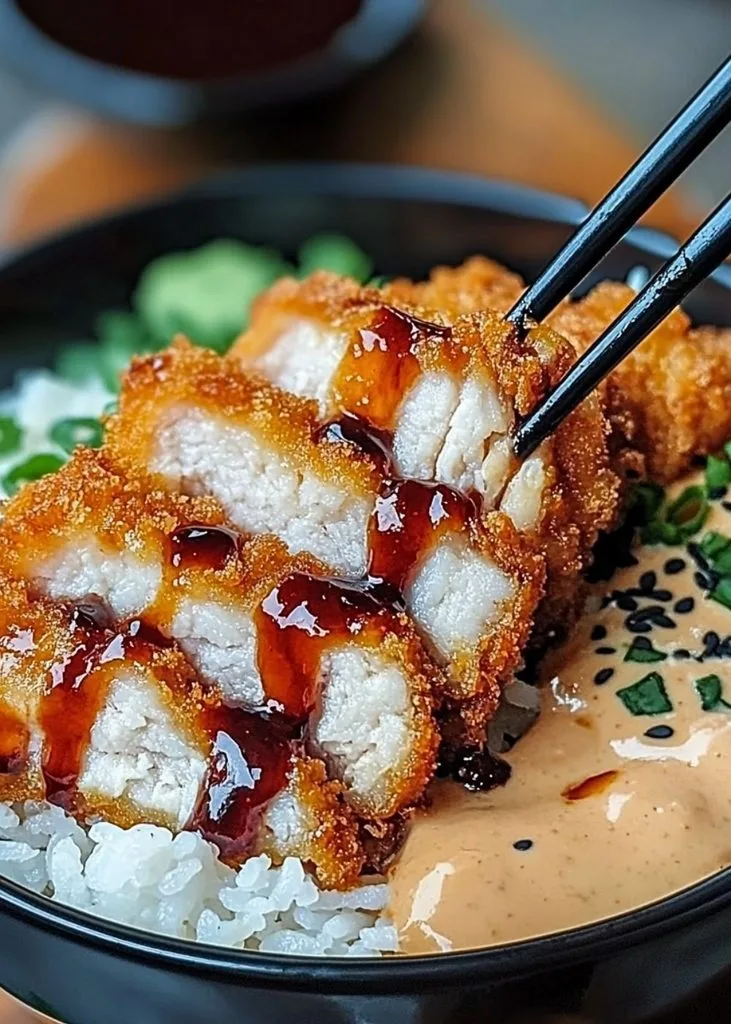
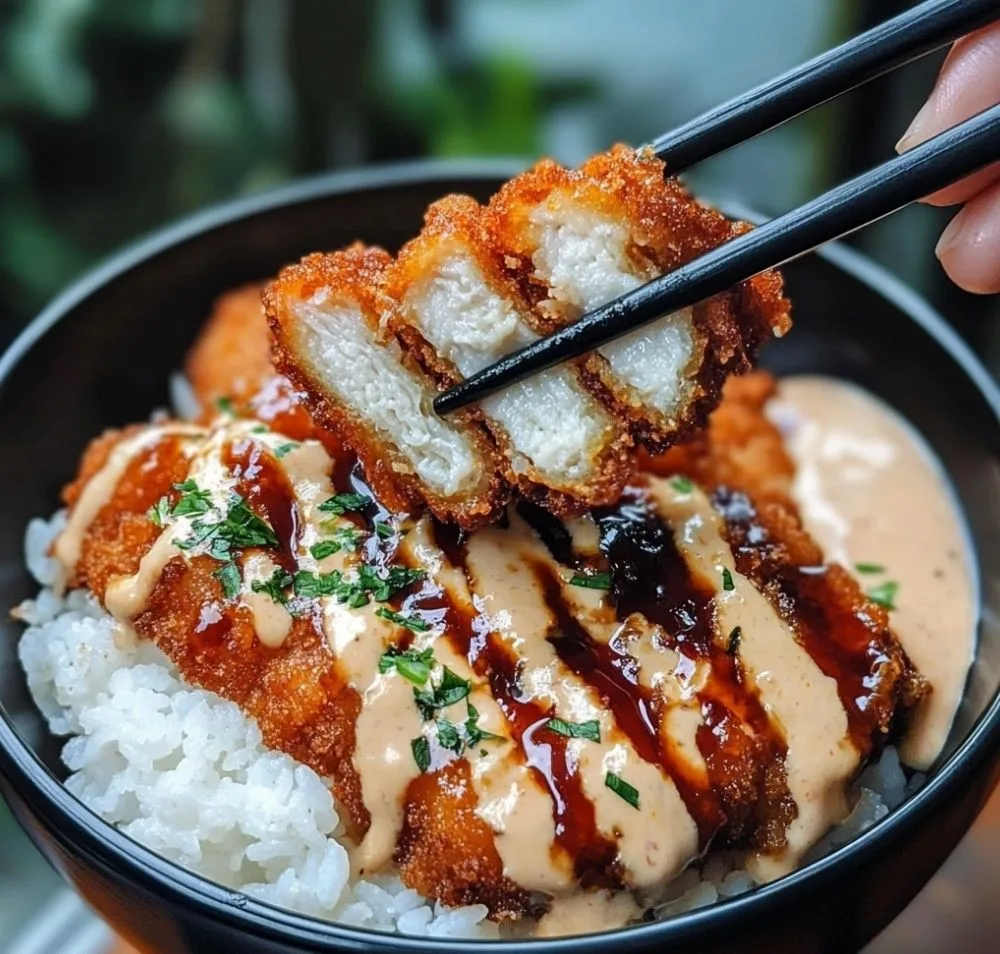
Divide the 3 cups of warm cooked white rice evenly between two wide serving bowls. Transfer the fried katsu cutlets to a cutting board and slice them crosswise into 1-inch strips. Lay a sliced cutlet neatly over the bed of rice in each bowl, drizzle generously with the prepared tonkatsu sauce, and garnish with sliced green onions or fresh parsley before serving immediately.
Additional Tips for Making this Recipe Better
Here are a few personal observations and tricks I learned while frying these cutlets that will help you achieve absolute perfection in your own kitchen.
- I always make sure the oil is fully heated to 350°F before adding the cutlets so the panko crisp-seals instantly rather than absorbing cold oil.
- In my experience, letting the breaded cutlets rest on a plate for 5 minutes before frying helps the panko layer adhere firmly so it doesn’t flake off in the hot pan.
- I love serving these bowls with a side of finely shredded raw cabbage tossed in a light sesame dressing to add an authentic Japanese izakaya crunch.
- Whenever I make these, I make sure to slice the cutlet with one swift press of a sharp chef’s knife to keep the crispy panko coating intact.
How to Serve Japanese Katsu Bowls With Tonkatsu Sauce?
Present these vibrant katsu bowls in wide ceramic bowls to highlight the golden sliced cutlet, snowy white rice, and rich dark sauce drizzle. Serve alongside a warm bowl of miso soup, pickled red ginger (beni shoga), or a crisp shredded cabbage salad. Drizzle extra tonkatsu sauce in a wide zig-zag pattern over the cutlet right before bringing the bowl to the table.
Nutritional Information
Here is a quick overview of the estimated key nutritional metrics per serving (1 complete katsu bowl) for this recipe.
- Calories: 580 kcal
- Protein: 38 g
- Carbohydrates: 72 g
- Fat: 14 g
Make Ahead and Storage
Managing your meal prep or storing leftover fried katsu is simple when following these easy guidelines.
Room Temperature Storage
Keep freshly fried katsu cutlets at room temperature for no longer than 1 to 2 hours while serving. Leaving fried meats out for extended periods will cause the crust to soften.
Refrigerator Guidelines
Store cooked katsu cutlets and rice in separate airtight containers in the refrigerator for up to 3 days. Keep the tonkatsu sauce in a glass jar in the fridge for up to 2 weeks.
Freezing Process
Freeze cooked, un-sauced katsu cutlets in a single layer on a parchment-lined tray until solid, then transfer to a freezer-safe bag for up to 2 months. Reheat directly from frozen in a hot oven.
Reheating Instructions
Reheat refrigerated or frozen katsu cutlets on a wire rack inside a preheated 400°F (200°C) oven or air fryer for 8 to 10 minutes until sizzling hot and re-crisped. Avoid using the microwave, as it will make the crunchy panko crust soft and soggy.
Why You’ll Love This Recipe?
You are going to fall in love with how effortlessly this recipe transforms simple chicken or pork into a restaurant-quality Japanese feast.
- Shatteringly Crisp Panko Coating: Panko breadcrumbs fry up exponentially lighter and crisper than standard American breadcrumbs.
- Quick 25-Minute Dinner: Requires minimal cook time, making it ideal for satisfying fast weeknight cravings.
- Authentic Tangy-Sweet Sauce: Homemade tonkatsu sauce comes together in seconds with basic pantry staples like ketchup and Worcestershire.
- Satisfying Comfort Meal: Combining warm rice with crunchy protein and rich savory sauce makes for the ultimate balanced bowl.