White Wine Worcestershire Sauce Recipe
I started making this White Wine Worcestershire Sauce Recipe because store-bought versions are often expensive and full of preservatives I can’t pronounce.
After tweaking the ingredients to get that perfect balance of tang and spice, I finally nailed it. This homemade version uses white wine for a lighter, more aromatic finish that pairs beautifully with chicken and fish.
It’s incredibly satisfying to whisk everything together and watch it transform into a rich, savory condiment right on the stove.
Ingredients
This recipe relies on pantry staples to create a complex flavor profile, so make sure your spices are fresh for the best result.
- 1 cup white wine: Use a dry or semi-dry variety like Sauvignon Blanc or Pinot Grigio for the best flavor balance without too much sweetness.
- 1/2 cup white vinegar: This provides the essential acidic tang that cuts through richness and acts as a preservative for the sauce.
- 1/4 cup soy sauce: Adds that deep, salty umami flavor that is characteristic of classic Worcestershire sauce.
- 2 tablespoons lemon juice: Freshly squeezed is best to add a bright, zesty note that lifts the heavier savory flavors.
- 2 tablespoons honey or brown sugar: I prefer honey for a smoother sweetness, but brown sugar adds a nice molasses depth if you prefer that.
- 1 tablespoon Dijon mustard: This acts as an emulsifier to keep the sauce blended and adds a sharp, spicy kick.
- 1 teaspoon garlic powder: Using powder here ensures it dissolves completely for a smooth texture unlike fresh minced garlic.
- 1 teaspoon onion powder: Similar to the garlic, this adds savory depth without changing the consistency of the liquid.
- 1/2 teaspoon ground ginger: It brings a subtle warmth and zest that hints at the fermented origin of the original sauce.
- 1/2 teaspoon ground cinnamon: This might seem odd, but it adds a crucial background warmth that makes the sauce taste complex.
- 1/2 teaspoon ground black pepper: Freshly ground is ideal for a bit of heat that lingers comfortably at the back of the palate.
- 1/2 teaspoon salt: Enhances all the other flavors; feel free to adjust this based on how salty your soy sauce is.
- 1/4 teaspoon ground cloves: A little goes a long way here to provide that distinctive aromatic spice found in classic recipes.
Note: This recipe yields approximately 1.5 cups of sauce depending on how much you reduce it.
Variations
You can easily adapt this recipe to fit specific dietary needs or flavor preferences without losing the core taste.
- Gluten-Free Option: Simply swap the standard soy sauce for Tamari or coconut aminos to make this safe for those with gluten sensitivities.
- Vegan Version: Replace the honey with maple syrup or agave nectar, and double-check that your white wine is certified vegan-friendly.
- Spicy Kick: If you enjoy a bit of heat, add a pinch of cayenne pepper or a few drops of hot sauce during the simmering process.
- Fruity Twist: Substitute apple cider vinegar for the white vinegar if you want a slightly sweeter, fruitier undertone to the sauce.
Cooking Time
This sauce comes together quickly, making it an easy project for a weekday evening.
- Prep Time: 5 minutes
- Cooking Time: 20 minutes
- Total Time: 25 minutes
Equipment You Need
You don’t need fancy gadgets for this, just basic kitchen tools to blend and heat the mixture.
- Medium Saucepan: Used to simmer all the ingredients together comfortably without splashing over the sides.
- Whisk: Essential for breaking up the clumps of spices and mustard into the liquid for a smooth consistency.
- Measuring Cups and Spoons: To accurately portion out the balance of sour, sweet, and salty elements.
- Glass Jar or Bottle: Needed for storing the finished sauce in the refrigerator to keep it fresh.
How to Make White Wine Worcestershire Sauce?
Making your own condiments at home is surprisingly straightforward and the process for this sauce is no exception. It is essentially a matter of combining liquids and spices and letting heat do the work. The goal is to marry the flavors together and reduce the liquid slightly so it has a better mouthfeel than raw vinegar. You will find that the smell while cooking is quite strong and vinegary, but don’t worry, it mellows out beautifully once cooled.
Combine the Liquid Base
Start by placing your medium saucepan on the stove top, but don’t turn the heat on just yet. Pour in the white wine, white vinegar, and soy sauce as your primary liquid base. Add the fresh lemon juice, your choice of sweetener (honey or brown sugar), and the Dijon mustard. Whisk these wet ingredients together vigorously until the mustard and sweetener are fully dissolved into the liquids.
Add the Spices
Once your wet base is mixed, it is time to add the dry seasonings. Sprinkle in the garlic powder, onion powder, ground ginger, cinnamon, black pepper, salt, and ground cloves. Make sure you don’t dump them all in one clump; sprinkling helps them incorporate better. Use your whisk again to stir everything thoroughly, ensuring there are no dry pockets of spice floating on top of the liquid.
Simmer the Mixture
Turn the stove heat to medium and bring the mixture to a gentle simmer. You don’t want a rolling boil, just gentle bubbles breaking the surface. Let it cook uncovered for about 15 to 20 minutes. You should stir it every few minutes to prevent any sugars from sticking to the bottom and to ensure the spices stay suspended in the liquid as it reduces.
Adjust and Cool
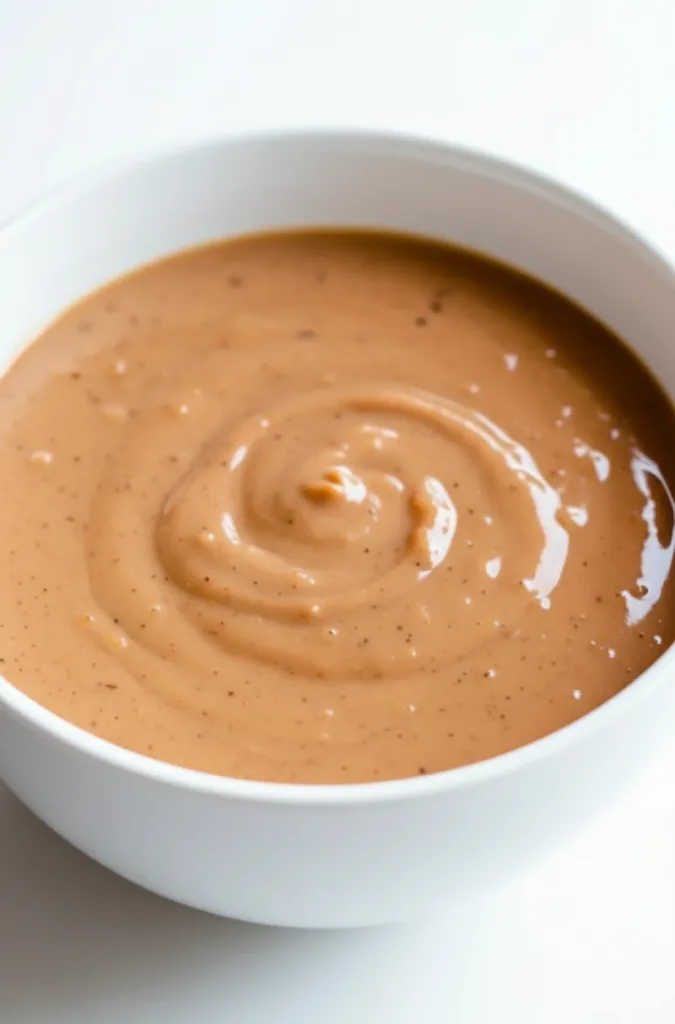
After about 20 minutes, the sauce should have thickened slightly and the flavors will have concentrated. Carefully taste a tiny amount (it will be hot!) to check the balance. If it’s too tart, add a touch more honey; if it needs depth, add a pinch more salt. Remove the pan from the heat and let it cool completely to room temperature before pouring it into your storage jar.
Additional Tips for Making this Recipe Better
I have learned a few tricks after making this several times to ensure the best flavor and texture.
- I always recommend using a wine you actually enjoy drinking; if the wine tastes bad in the glass, it will taste bad in the sauce, so don’t use the cheapest cooking wine you can find.
- I find that letting the sauce sit in the fridge for at least 24 hours before using it really helps the flavors meld together, much like a stew that tastes better the next day.
- If you prefer a thicker sauce, I sometimes let it simmer for an extra 5-10 minutes, but watch it closely so the sugars don’t burn or caramelize too much.
- I suggest giving the bottle a really good shake every time you use it because the natural spices tend to settle at the bottom since we aren’t using commercial stabilizers.
How to Serve White Wine Worcestershire Sauce?
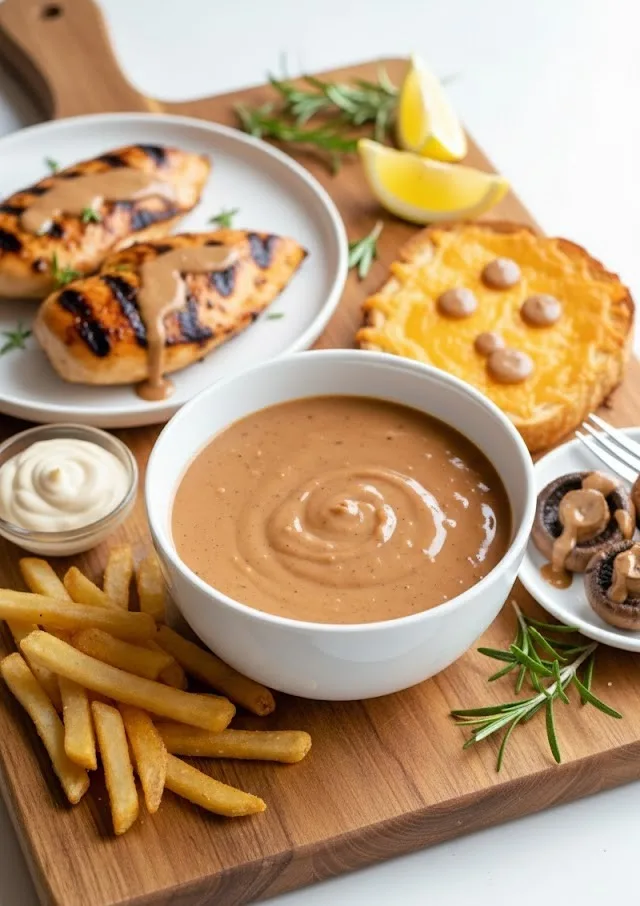
This versatile sauce can be used in almost any dish that needs a savory boost. It makes a fantastic marinade for chicken or pork chops before they hit the grill. You can also mix it into hamburger patties or meatloaf to add moisture and a depth of umami flavor.
For a simple snack, try mixing it with a bit of mayonnaise for a zesty fry dipping sauce, or drizzle a few drops over cheese on toast or roasted mushrooms for an instant flavor upgrade.
Nutritional Information
Here is a rough estimate of the nutrition per tablespoon serving.
- Calories: 25 kcal
- Protein: 0g
- Carbohydrates: 4g
- Fat: 0g
Make Ahead and Storage
Since this is a condiment, it is designed to be made ahead and stored for future use.
Restoring: If the spices settle or the honey crystallizes slightly in the fridge, simply let the jar sit on the counter for a few minutes and shake vigorously to restore the texture.
Freezing: I do not recommend freezing this sauce as it can separate and the flavor profile of the wine and vinegar may change unpleasantly upon thawing.
Reheating: There is generally no need to reheat the sauce itself unless you are adding it to a hot dish; it is meant to be stored cold and keeps fresh in the fridge for up to one month.
Why You’ll Love This Recipe?
Once you try this homemade version, you likely won’t want to go back to the store-bought bottles.
- Control Over Ingredients: You know exactly what is going into your food, with no high fructose corn syrup, artificial dyes, or strange chemical preservatives.
- Customizable Flavor: You can easily tweak the sweetness, saltiness, or spice level to perfectly match your personal taste buds and dietary requirements.
- Cost-Effective: It uses staple ingredients you likely already have in your pantry, saving you money compared to buying premium artisanal sauces.
- Incredible Versatility: It works beautifully as a marinade, a dipping sauce, a soup enhancer, or a Bloody Mary ingredient, making it a kitchen workhorse.