
Festive Orange Cake with Cranberry Filling Recipe
There is honestly nothing quite like the smell of fresh citrus zest hitting the air in my kitchen, especially when it is paired with the tart snap of cranberries bubbling on the stove.
I recently made this incredible Orange Cake with Cranberry Filling Recipe for a family gathering, and the balance between the sweet, fluffy orange sponge and the tangy, jam-like filling was absolutely perfect.
It felt like a professional bakery creation, yet the process was surprisingly manageable and forgiving, even with the multiple components involved.
If you want a dessert that looks like a showstopper but tastes like a comforting hug, this recipe is exactly what you need to bake this weekend.

Ingredients
Here is everything required to assemble this three-part masterpiece, broken down by component to keep you organized in the kitchen.
For the Orange Cake Layers
- 2 ½ cups all-purpose flour (350g) – Sifting this is crucial to ensure your cake layers are light rather than dense.
- 2 ½ teaspoons baking powder – This lifting agent helps the cake rise since we are using oil instead of butter for the base.
- 4 large eggs – Make sure these are at room temperature so they whip up to full volume during the initial mixing stage.
- 1 ½ cups granulated sugar (300g) – Standard white sugar works best here to sweeten the batter without altering the bright orange color.
- 1 cup canola or vegetable oil (240 ml) – Using neutral oil instead of butter guarantees the cake stays incredibly moist for days.
- 1 ¼ cups freshly squeezed orange juice (300 ml) – Fresh juice provides a much better acidity and flavor profile than bottled versions.
- Zest from 4 oranges – The oils in the zest are where the real flavor lives, so do not skimp on this ingredient.
- 1 teaspoon pure vanilla extract – A splash of high-quality vanilla rounds out the sharp citrus notes with warmth.
For the Cranberry Filling
- 1 ½ cups fresh cranberries (160g) – You will divide these to create texture, with some cooked down and others added later.
- ½ cup granulated sugar – This amount helps cut the extreme tartness of the berries without making the filling cloying.
- 1 teaspoon orange zest – Adding zest here ties the filling flavor back to the cake layers beautifully.
- 2 Tablespoons freshly squeezed orange juice – Use this liquid to help simmer the berries down into a thick sauce.
- 1 Tablespoon unsalted butter – Stirring this in at the end gives the fruit filling a glossy sheen and rich mouthfeel.
For the Cream Cheese Frosting
- 12 oz full-fat block cream cheese – Avoid tub varieties because they are too soft and will make your frosting runny and hard to pipe.
- ¾ cup unsalted butter (173g) – Ensure this is softened to room temperature so it blends seamlessly with the cream cheese.
- 4 ½ cups powdered sugar – Sift this beforehand to prevent gritty lumps and ensure a silky, smooth finish.
- 1 ½ teaspoons pure vanilla extract – This adds a lovely aromatic quality to the tangy cream cheese mixture.
- Pinch of salt – A tiny amount of salt balances the heavy sweetness of the powdered sugar perfectly.
Note: This recipe makes one 2-layer 9-inch cake, which yields approximately 12 servings.
Variations
Customizing this cake is easy if you have different dietary needs or just want to experiment with new flavor profiles in your kitchen.
Gluten-Free Option
You can successfully swap the all-purpose flour for a high-quality “measure-for-measure” gluten-free flour blend. Since gluten-free blends can sometimes be drying, be careful not to overbake the layers. The oil in this recipe naturally helps combat dryness, making it a great candidate for gluten-free adaptation.
Dairy-Free Adaptation
For the cake, you are already halfway there since it uses oil instead of butter, so you just need to ensure your greasing method is dairy-free. For the filling, substitute the tablespoon of butter with coconut oil or a plant-based butter alternative. The frosting requires a reliable vegan cream cheese and vegan butter sticks, which whip up quite well if kept slightly cooler than room temperature.
Spiced Winter Version
If you want to lean into a warmer holiday flavor profile, add spices to the dry ingredients. A teaspoon of cinnamon, a half-teaspoon of ground ginger, or a pinch of cardamom mixed into the flour adds a lovely depth. These warm spices complement the bright orange and tart cranberry flavors beautifully.
Nutty Crunch Addition
Texture lovers might appreciate adding chopped toasted pecans or walnuts. You can fold half a cup of nuts into the cake batter before baking or sprinkle them between the layers on top of the cranberry filling. The earthy crunch provides a nice contrast to the soft crumb and smooth frosting.
Cooking Time
- Prep Time: 20 minutes
- Cooking Time: 1 hour
- Total Time: 1 hour 40 minutes
Equipment You Need
- Two 9-inch round cake pans: These are the standard size for the layers, but 8-inch pans work for taller cakes.
- Electric Stand Mixer or Hand Mixer: Essential for whipping the eggs and sugar to the required fluffy consistency.
- Mixing Bowls: You need at least two sizes for separating your dry ingredients from the wet ones.
- Microplane or Zester: The best tool for removing the flavorful outer peel of the oranges without the bitter pith.
- Citrus Juicer: Makes extracting the fresh juice much easier and more efficient than squeezing by hand.
- Saucepan: Needed for simmering the cranberries on the stove until they burst and thicken.
- Offset Spatula: This tool is crucial for spreading the frosting smoothly and creating professional-looking swirls.
- Wire Cooling Rack: Allows air to circulate around the baked cakes so they cool evenly without getting soggy.
How to Make Orange Cake with Cranberry Filling?
This recipe involves three distinct stages: baking the cake, cooking the filling, and whipping the frosting. Do not be intimidated by the steps, as taking them one at a time makes the process very straightforward and rewarding.
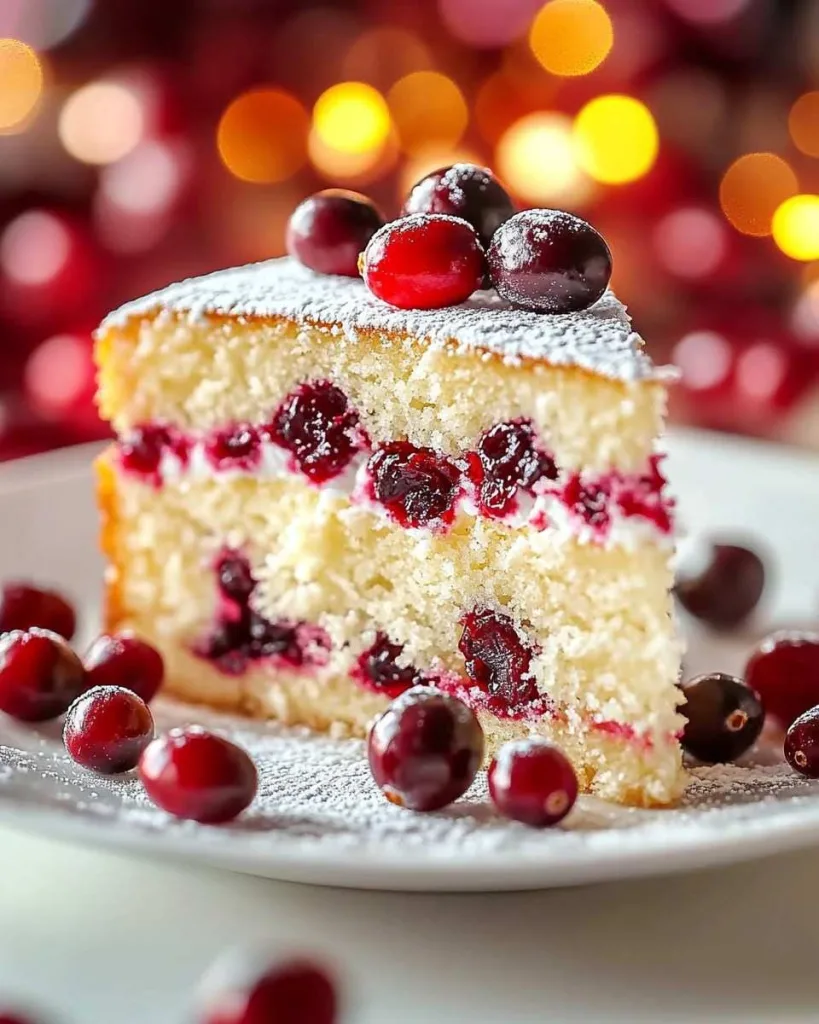
Credit IG:yummy_bites_officiel
Prepare the Cake Batter
First, preheat your oven to 350°F (180°C) and prepare your pans thoroughly by greasing and flouring them. In a medium bowl, whisk together the flour and baking powder to ensure there are no lumps and the leavening is evenly distributed.
Whisk Eggs and Sugar
Using your mixer on high speed, beat the eggs and sugar together for about five full minutes until they are pale. This step creates a crucial structure for the cake, ensuring the final crumb is fluffy rather than heavy and dense.
Add Liquid Ingredients
Lower the mixer speed and slowly drizzle in the oil, followed by the orange juice, orange zest, and vanilla extract. You want to mix these wet ingredients gently just until they are blended to avoid deflating the air you whipped in.
Incorporate Dry Ingredients
Add the flour mixture to the wet batter and mix on low speed only until the flour streaks disappear. Overmixing at this stage creates gluten development, which results in a tough cake, so stop as soon as it is combined.
Bake the Layers
Pour the batter evenly into your prepared pans and bake them on the middle rack for 30 to 40 minutes. You will know they are done when a toothpick inserted into the center comes out mostly clean with just a few moist crumbs.
Cool the Cakes
Let the cakes sit in the pans for about 15 minutes before flipping them onto a wire rack to cool completely. Attempting to frost or fill warm cakes will cause your filling to melt and the layers to slide apart messily.
Cook the Cranberry Filling
While the cakes bake, combine one cup of cranberries, sugar, and juice in a saucepan over medium heat for ten minutes. Mash the berries as they pop and soften to release their natural pectin, which will thicken the sauce into a jam.
Finish and Chill Filling
Remove the sauce from the heat and stir in the butter and the remaining half-cup of uncooked chopped cranberries. Transfer this mixture to a bowl, cover it, and refrigerate it for at least an hour so it sets into a spreadable consistency.
Whip the Frosting Base
Beat the room-temperature cream cheese and softened butter together on medium speed until the mixture is completely smooth. It usually takes about two minutes to eliminate any lumps, creating a creamy foundation for the sugar.
Sweeten the Frosting
Add the powdered sugar, vanilla, and salt, mixing on low first to avoid a sugar cloud, then switching to high. Whip this for a minute or two until it is fluffy, light, and holds its shape well on the beater.
Create a Frosting Dam
Place your first cake layer on a plate and pipe a thick ring of frosting around the top outer edge. This barrier acts like a wall to keep the soft cranberry filling inside so it does not leak out the sides.
Fill the Center
Spoon the chilled cranberry filling into the center of the ring and spread it out evenly to the frosting edges. The filling should be level with the frosting dam so the next layer of cake sits perfectly flat on top.
Frost and Garnish
Place the second cake layer on top and cover the entire cake with the remaining cream cheese frosting. Decorate the finished cake with extra cranberries, fresh rosemary sprigs, or a dusting of coconut for a festive look.
Additional Tips for Making this Recipe Better
- I learned the hard way that weighing ingredients is superior to using cups, especially for flour. Using a kitchen scale ensures you have the exact amount of dry ingredients, preventing the cake from becoming heavy or dry.
- When I make this, I always zest the oranges before juicing them because it is nearly impossible to zest a squeezed orange half. The zest adds the most potent flavor, so I sometimes add a little extra for more punch.
- I recommend chilling the cake layers before assembly because cold cakes are firmer and easier to handle. A slightly chilled cake produces far fewer crumbs when you are trying to spread the frosting, resulting in a cleaner look.
- I always ensure my cream cheese is the full-fat brick style rather than the whipped tub variety. The tub variety contains too much water and air, which invariably leads to a soupy frosting that slides right off the cake.
- I like to make the cranberry filling a day ahead to give it plenty of time to set properly. The natural pectin in the fruit works its magic overnight, giving you a thick, jammy consistency that stays in place perfectly.
How to Serve Orange Cake with Cranberry Filling?
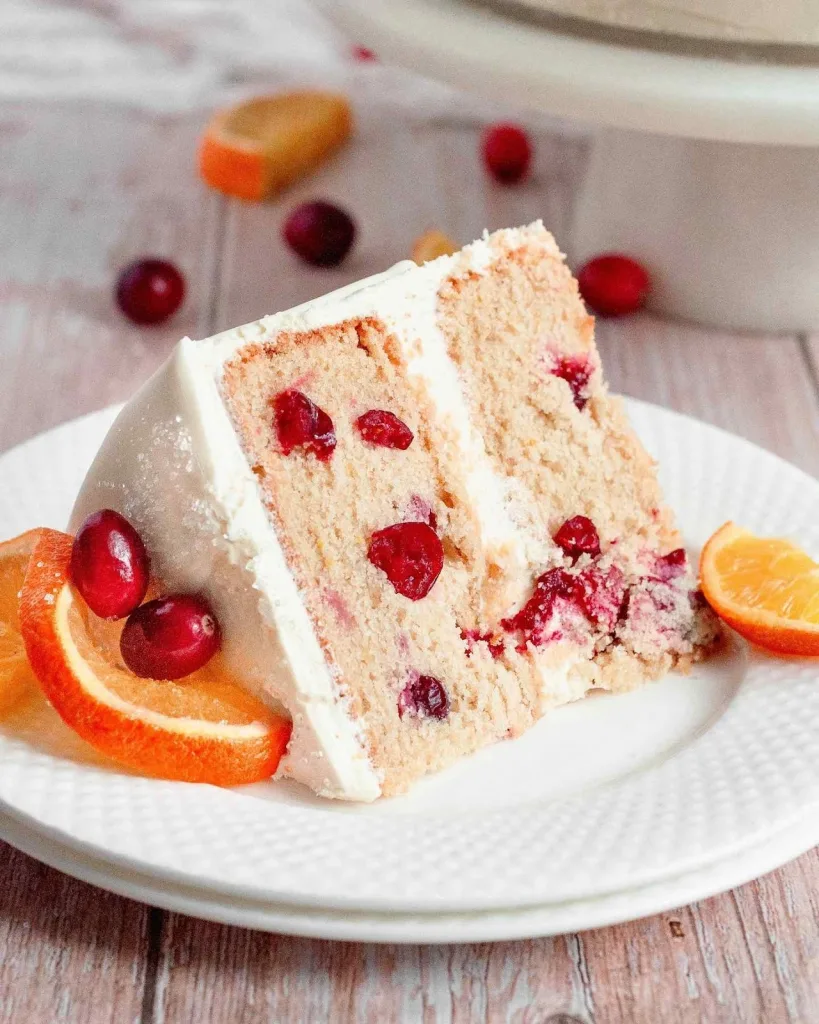
Serving this cake is all about highlighting its festive and elegant nature. Because the cake is quite tall and substantial, you should use a sharp, straight-edge knife dipped in hot water to get clean slices that show off the beautiful layers inside.
For presentation, placing the cake on a pedestal stand elevates it literally and figuratively, making it the centerpiece of your table. A garnish of sugared cranberries adds a sparkle that looks like frost, which contrasts beautifully with the creamy white frosting. Fresh sprigs of rosemary or thyme placed around the base or on top add a pop of green that signals freshness and holiday cheer.
If you want to add an extra touch of decadence, serve each slice with a small dollop of lightly sweetened whipped cream or even a scoop of vanilla bean ice cream. The creamy coldness pairs wonderfully with the bright citrus notes. For a breakfast twist, a thin slice of this cake pairs incredibly well with a hot cup of black coffee or Earl Grey tea, as the bergamot in the tea complements the orange zest.
Nutritional Information
Each slice of this rich and flavorful cake contains approximately:
- Calories: 650 kcal
- Protein: 6g
- Carbohydrates: 85g
- Fat: 32g
Make Ahead and Storage
Refrigerating the Cake
Because of the cream cheese in the frosting and the fresh fruit filling, this cake must be stored in the refrigerator. Keep it in an airtight cake container or cover the cut sections with plastic wrap, and it will stay fresh and delicious for up to 3 days.
Freezing Instructions
The baked cake layers freeze beautifully if you wrap them tightly in plastic wrap and then foil before assembly. You can freeze the layers for up to 2 months, then thaw them in the fridge overnight before stacking and frosting them for your event.
Serving Leftovers
While the cake needs to be stored in the cold fridge, it tastes significantly better when eaten at room temperature. I suggest taking the cake (or the slices you intend to eat) out of the refrigerator about 30 to 60 minutes before serving to soften the butter and relax the crumb.
Why You’ll Love This Recipe
- Incredible Moisture: The use of oil instead of butter in the batter guarantees a cake that stays soft and moist for days, unlike butter-based cakes that can dry out quickly.
- Perfect Flavor Balance: The combination of sweet, creamy frosting, tart cranberry filling, and bright citrus cake creates a sophisticated flavor profile that isn’t overwhelmingly sugary.
- Festive Appearance: The contrast between the white frosting and the deep red filling makes this an automatic showstopper for holiday tables, requiring very little decoration to look stunning.
- Forgiving Preparation: You do not need to be a master pastry chef to get this right; the batter comes together easily with a mixer, and the rustic frosting style means it doesn’t have to be perfectly smooth.
- Make-Ahead Friendly: Since the flavors meld and the texture improves after resting, you can bake this a day in advance, reducing stress on the day of your actual gathering or party.